
Bronzas Konsole ar Oniksa Virsmu un Kariatīdu Kājām — Louis XV Rococo, Francija/Beļģija, 19.gs. (4864)
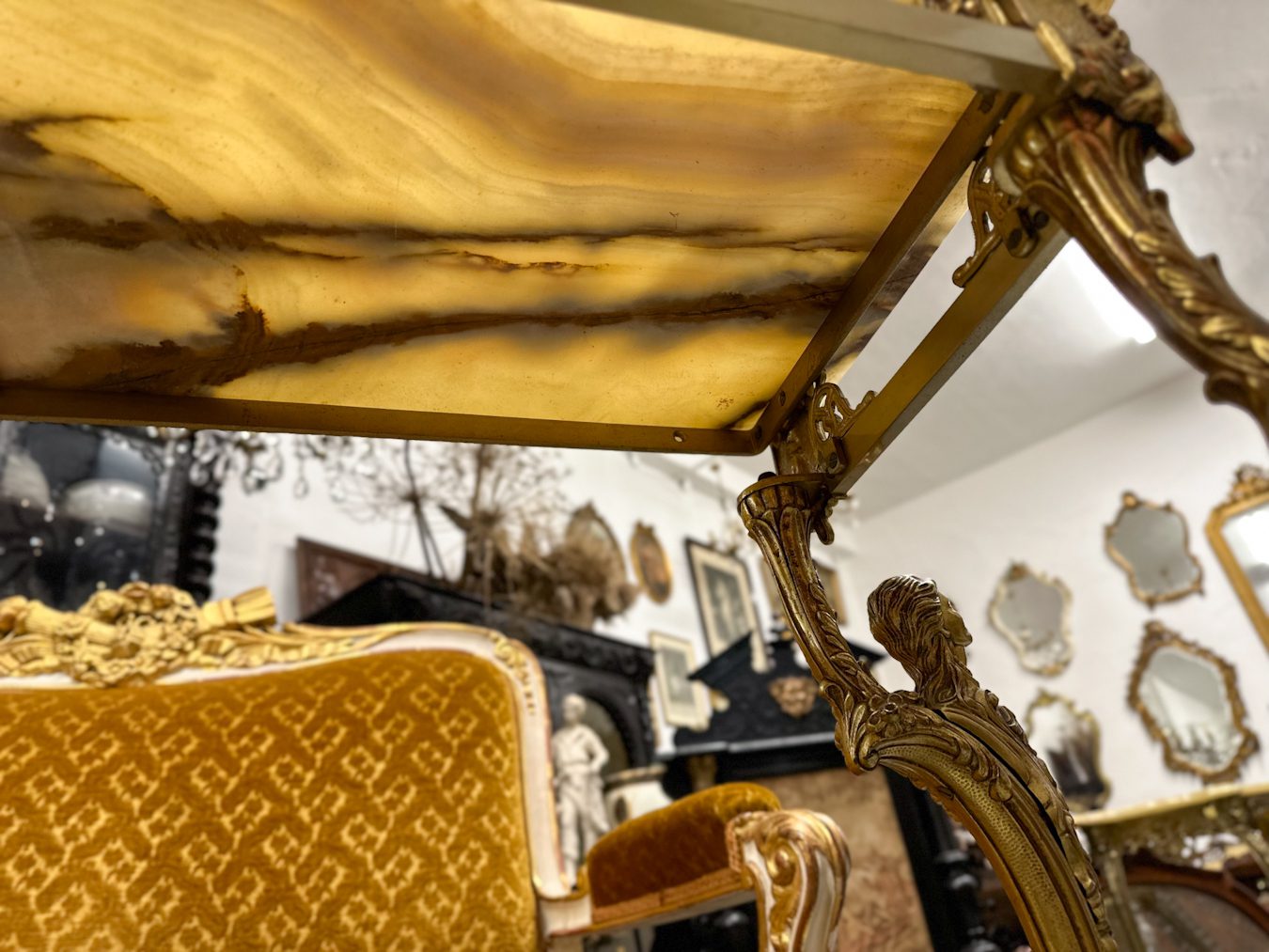
Bronzas Konsole ar Oniksa Virsmu un Kariatīdu Kājām — Louis XV Rococo, Francija/Beļģija, 19.gs. (4864)
€930.00
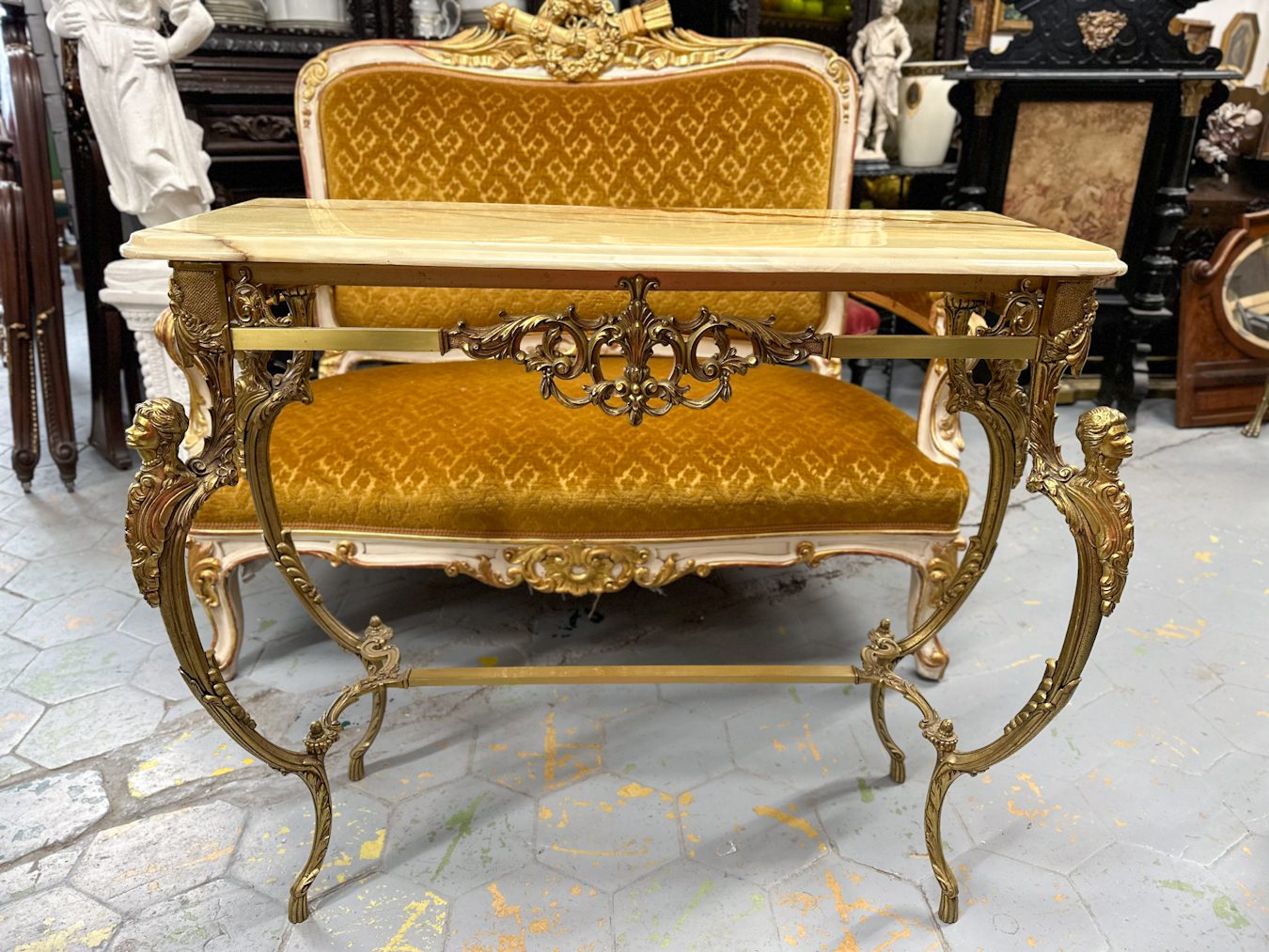
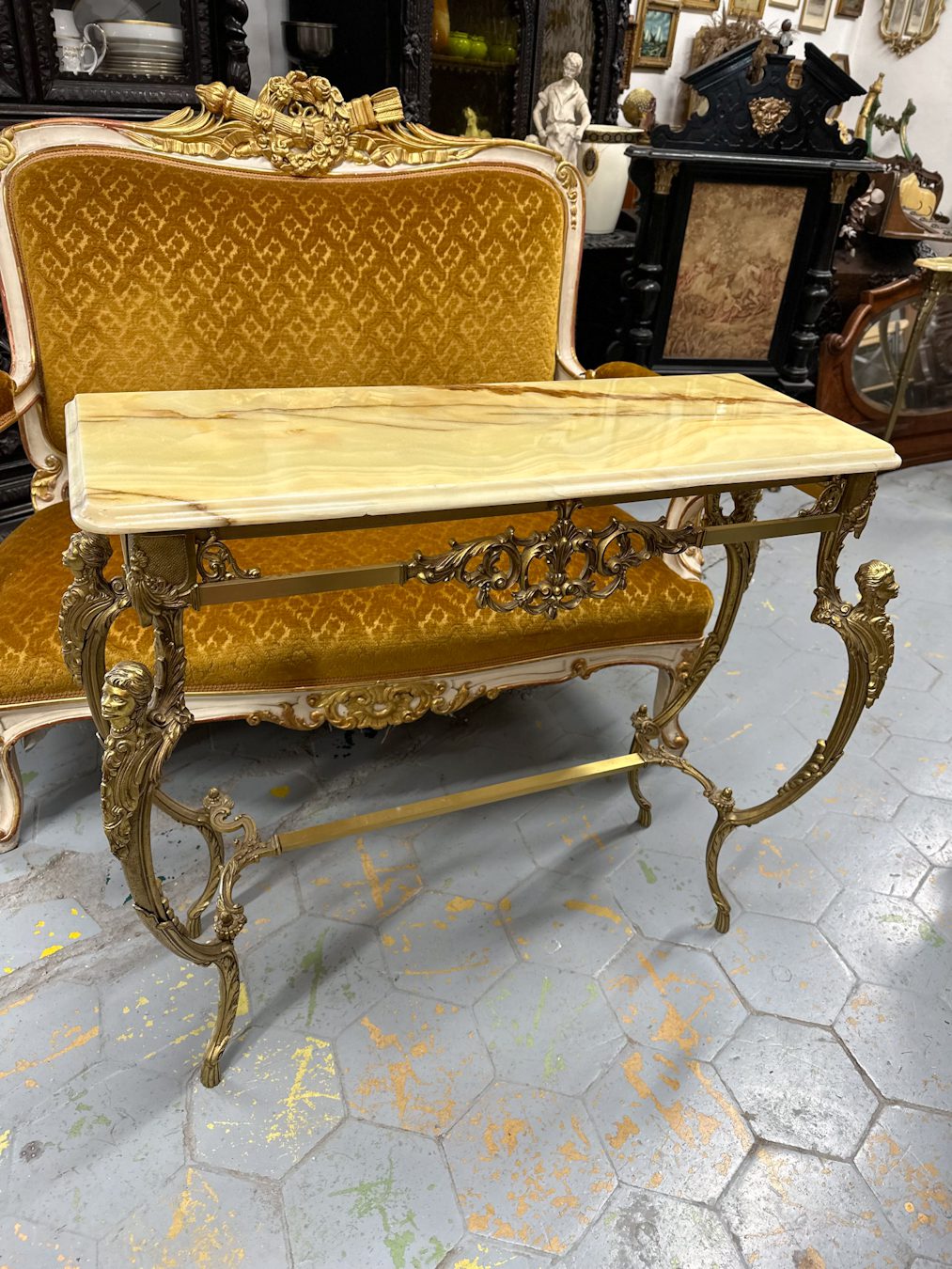
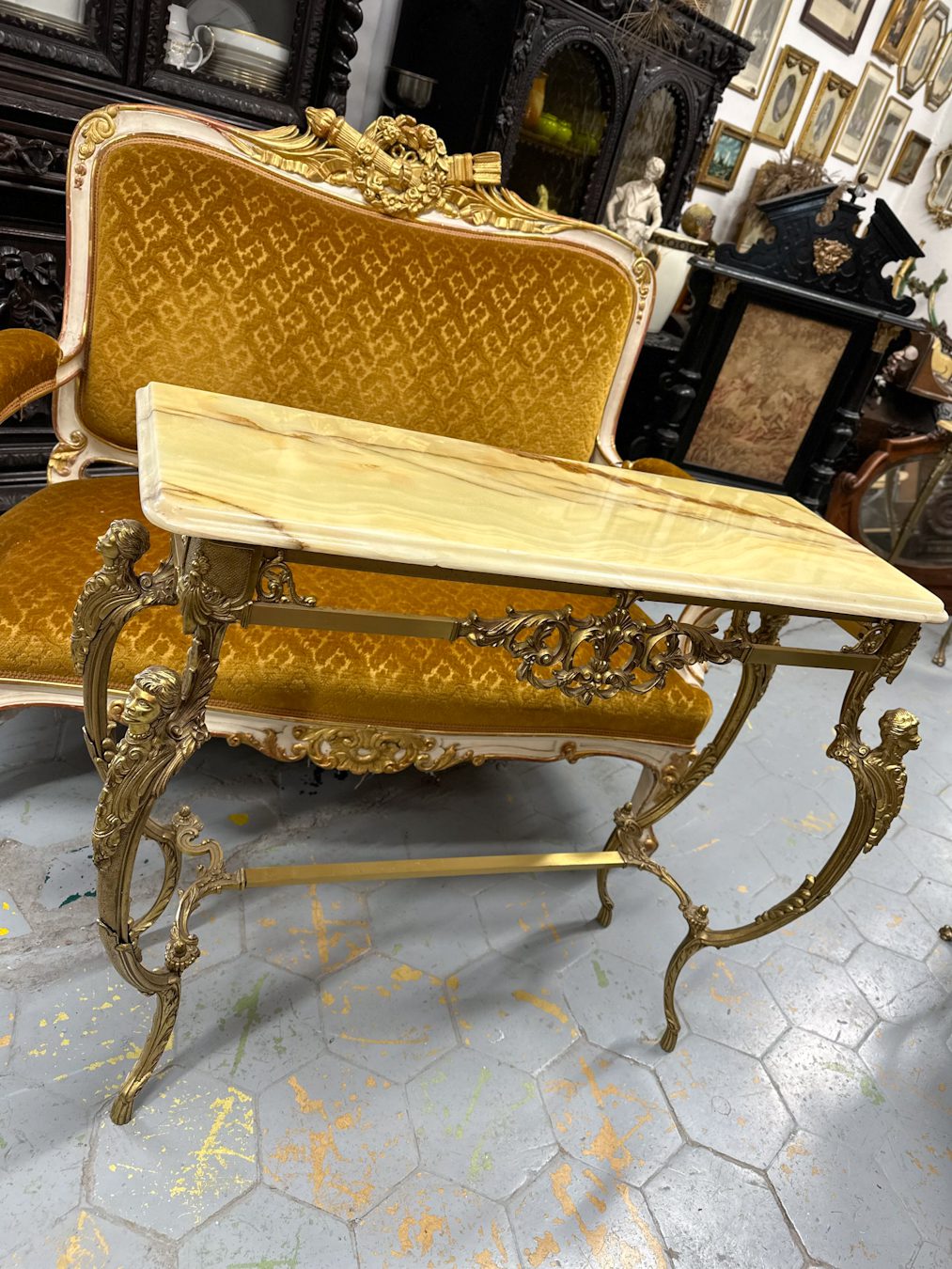
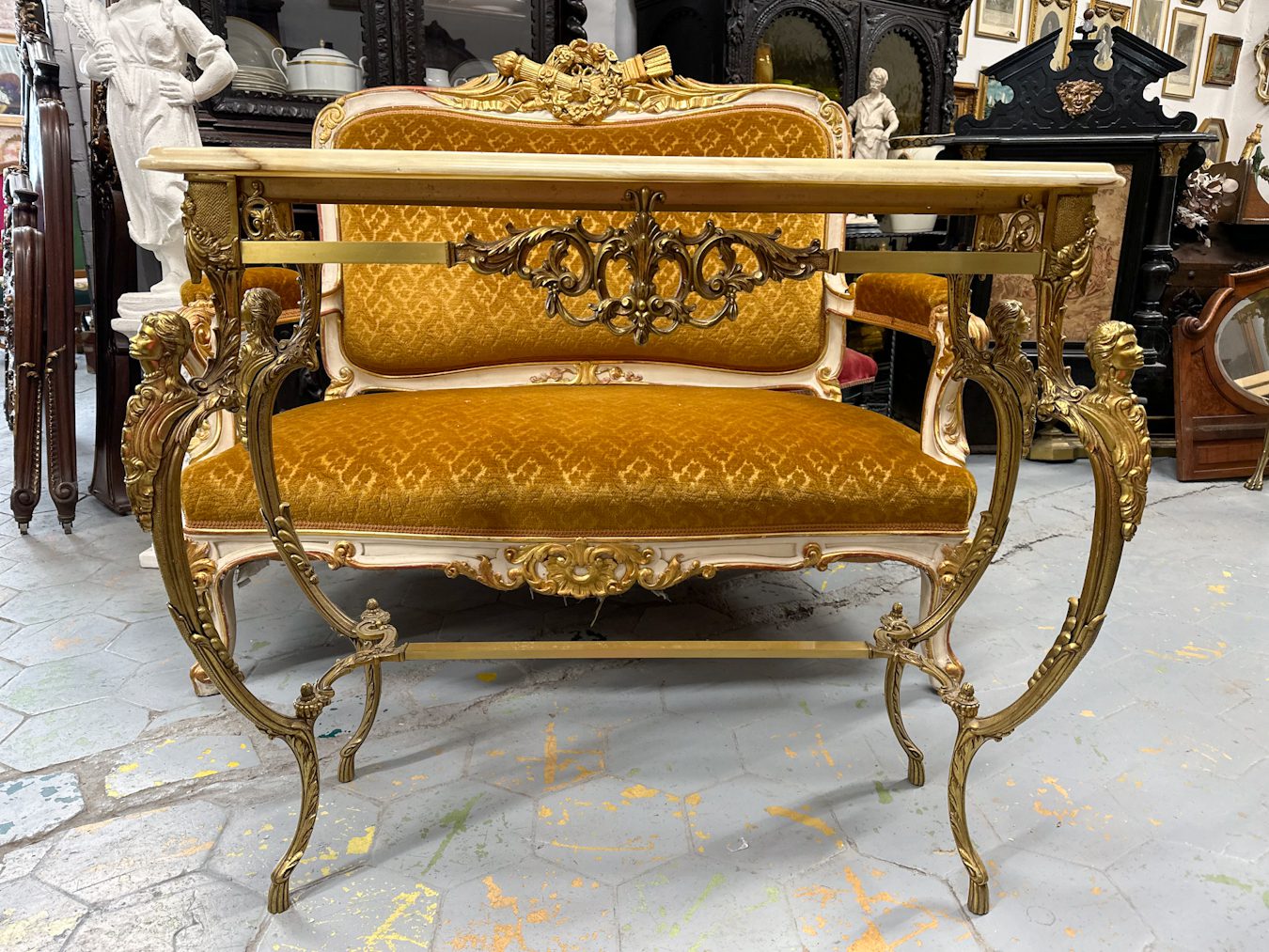
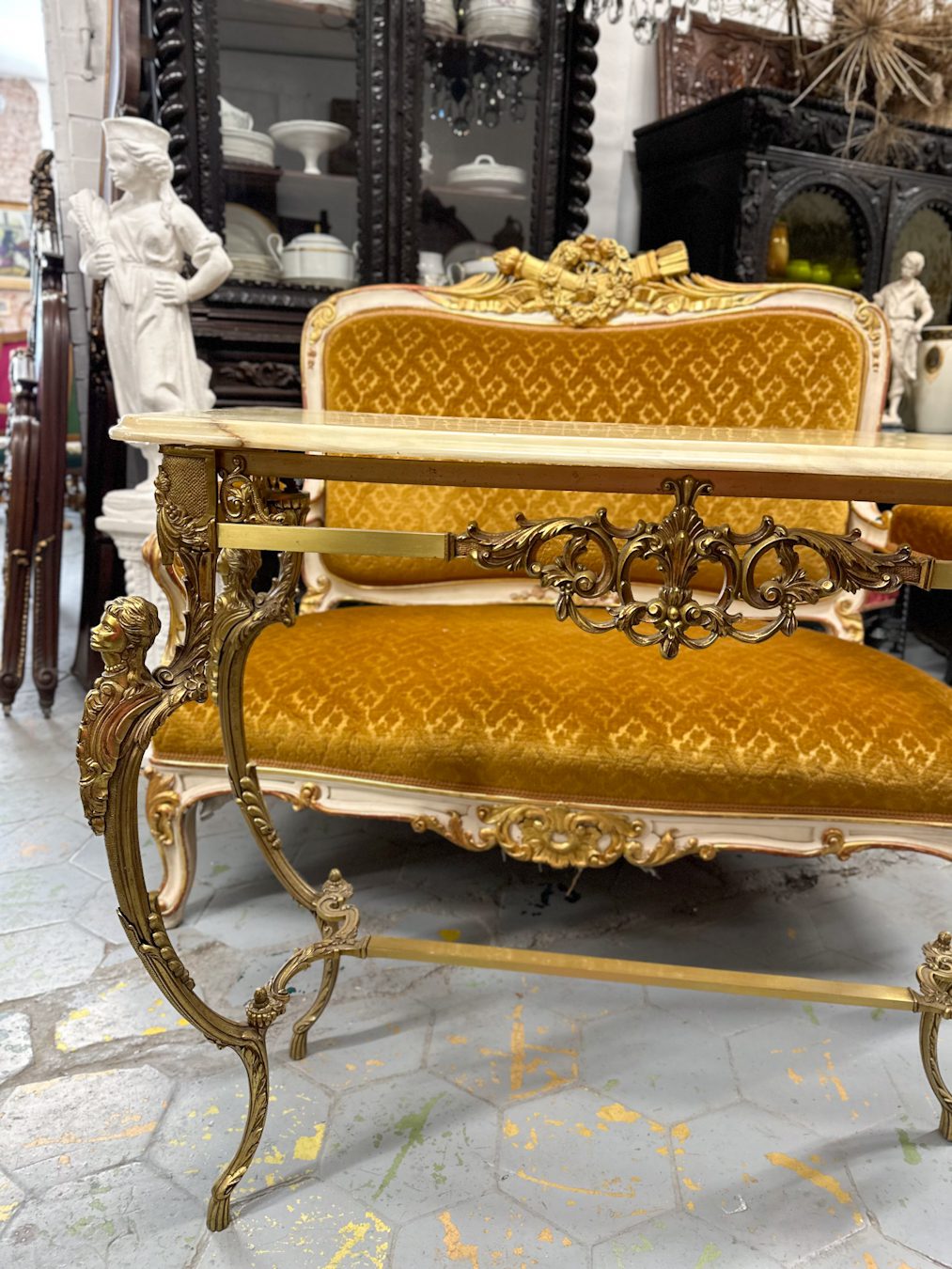
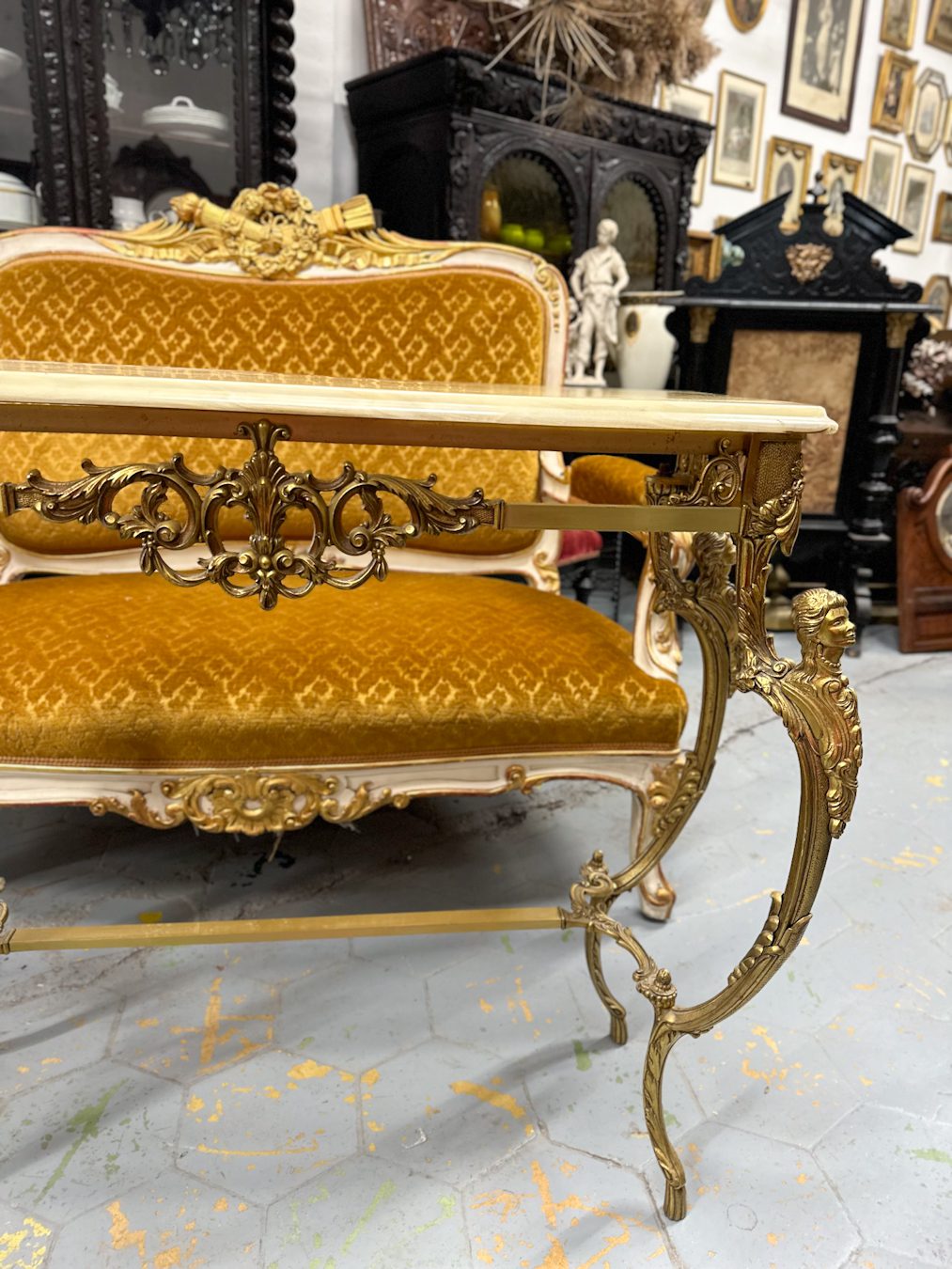
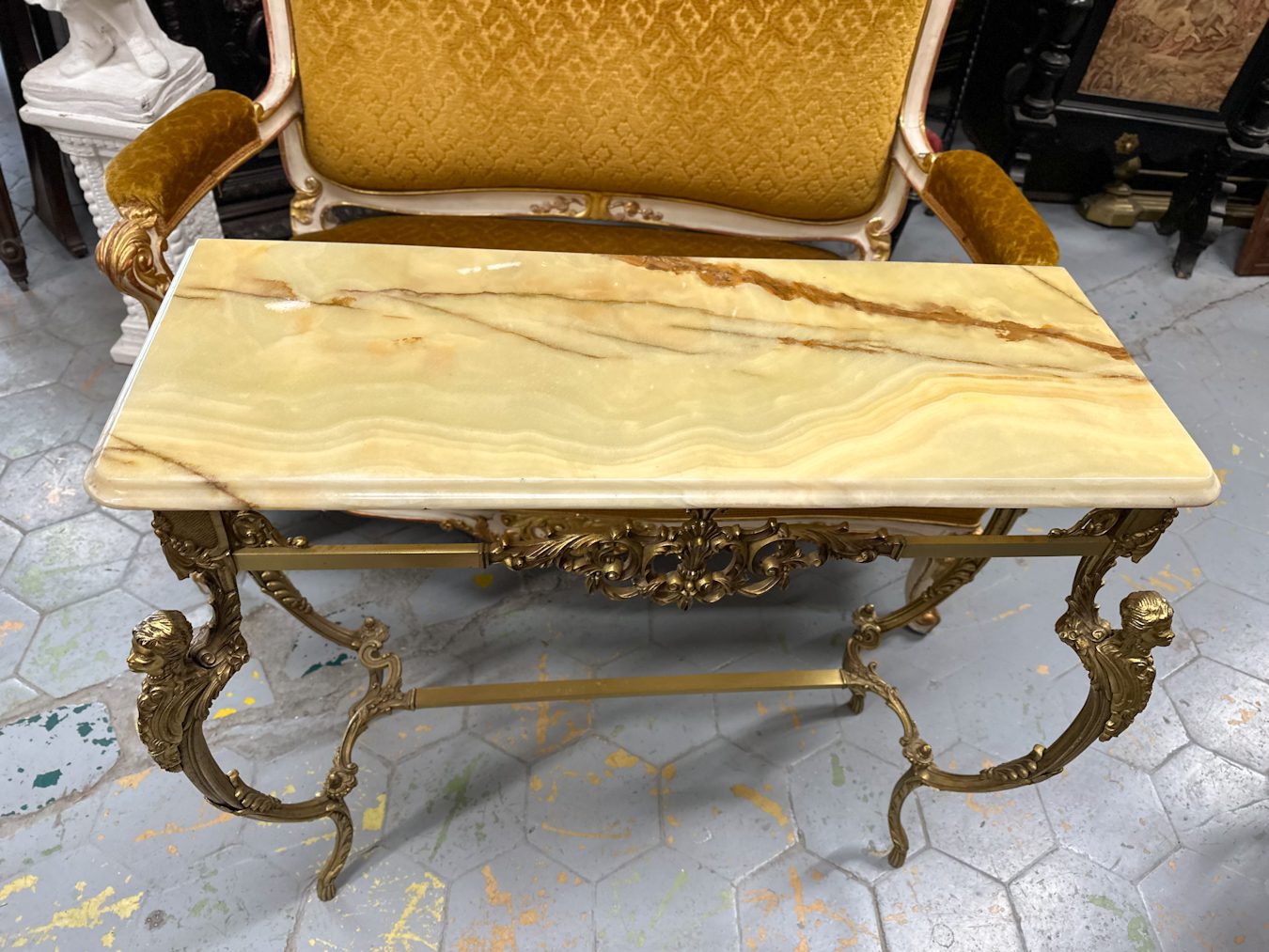
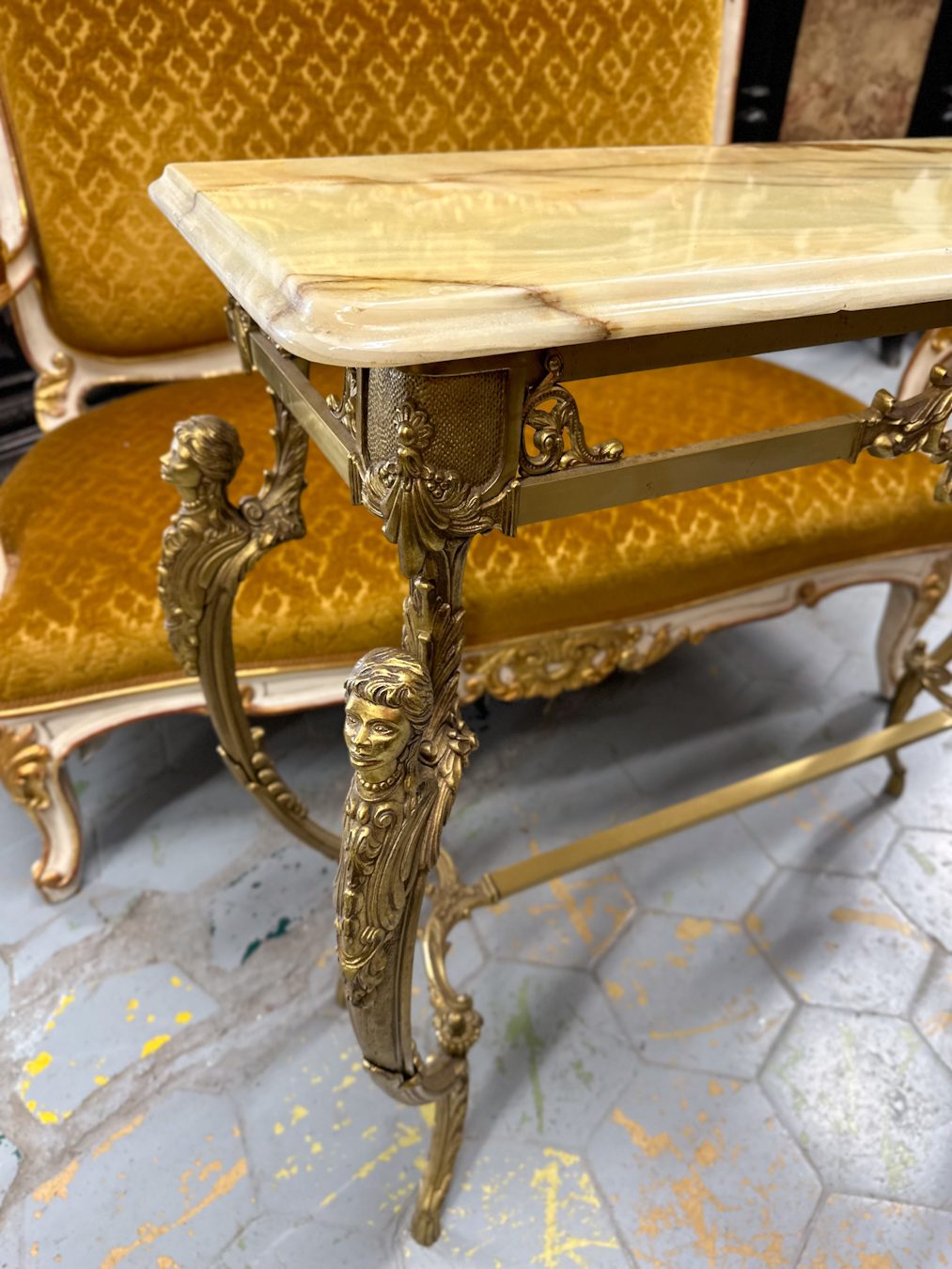
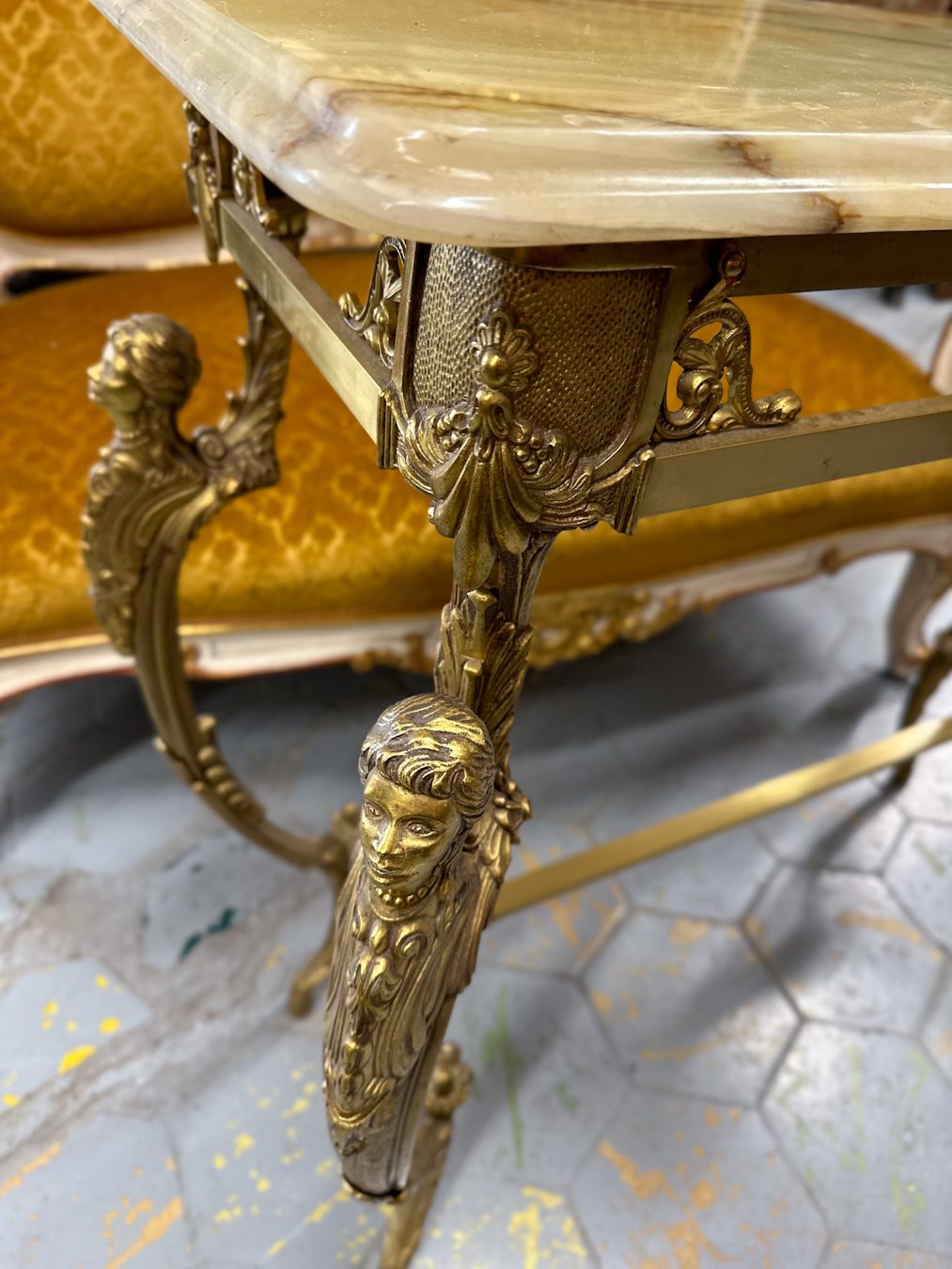
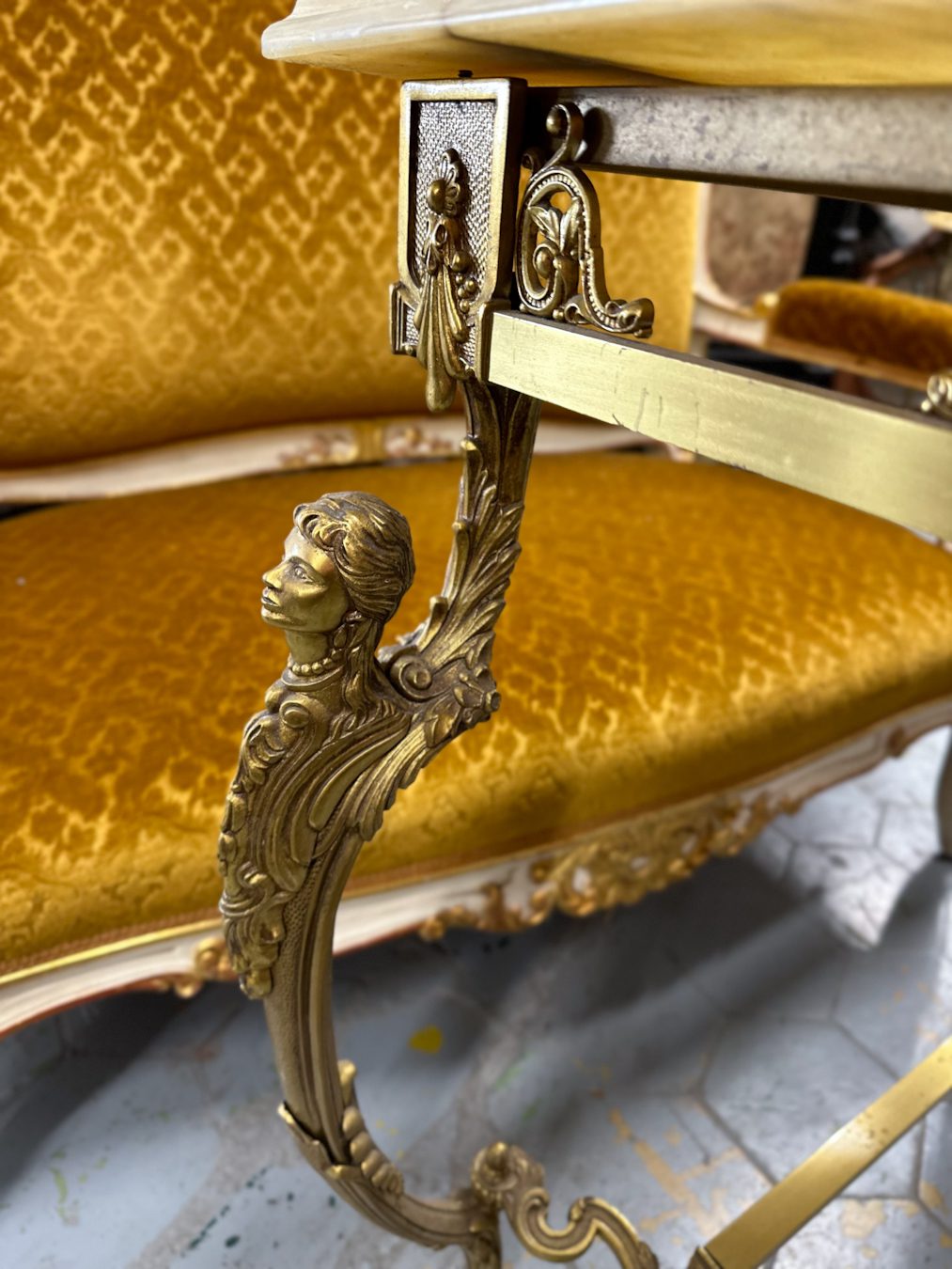
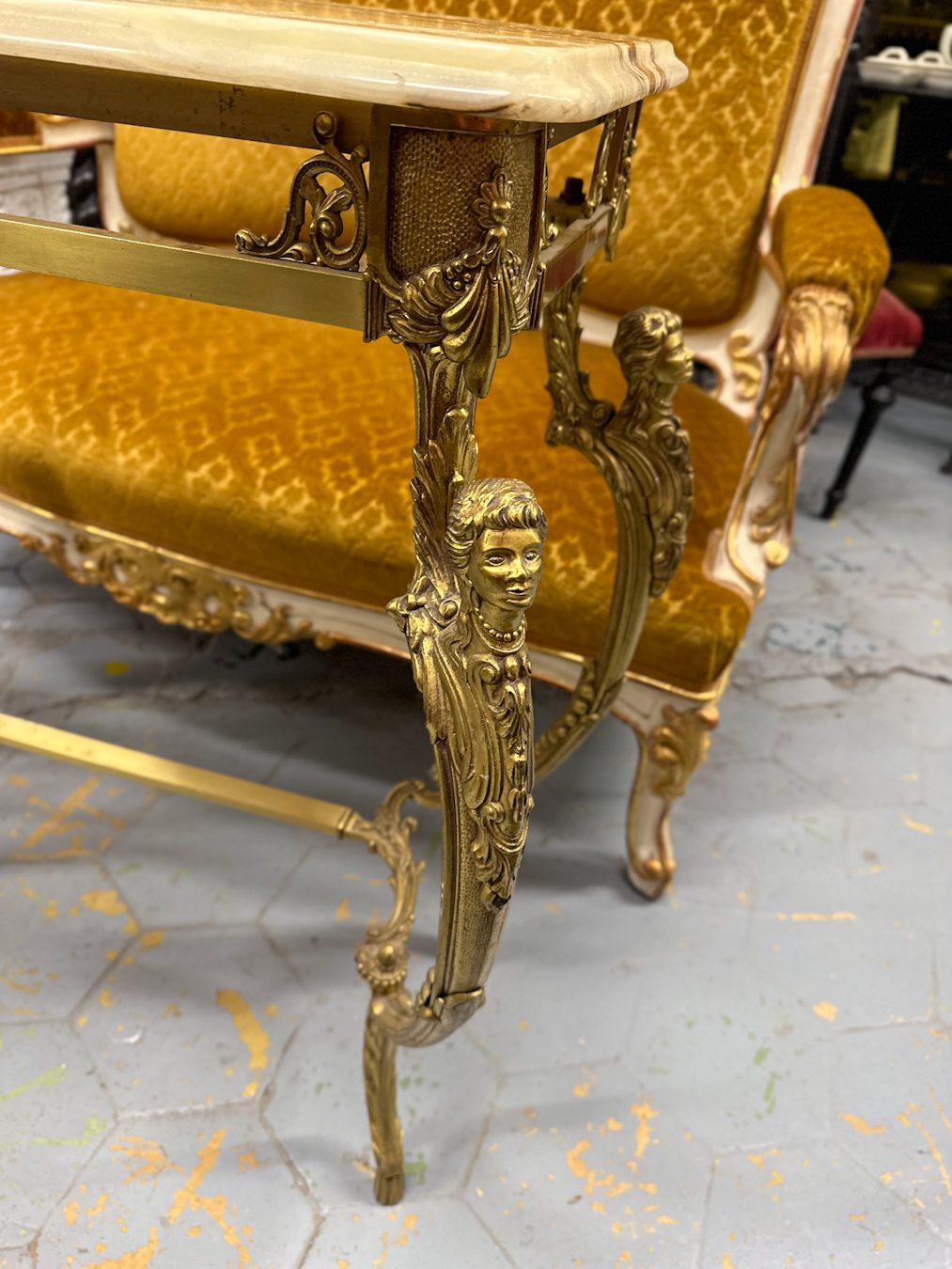
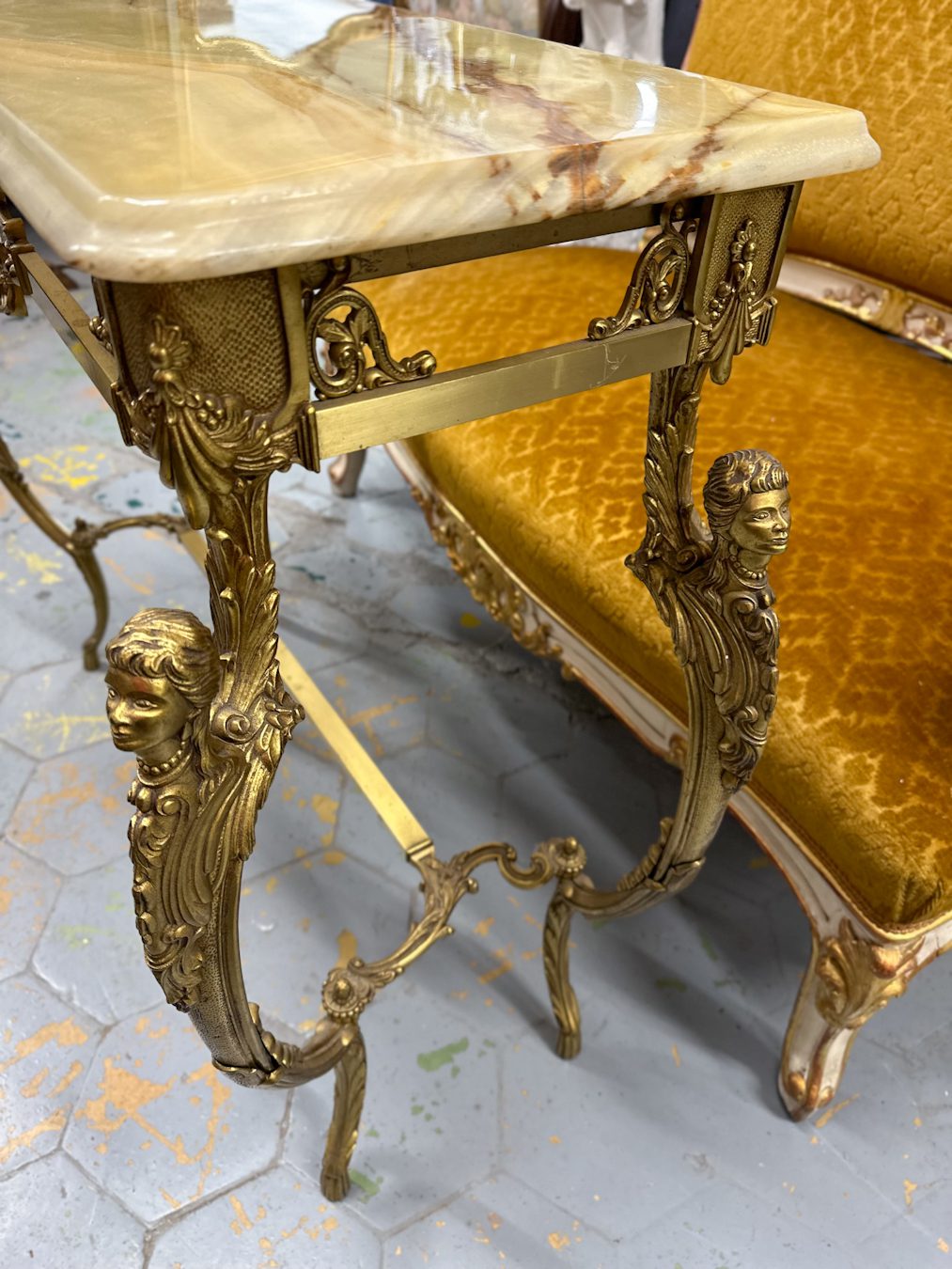
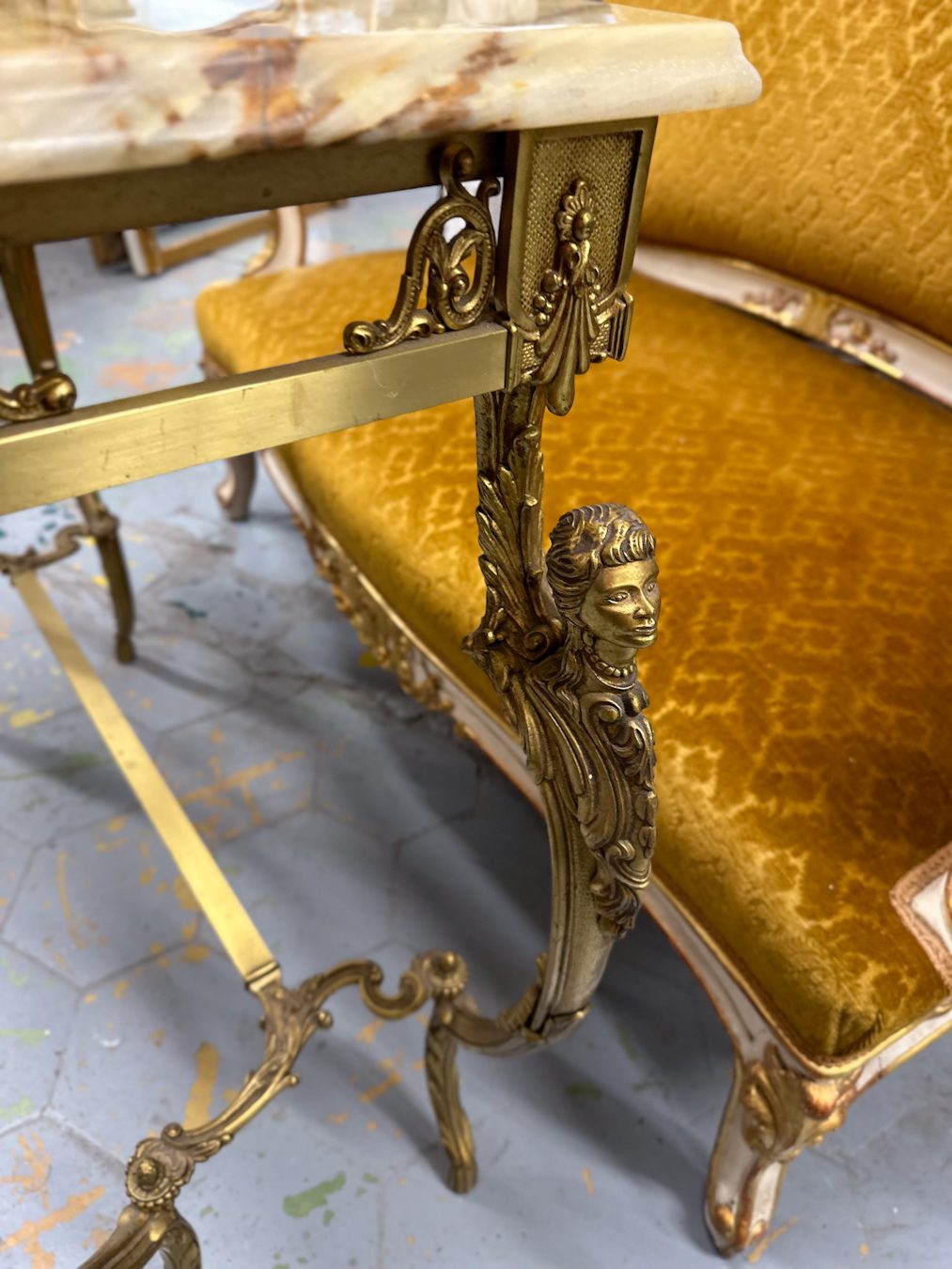
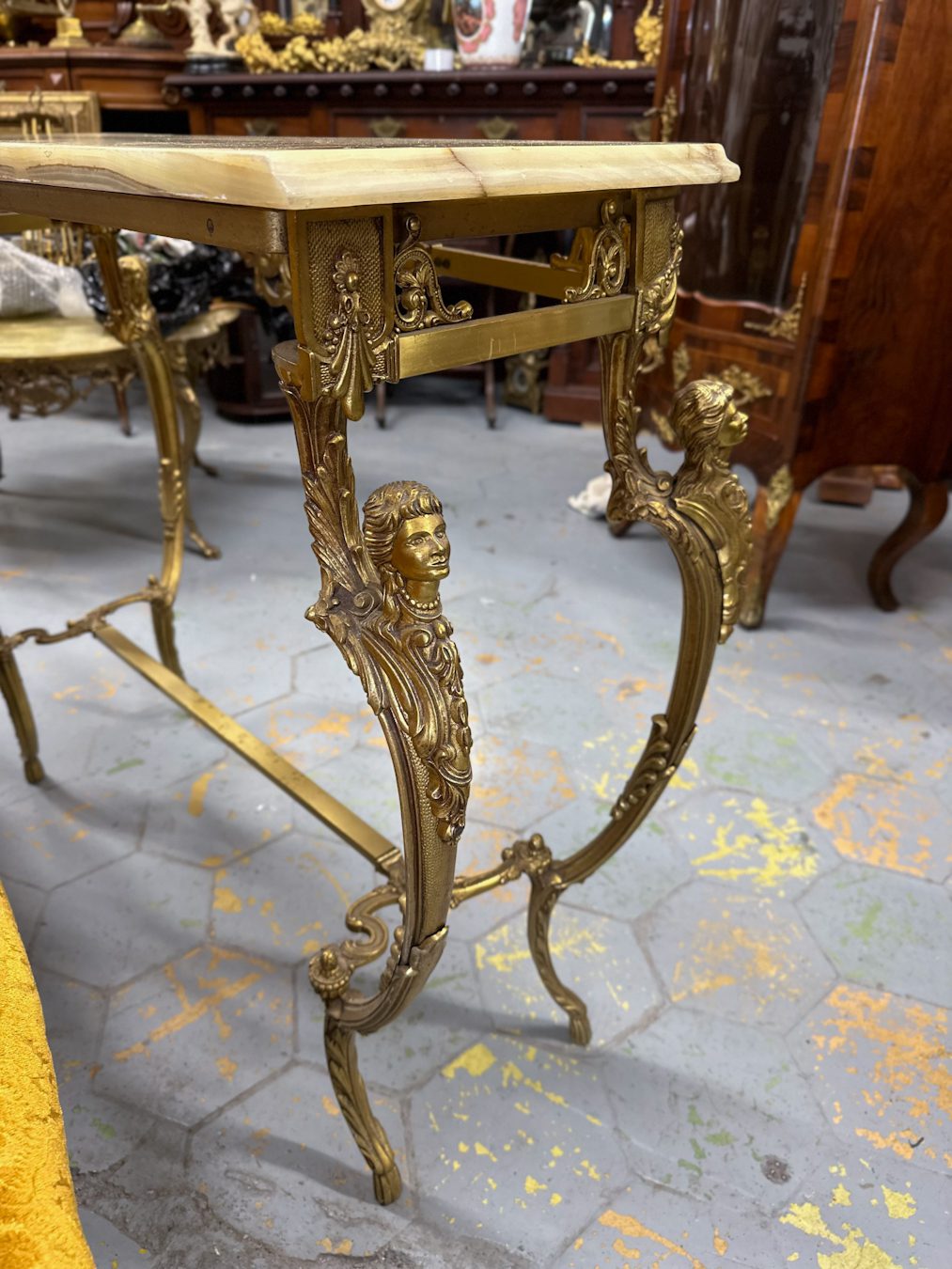
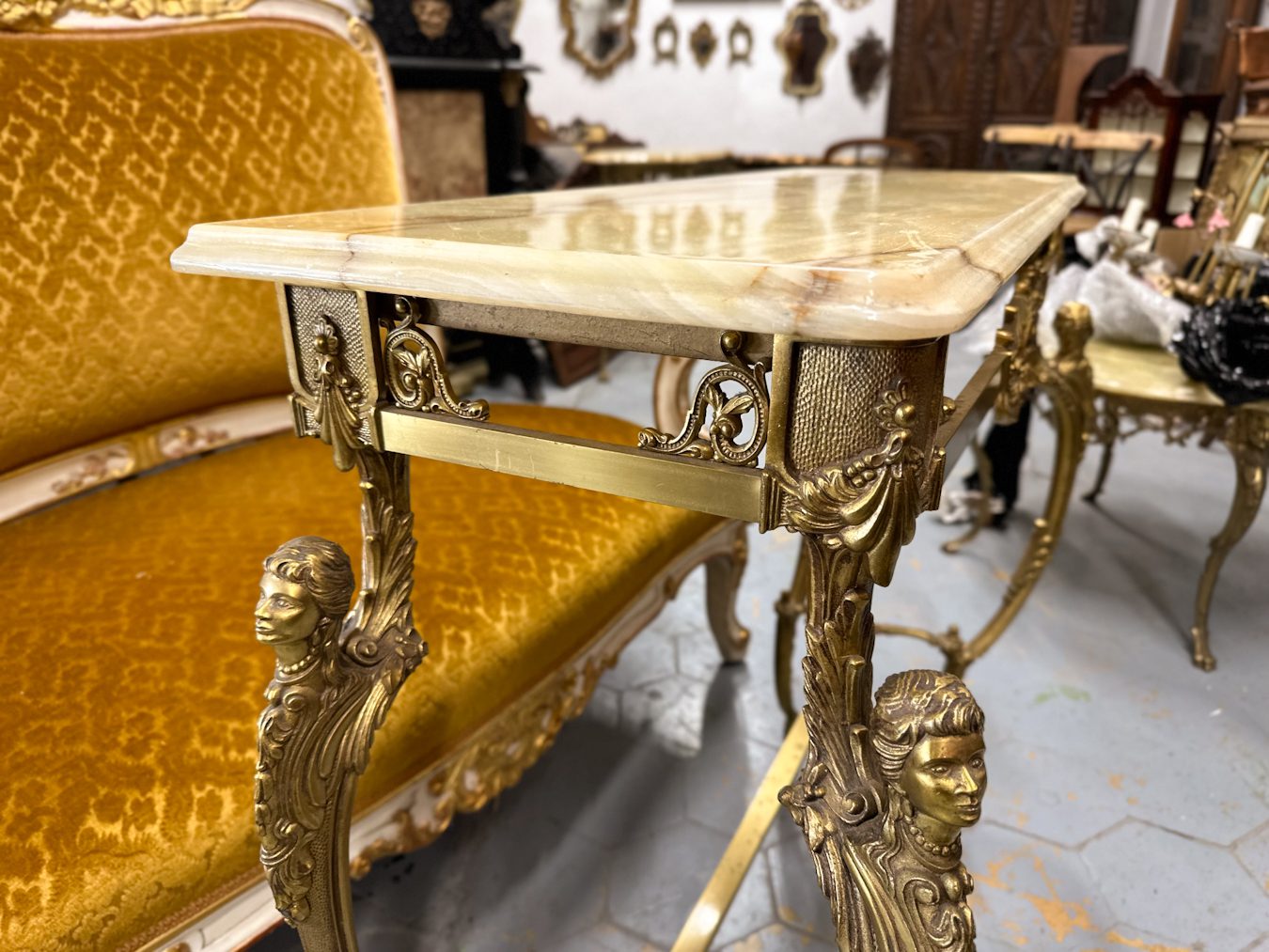
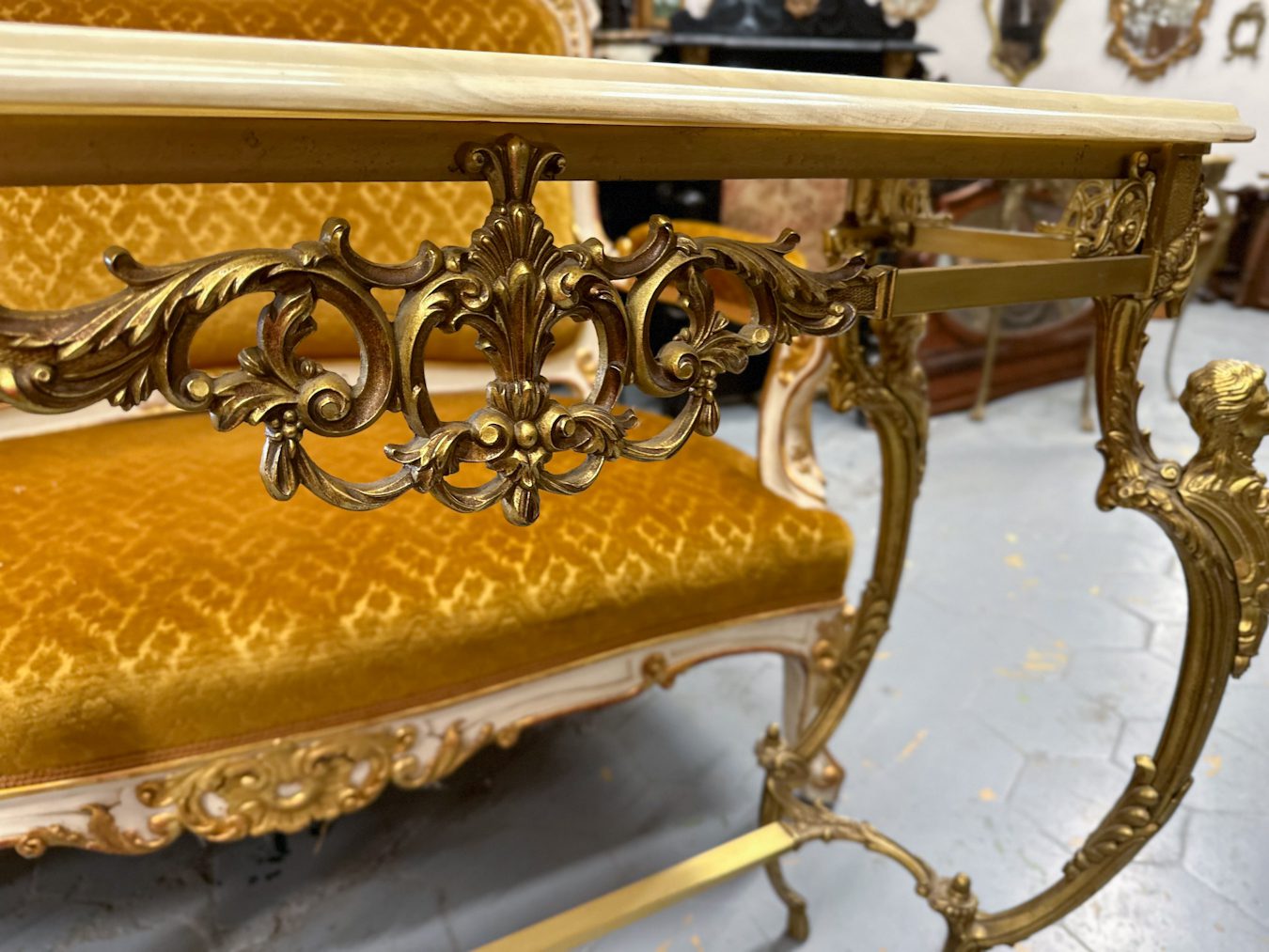
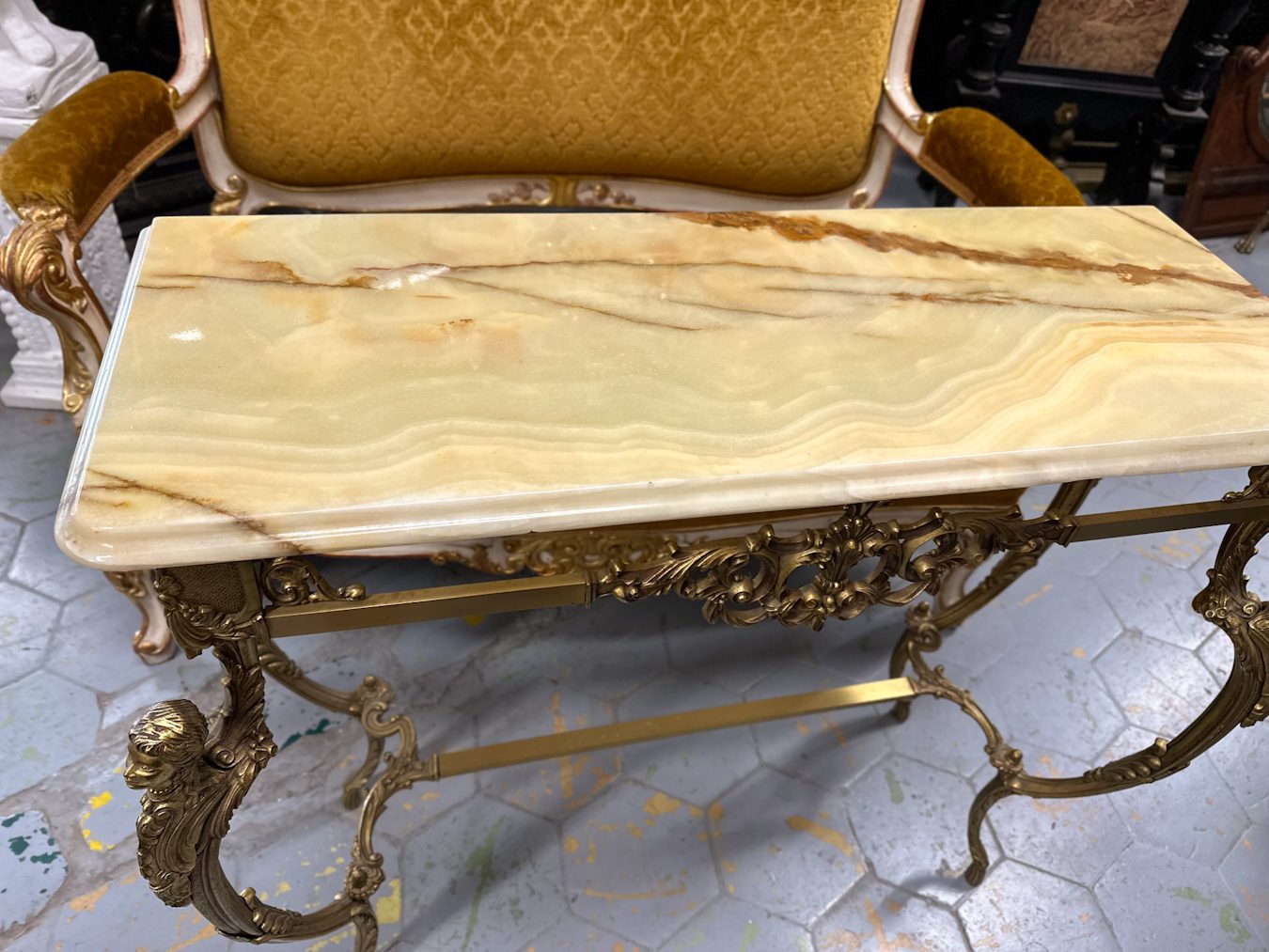
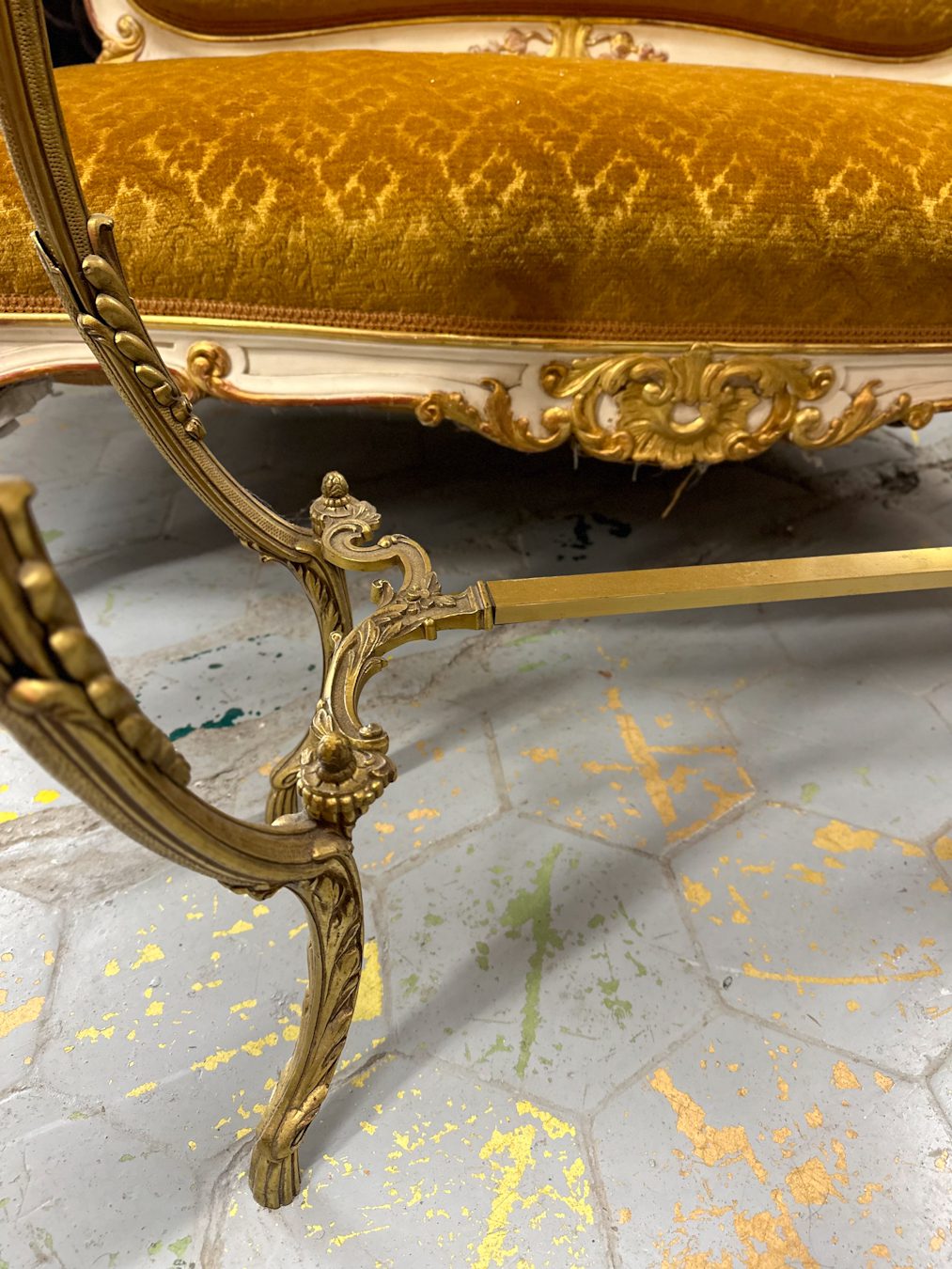
Pilnībā lieta bronzas konsole ar oniksa virsmu. Četras caryatide tipa sieviešu figūru kājas, ažūrs rocaille ornaments, cabriole kājas. Louis XV / Rococo Revival, Francija vai Beļģija, ap 1870.–1900. Augstums 84 cm × 93 cm × 34 cm.
📐 IZMĒRI Augstums 84 cm × garums 93 cm × dziļums 34 cm.
―――――――――――――――――――――
Bronzas Konsole ar Oniksa Virsmu un Kariatīdu Kājām — Louis XV / Rococo Revival stils, Francija vai Beļģija, ap 1870.–1900.
―――――――――――――――――――――
🏛️ IZGATAVOŠANAS PERIODS, MĀKSLAS STILS, LAIKMETS
Šī monumentālā bronzas konsole ar onyx virsmu ir viens no izsmalcinātākajiem Belle Époque laikmeta dekoratīvās bronzas lietišķās mākslas paraugiem. Belle Époque — periods no 1871. līdz 1914. gadam — bija tas laikmets, kad Francija un Beļģija sasniedza bronzas lietuves mākslas absolūto virsotni. Tieši šajos gados Parīzes un Briseles darbnīcas radīja priekšmetus, kas pēc plastiskās kvalitātes un detaļu precizitātes nav pārspēti vēl arvien.
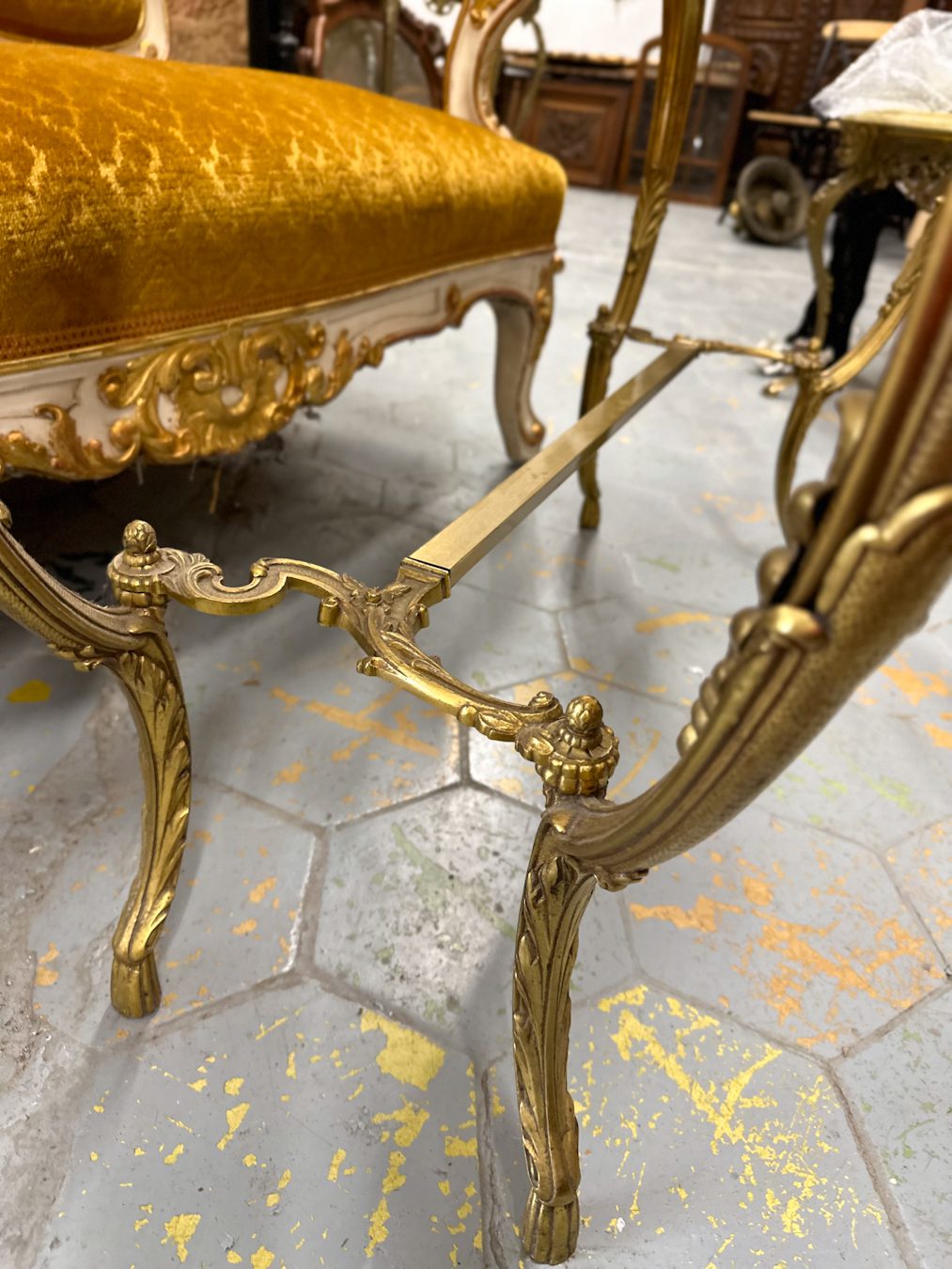
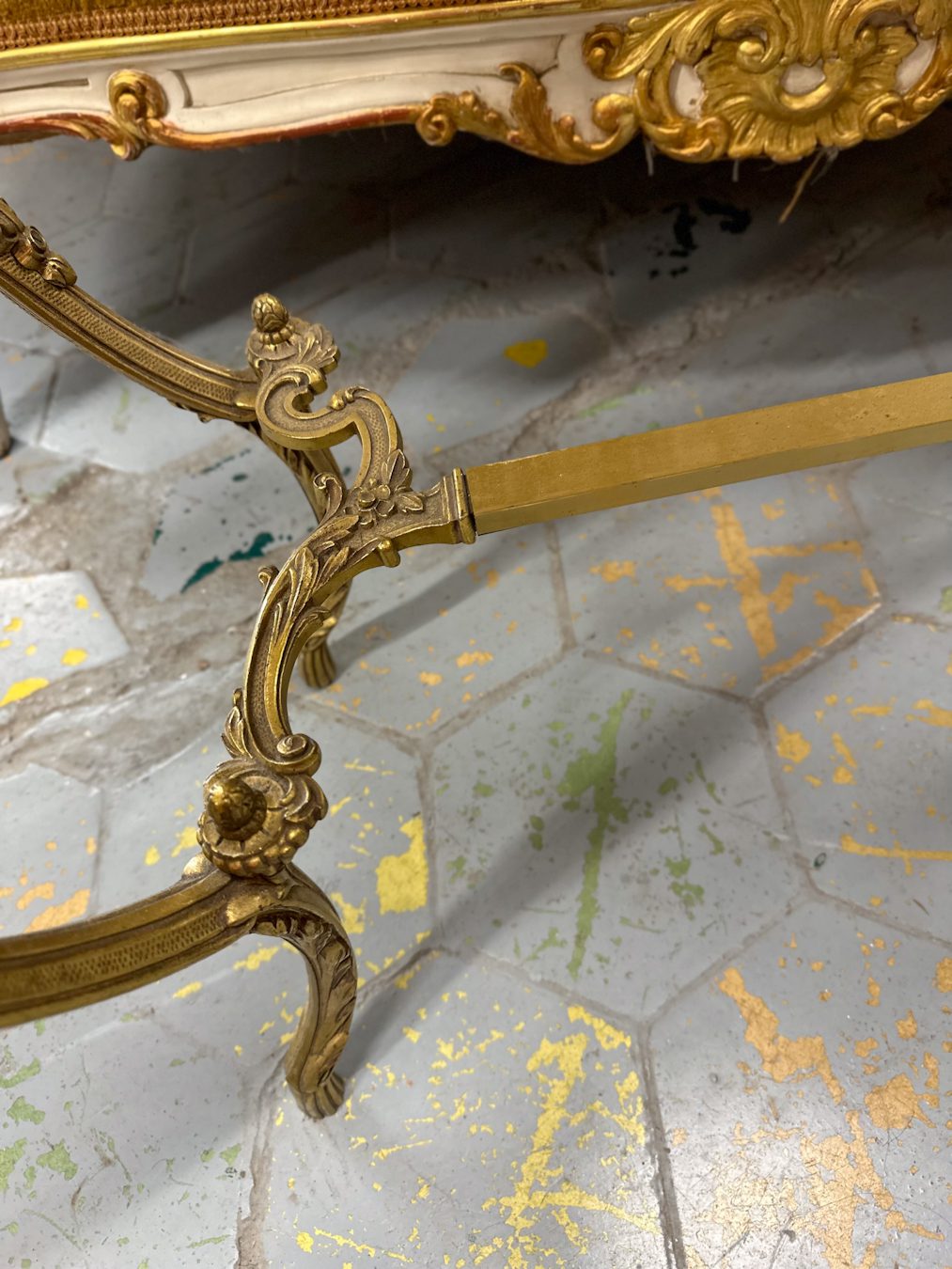
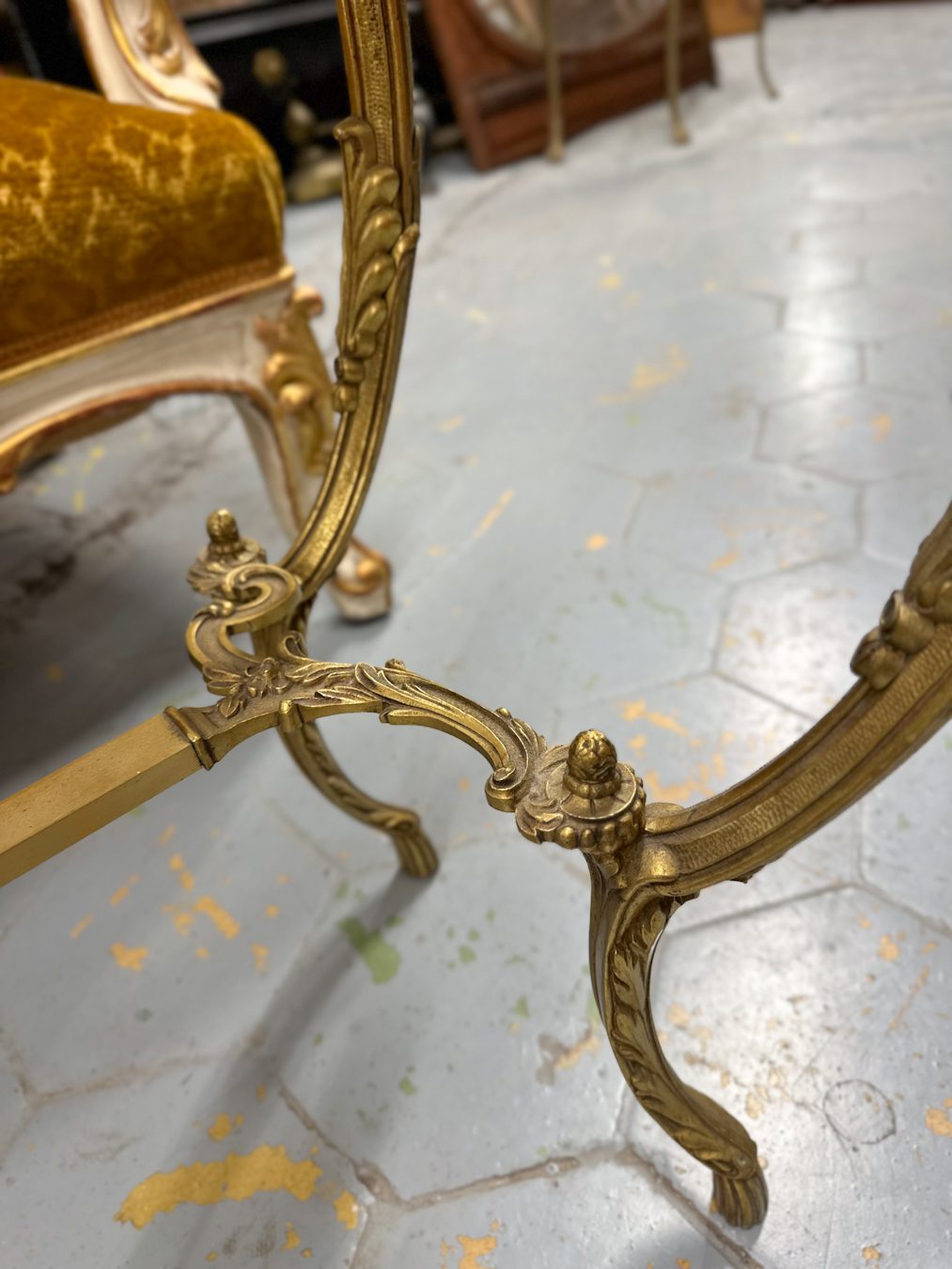
Stilistiski konsole pieder Louis XV Revival kustībai — tam auglīgajam Historicisma virzienam, kas 19. gadsimta otrajā pusē atdzīvināja 18. gadsimta Rococo formu valodu ar vēl lielāku greznību un tehnisku virtuozitāti. Četras caryatide tipa sieviešu figūras — hermès ar sieviešu seju un krūtīm, kas izaug no akantus lapu un rocaille ornamentiem — ir tīrs Neoklasicisma un Rococo dialogs vienā objektā. Centrālais ažūrais applique ar palmette un volūtu motīviem uz šķērssliegas, cabriole kājas ar izteiktu sabots noslēgumu un oniksa virsmas caurspīdīgā dzelteni zeltainā krāsa kopā veido ansambli, kura vizuālā ietekme ir salīdzināma ar izcilākajiem Parīzes salonu mēbeļu paraugiem.
✨ Belle Époque momentuzņēmums: 1878. gadā Parīzē notika Pasaules izstāde — Exposition Universelle — kurā bronzas lietuves no Francijas un Beļģijas pārsteidza pasauli ar savu virtuozitāti. Tieši šajā izstādē Gustāvs Eifelis prezentēja savus pirmos inženiertehnikas projektus, bet paralēli — dekoratīvās bronzas darbnīcas demonstrēja priekšmetus, kas pēc plastiskās izsmalcinātības nebija zemāki par galma mākslu. Šāda konsole tajā laikā nebūtu bijusi retums Parīzes grand salon — tā būtu bijusi tā paša standarta apliecinājums.
―――――――――――――――――――――
⚜️ RAŽOTĀJS UN MANUFAKTŪRAS ZĪMOGS
Uz priekšmeta nav identificēts konkrēts ražotāja zīmogs. Tomēr liešanas kvalitāte — īpaši caryatide figūru seju plastika, ažūrā šķērssliegas ornamentika un cabriole kāju profila precizitāte — liecina par augstākā līmeņa Francijas vai Beļģijas bronzas lietuves roku. Belle Époque periodā šādus priekšmetus ražoja tādi meistari kā Ferdinand Barbedienne, Henry Cahieux un Eugène Cornu Parīzē, kā arī vairākas izcilās Beļģijas lietuves, kas apgādāja aristokrātiskos un haute bourgeoisie salonus visā Eiropā. Stilistiskā piederība un izpildes līmenis ļauj klasificēt šo priekšmetu kā manière française augstākajā kategorijā.
―――――――――――――――――――――
💎 RETUMS UN NOZĪME
Pilnībā lietas bronzas konsoļgaldiņi ar caryatide kājām un oniksa virsmu ir ārkārtīgi reti antikvāru tirgū — lielākā daļa saglabājusies tikai ar marmora virsmām vai ar bojātām figūru kājām. Šis eksemplārs izceļas ar četru sieviešu figūru integritāti, oniksa virsmas nevainojamo saglabāšanos un bronzas patinas vienādību. Caryatide kāju motīvs bronzā ir augstākās mākslinieciskās kategorijas pazīme — tas liecina par pasūtītāja augstu gaumi un ražotāja izcilu meistarību. Šādi priekšmeti regulāri parādās Christie’s, Sotheby’s un Drouot izsolēs kolekciju kategorijā.
―――――――――――――――――――――
🕯️ PIELIETOJUMS INTERJERĀ, DIZAINĀ UN FOTOGRĀFIJĀ
Šī konsole ir interjera paziņojums, nevis tikai mēbeļu gabals. Tās zeltainā bronza un oniksa virsmas caurspīdīgā dzeltenzeltainā mirdzums rada vizuālu efektu, kas ir salīdzināms ar gaismas avotu — it īpaši pie atbilstošas apgaismojuma. Ideāli piemērota kā centrālais akcents hallē, viesistabā vai galerijas telpā. Interjera dizaineri to izmanto Louis XV, Napoleon III, Second Empire vai ekstrēma maximalism tematikā veidotās telpās kā galveno fokusa punktu. Fotogrāfiem un stilistiem tā ir nepārspējama — caryatide figūras un oniksa virsma uzņem gaismu tā, ka detaļu fotogrāfijās tā izskatās kā mākslas darbs pati par sevi.
―――――――――――――――――――――
🎁 DĀVANA UN PERSONALIZĀCIJA
Bronzas konsole ar oniksa virsmu un sieviešu caryatide figūrām ir reprezentatīva dāvana augstākajā diplomātiskajā un korporatīvajā līmenī. Priekšmets runā par gaumi, kultūru un vērtību izpratni — tā ir dāvana, ko pasniedz galvas valstīm, vēstniekiem, iestāžu vadītājiem vai kolekcijas nozīmīgiem papildinājumiem. Sieviešu figūras motīvs padara to arī par izcilu dāvanu sievietei, kas novērtē mākslas vēsturi un klasisko estētiku.
―――――――――――――――――――――
🔍 STĀVOKLIS
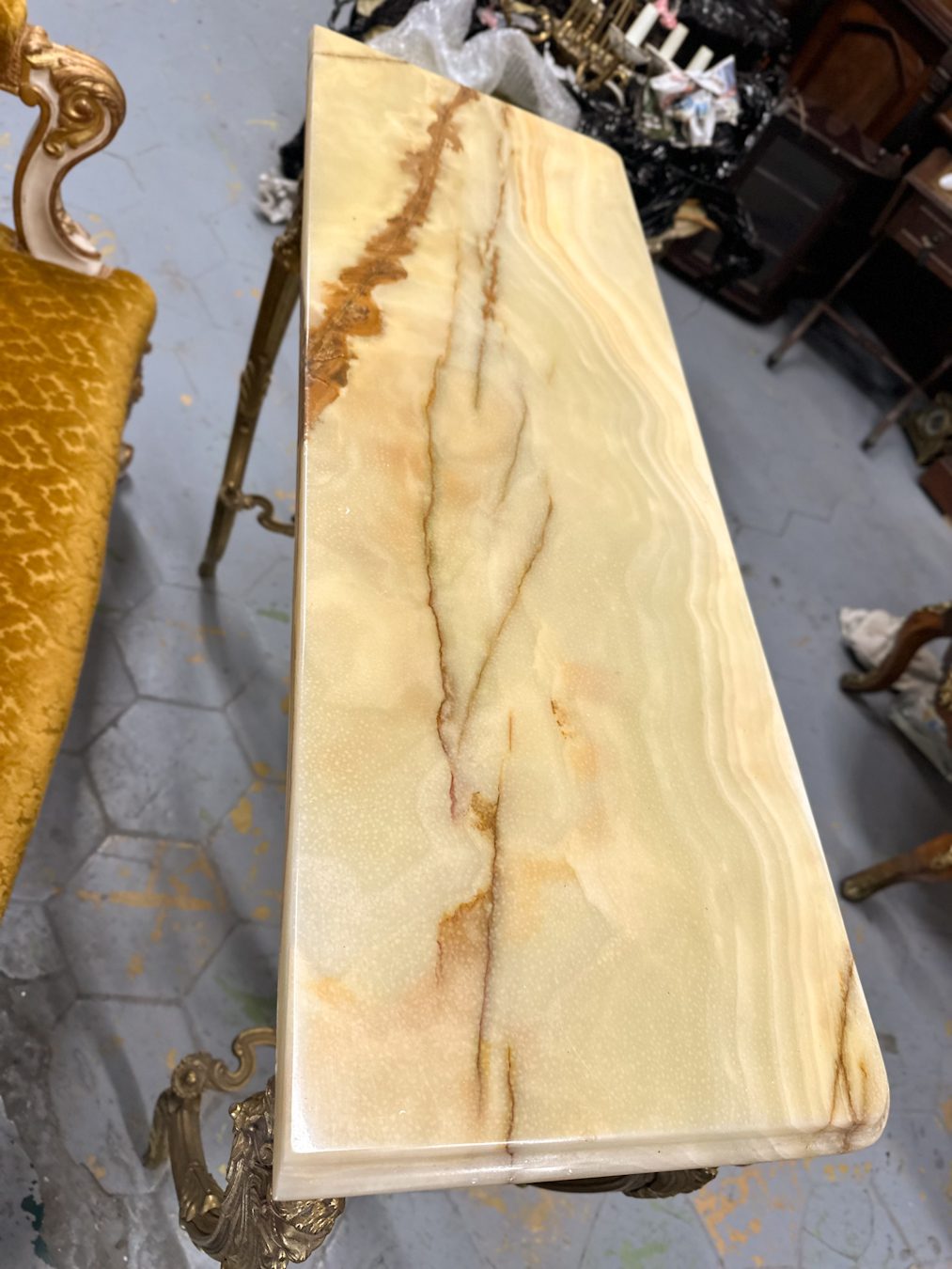
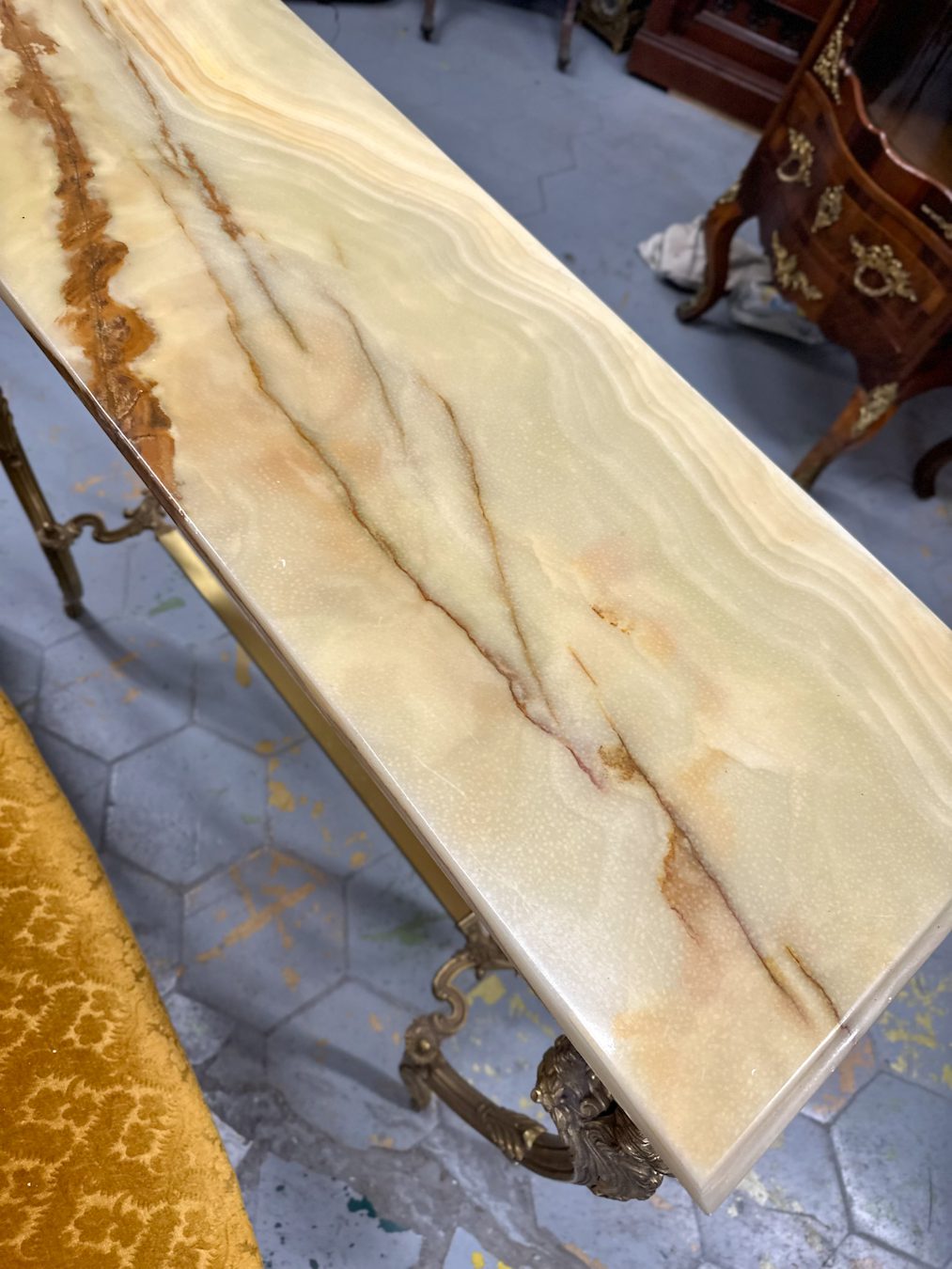
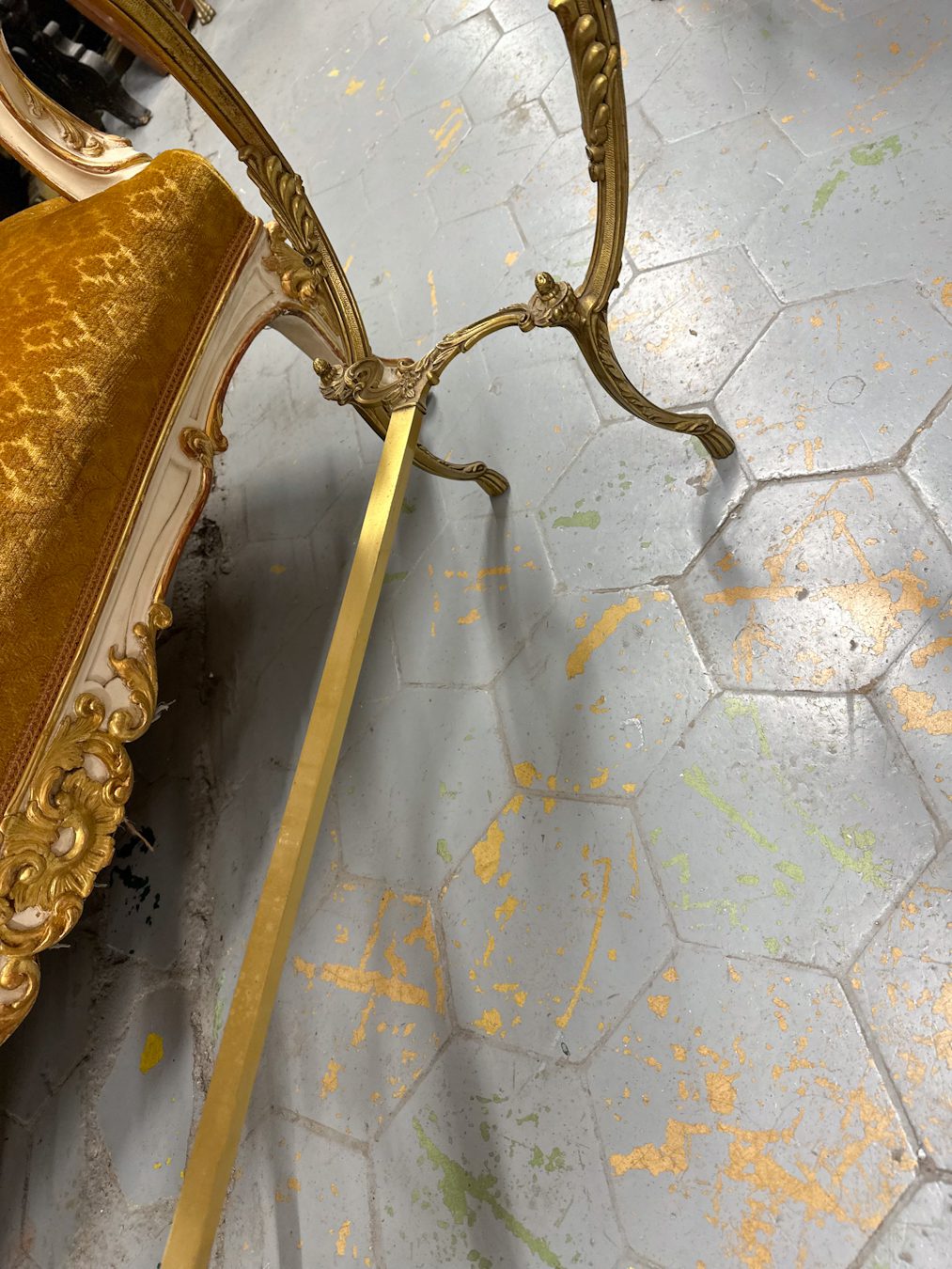
Konsole ir izcilā stāvoklī. Bronzas rāmis — četras caryatide kājas, šķērssliega ar ažūro ornamentu un visi appliques — ir veseli, bez trūkstošiem elementiem. Bronzas patina ir vienmērīga un dabiska, bez mehāniskiem bojājumiem. Oniksa virsma ir vesela — bez saplaisājumiem vai šķembām. Priekšmets saglabājies ārkārtīgi labi, ņemot vērā tā vecumu un materiāla jutīgumu.
Lietas stāvoklis pilnībā atspoguļots fotogrāfijās.
―――――――――――――――――――――
🇬🇧 DESCRIPTION IN ENGLISH
📐 Dimensions: Height 84 cm × Length 93 cm × Depth 34 cm.
―――――――――――――――――――――
Bronze Console Table with Onyx Top and Caryatid Legs — Louis XV / Rococo Revival Style, France or Belgium, c. 1870–1900.
―――――――――――――――――――――
🏛️ PERIOD, ARTISTIC STYLE, ERA
This monumental all-bronze console table with onyx top is one of the most refined examples of Belle Époque decorative bronze art to be encountered on the antique market. The Belle Époque — that luminous period from 1871 to 1914 — was the era in which France and Belgium reached the absolute pinnacle of the bronzemaker’s art. It was in precisely these decades that the workshops of Paris and Brussels produced objects whose plastic quality and precision of detail have never since been surpassed.
Stylistically, the console belongs to the Louis XV Revival movement — that fertile current of Historicism which, in the second half of the 19th century, reanimated the formal vocabulary of 18th-century Rococo with even greater opulence and technical virtuosity. The four caryatid-type female figures — hermès with female faces and busts emerging from acanthus leaves and rocaille ornaments — represent a pure dialogue between Neoclassicism and Rococo in a single object. The central openwork applique with palmette and volute motifs on the stretcher, the cabriole legs with their pronounced sabots, and the translucent golden-amber onyx top together form an ensemble whose visual impact is comparable to the finest salon furniture of Paris at its most splendid.
✨ Belle Époque snapshot: In 1878, Paris staged the Exposition Universelle — the World Exhibition — at which bronze foundries from France and Belgium astonished the world with their virtuosity. It was at this very exhibition that Gustave Eiffel presented his first engineering projects, while alongside him, decorative bronze workshops displayed objects whose plastic refinement was equal to the finest court art. A console such as this would not have been out of place in a Parisian grand salon of that era — it would have been simply the expected standard.
―――――――――――――――――――――
⚜️ MAKER AND MARK
No specific maker’s mark has been identified on this piece. However, the quality of the casting — particularly the sculptural presence of the caryatid faces, the openwork ornament of the stretcher, and the precision of the cabriole leg profiles — points clearly to a foundry of the highest calibre in France or Belgium. During the Belle Époque, such pieces were produced by masters including Ferdinand Barbedienne, Henry Cahieux, and Eugène Cornu in Paris, as well as by several distinguished Belgian foundries that supplied aristocratic and haute bourgeoisie salons throughout Europe. By stylistic affiliation and casting quality, this piece may be classified in the highest tier of manière française decorative bronze.
―――――――――――――――――――――
💎 RARITY AND SIGNIFICANCE
All-bronze console tables with caryatid legs and onyx tops are exceptionally rare on the antique market — the great majority of surviving examples have marble tops or damaged figural legs. This piece stands out for the integrity of all four female figures, the flawless preservation of the onyx surface, and the evenness of the bronze patina throughout. The caryatid leg motif in cast bronze is the hallmark of the highest artistic category — it speaks to the refined taste of the original commissioner and the exceptional skill of the maker. Objects of this character regularly appear at Christie’s, Sotheby’s and Drouot in the collector category.
―――――――――――――――――――――
🕯️ USE IN INTERIORS, DESIGN AND PHOTOGRAPHY
This console is an interior statement, not merely a piece of furniture. Its golden bronze and the translucent amber luminosity of the onyx top create a visual effect comparable to a light source — particularly under appropriate illumination. Ideally suited as the central accent in a hallway, drawing room or gallery space. Interior designers deploy pieces of this character in Louis XV, Napoleon III, Second Empire or extreme maximalist interiors as the primary focal point. For photographers and stylists, it is without equal — the caryatid figures and the onyx surface receive light in such a way that detail photographs read as works of art in their own right.
―――――――――――――――――――――
🎁 AS A GIFT
A bronze console with an onyx top and female caryatid figures is a gift at the highest diplomatic and corporate level. It speaks of taste, culture, and an understanding of value — the kind of object presented to heads of state, ambassadors, institutional leaders, or as a significant addition to a serious collection. The female figural motif also makes it an extraordinary gift for a woman of culture who appreciates art history and classical aesthetics.
―――――――――――――――――――――
🔍 CONDITION
The console is in outstanding condition. The bronze frame — all four caryatid legs, the stretcher with its openwork ornament, and all appliques — is complete and intact, with no missing elements. The bronze patina is even and natural throughout, with no mechanical damage. The onyx top is perfect — no cracks or chips. The piece has been preserved to a quite exceptional standard given its age and the inherent sensitivity of the materials.
Condition is fully reflected in the photographs.
―――――――――――――――――――――