
Rokoko Konsole smalkiem kokgriezumiem — Neorokoko, Eiropa, 19.gs. (2405)
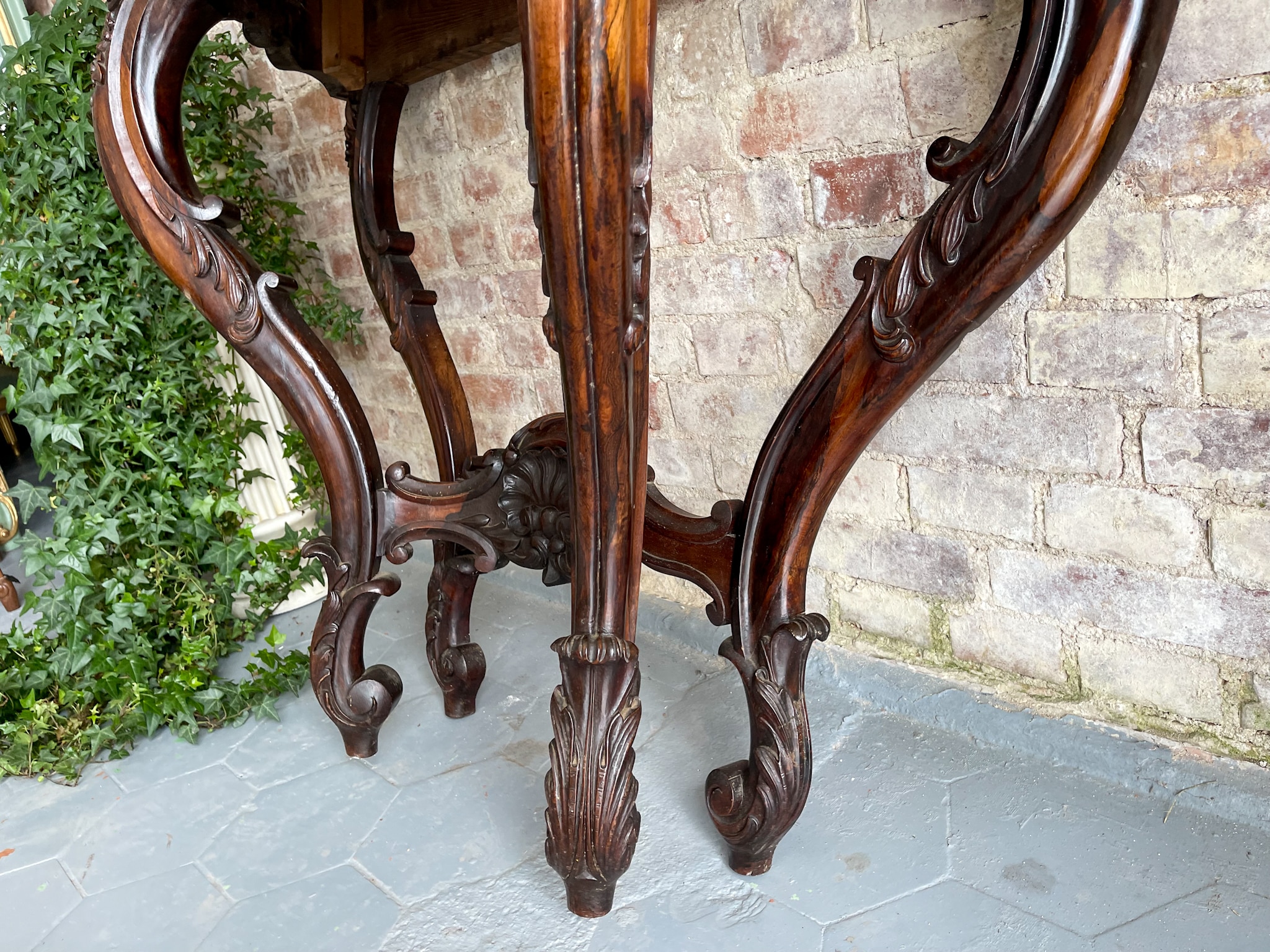
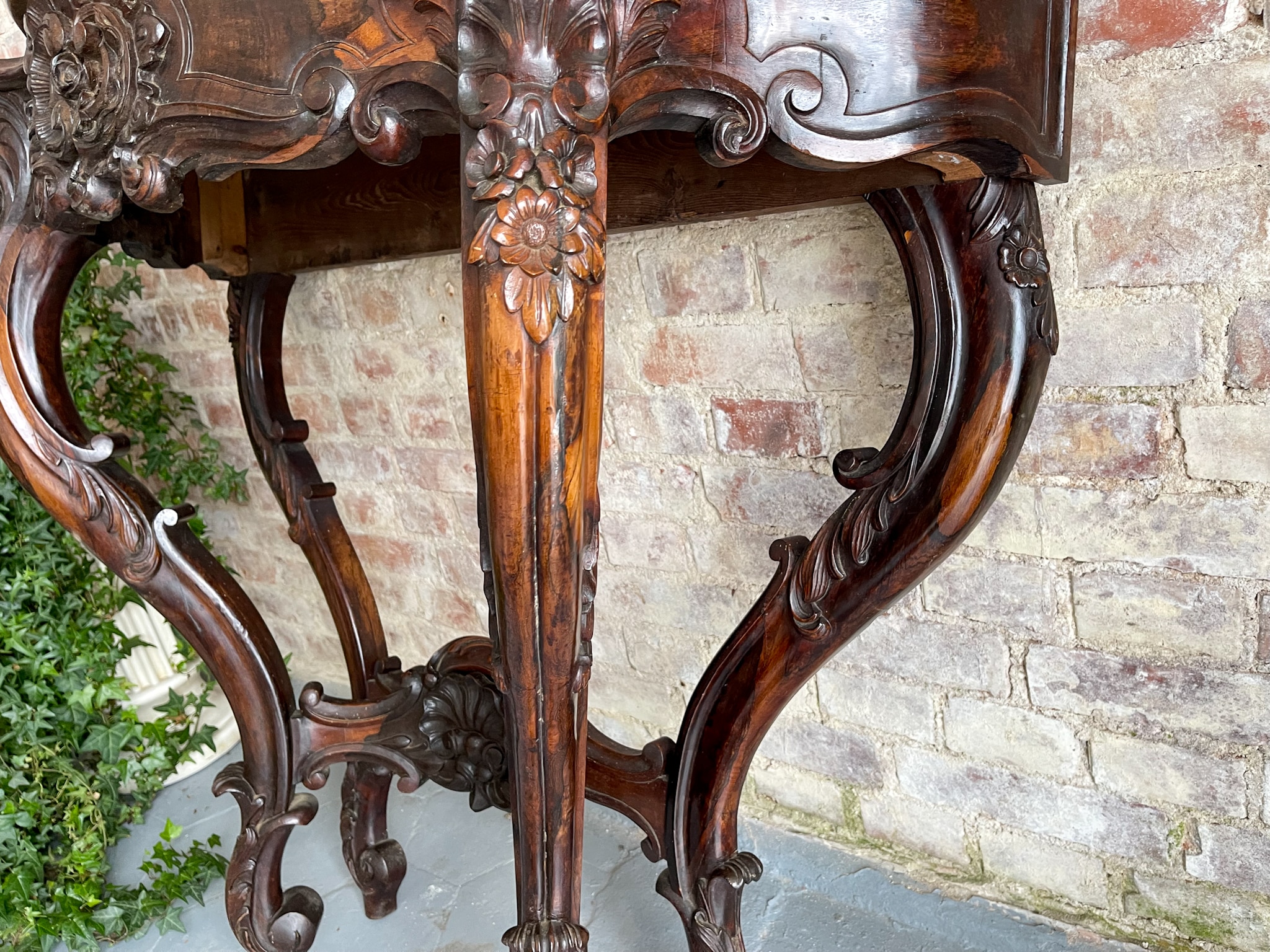
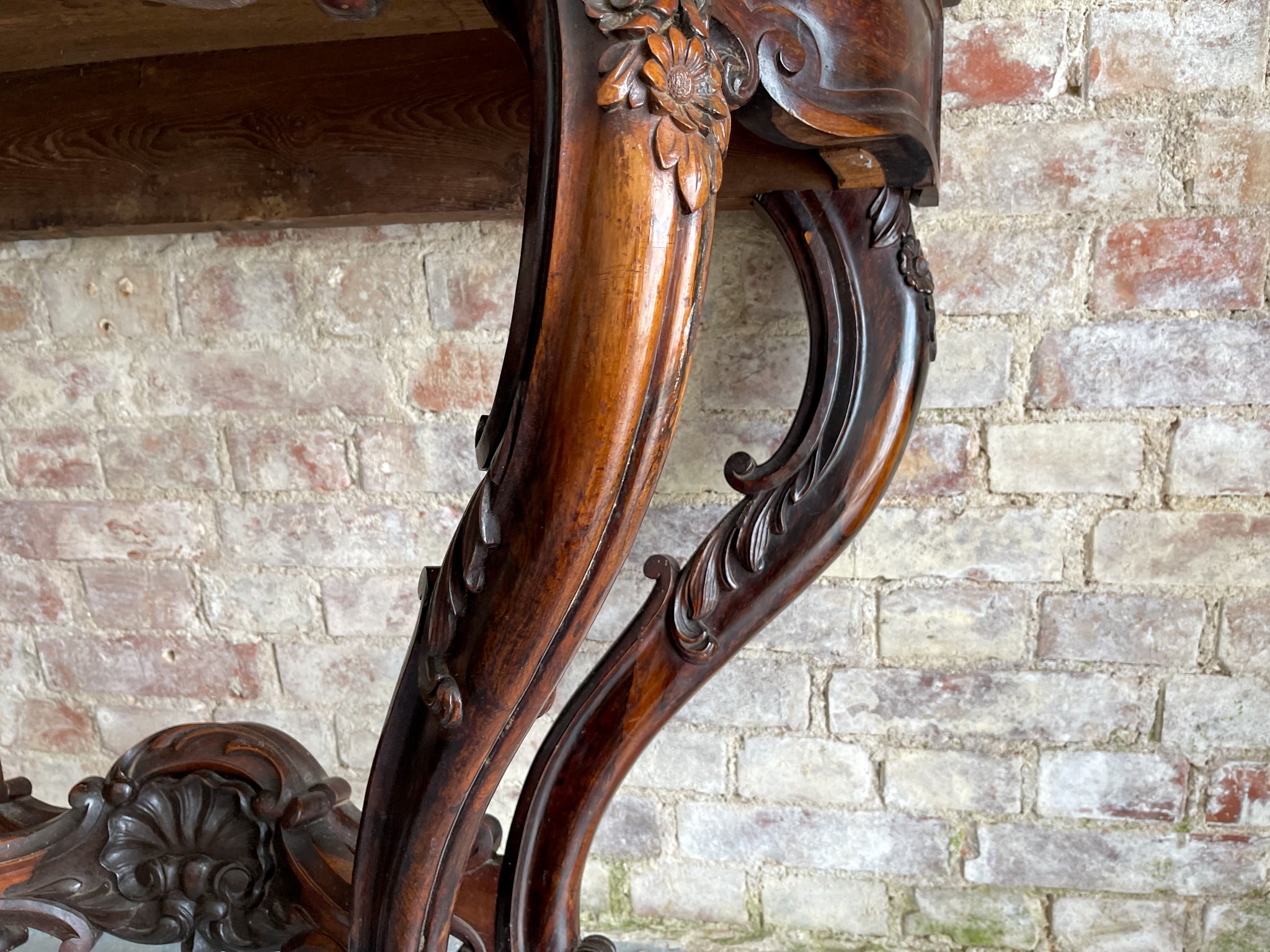
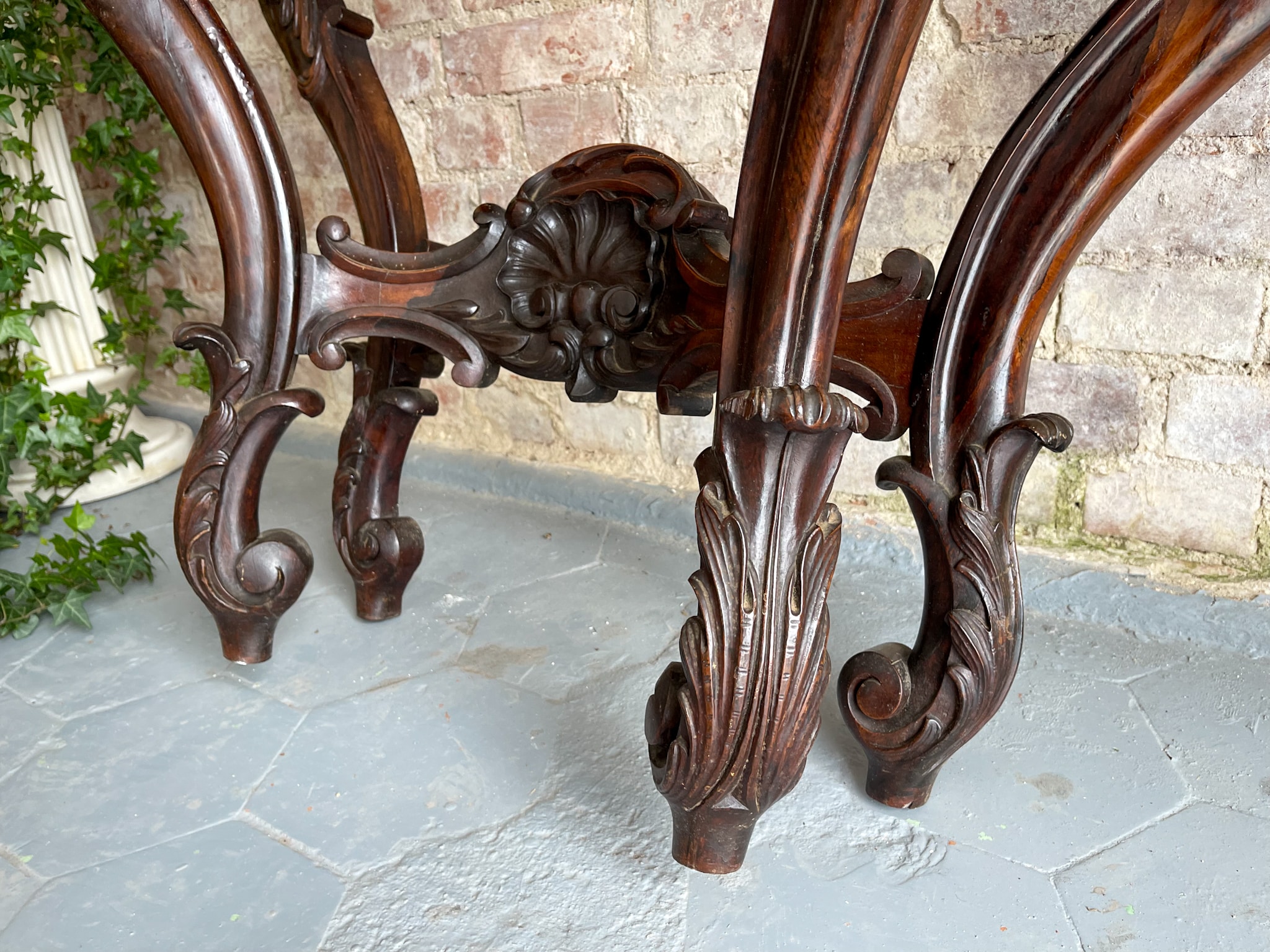
Rokoko Konsole smalkiem kokgriezumiem — Neorokoko, Eiropa, 19.gs. (2405)
€1,250.00
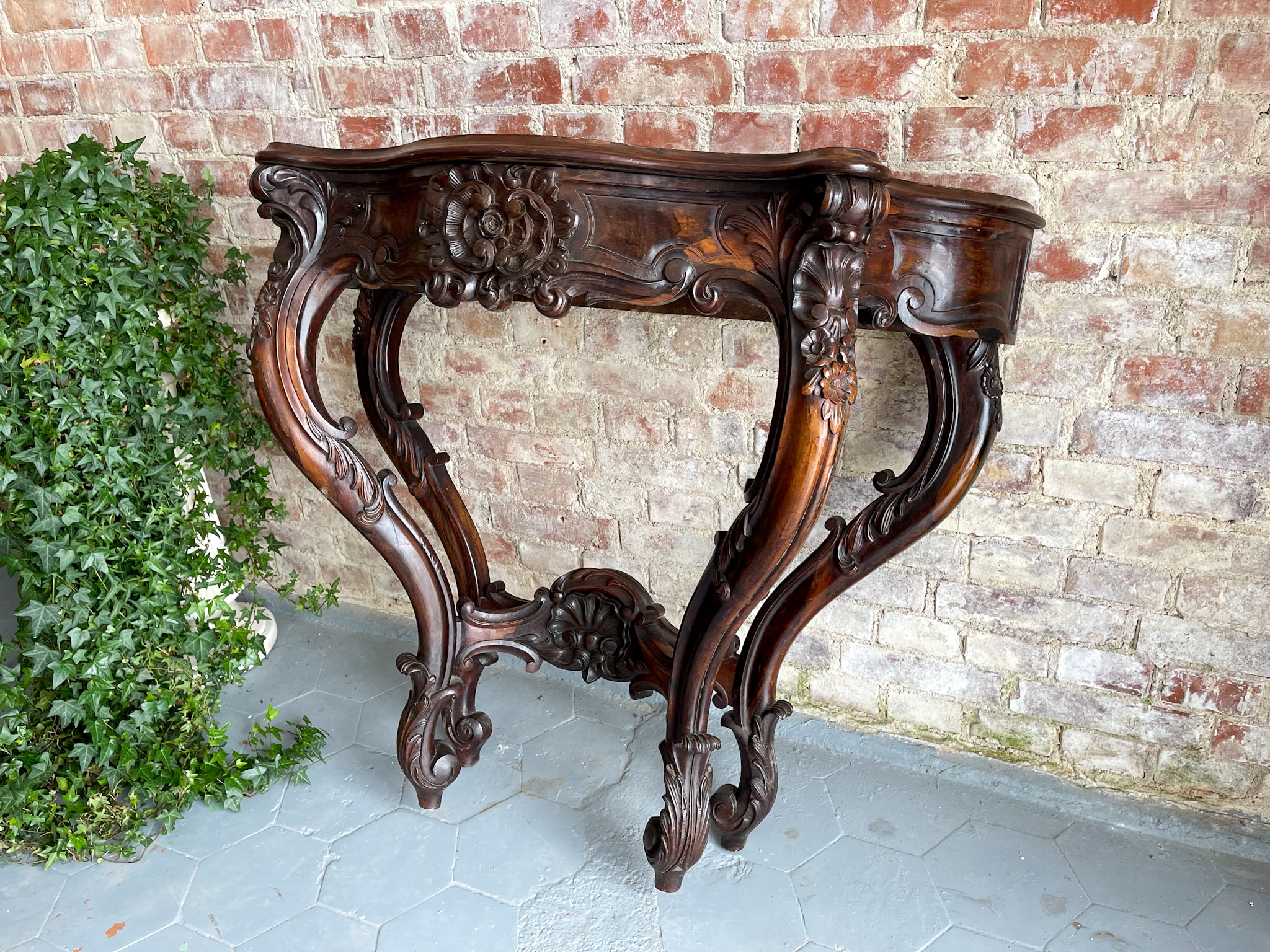
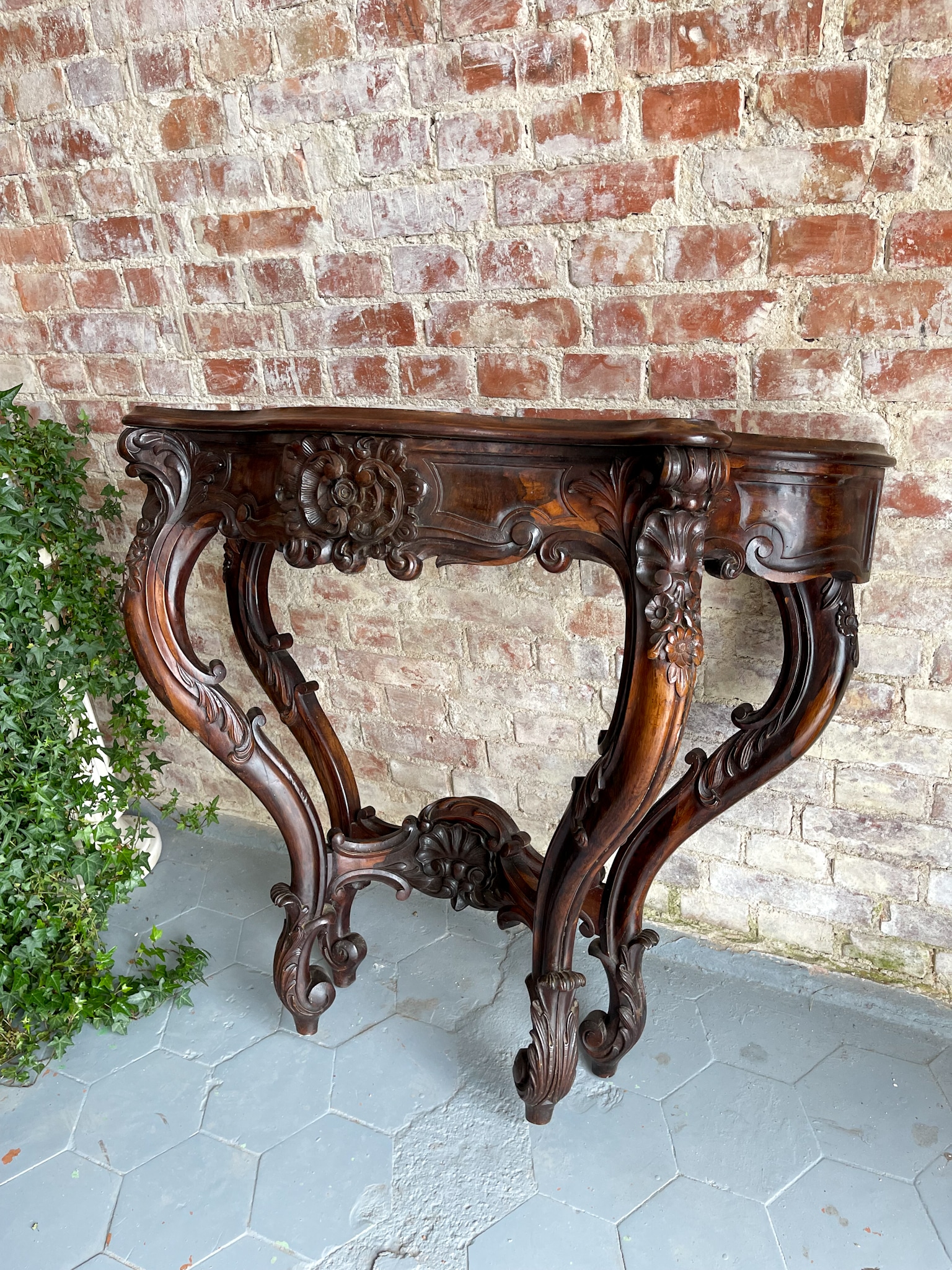
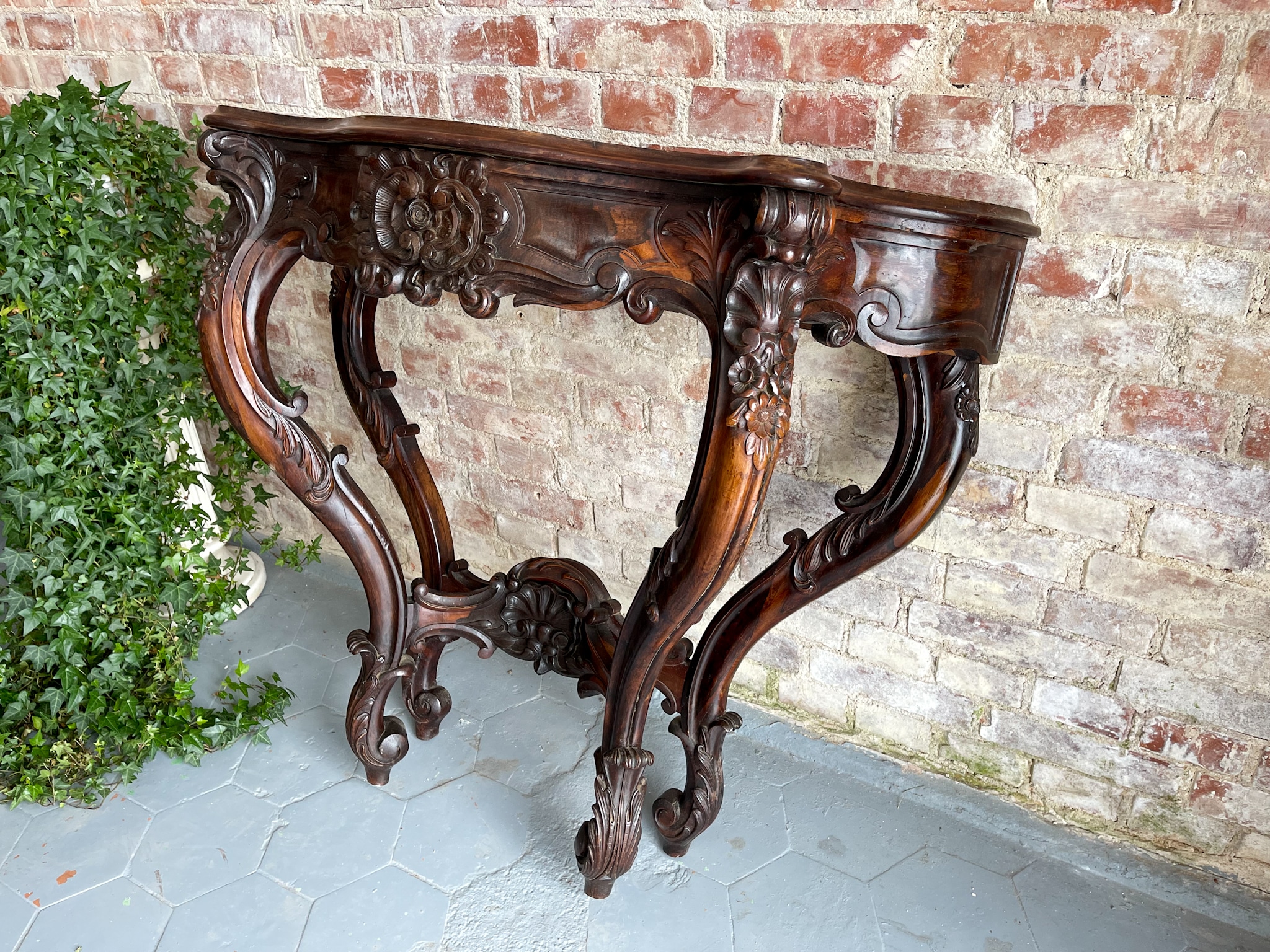
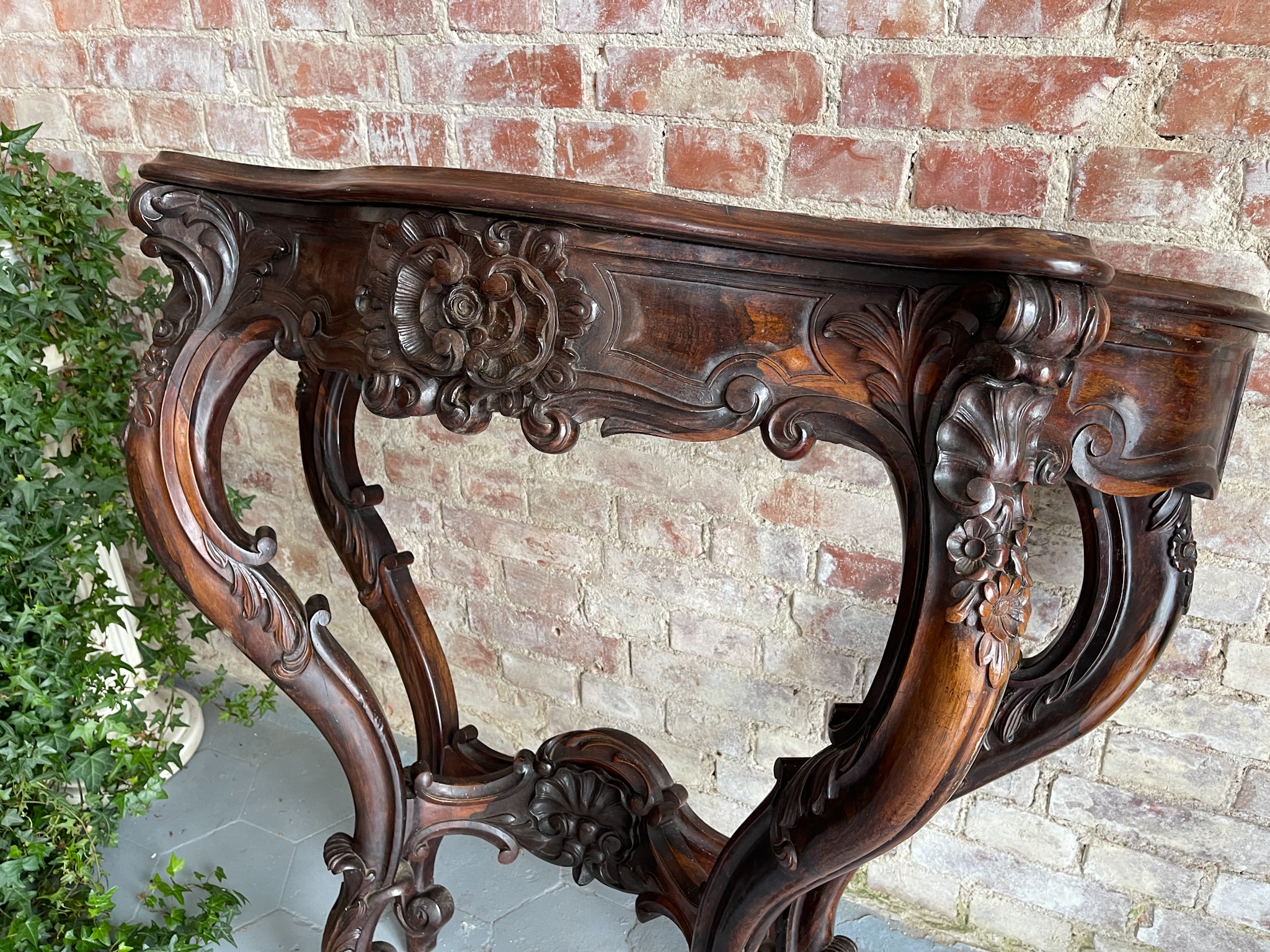
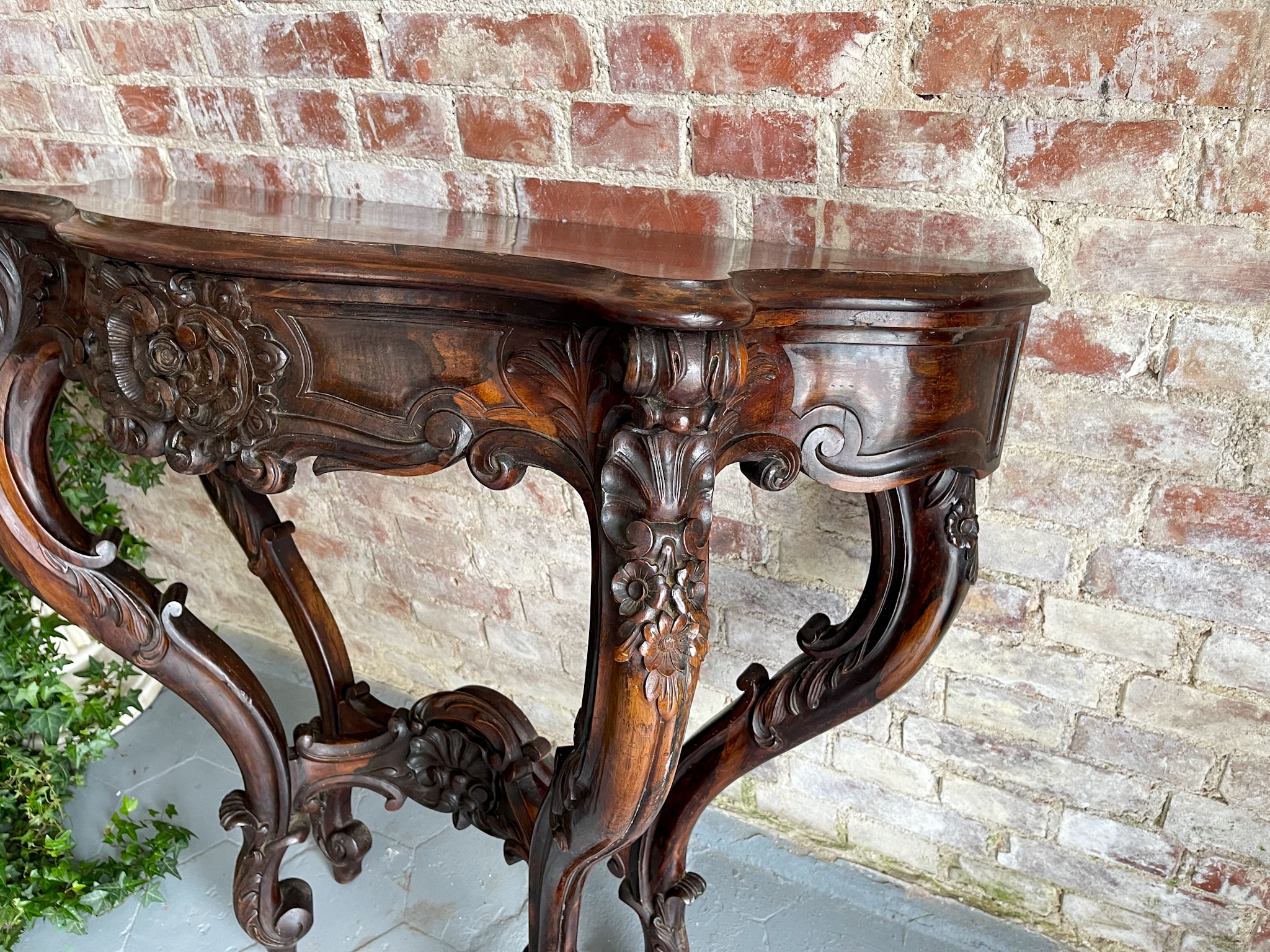
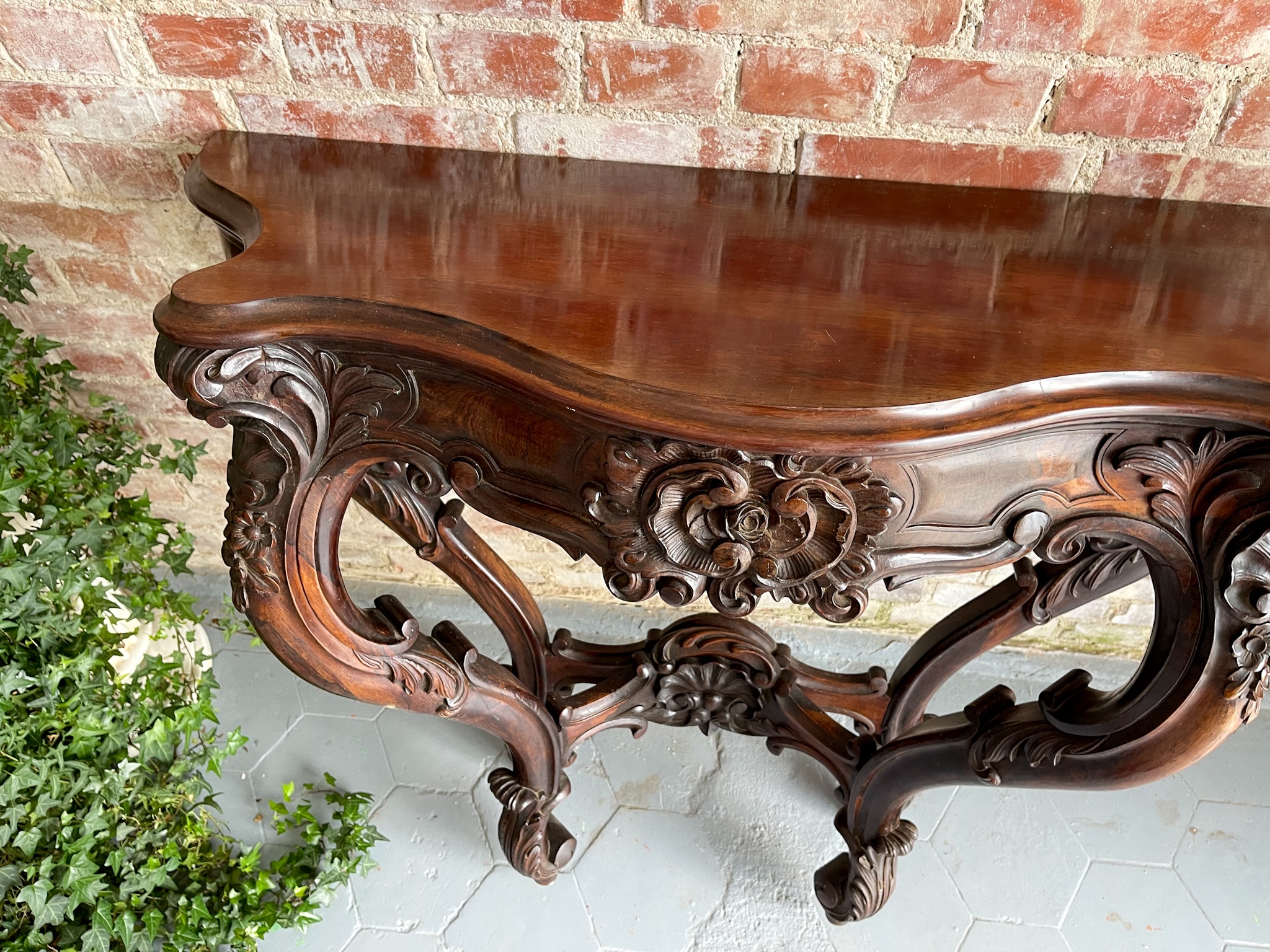
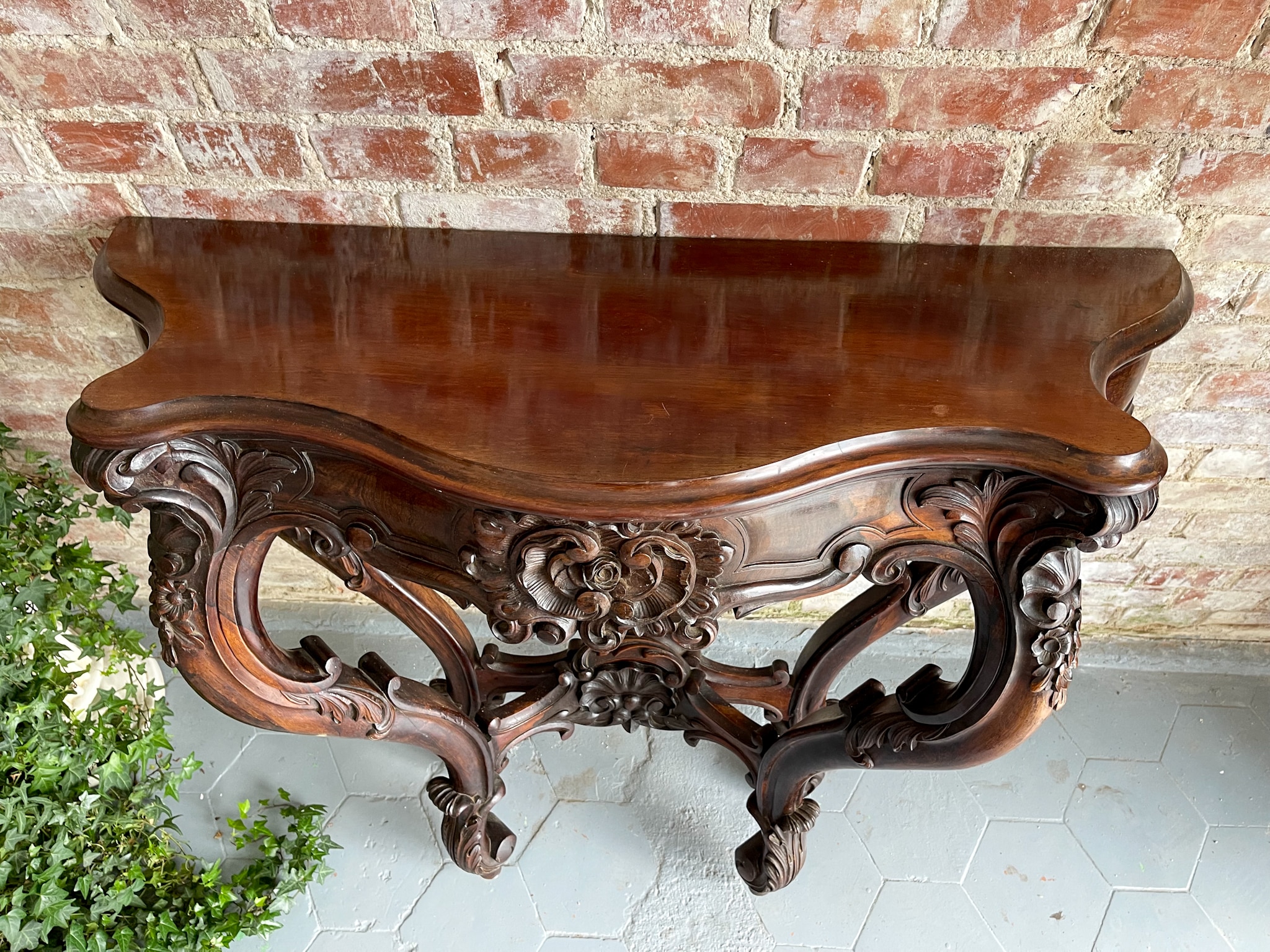
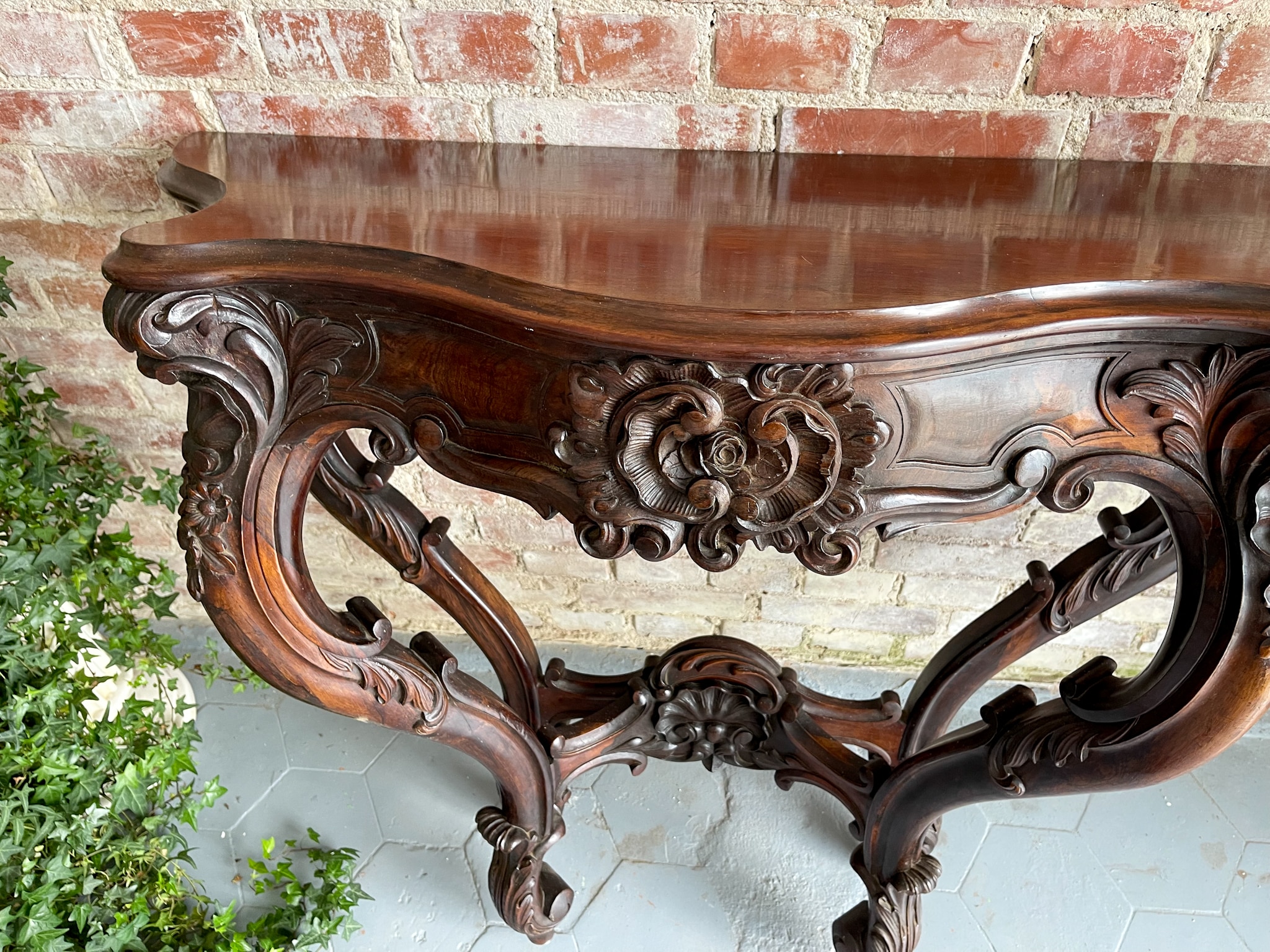
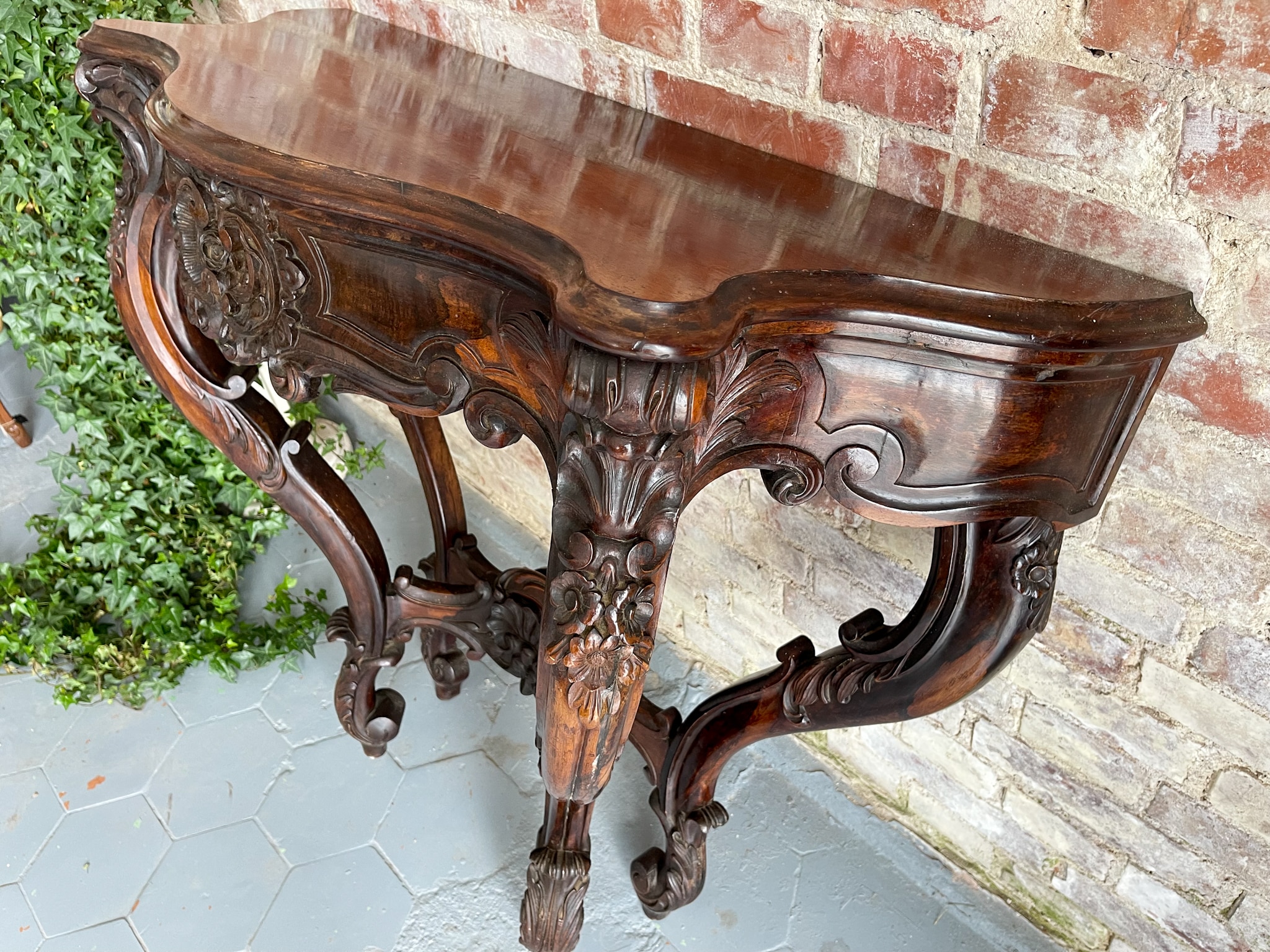
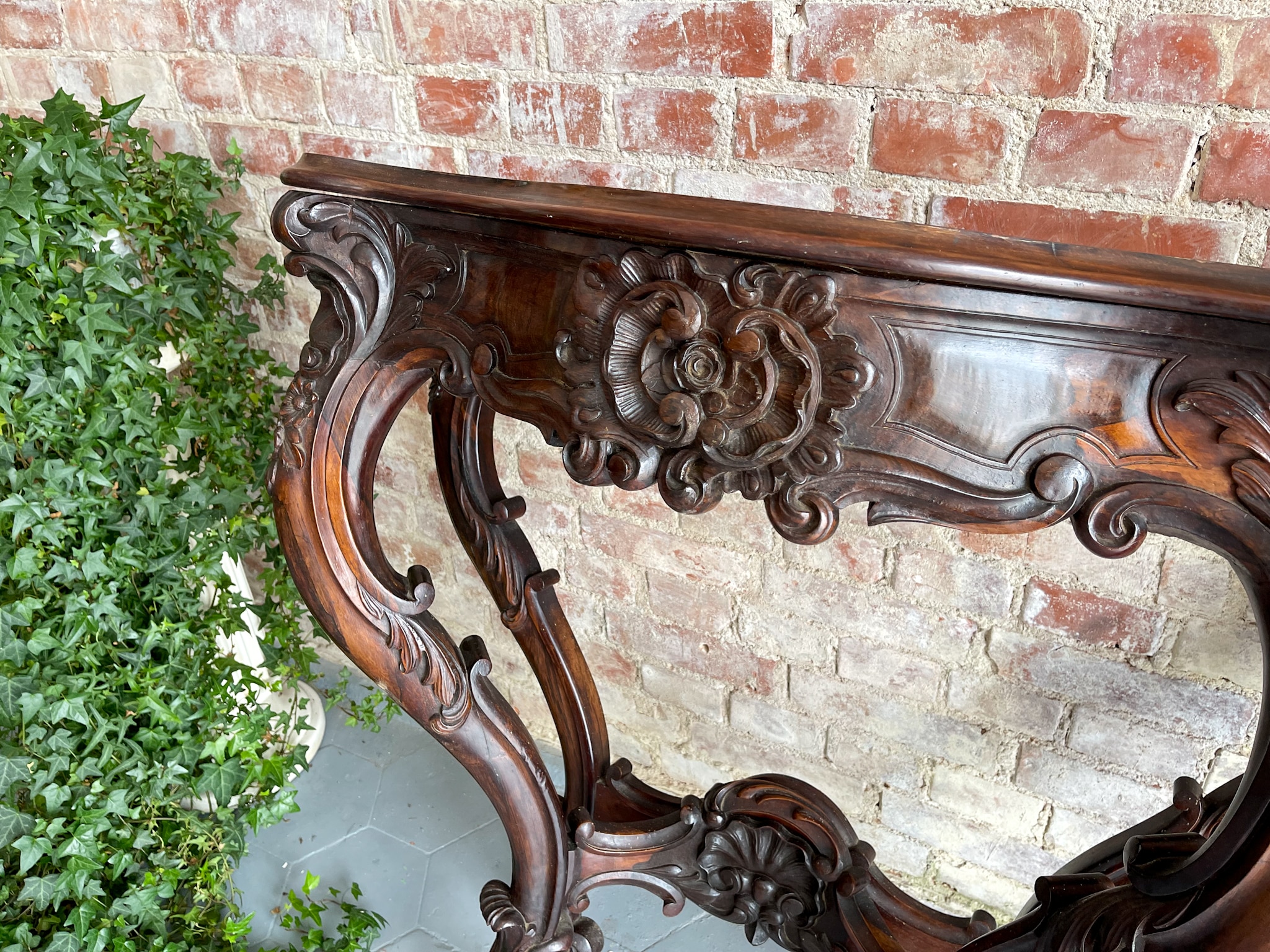
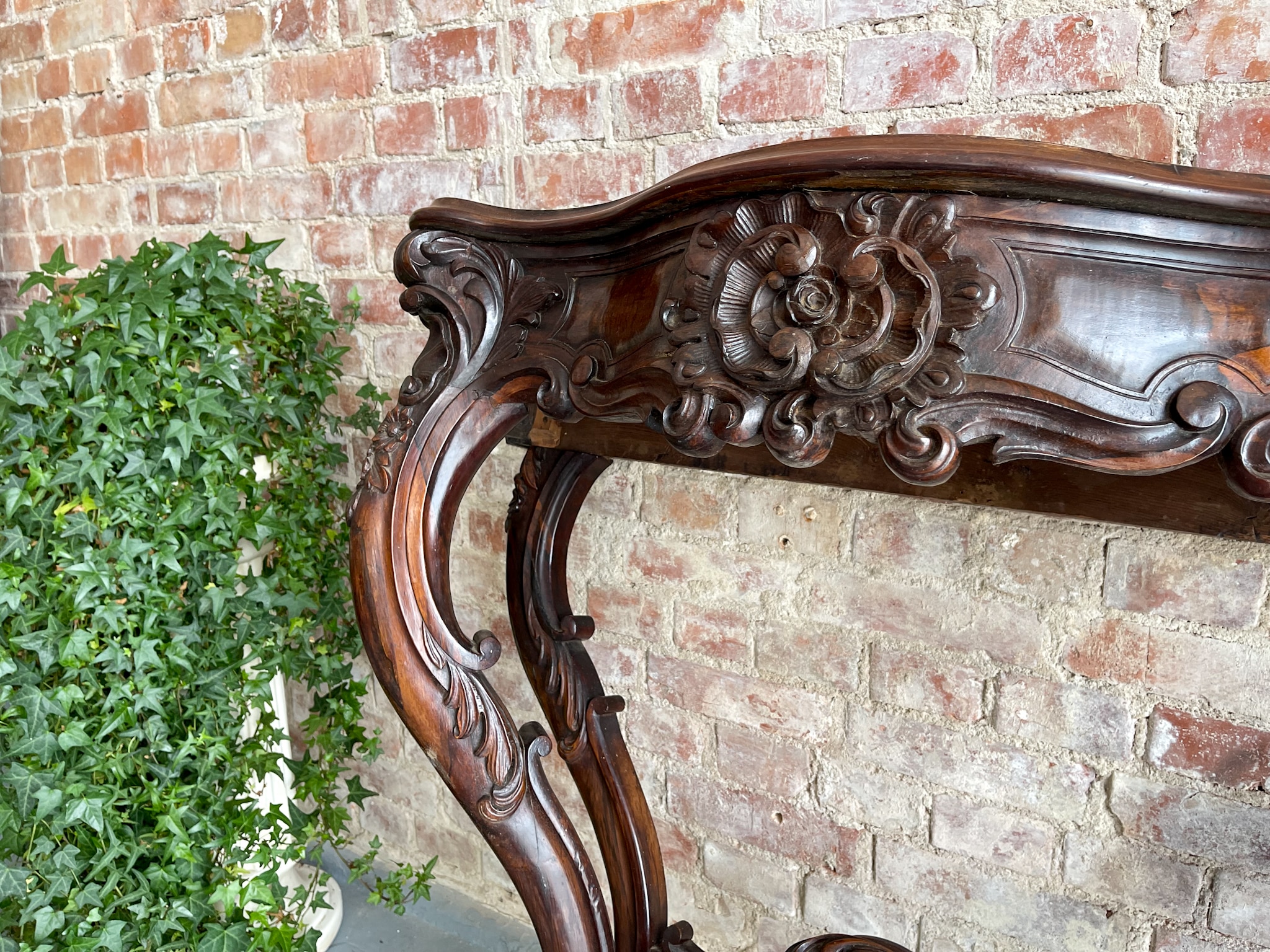
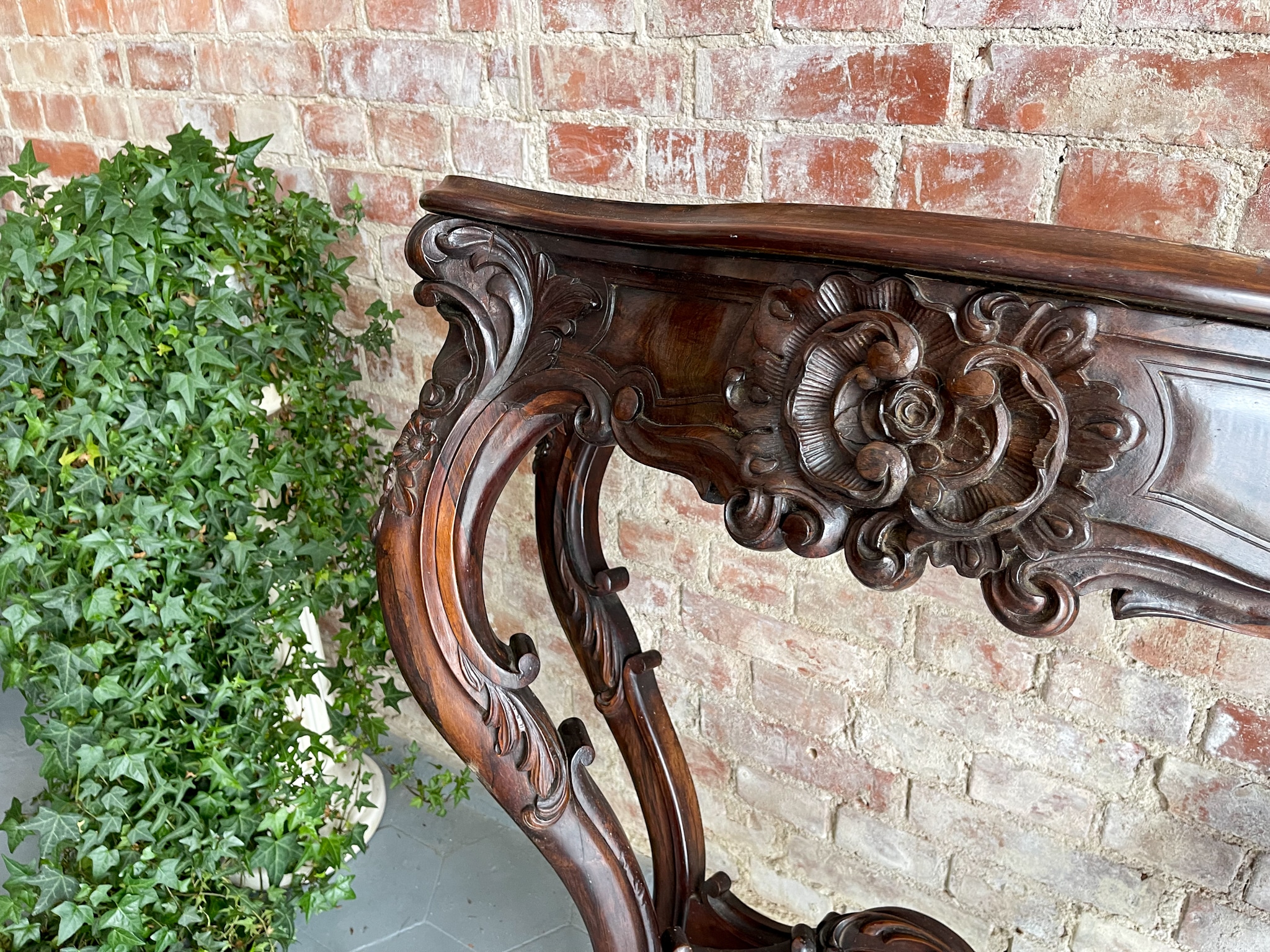
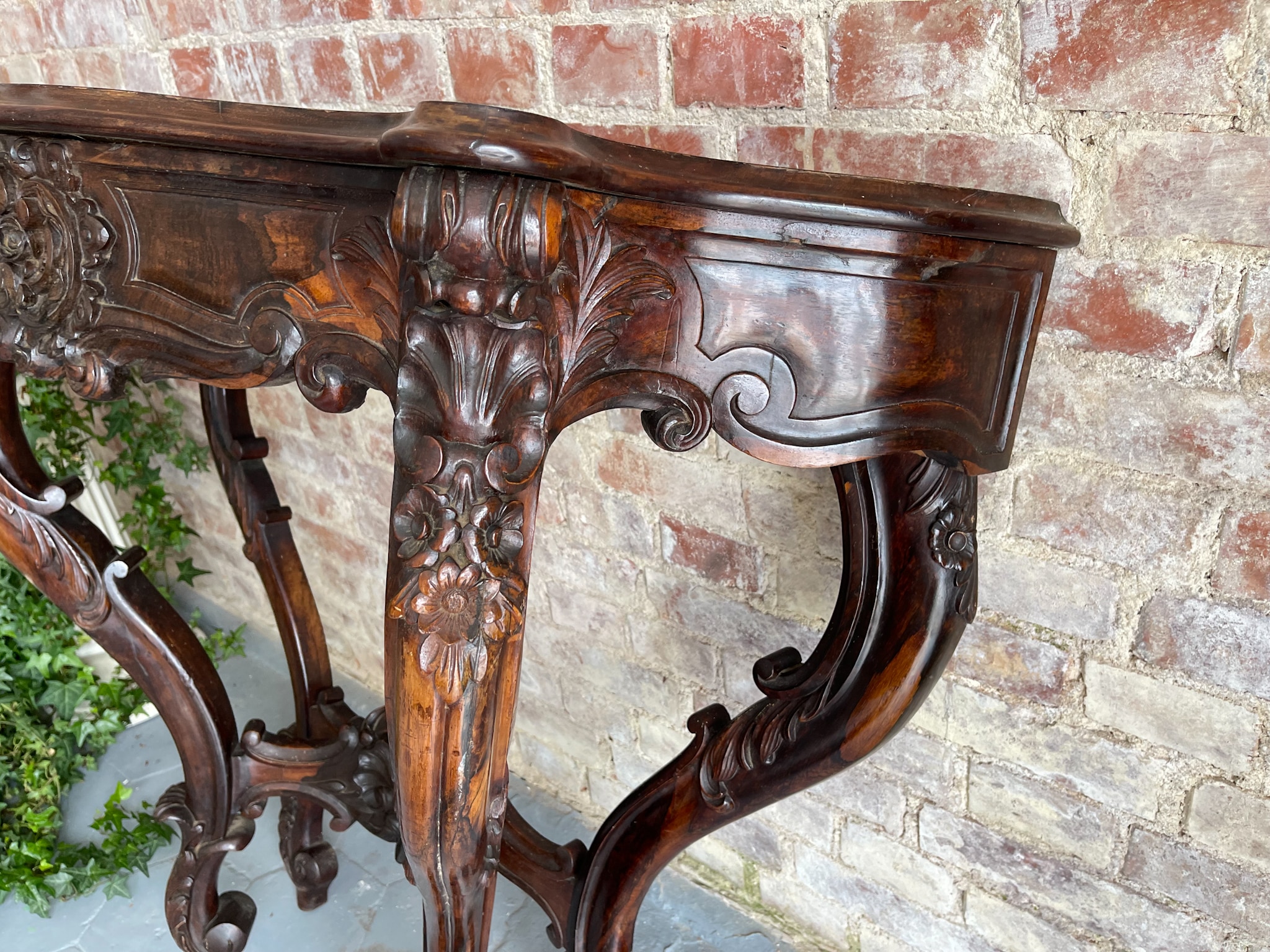
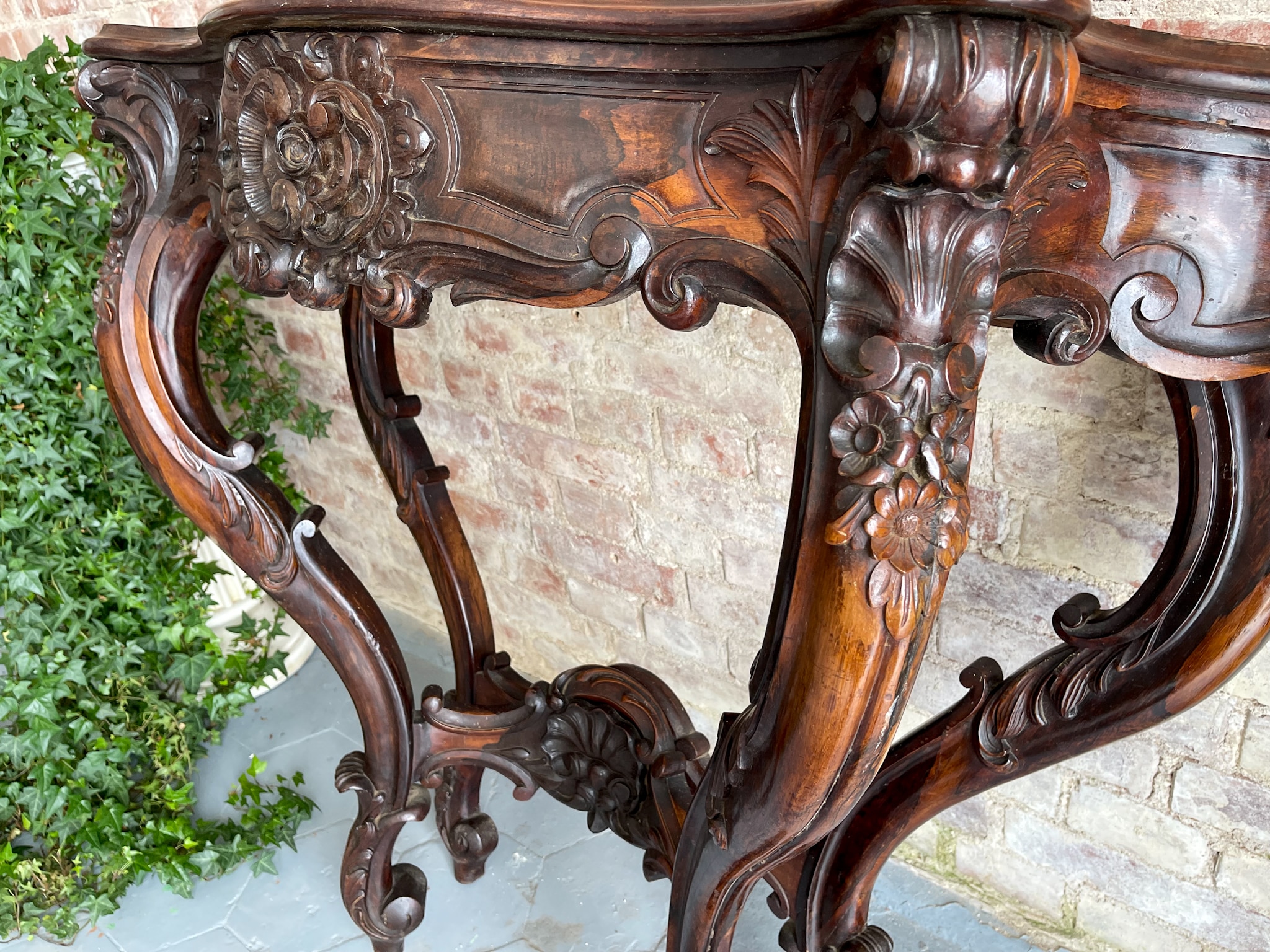
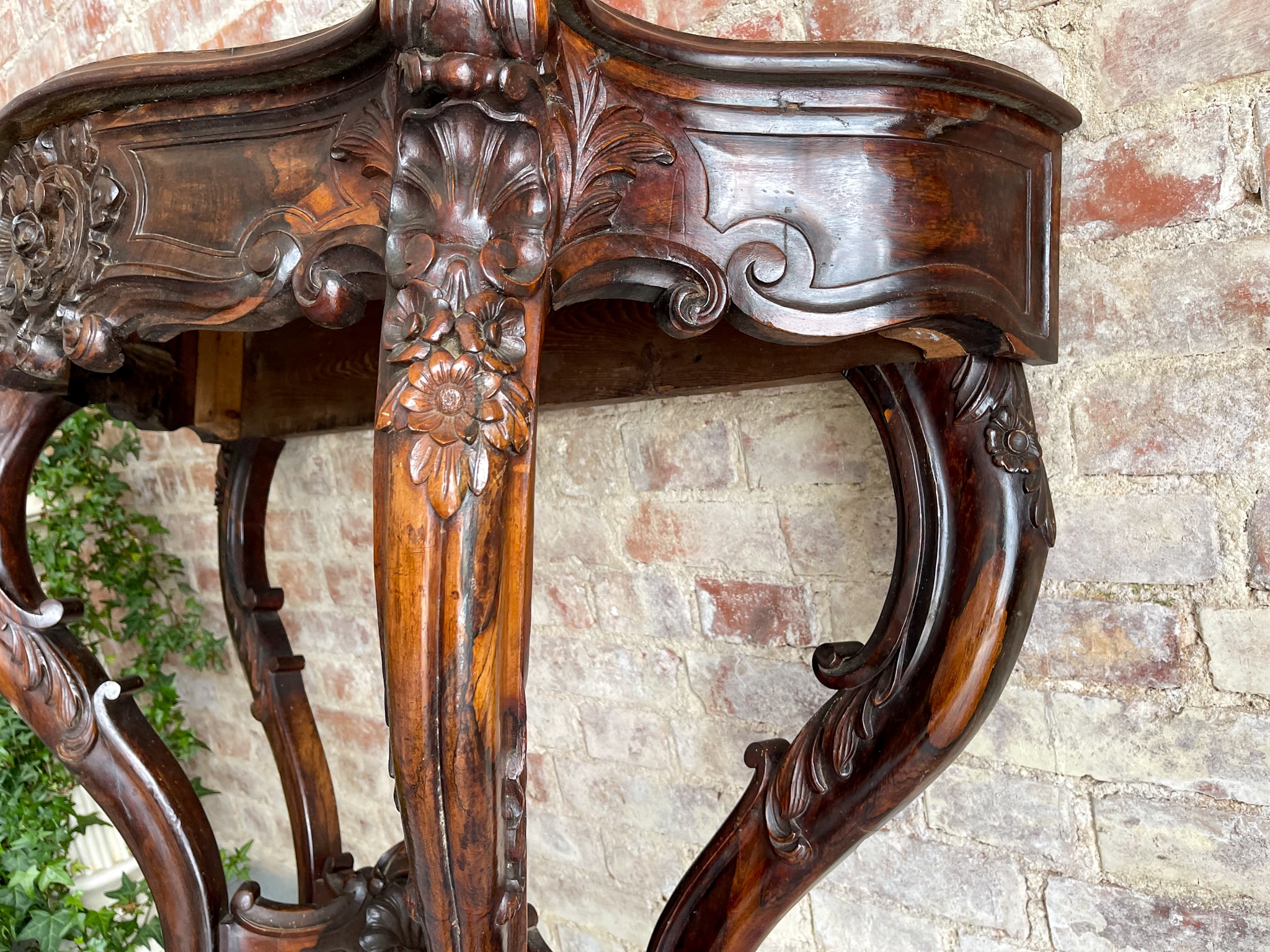
Masīvkoka konsole ar bagātīgiem kokgriezumiem Neorokoko stilā. Cabriole kājas, rocaille frize, rozes un akantus lapas. Eiropa, ap 1850.–1880. Augstums 98 cm, garums 112 cm, dziļums 43 cm. Ļoti smaga, augstvērtīgs darbs.
📐 IZMĒRI
Augstums: 98 cm × Garums: 112 cm × Dziļums: 43 cm. Svars: ļoti smags (masīvs koks).
―――――――――――――――――――――
Kokā Griezta Konsole ar Rokoko Ornamentiku — Neorokoko / Historicisms, Eiropa, ap 1850.–1880.
―――――――――――――――――――――
🏛️ IZGATAVOŠANAS PERIODS, MĀKSLAS STILS, LAIKMETS
Šī konsole pieder Neorokoko stilam — Historicisma laikmeta spilgtākajam izpausmju veidam, kas Eiropā uzplauka no 19. gadsimta vidus līdz beigām. Neorokoko bija ne tikai mākslinieciska mode, bet arī nostalgiska atgriešanās pie 18. gadsimta Ancien Régime elegances — laika, kad Eiropas muižniecība dzīvoja salonos, kur katrs krēsls un konsole bija skulptūra. Meistari, veidojot šīs mēbeles, pievērsās oriģinālajam Rokoko arsenālam: cabriole kājām, rocaille čaulveida ornamentiem, akantus lapu vijumiem un sulīgiem rozes ziediem.
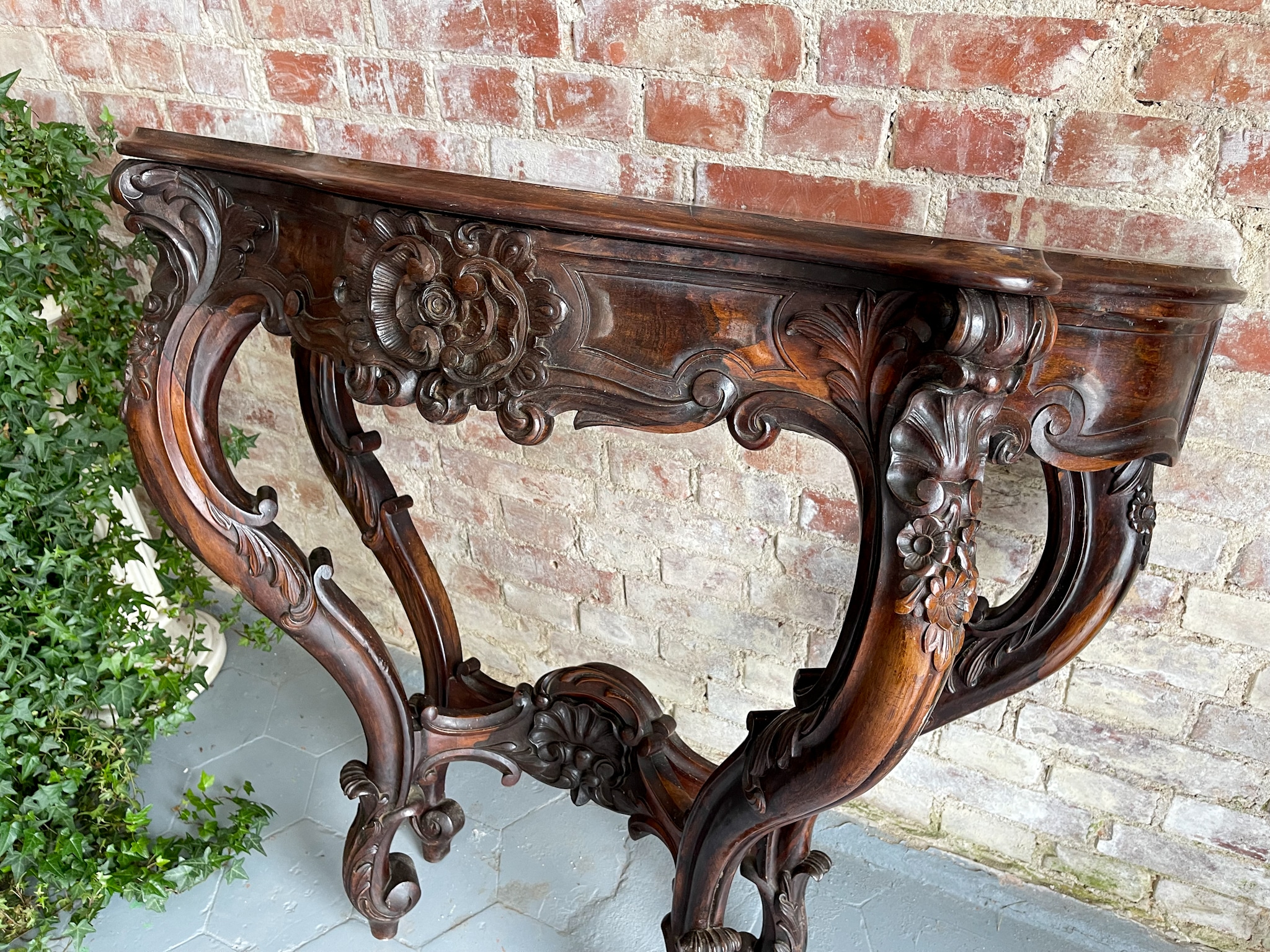
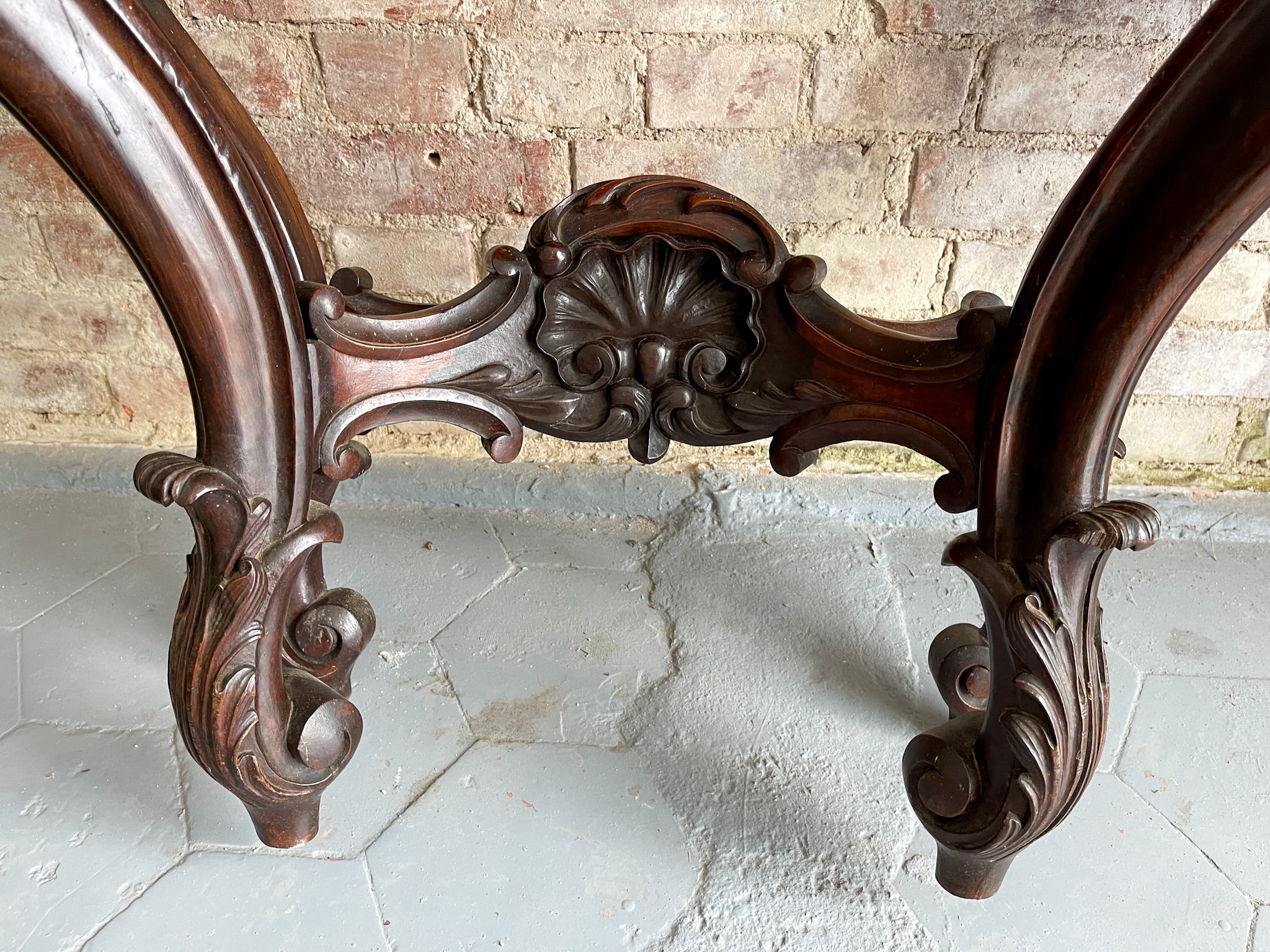
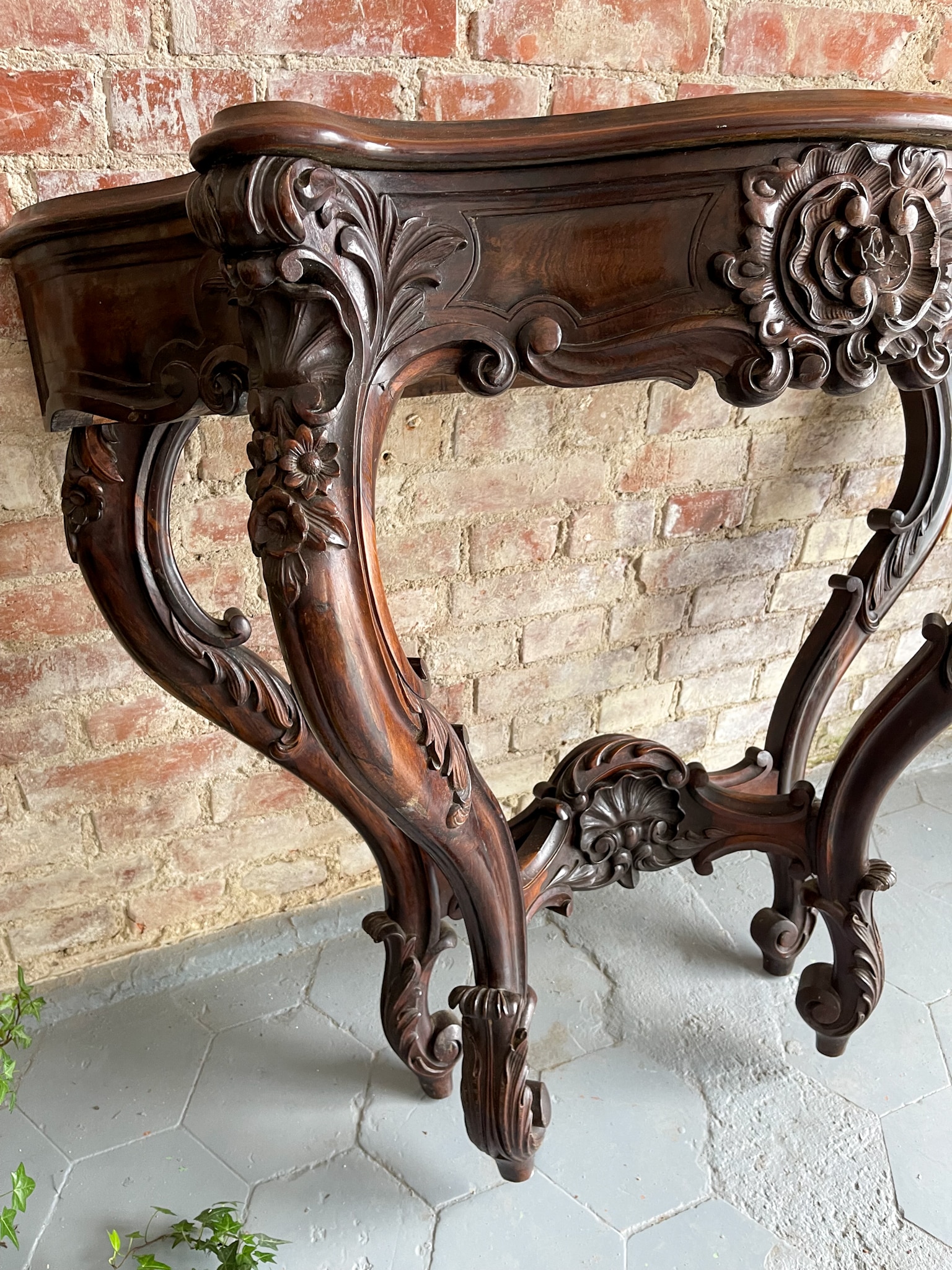
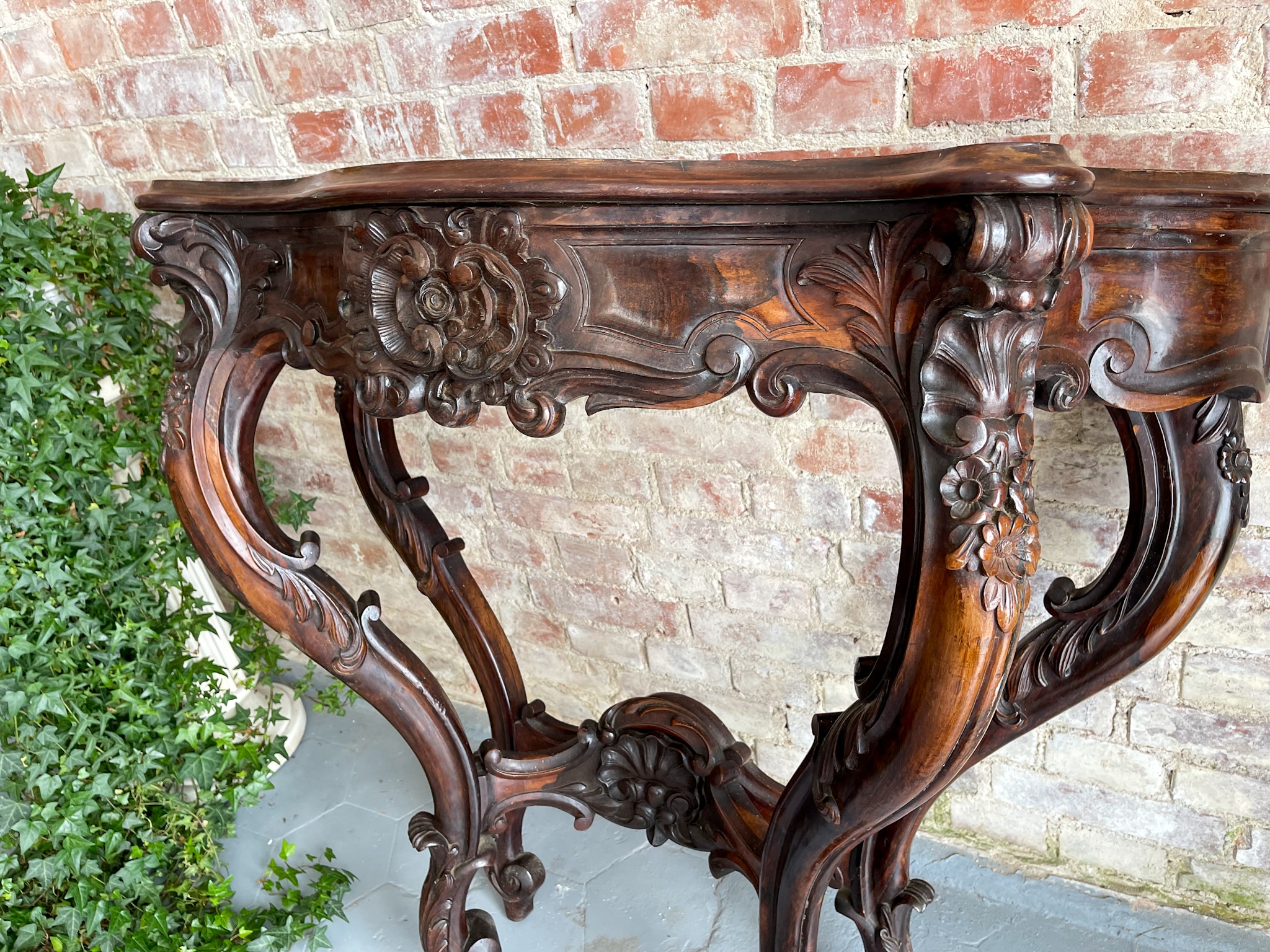
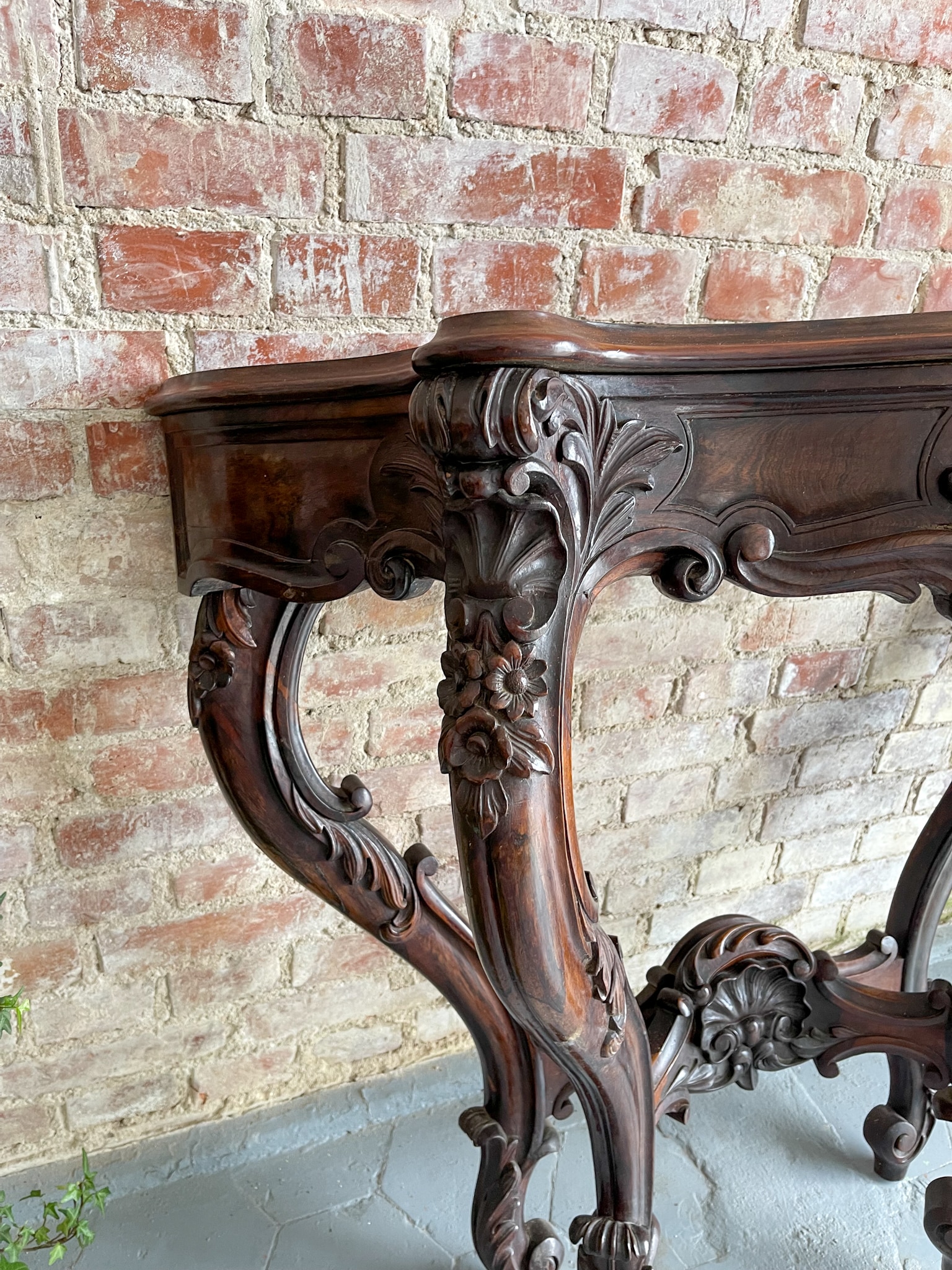
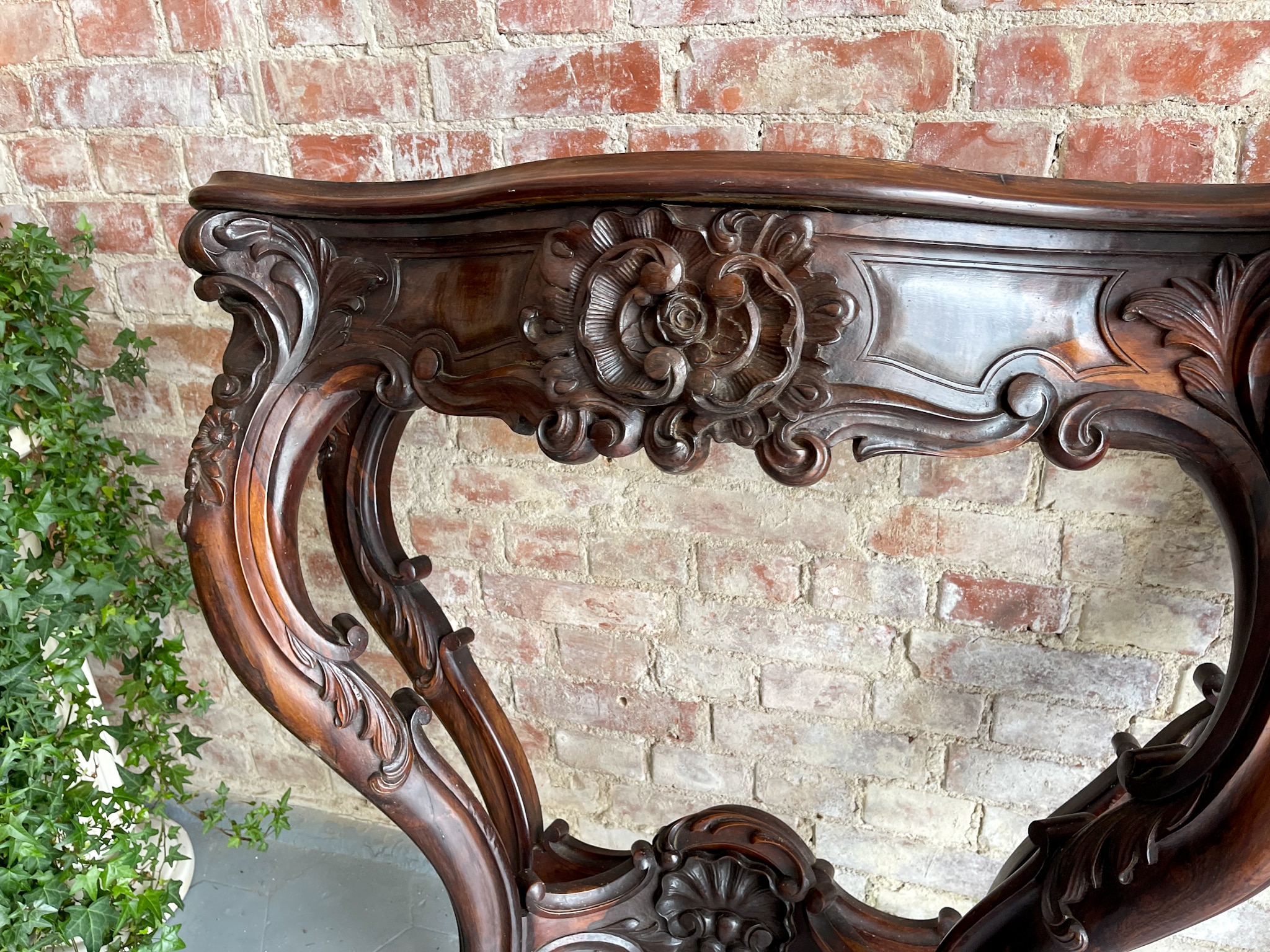
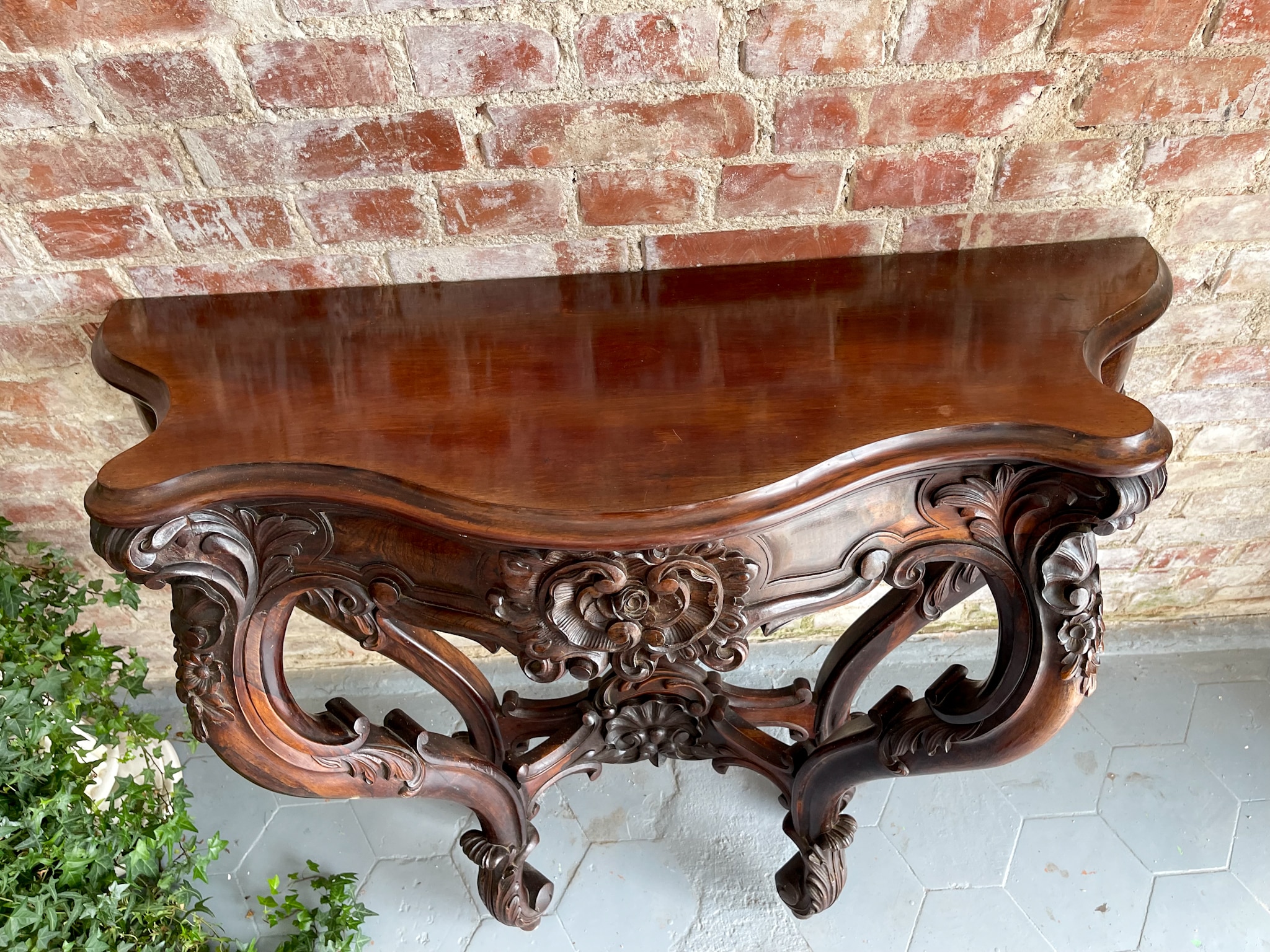
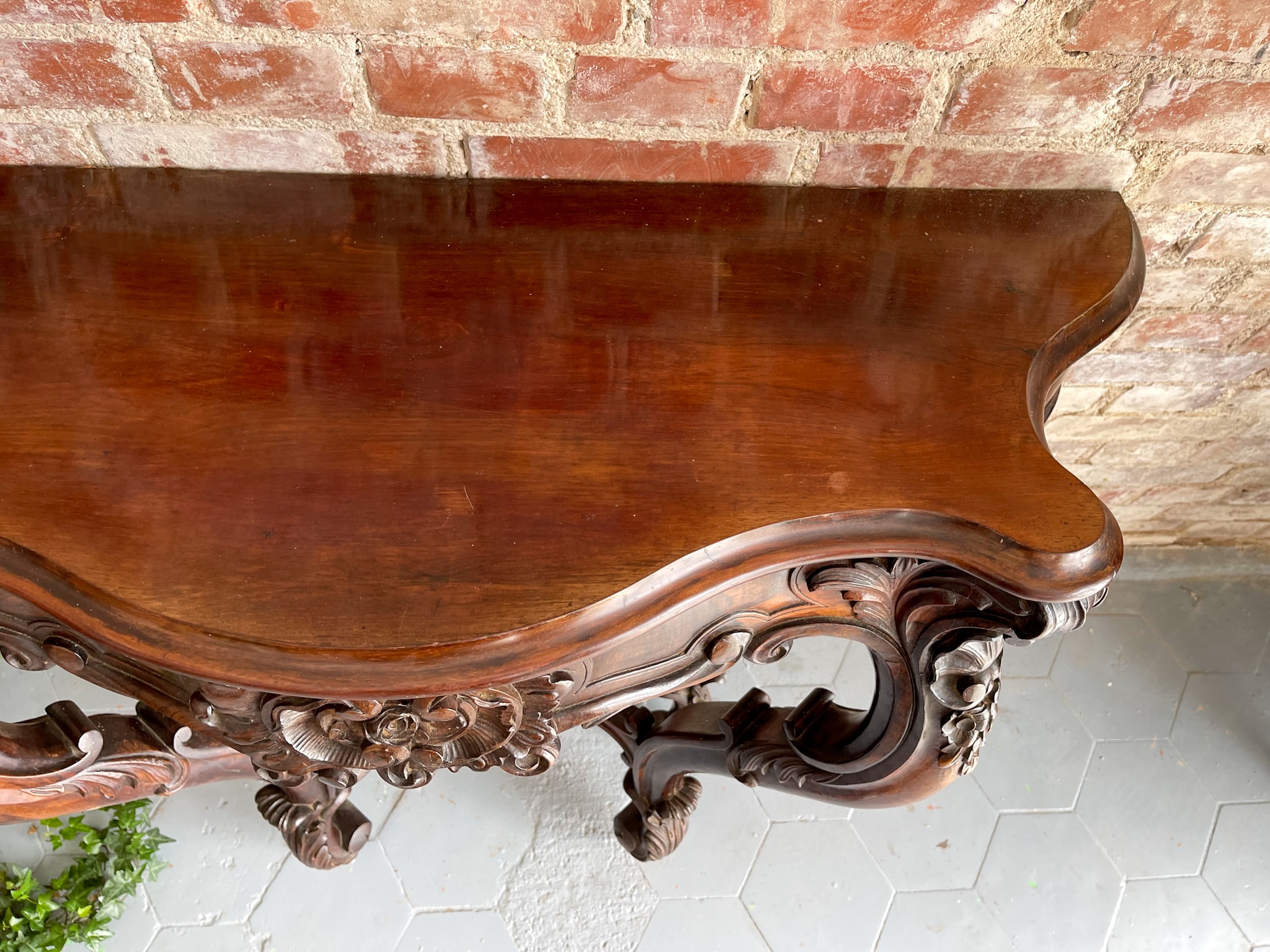
Konsoles frize ir bagāta ar dziļi cirsti rocaille un ziedu rozetes — katrs elements modelēts ar precizitāti, kas liecina par augstu amatnieka meistarību. Četras graciozās cabriole kājas savienotas ar centrālo entretoise — šarnīra elementu ar coquille čaulīti, kas piešķir konstrukcijai stabilitāti un māksliniecisku pilnību. Virsma — gluda, liektas serpentine formas — ideāls fons spoguļiem, vāzēm vai lampām.
Prece datējama 1850.–1880. periodā, un tā pieder Belle Époque priekšvakarā — laikmetā, kad Eiropas buržuāzija alkst pēc aristokrātiskas reprezentācijas un amatnieki sacenšas precizitātē.
Belle Époque momentuzņēmums: 1867. gadā Parīzē tika atklāta Pasaules izstāde — Exposition Universelle — un starp tūkstošiem eksponātu franču galdnieki demonstrēja tieši šāda veida mēbeles kā nacionālā mākslas augstākā sasnieguma simbolu. Turpat gaitenis blakus, kur Gustave Eiffel vēl tikai sapņoja par savu torni, augsti stāvēja konsoles ar tādiem pašiem cabriole kājiem — un apmeklētāji no visas pasaules noliecās pār tām ar apbrīnu. Šī konsole varētu būt tapusi tieši šajā mākslinieciskās sacensības atmosfērā.
―――――――――――――――――――――
⚜️ RAŽOTĀJS UN MANUFAKTŪRAS ZĪMOGS
Redzama marķējuma nav. Pēc kokgriezuma dziļuma, detaļu plastiskuma un konstrukcijas kvalitātes — iespējams Beļģijas, Francijas vai Vācijas izcelsme, kur Neorokoko mēbeļu ražošana 19. gadsimta otrajā pusē sasniedza Eiropas augstāko līmeni. Īpaši Liège, Bruges, Frankfurt un Mainz reģioni bija pazīstami ar masīvkoka grebtajām konsolēm šajā stilā. Kokgriezuma maniere — ar brīvajām acanthus lapu galotnes un rozešu reljefu — raksturo augstākās klases amatnieku darbu, nevis sērijveida ražošanu.
―――――――――――――――――――――
💎 RETUMS UN NOZĪME
Pilnīgi izgreznota, masīvkoka Neorokoko konsole šādā izmērā un šādā saglabāšanās stāvoklī ir reta parādība antikvāru tirgū. Šāda veida mēbeles 19. gadsimtā radīja augsti kvalificēti meistari, un darba ietilpība padarīja tās dārgas jau sākotnēji — tādēļ saglabājušies eksemplāri ir vērtīgi. Kolekcionāri un interjeru veidotāji meklē tieši šādus gabalus kā pamatu klasiskam, eklektiskam vai grandeur stilam. Konsoles lielais izmērs un skulpturālā bagātība padara to par centrālo akcentu jebkurā reprezentatīvā telpā.
―――――――――――――――――――――
🕯️ PIELIETOJUMS INTERJERĀ, DIZAINĀ UN FOTOGRĀFIJĀ
Šī konsole ir ideāla kā priekšnams vai vestibils — tā uzreiz nosaka telpas toni. Lieliski sader ar klasisko, Second Empire, eklektisko un neoklasicisma interjeru. Uz tās dabīgi mīt lielas vāzes, lampas, spoguļi, mākslas priekšmeti. Interjeru dizaineri to izmanto kā skulpturālu elementu, kas mēbeļu vietā kalpo kā mākslas darbs. Fotogrāfi un stilisti to labprāt izmanto editorial un luxury uzņēmumos — tās siluets ir nepārprotami 19. gadsimts Eiropa.
―――――――――――――――――――――
🎁 DĀVANA UN PERSONALIZĀCIJA
Šī konsole ir reprezentatīva korporatīvā vai diplomātiskā dāvana augstākajā līmenī — piemērota uzņēmumu vadītājiem, kolekcionāriem, jubilejām un īpašiem apbalvojumiem. Tā izsaka gaumi, izglītību un cieņu pret Eiropas kultūrmantojumu. Zvaigznāju simbolikā — Lauva, Vērsis un Mērkaķis — personas, kuras novērtē greznumu, stabilitāti un māksliniecisko vērtību.
―――――――――――――――――――――
🔍 STĀVOKLIS
Konsole ir labā vispārējā stāvoklī, ņemot vērā vecumu. Kokgriezumi saglabājušies asi un detalizēti. Atsevišķās vietās vērojamas nelielas vecuma pēdas — smalkas skrāpējuma līnijas un laika patina uz kāju virsmām, kas piešķir autenticitāti. Nav nozīmīgu lūzumu vai restaurācijas pēdu. Virsma tīra, lakota, ar dziļu koksnes toni. Lietas stāvoklis pilnībā atspoguļots fotogrāfijās.
―――――――――――――――――――――
🇬🇧 DESCRIPTION IN ENGLISH
―――――――――――――――――――――
📐 DIMENSIONS
Height: 98 cm × Length: 112 cm × Depth: 43 cm. Weight: very heavy (solid wood).
―――――――――――――――――――――
Carved Solid Wood Console with Rococo Ornament — Neo-Rococo / Historicism, Europe, approximately 1850–1880
―――――――――――――――――――――
🏛️ PERIOD, ARTISTIC STYLE, ERA
This console belongs to the Neo-Rococo style — the most expressive manifestation of the Historicism era, which flourished across Europe from the mid-19th century onward. Neo-Rococo was not merely an artistic fashion but a nostalgic return to the elegance of the Ancien Régime — a time when European aristocracy lived in salons where every chair and console table was a sculpture. Craftsmen working in this tradition drew from the original Rococo vocabulary: cabriole legs, rocaille shell motifs, acanthus leaf scrolls and lush rose blooms.
The frieze of the console is richly adorned with deeply carved rocaille and floral rosettes — each element modelled with precision attesting to exceptional craftsmanship. The four graceful cabriole legs are united by a central entretoise featuring a coquille shell medallion, lending both structural stability and artistic completeness. The top surface — smooth and of serpentine outline — provides an ideal stage for mirrors, vases or lamps.
The piece is dateable to approximately 1850–1880, on the eve of the Belle Époque — an era in which the European bourgeoisie yearned for aristocratic representation and craftsmen competed in precision and refinement.
Belle Époque snapshot: In 1867, Paris opened its Exposition Universelle, and among thousands of exhibits, French cabinetmakers displayed exactly this type of furniture as a symbol of national artistic achievement. In the very same gallery where Gustave Eiffel was still only dreaming of his tower, consoles with identical cabriole legs stood proudly — and visitors from across the world leaned over them in admiration. This console may well have been born in precisely that atmosphere of artistic competition.
―――――――――――――――――――――
⚜️ MAKER AND MANUFACTORY MARK
No visible maker’s mark is present. Based on the depth of carving, the plasticity of the ornament and the quality of construction, the probable origin is Belgium, France or Germany, where Neo-Rococo furniture production in the second half of the 19th century reached the highest level in Europe. The regions of Liège, Bruges, Frankfurt and Mainz were particularly known for solid carved wood consoles in this style. The carving manner — with freely modelled acanthus leaf tips and rose medallion reliefs — is characteristic of the finest workshop production rather than serial manufacture.
―――――――――――――――――――――
💎 RARITY AND SIGNIFICANCE
A fully carved solid wood Neo-Rococo console of this size and in this state of preservation is a rare find on the antiques market. Pieces of this type were produced in the 19th century by highly skilled craftsmen, and the labour intensity made them costly from the outset — which is why well-preserved examples are genuinely valuable. Collectors and interior designers seek exactly such pieces as the foundation of a classical, eclectic or grandeur interior. The console’s generous scale and sculptural richness make it a central accent in any representative room.
―――――――――――――――――――――
🕯️ USE IN INTERIOR, DESIGN AND PHOTOGRAPHY
This console is ideal for an entrance hall or vestibule — it sets the tone of a space immediately. It harmonises perfectly with classical, Second Empire, eclectic and neo-classical interiors. It naturally accommodates large vases, lamps, mirrors and art objects. Interior designers use it as a sculptural element that functions less as furniture and more as a work of art. Photographers and stylists favour it in editorial and luxury shoots — its silhouette is unmistakably 19th-century Europe.
―――――――――――――――――――――
🎁 GIFT AND PERSONALISATION
This console is a representative corporate or diplomatic gift at the highest level — suitable for company directors, collectors, anniversaries and special distinctions. It expresses taste, learning and respect for European cultural heritage. In astrological symbolism — Leo, Taurus and Capricorn — personalities who value luxury, stability and artistic worth.
―――――――――――――――――――――
🔍 CONDITION
The console is in good overall condition considering its age. The carvings remain sharp and detailed throughout. Minor signs of age are visible in places — faint surface marks and a natural patina on the leg surfaces, which lend authenticity. No significant breaks or traces of restoration are apparent. The top surface is clean, polished and of deep wood tone. The condition of the item is fully reflected in the photographs.
―――――――――――――――――――――