Liela Bra Bronzas Sienas Lampa ar Zēna Figūru — Belle Époque, Auguste Moreau stilā, Francija, 20.gs. (6651)
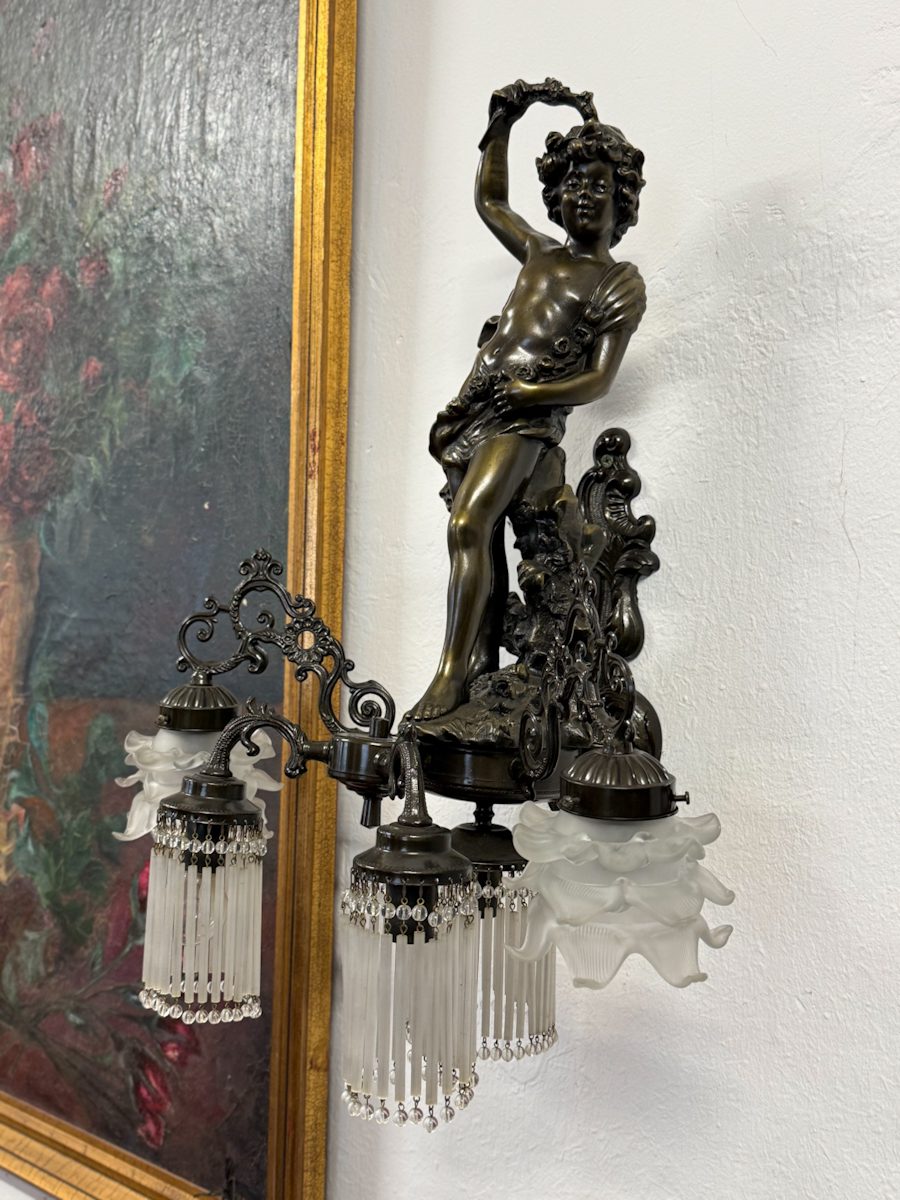
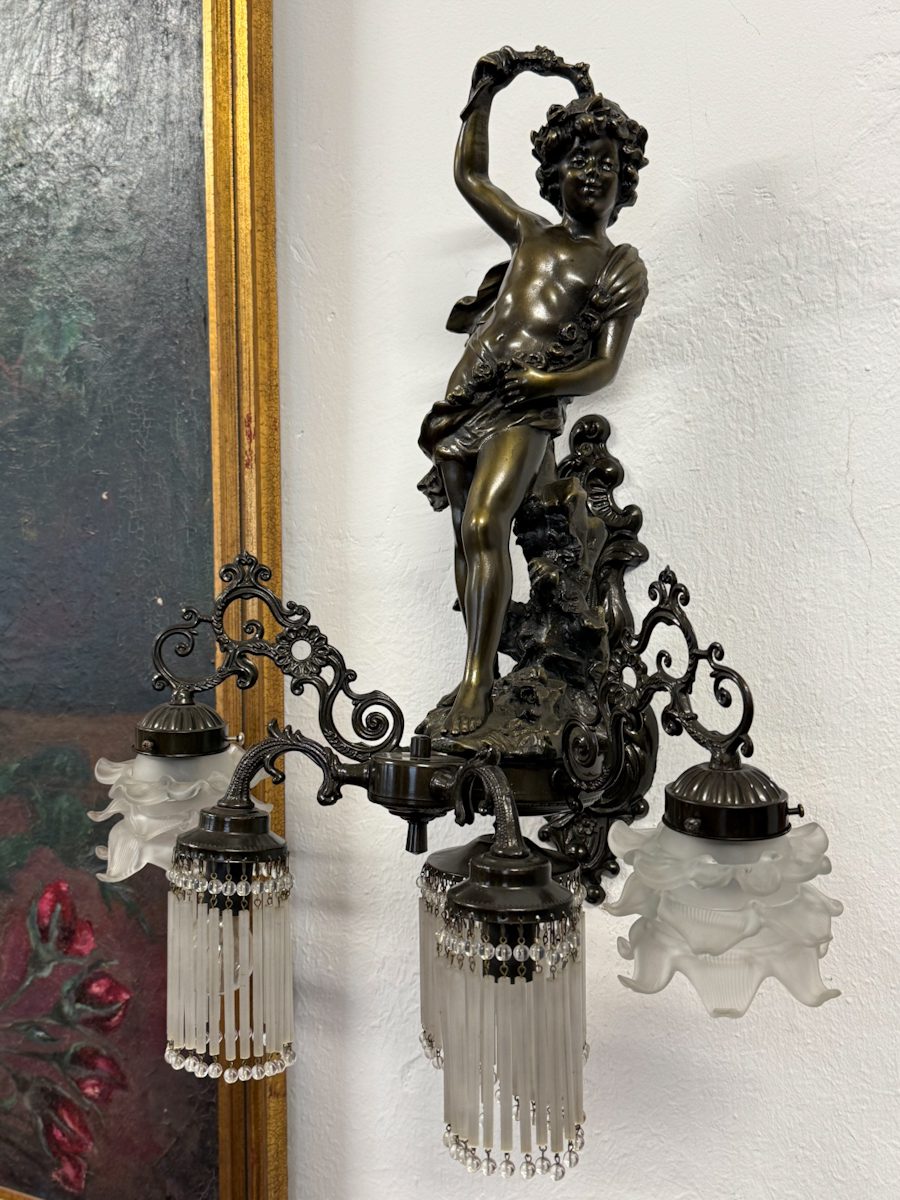
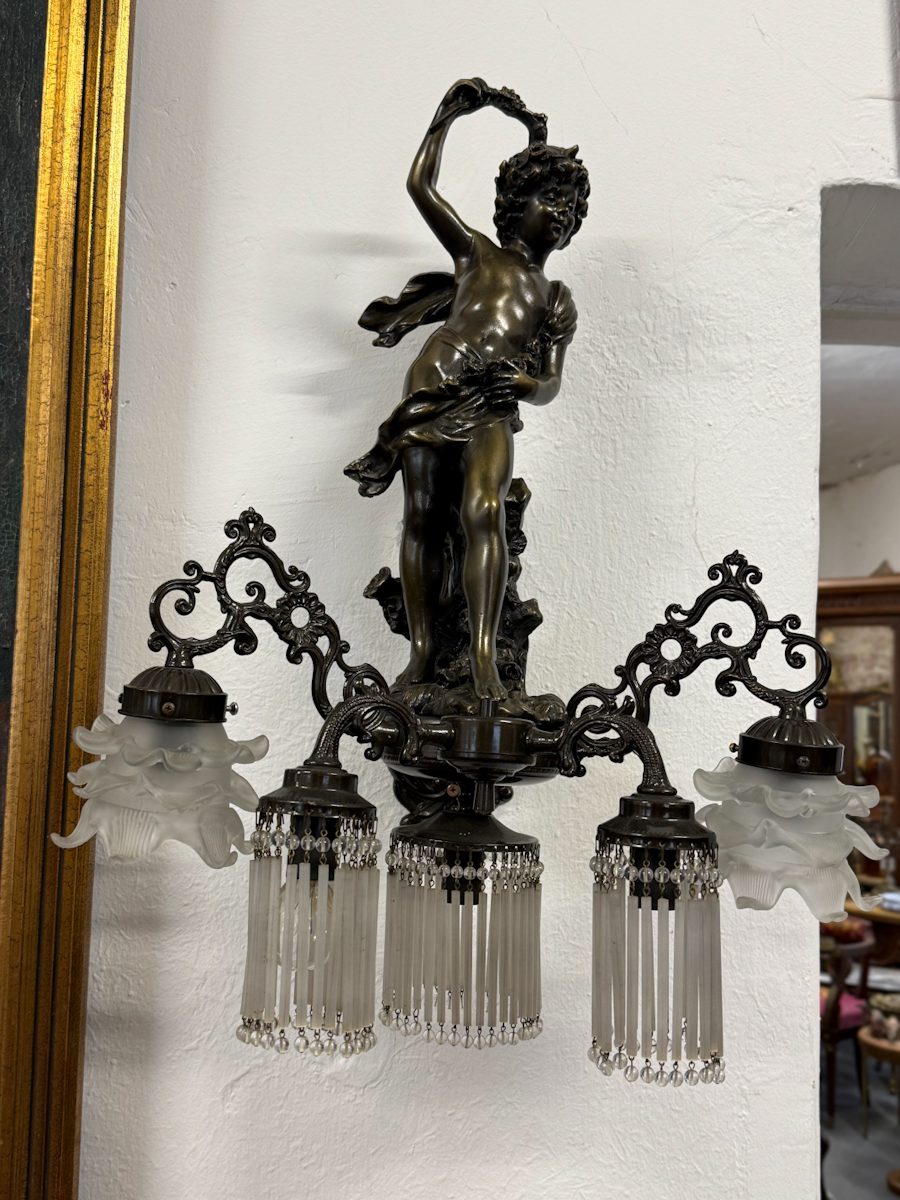
Liela Bra Bronzas Sienas Lampa ar Zēna Figūru — Belle Époque, Auguste Moreau stilā, Francija, 20.gs. (6651)
€550.00
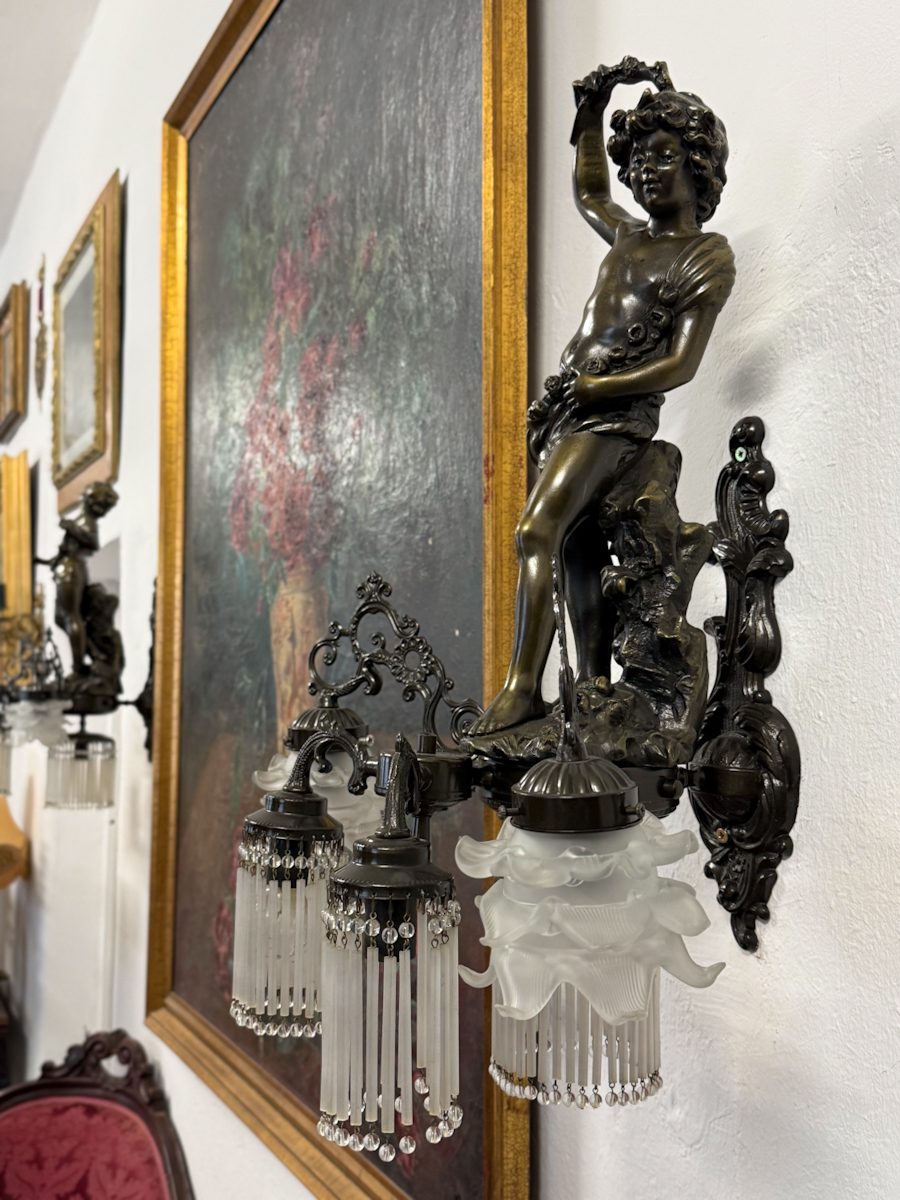
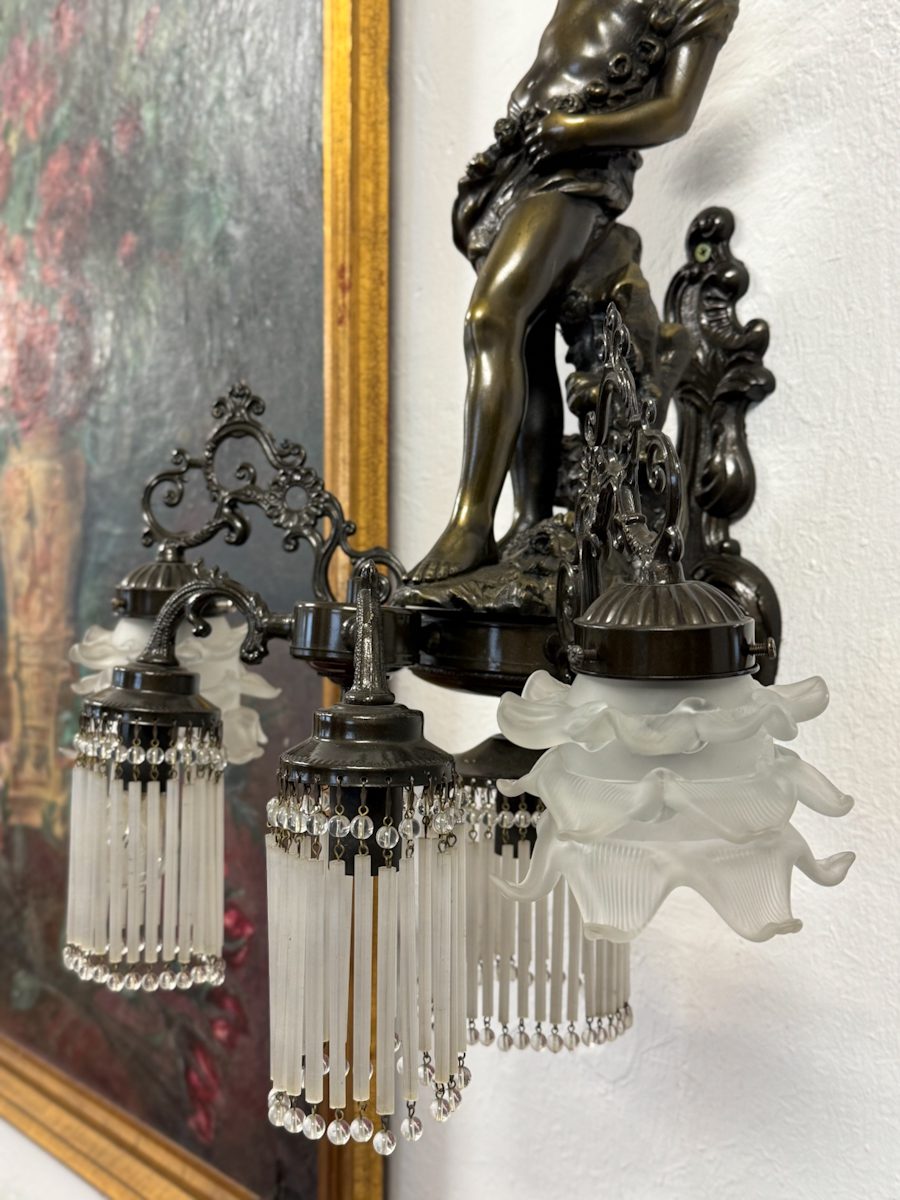
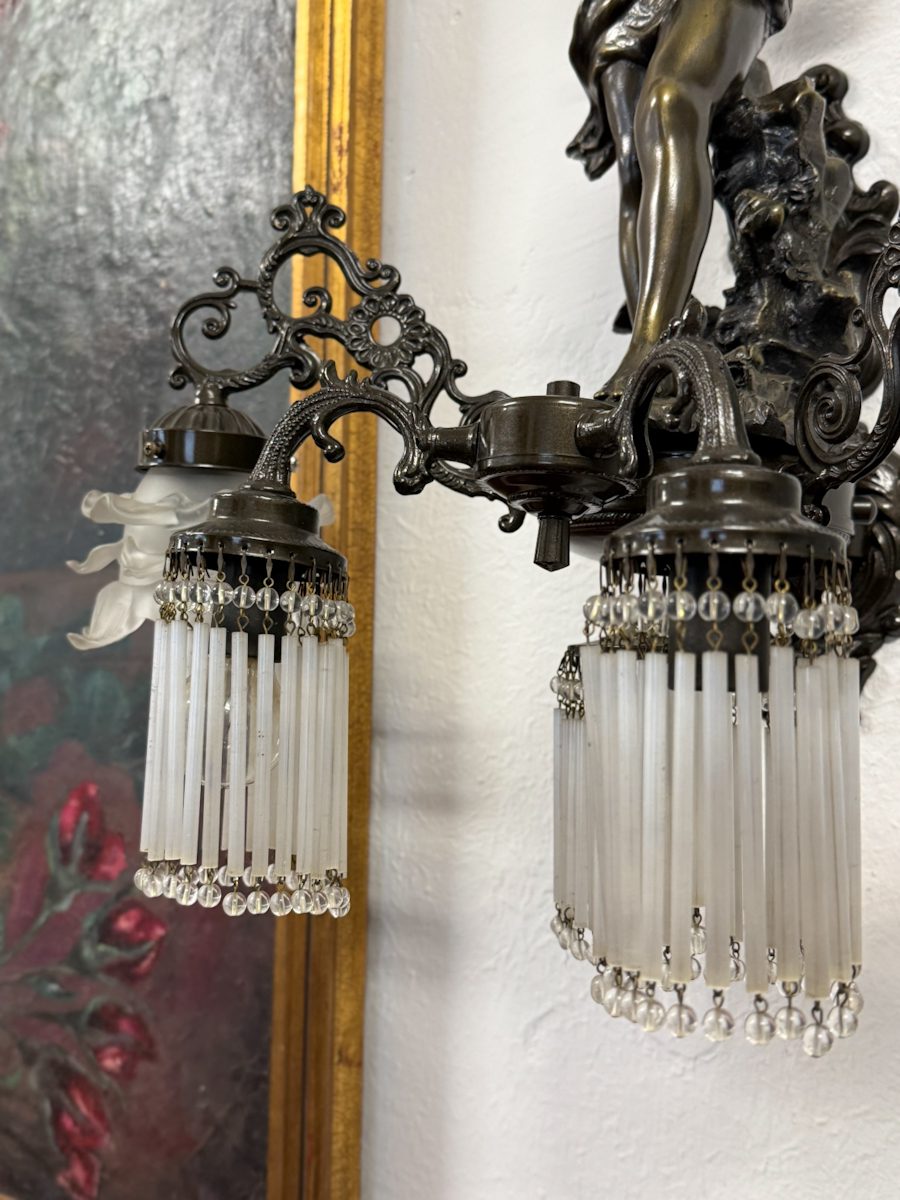
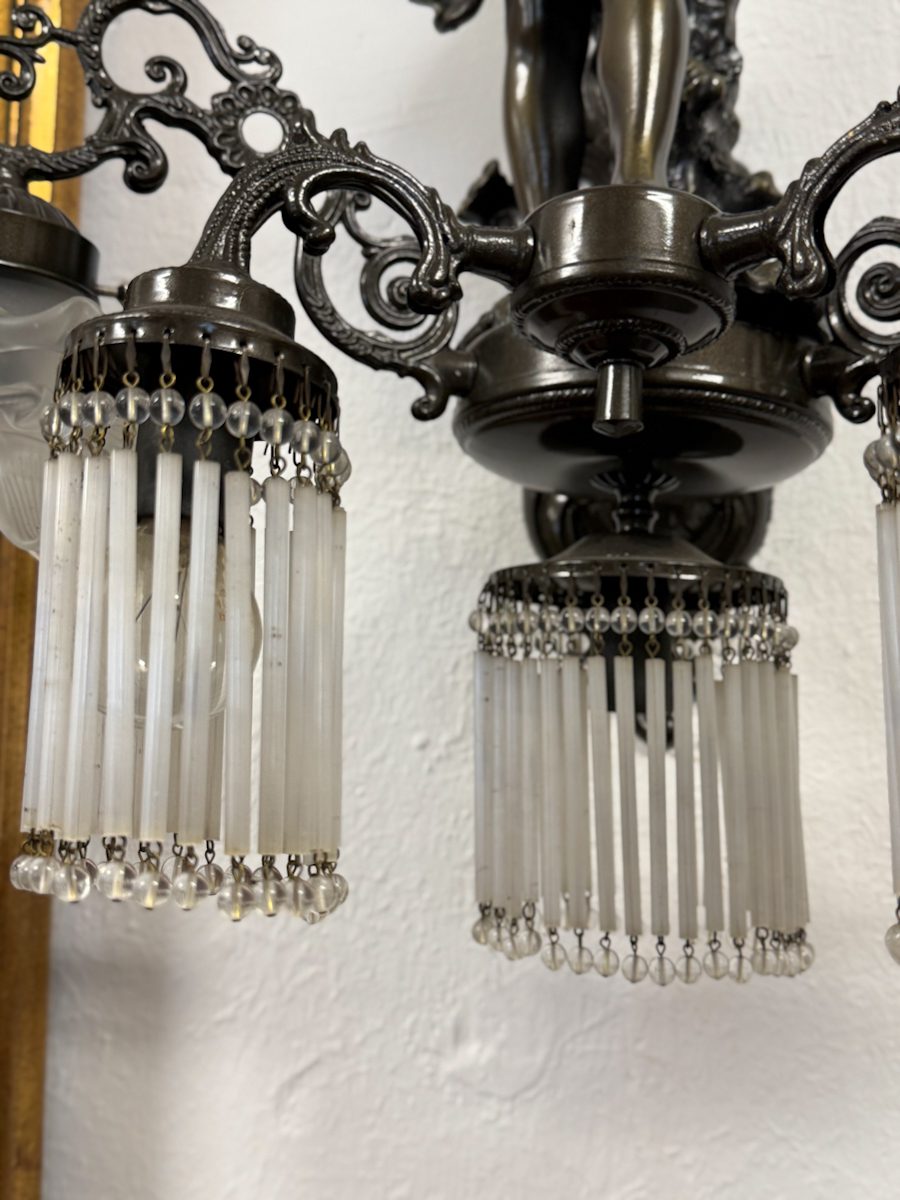
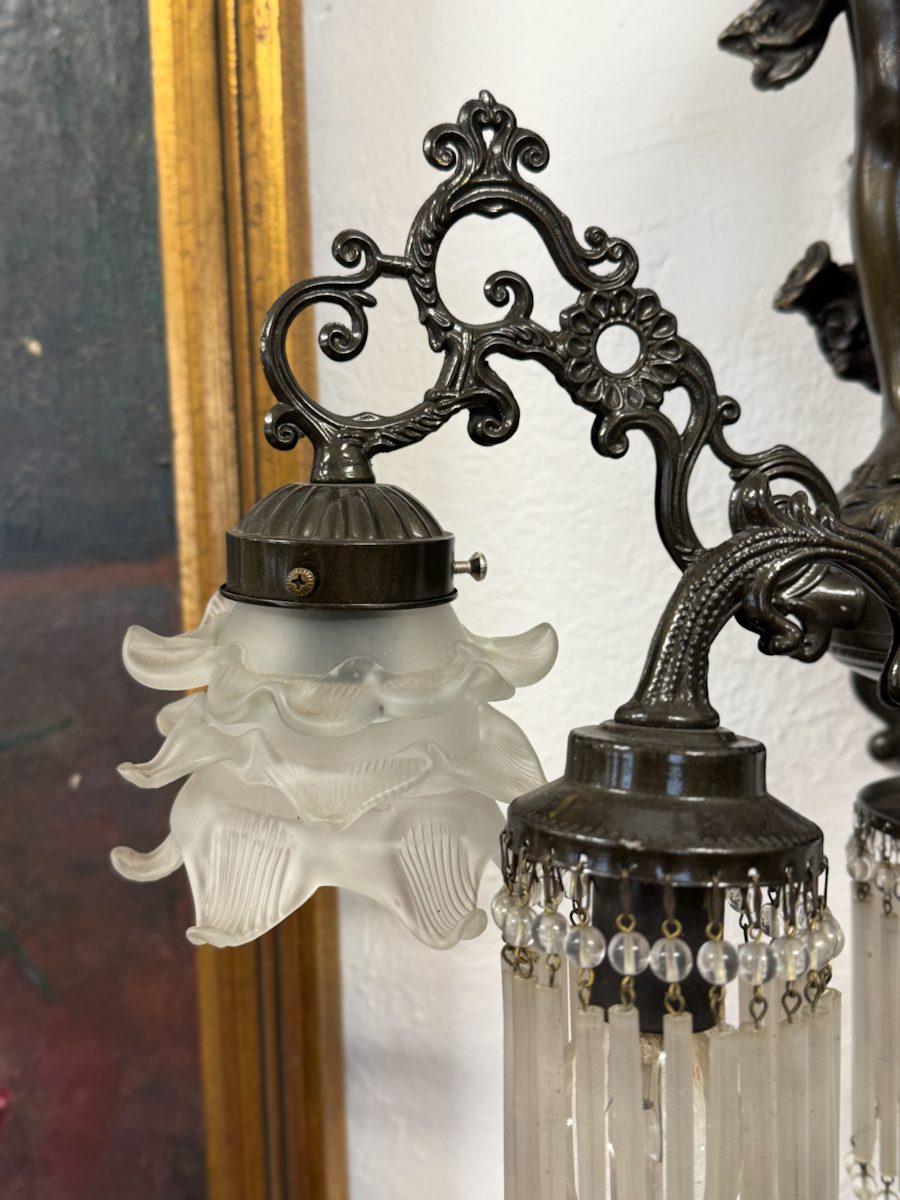
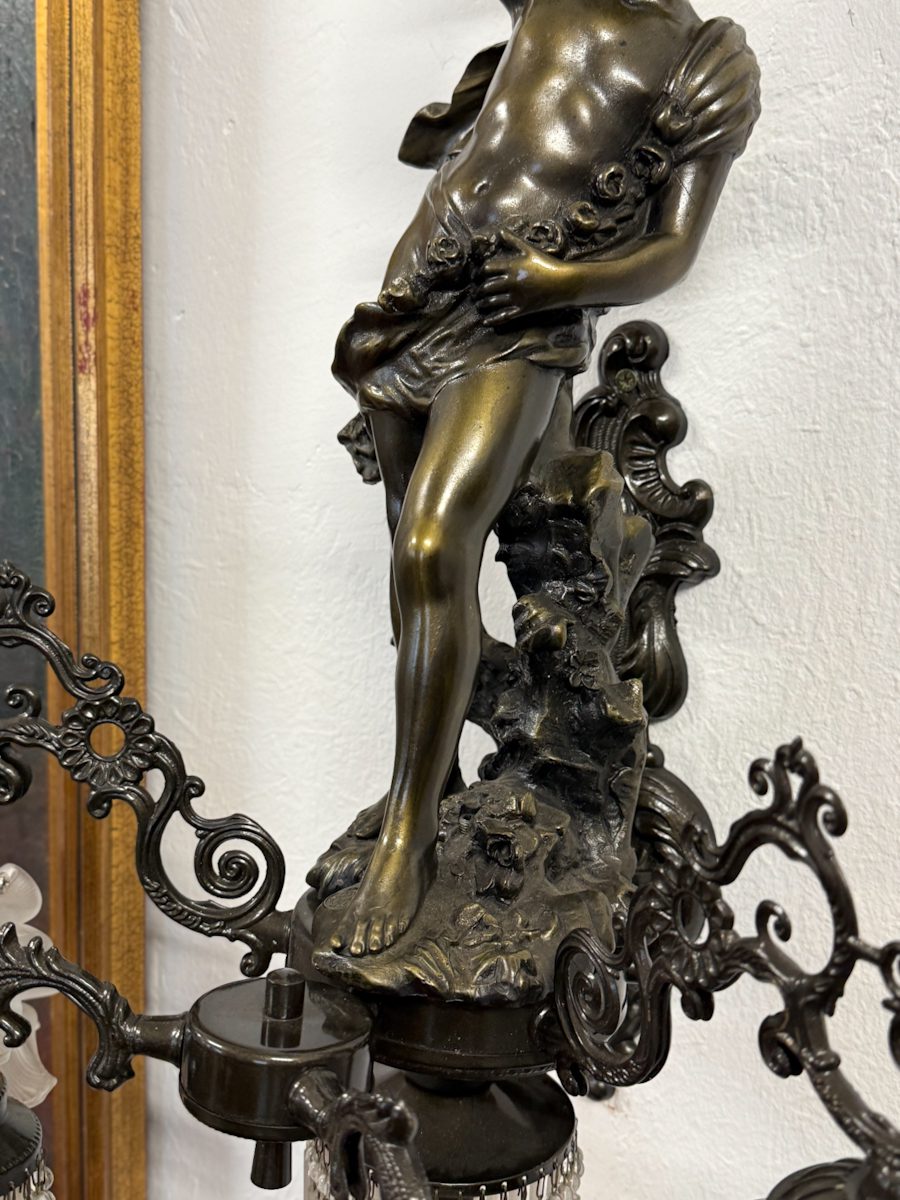
Liela bronzas sienas lampa ar putto zēna figūras skulptūru Auguste Moreau manierē. Belle Époque / Historicisms, Francija, ap 1890.–1910. Pieci gaismas punkti, stikla stienīšu un ziedu abažūri ar kristāla bumbiņām. Pieejama arī pāra lampa ar meitenes figūru (ID 6652). Aug. ~60 cm, pl. 47,5 cm, dz. 32,5 cm.
📐 IZMĒRI
Augstums ~60 cm × Platums 47,5 cm × Dziļums 32,5 cm
―――――――――――――――――――――
Bronzas Sienas Lampa ar Zēna Figūru — Belle Époque, Auguste Moreau stilā, Francija, ap 1890.–1910.
―――――――――――――――――――――
🏛️ IZGATAVOŠANAS PERIODS, MĀKSLAS STILS, LAIKMETS
Šī iespaidīgā bronzas sienas lampa pieder Belle Époque laikmeta dekoratīvās mākslas augstākajam slānim — periodam, kad Francijas skulptori un apgaismojuma meistari apvienoja plastisko skaistumu ar tehnoloģiju, radot priekšmetus, kas vienlaikus bija mākslas darbi un funkcionālas mēbeles. Izgatavošanas periods aptuveni 1890.–1910. gads atbilst laikam, kad Historicisms pakāpeniski pārtapa Jūgendstilā — un tieši šī pārejas brīža dialogs ir sajūtams lampas veidolā: smagnējie rocaille ornamenti kronšteinā vēl runā Historicisma valodā, bet figūras plastika un abažūru ziedu formas jau smeļas no Jūgendstila (Art Nouveau) dabas poēzijas.
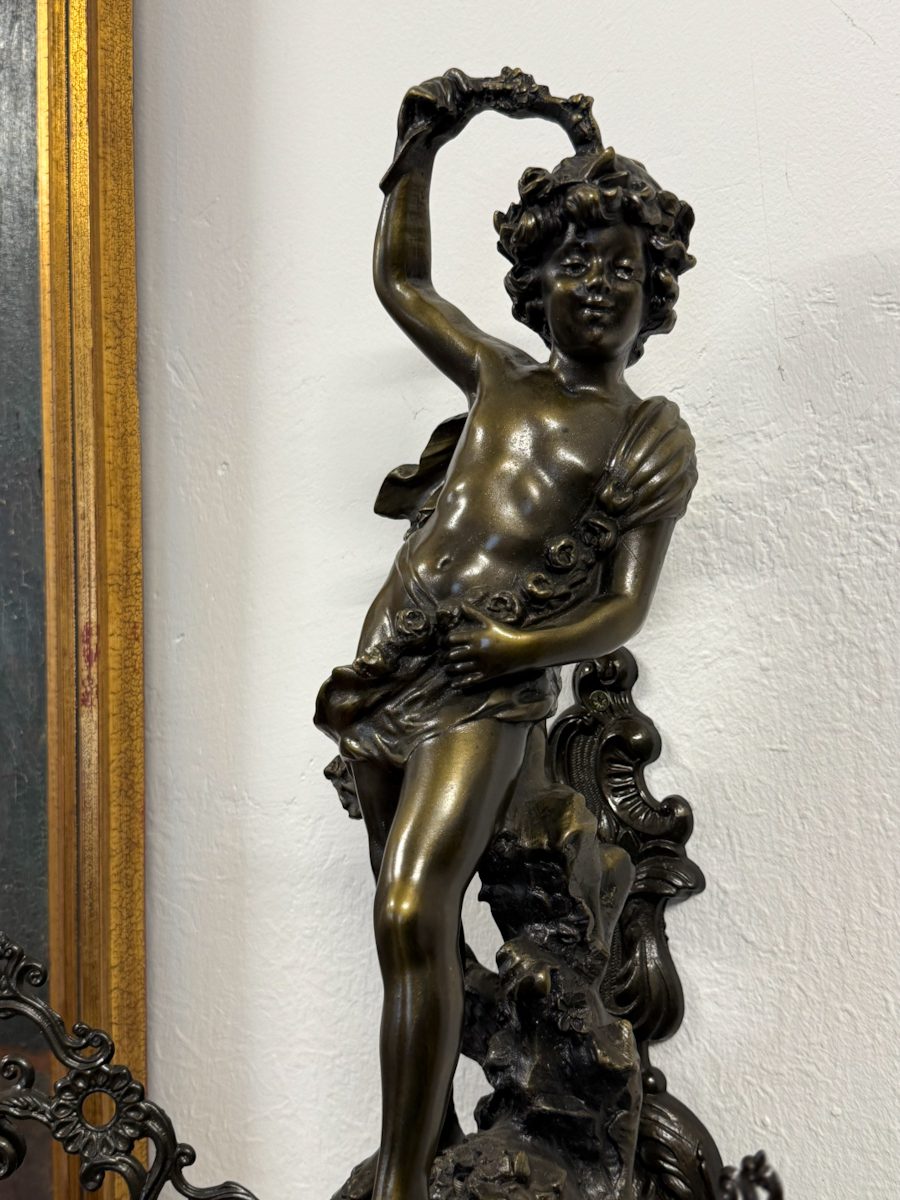
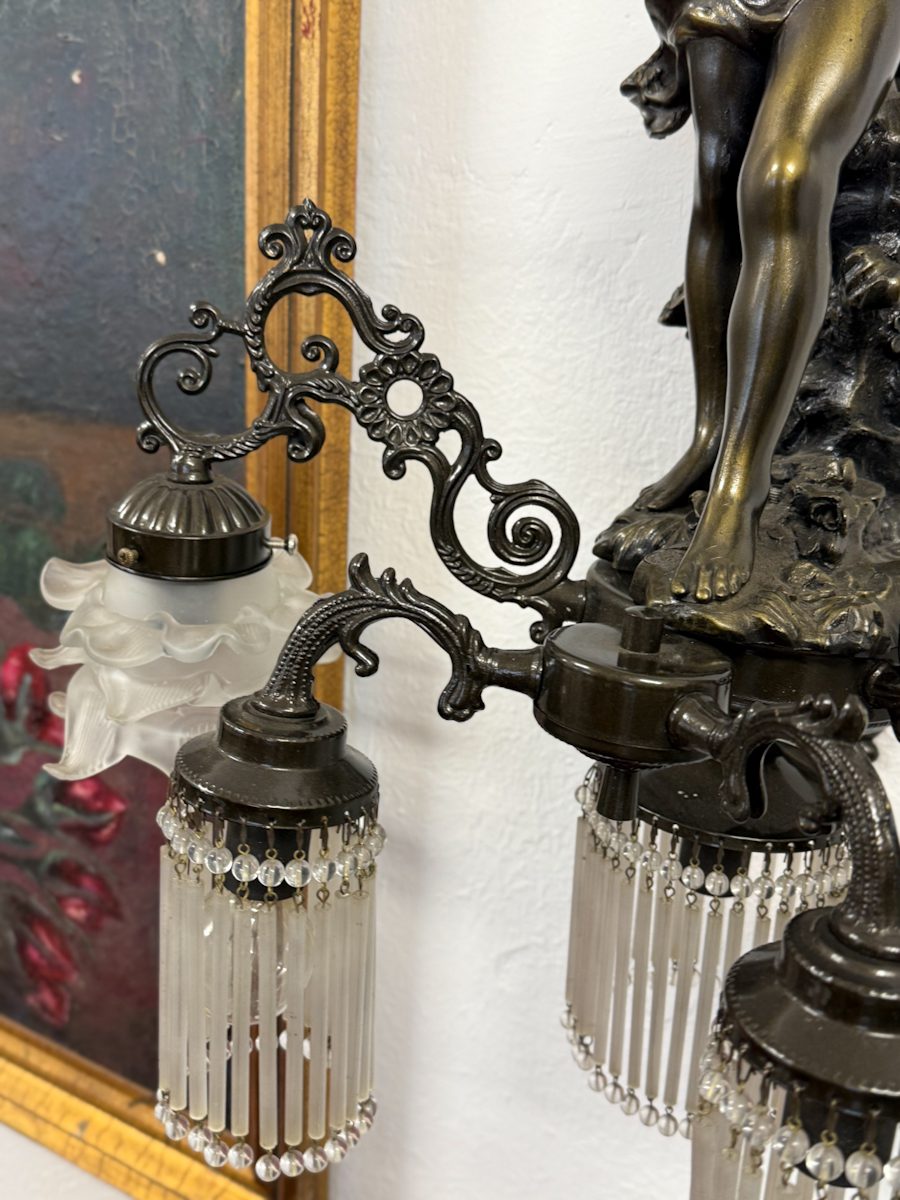
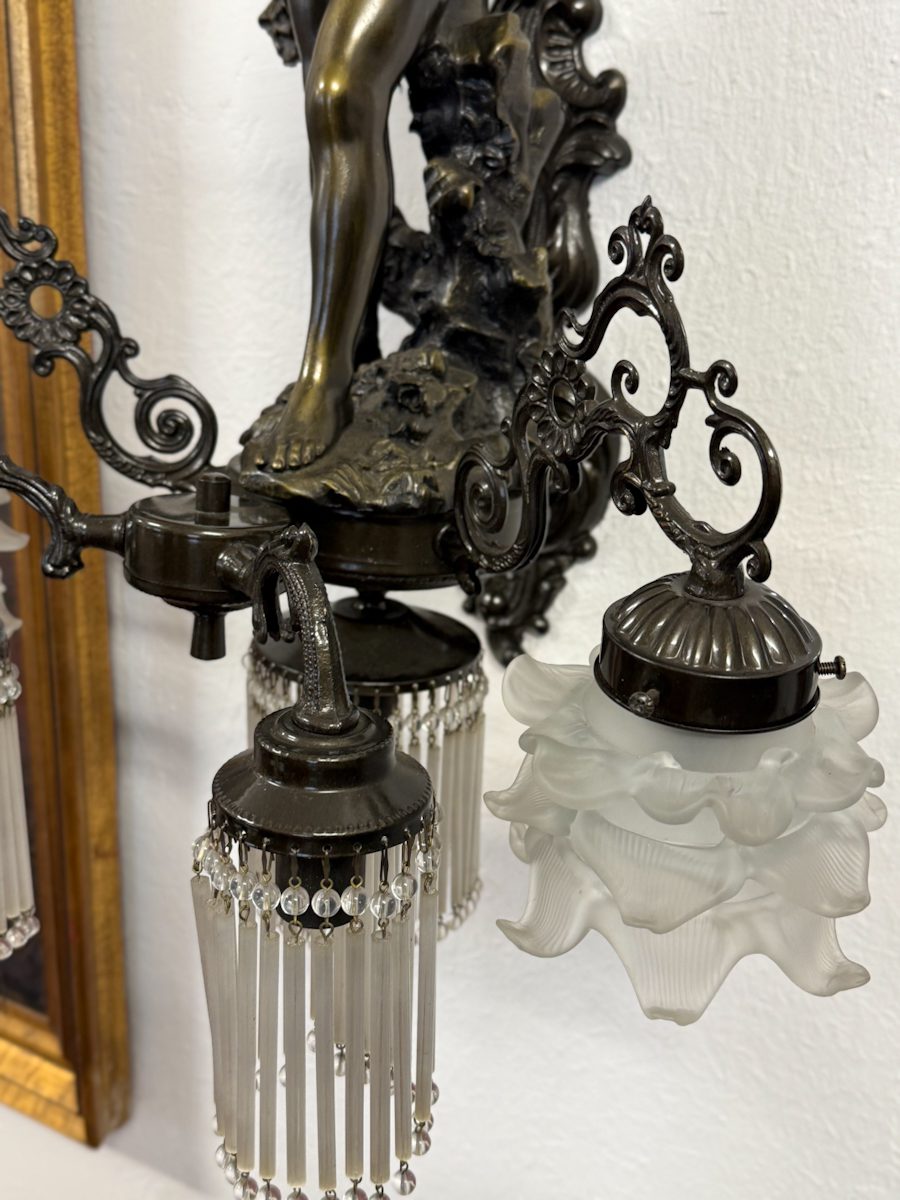
Centrālo vietu ieņem tumši patinēta bronzas figūra — rotaļīgs zēns putto tipa tēlā: viens rokas vēsts augšup, turot ziedu vainagu, galva pagriezta sānis dzīvīgā kustības brīdī, ap ķermeni bas-relief rozes un drapērijas fragments. Tā ir plastiskā valoda, ko Auguste Moreau (1834–1917) un viņa laikabiedri padarīja par savas ēras skaistuma standartu — maiga, dzīvīga, dabai tuva. Putto kā gaismas nesējs ir viens no Belle Époque dekoratīvās bronzas klasiskākajiem motīviem.
🕯️ Belle Époque momentuzņēmums: 1892. gadā, kad Jules Chéret Parīzē drukāja savus košos affiches ar dejojošiem, dzīvespriecīgiem bērnu tēliem un pilsētas ielas mirdzēja no jaunajām elektriskajām lukturēm, bronzas darbnīcas Faubourg Saint-Antoine kvartālā strādāja pilnā sparā. Tieši rotaļīgo putto figūras — zēni ar vainagiem, augļiem un ziediem — bija vismīļākais pasūtījums imponējošo Parīzes dzīvokļu saloniem, kur šādas lampas rotāja sienas kā mazas skulptūras ar gaismu dvēselē.
―――――――――――――――――――――
⚜️ RAŽOTĀJS UN MANUFAKTŪRAS ZĪMOGS
Redzama zīmoga vai paraksta nav konstatēts. Figūras plastiskā kvalitāte, sejas izteiksmes dzīvīgums un bas-relief rožu detaļu izstrāde liecina par pieredzējušas Parīzes bronzas darbnīcas roku, kas strādāja Auguste Moreau un viņa skolas tradīcijā. Auguste Moreau bija daļa no slavenās Moreau dzimtas skulptoru dinastijas, kuras darbus aktīvi interpretēja daudzas Francijas un Beļģijas darbnīcas. Šī lampa stilistiski pieder tieši šai tradīcijai — it sevišķi putto un bērnu allegorie figūru manierē, kas bija Moreau skolas ikoniskākais izteiksmes veids.
―――――――――――――――――――――
💎 RETUMS UN NOZĪME
Liela izmēra bronzas sienas lampa ar figurālu skulptūru ir viena no izsmalcinātākajām Belle Époque dekoratīvās mākslas formām. Šai lampai ir īpašs papildu akcents: tā ir daļa no paire — pāra, kur otru sienas lampu rotā meitenes figūra (pieejama atsevišķi, ID 6652). Abas lampas kopā veido izcilu, tematiski saistītu ansambli — divi bronzas tēli, kas runā vienu un to pašu laikmeta poētisko valodu no divām sienām. Šādi tematiski pāri kolekcionāru pasaulē ir īpaši meklēti un grūti atrodami.
―――――――――――――――――――――
🕯️ PIELIETOJUMS INTERJERĀ, DIZAINĀ UN FOTOGRĀFIJĀ
Šī lampa ir interjera priekšmets ar savu personību — tā nepieprasa papildinājumus, tā ir centrālais akcents. Ideāli piemērota klasiskā, eklektiskā vai jaunā glamūra interjerā — virs konsoles galda, flankējot lielu spoguli, vai kā patstāvīgs skaistuma objekts uz balta sienas fona. Fotogrāfi un stilistu komandas izmanto šāda tipa priekšmetus editorial un fashion uzņēmumos — figūras siluets, stikla stienīšu bārkstis un bronzas patine rada vizuāli bagātu, laika ziņā neitrālu ainu. Ja iegādājas abas lampas komplektā, to simetriski pretstatītais izvietojums rada grandiozu efektu reprezentācijas telpās, viesnīcu vestibilos vai lielas mājas galvenajā kāpņu telpā.
―――――――――――――――――――――
🎁 DĀVANA UN PERSONALIZĀCIJA
Bronzas sienas lampa ar putto zēna figūru ir izcila izvēle kā reprezentatīva dāvana mājas iekārtas, mākslas vai antikvitāšu cienītājam. Tās alegoriskā figūra — jaunības, dzīvesprieka un skaistuma iemiesojums — padara to par simboliski bagātu dāvanu. Īpaši piemērota tiem, kas dzimuši Mežāzim, Vērsim vai Svaros — zīmēm, kuru pārstāvji ievērtē estētiku, klasiku un ilgmūžīgus skaistuma kanonus.
―――――――――――――――――――――
🔍 STĀVOKLIS
Vispārēji labs, darbspējīgs stāvoklis. Bronzas patine — dabīgi veidojusies, tumši brūna ar zaļganiem toņiem — piešķir lampai autentisko laikmeta izskatu. Abažūri — dažādi: daļa ar frosted stikla ziedu formā, daļa ar stikla stienīšu cilindriskiem abažūriem un kristāla bumbiņām — iespējams, laika gaitā aizstāti vai sajaukti. Elektriskā instalācija — pārtaisīta; ieteicama pārbaude un eventuāla pārinstalācija atbilstoši vietējiem elektrostandartiem. Kristāla elementi — bez acīmredzamiem lūzumiem. Lietas stāvoklis pilnībā atspoguļots fotogrāfijās.
―――――――――――――――――――――
⚠️ SVARĪGA PIEZĪME: Šis priekšmets nav norādītā datējuma oriģināls, bet gan stila turpinājums — ražots šajā estētikā 20. gadsimta vidū.
―――――――――――――――――――――
🇬🇧 DESCRIPTION IN ENGLISH
―――――――――――――――――――――
📐 DIMENSIONS
Height approximately 60 cm × Width 47.5 cm × Depth 32.5 cm
―――――――――――――――――――――
Bronze Wall Lamp with Male Figure — Belle Époque, in the Manner of Auguste Moreau, France, approximately 1890–1910
―――――――――――――――――――――
🏛️ PERIOD, ARTISTIC STYLE, ERA
This impressive bronze wall lamp belongs to the highest register of Belle Époque decorative arts — a period when French sculptors and lighting makers united plastic beauty with technology, creating objects that were simultaneously works of art and functional furnishings. The approximate production period of 1890–1910 corresponds to the moment when Historicism was giving way to Art Nouveau — and it is precisely this transitional dialogue that animates the lamp’s form: the bold rocaille ornament of the bracket still speaks the language of Historicism, while the figure’s plasticity and the flower-shaped shades already draw from the nature poetry of Jugendstil.
The central presence is a darkly patinated bronze figure — a playful boy in the manner of a putto: one arm raised holding a floral wreath aloft, head turned to the side in a lively gesture, body adorned with bas-relief roses and a fragment of drapery. This is the plastic language that Auguste Moreau (1834–1917) and his contemporaries made the beauty standard of their era — tender, lively, close to nature. The putto as bearer of light is one of the most classical motifs in Belle Époque decorative bronze.
🕯️ Belle Époque snapshot: In 1892, as Jules Chéret printed his vivid affiches across Paris featuring dancing, joyful figures and the city’s streets glittered with new electric lamps, the bronze workshops of the Faubourg Saint-Antoine quarter worked at full capacity. Playful putto figures — boys with wreaths, fruits and flowers — were among the most beloved commissions for the grand Parisian apartment salon, where such lamps adorned the walls as small sculptures with light for a soul.
―――――――――――――――――――――
⚜️ MAKER AND MARKS
No visible maker’s mark or signature has been identified. The plastic quality of the figure, the liveliness of the facial expression, and the elaboration of the bas-relief rose details point to an accomplished Parisian bronze workshop working in the tradition of Auguste Moreau and his circle. Auguste Moreau was a member of the celebrated Moreau dynasty of sculptors whose compositions were widely interpreted by numerous workshops across France and Belgium. This lamp belongs stylistically to that tradition — particularly in the manner of putto and child allegorie figures that were the most iconic expression of the Moreau school.
―――――――――――――――――――――
💎 RARITY AND SIGNIFICANCE
A large-scale bronze wall lamp with a sculptural figure is one of the most refined forms of Belle Époque decorative art. This lamp carries an additional distinction: it is part of a paire — a matched pair in which the companion wall lamp features a female figure (available separately, ID 6652). Together the two lamps form an outstanding, thematically unified ensemble — two bronze figures speaking the same poetic language of their era from opposite walls. Thematically matched pairs of this kind are among the most sought-after and difficult to find in the collector’s world.
―――――――――――――――――――――
🕯️ USE IN INTERIORS, DESIGN AND PHOTOGRAPHY
This lamp is an interior object with its own personality — it demands no additions, it is the central accent. Ideal in classical, eclectic, or new glamour interiors — above a console table, flanking a large mirror, or as a singular object of beauty against a white wall. Photographers and styling teams reach for pieces of this character in editorial and fashion shoots — the figure’s silhouette, the glass rod fringe, and the bronze patine create a visually rich, temporally ambiguous setting. When both lamps of the pair are acquired together, their symmetrically opposed placement creates a grand effect in reception rooms, hotel lobbies, or the main stairwell of a large residence.
―――――――――――――――――――――
🎁 AS A GIFT
A bronze wall lamp with a putto figure is an exceptional choice as a representative gift for the lover of home decoration, art, or antiques. Its allegorical figure — an embodiment of youth, joy and beauty — makes it a symbolically resonant gift. Particularly appreciated by those born under Capricorn, Taurus, or Libra — signs whose representatives prize aesthetics, classical beauty, and enduring elegance.
―――――――――――――――――――――
🔍 CONDITION
Generally good, working condition. The bronze patine — naturally developed, dark brown with greenish tones — lends the lamp its authentic period character. The shades are mixed: some in frosted flower-form glass, others in cylindrical glass rod fringe format with crystal drop finials — likely replaced or interchanged over time. Electrical installation has been converted; inspection and re-wiring to current local electrical standards is recommended. Crystal elements show no visible fractures. Condition is fully reflected in the photographs.
―――――――――――――――――――――
⚠️ IMPORTANT NOTE: This item is not an original of the period indicated, but rather a stylistic continuation — produced in this aesthetic tradition in the mid-20th century.
―――――――――――――――――――――