
Neoklasicisma / Eklektisma stila augsta, koka kolonna melnā krāsā, diezgan viegla pēc svara (6444)
Neoklasicisma / Eklektisma stila augsta, koka kolonna melnā krāsā, diezgan viegla pēc svara (6444)
€300.00
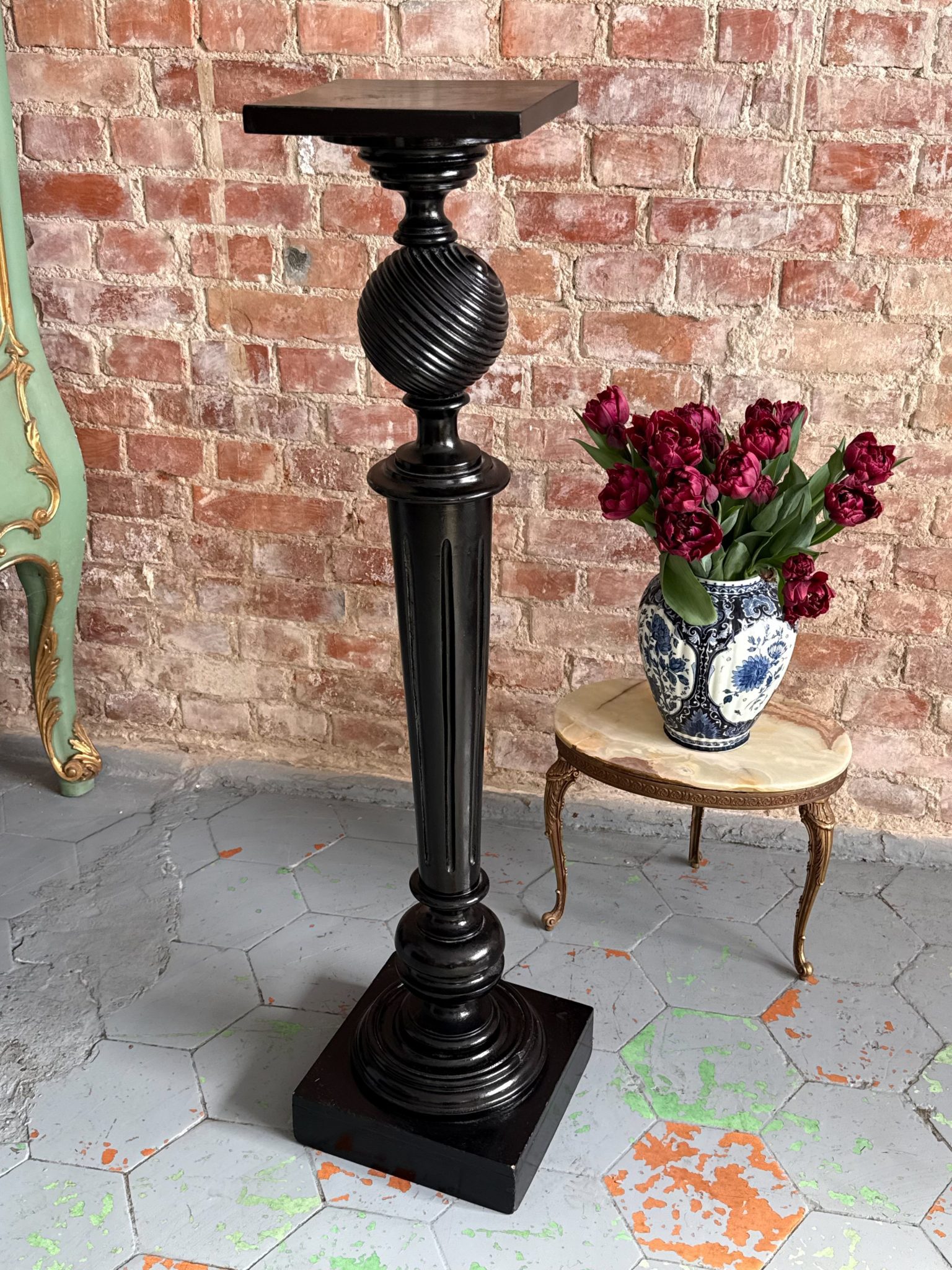
📐 IZMĒRI — Augstums 116 cm × Virsmas izmērs 23 cm × Pamatnes platums 28 cm. Diezgan viegla pēc svara.
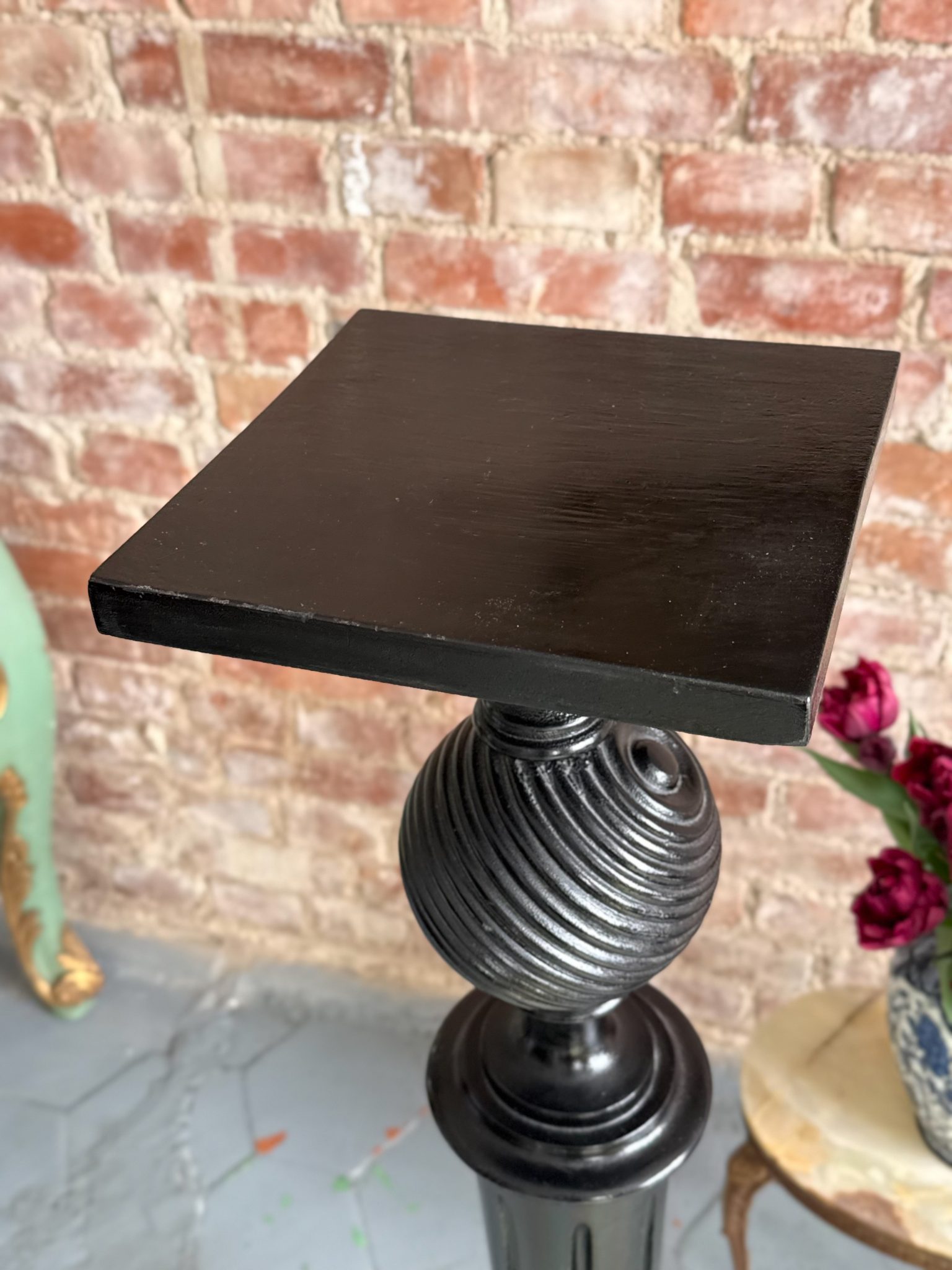
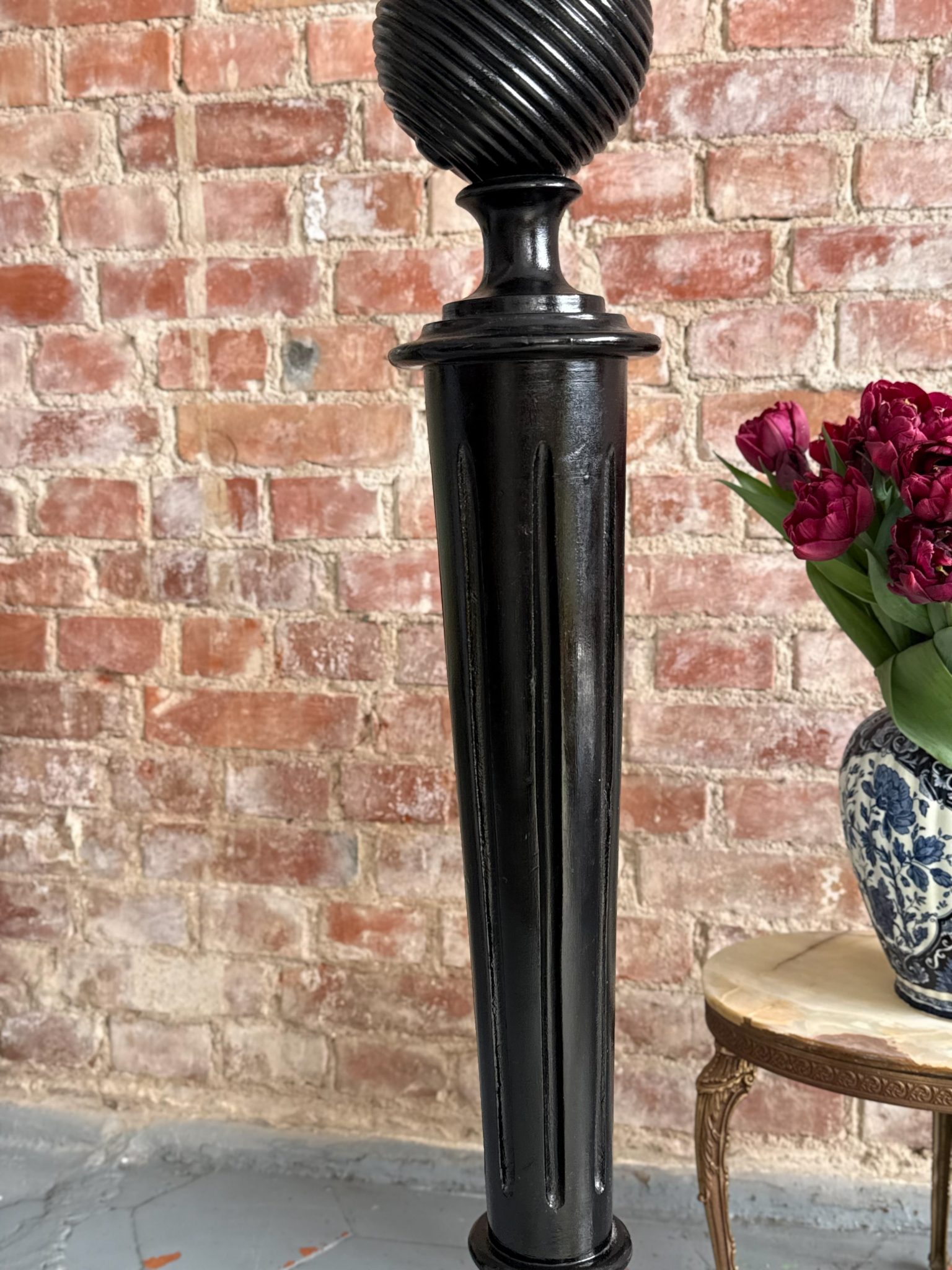
Melnā koka skulptūras postamentis (kolonna-pjedestāls) ar spirālveida bumbu — Neoklasicisma / Eklektisma stils
―――――――――――――――――――――
🏛️ IZGATAVOŠANAS PERIODS, MĀKSLAS STILS, LAIKMETS
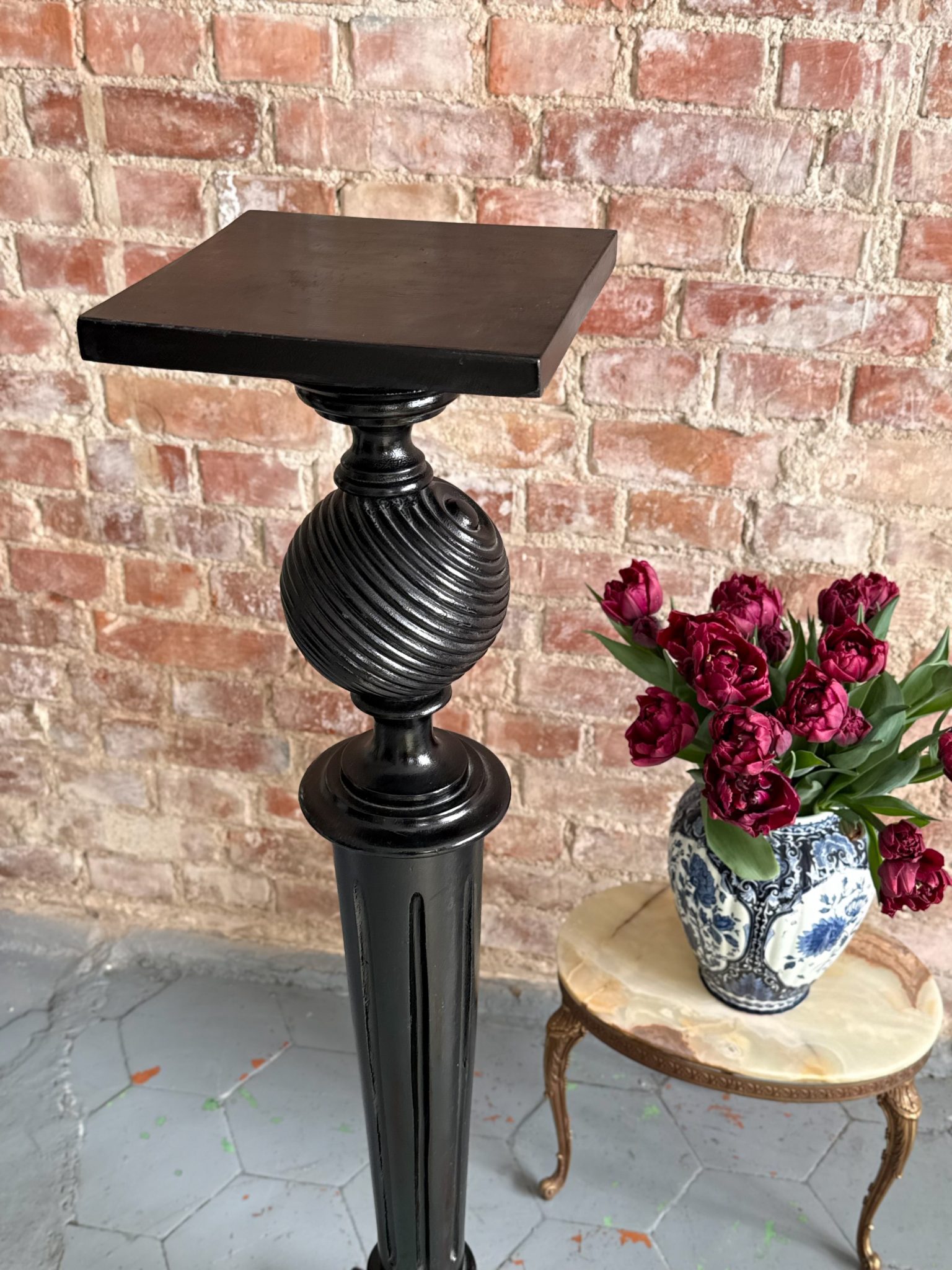
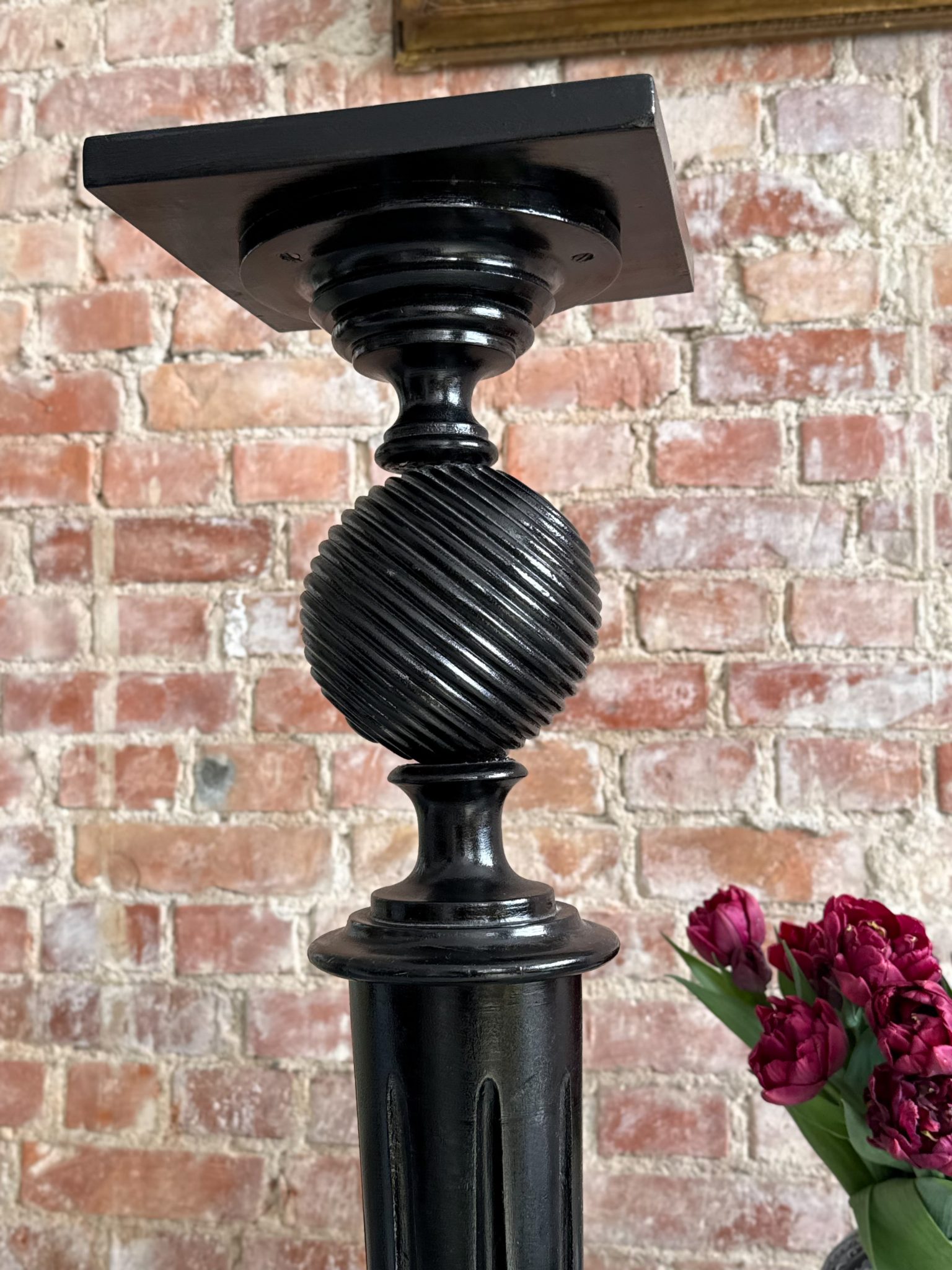
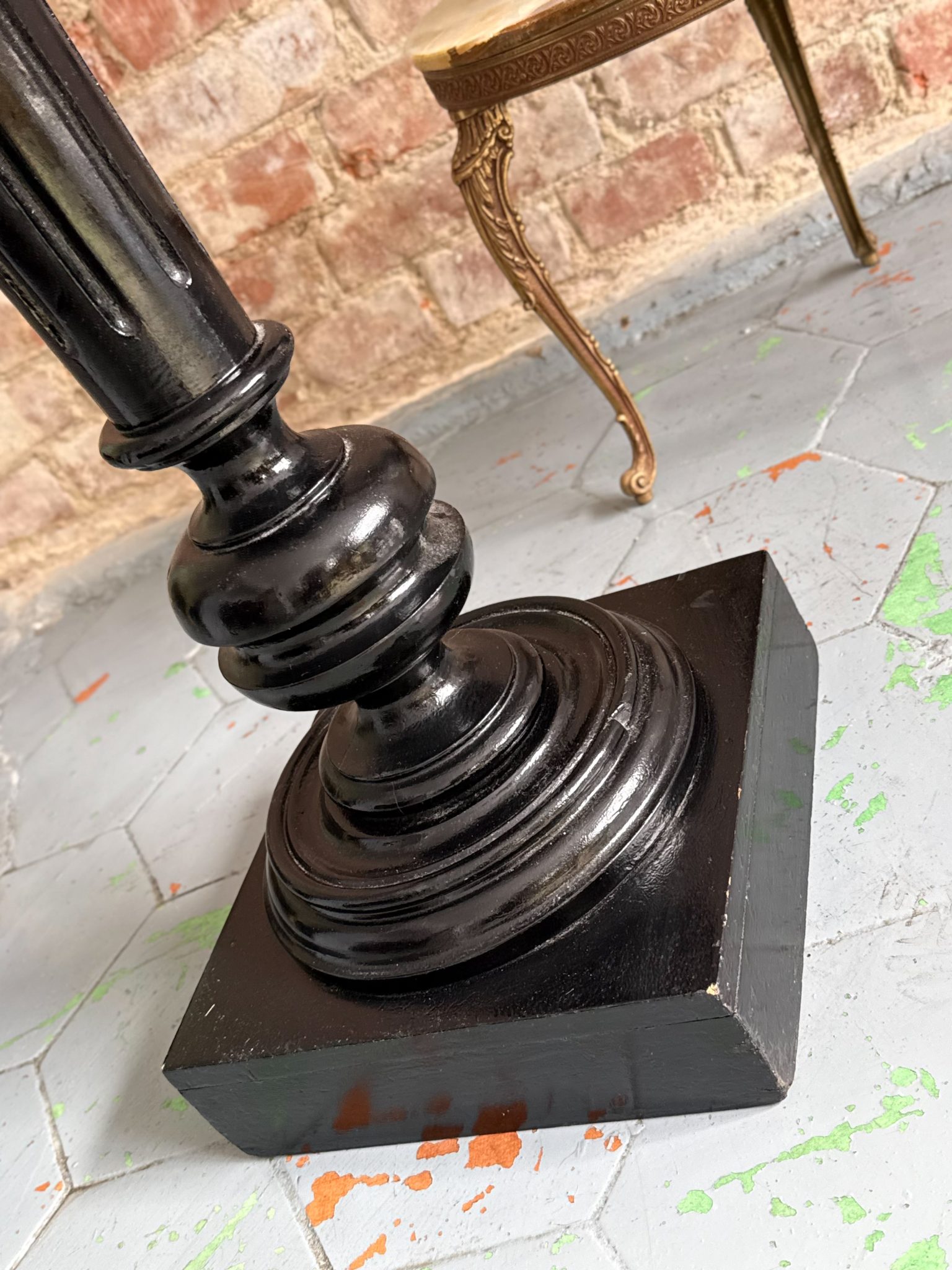
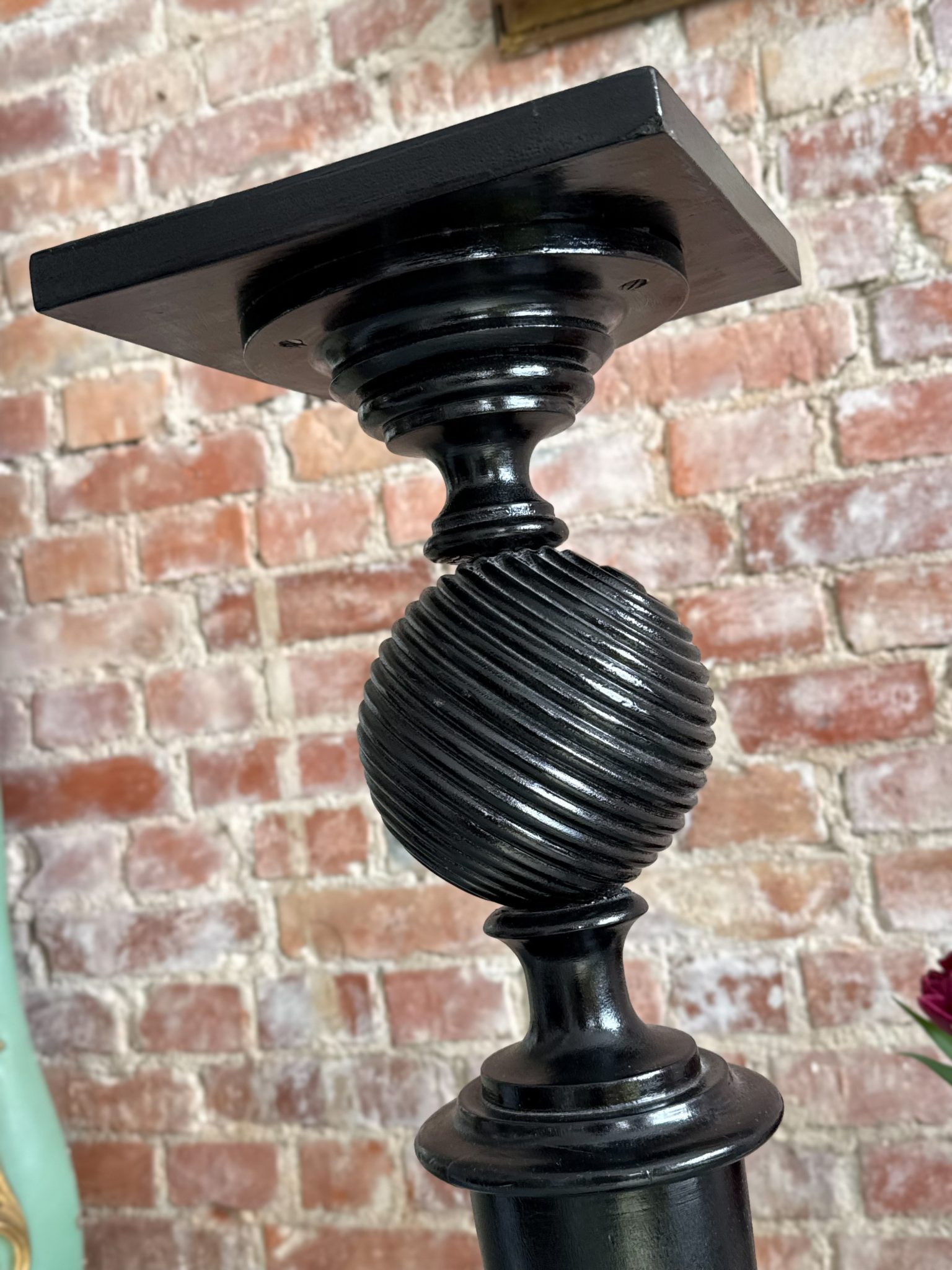
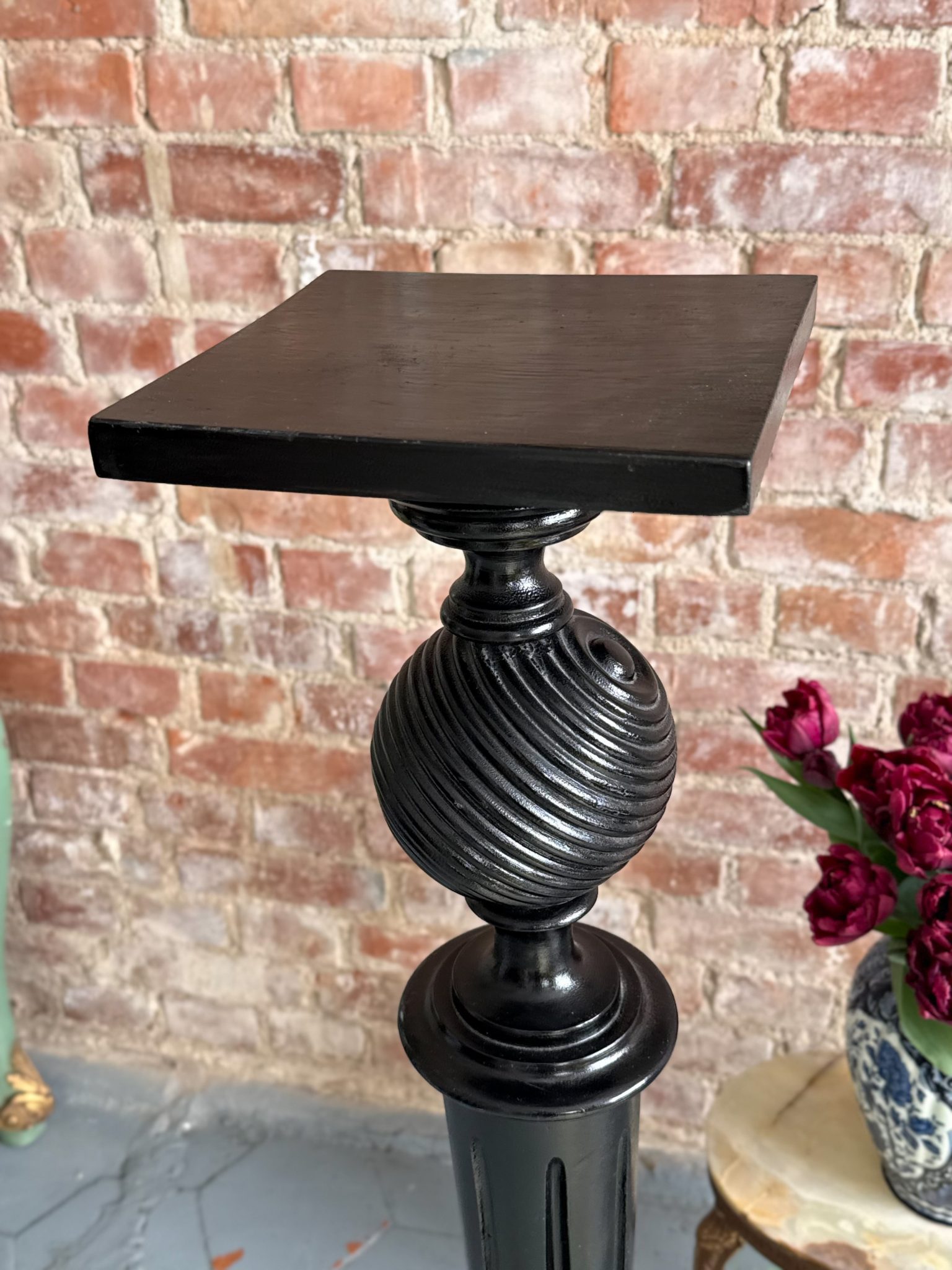
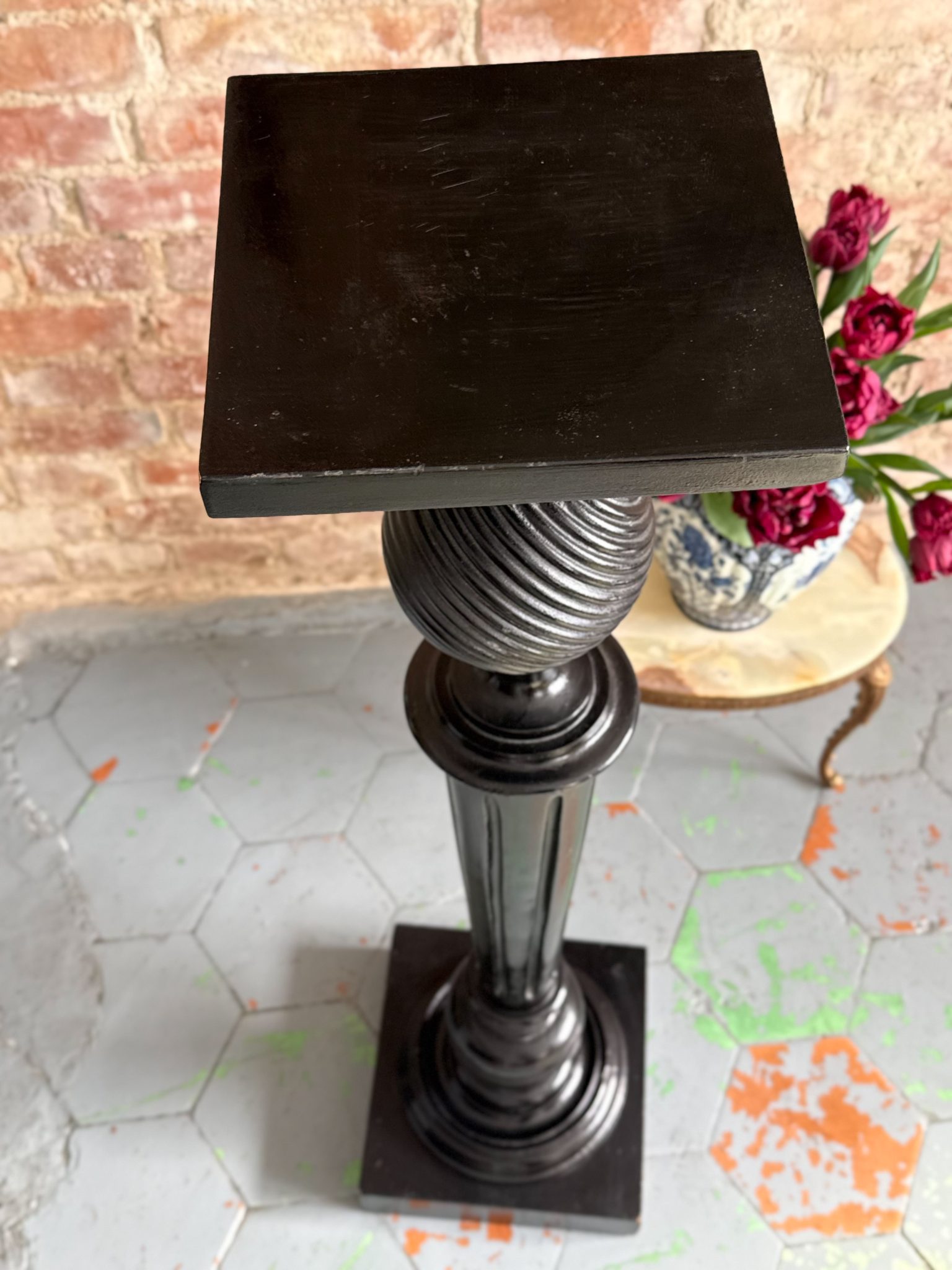
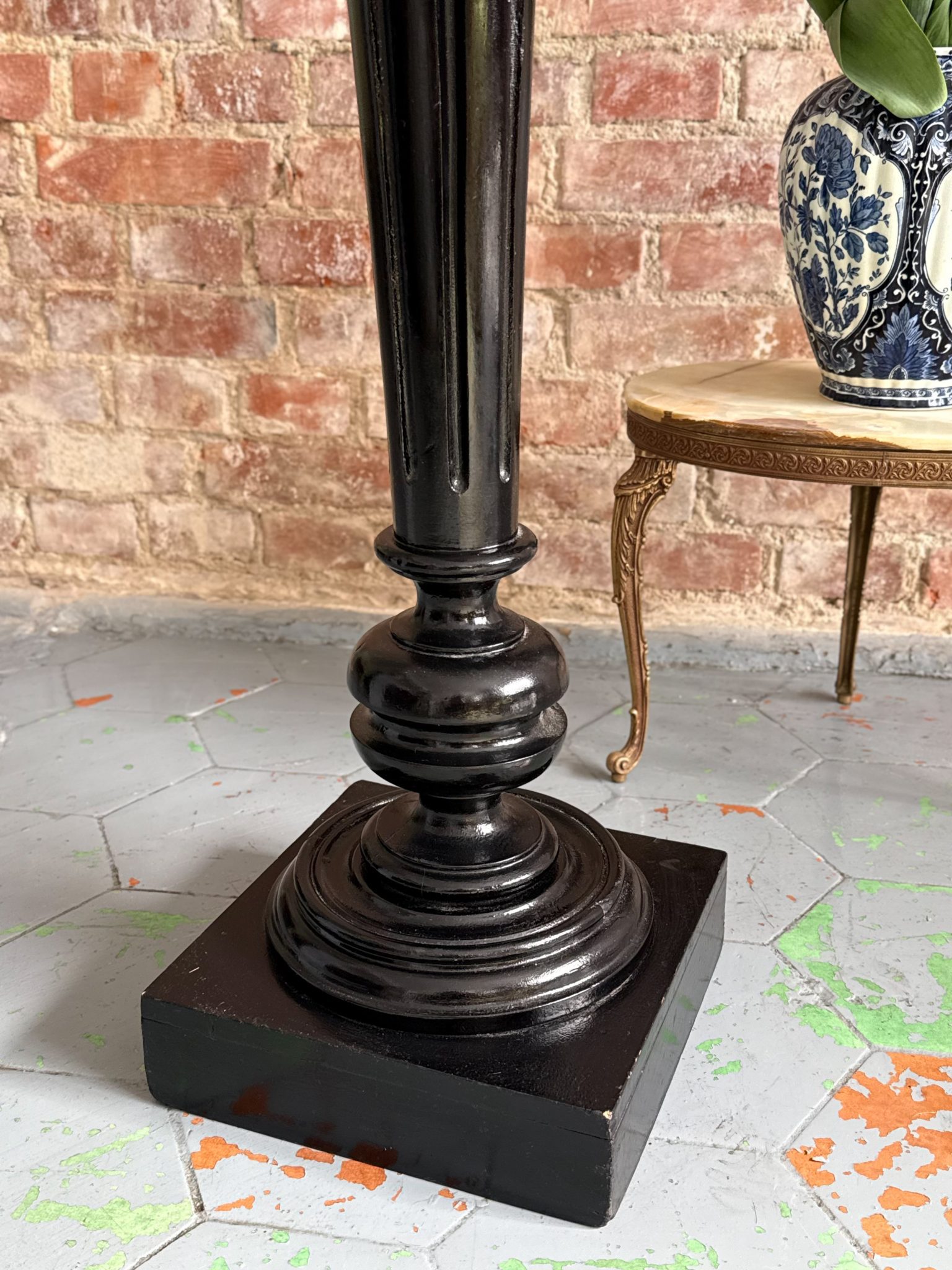
Izgatavots aptuveni 19. gadsimta otrajā pusē — 20. gadsimta sākumā, laikposmā no 1870. līdz 1910. gadam. Stils apvieno Neoklasicisma kolonnas formu ar Eklektisma un Renesanses atdzimšanas virziena (néo-Renaissance) dekoratīvajiem elementiem. Raksturīgās iezīmes: augsts, kanelēts (kannelēts — ar vertikālām rievām) kolonnas kāts; rievota spirālveida bumba (boule à côtes torsadées) kā vizuāls pārtraukums starp kātu un virsmu — šis elements bija ļoti populārs reprezentatīvos 19. gs. interjeros; pakāpeniska, daudzpakāpju pamatne ar pusaploces profiliem. Koks ebonizēts — krāsots vai apstrādāts melnā tonī, imitējot ebenkoka (ébène) izskatu, kas bija augsti modē franču un beļģu galdniecībā 19. gs. otrajā pusē. Šādi pjedestāli tika izmantoti skulptūru, vāžu, svečdelabru un dekoratīvo priekšmetu ekspozīcijai gan aristokrātiskos salonos, gan muzeja tipa telpās.
―――――――――――――――――――――
⚜️ RAŽOTĀJS UN MANUFAKTŪRAS ZĪMOGS
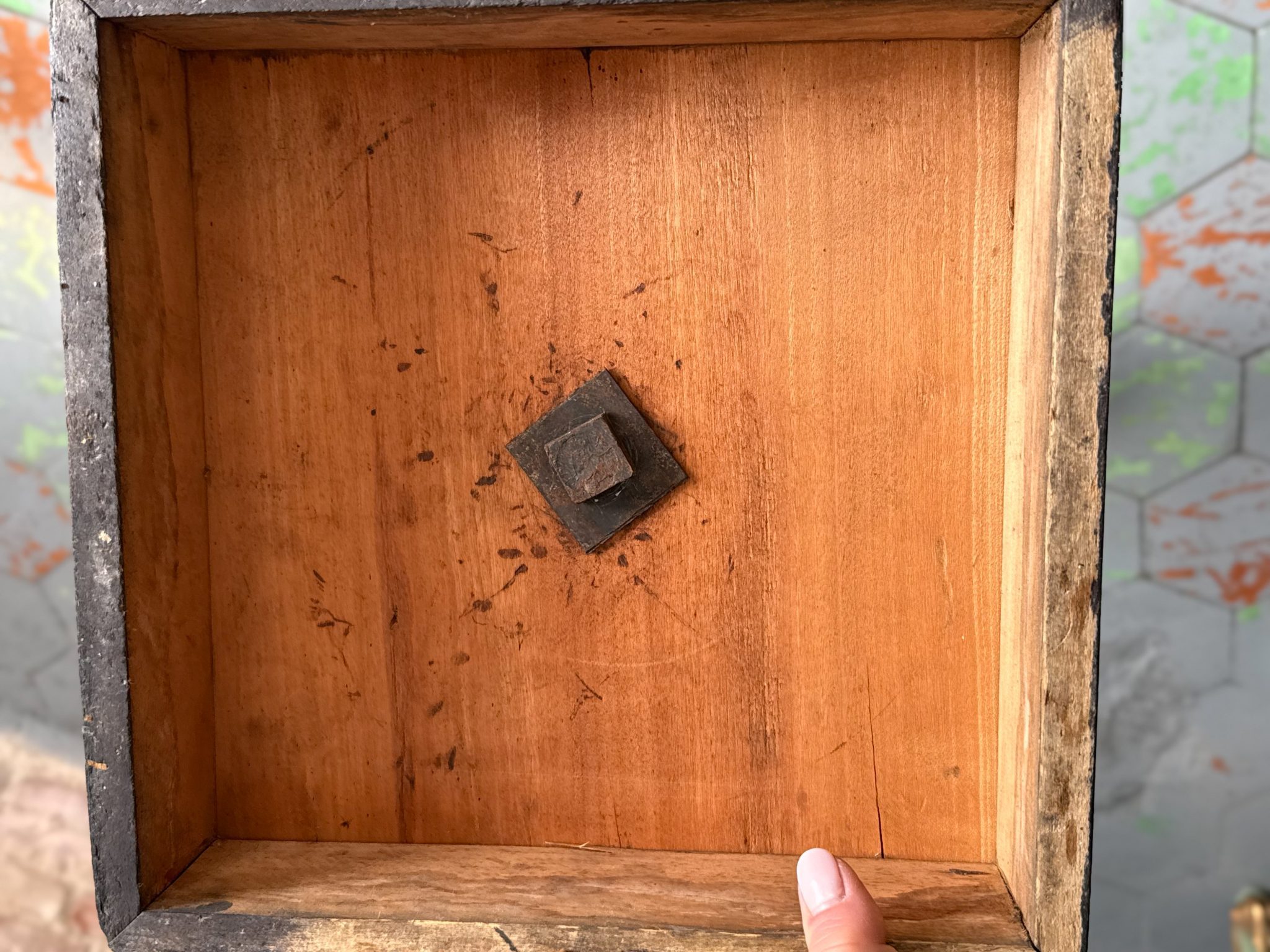
Pamatnes iekšpusē redzama neapstrādāta koka virsma ar centrālu metāla stiprinājuma elementu. Ražotāja zīmogs nav identificējams. Konstrukcija un ebonizācijas tehnika liecina par Eiropas — visticamāk Francijas, Beļģijas vai Vācijas — profesionālu galdniecības darbnīcu. Šāda tipa pjedestāli tika ražoti gan individuāli pēc pasūtījuma, gan sērijveidā lielākās mēbeļu un dekoratīvo priekšmetu manufaktūrās, kas apgādāja aristokrātu rezidences un muzejus visā Eiropā.
―――――――――――――――――――――
💎 RETUMS UN NOZĪME
Augsts ebonizēta koka pjedestāls ar spirālveida bumbu ir klasiska un meklēta antikvariāta vienība, ko interjera dizaineri izmanto gan klasiskos, gan modernos projektos. Šāda augstuma (116 cm) un proporciju pjedestāli ir retāki nekā zemāki analogi, jo tika izgatavoti tieši lielāka izmēra skulptūru vai reprezentatīvu priekšmetu eksponēšanai. Pieprasījums pēc šāda tipa kolonnu pjedestāliem pēdējos gados pieaudzis arī modes fotogrāfijā un skatuves dizainā.
―――――――――――――――――――――
🕯️ PIELIETOJUMS INTERJERĀ, DIZAINĀ UN FOTOGRĀFIJĀ
Šis pjedestāls ir ārkārtīgi daudzpusīgs interjera elements. Klasiskā veidā — kā skulptūras, büsta, dekoratīvas vāzes vai augu kompozīcijas pamatne salona vai gaiteņa stūrī. Melnā krāsa padara to universālu gan konservatīvos klasicistiskos, gan modernos minimālistiskos un industriālajos interierās. Fotogrāfijā — ideāls postamentis produktu, aksesuāru, smaržu vai juvelierizstrādājumu fotosesijām; arī modes uzņēmumos kā dinamiska reljefa fona elements. Skatuves un kino dizaineriem — ērts, viegls, pārvietojams rekvizīts, kas iederas daudzās laikmeta ainās. Augstums 116 cm nodrošina ideālu proporciju arī ekspozīcijās ar augstāku griestiem.
―――――――――――――――――――――
🔍 STĀVOKLIS
Vispārējais stāvoklis ir labs, atbilstoši vecumam. Melnā ebonizācija saglabājusies labi, ar dabiskām laika nolietojuma pēdām — atsevišķās vietās redzami nelieli skrāpējumi un krāsas nolietojums, īpaši pamatnes apakšdaļā un stūros. Spirālveida bumba un kanelētais kāts ir veseli un bez struktūras bojājumiem. Pamatnes iekšpuse — neapstrādāts koks ar normāliem vecuma pēdām. Virsmas plāksne stabili piestiprināta. Konstrukcija kopumā stabila un izturīga.
Lietas stāvoklis pilnībā atspoguļots fotogrāfijās.
―――――――――――――――――――――
🇬🇧 DESCRIPTION IN ENGLISH
📐 DIMENSIONS — Height 116 cm × Top surface 23 cm × Base width 28 cm. Relatively lightweight.
Ebonised Wood Sculpture Pedestal (Column Stand) with Spiral Ball — Neoclassical / Eclectic Style
―――――――――――――――――――――
🏛️ PERIOD, ART STYLE, HISTORICAL CONTEXT
Made approximately in the second half of the 19th century to the early 20th century, between 1870 and 1910. The style combines a Neoclassical column form with Eclectic and Neo-Renaissance decorative elements. Key features include: a tall, fluted columnar shaft; a spiral-ribbed ball (boule à côtes torsadées) as a visual break between the shaft and the top — a highly fashionable element in 19th-century representative interiors; and a stepped, multi-profile base with semicircular mouldings. The wood is ebonised — painted or treated in a black finish to imitate ebony (ébène), which was greatly in vogue in French and Belgian cabinetmaking during the second half of the 19th century. Pedestals of this type were used to display sculptures, vases, candelabras, and decorative objects in aristocratic salons and museum-style reception rooms.
―――――――――――――――――――――
⚜️ MAKER AND FOUNDRY MARKS
The interior of the base shows an untreated wood surface with a central metal fixing element. No maker’s mark has been identified. The construction and ebonising technique point to a professional European cabinetmaking workshop — most likely French, Belgian, or German. Pedestals of this type were produced both individually to commission and in series by larger furniture and decorative arts manufacturers supplying aristocratic residences and museums throughout Europe.
―――――――――――――――――――――
💎 RARITY AND SIGNIFICANCE
A tall ebonised wood pedestal with a spiral ball is a classic and sought-after antique, used by interior designers in both traditional and contemporary projects. Pedestals of this height (116 cm) and proportion are rarer than shorter examples, as they were made specifically for displaying larger sculptures or prestigious decorative objects. Demand for column-style pedestals has grown in recent years, particularly in fashion photography and stage design.
―――――――――――――――――――――
🕯️ USE IN INTERIOR DESIGN AND PHOTOGRAPHY
This pedestal is an exceptionally versatile interior element. In the classical sense — as a base for a sculpture, bust, decorative vase, or plant composition in a salon or hallway corner. The black finish makes it universally compatible with conservative classicist, modern minimalist, and industrial interiors alike. In photography — an ideal stand for product, accessory, perfume, or jewellery shoots; also effective in fashion sessions as a dynamic textured background element. For stage and film designers — a convenient, lightweight, portable prop that works across many historical periods. The 116 cm height ensures ideal proportions even in rooms with higher ceilings.
―――――――――――――――――――――
🔍 CONDITION
Overall condition is good and consistent with age. The black ebonising is well preserved, with natural wear — minor scratches and paint loss are visible in certain areas, particularly on the lower base and corners. The spiral ball and fluted shaft are intact with no structural damage. The base interior shows untreated wood with normal age marks. The top platform is firmly attached. The overall structure is stable and solid.
The condition of the item is fully reflected in the photographs.