
Liela Izmēra Apollona Biste Dārzam, Neoklasicisms, čuguna lējums, Eiropa, ap 1880.–1930. Ļoti, Ļoti Smaga (4858)
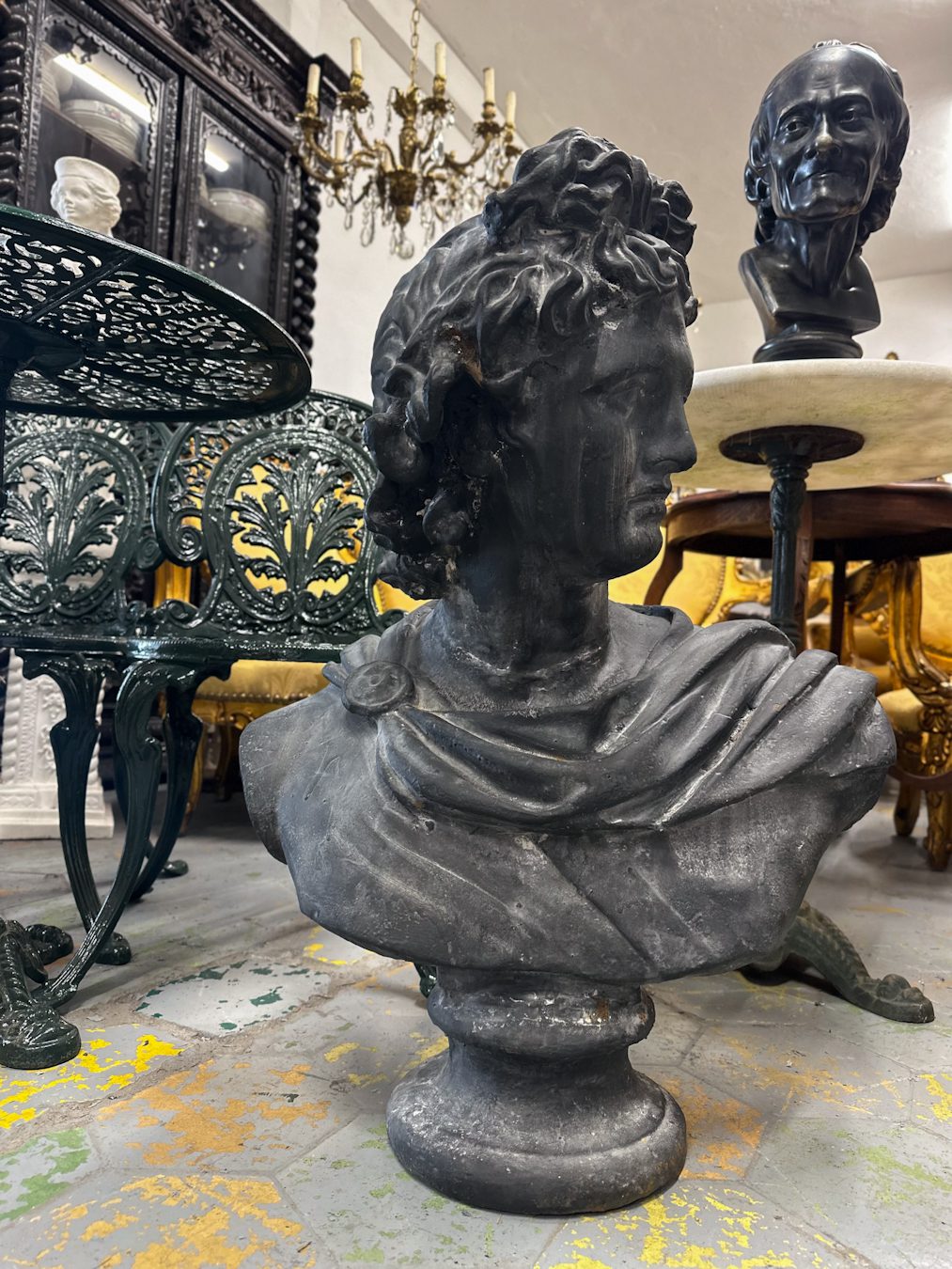
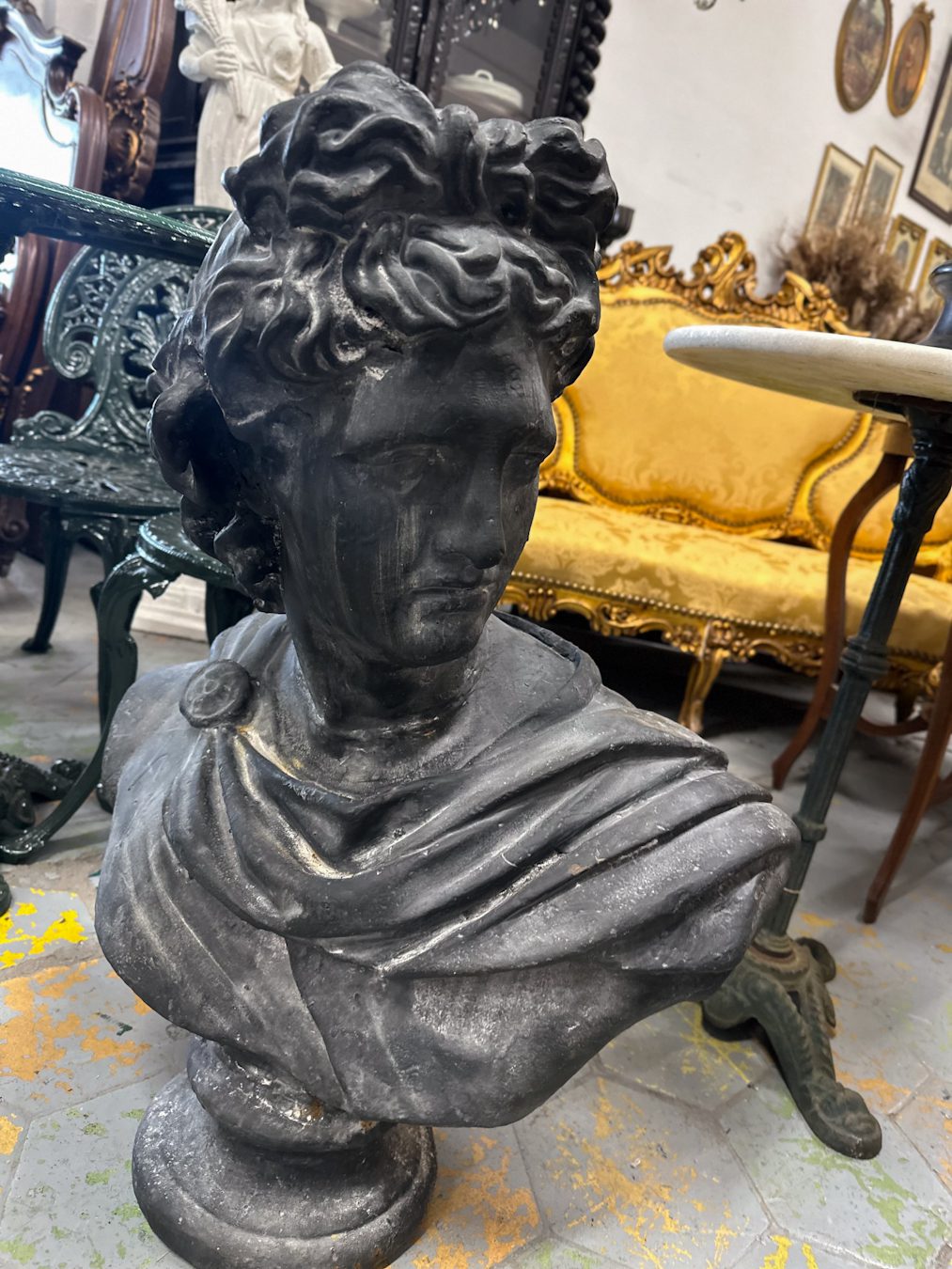
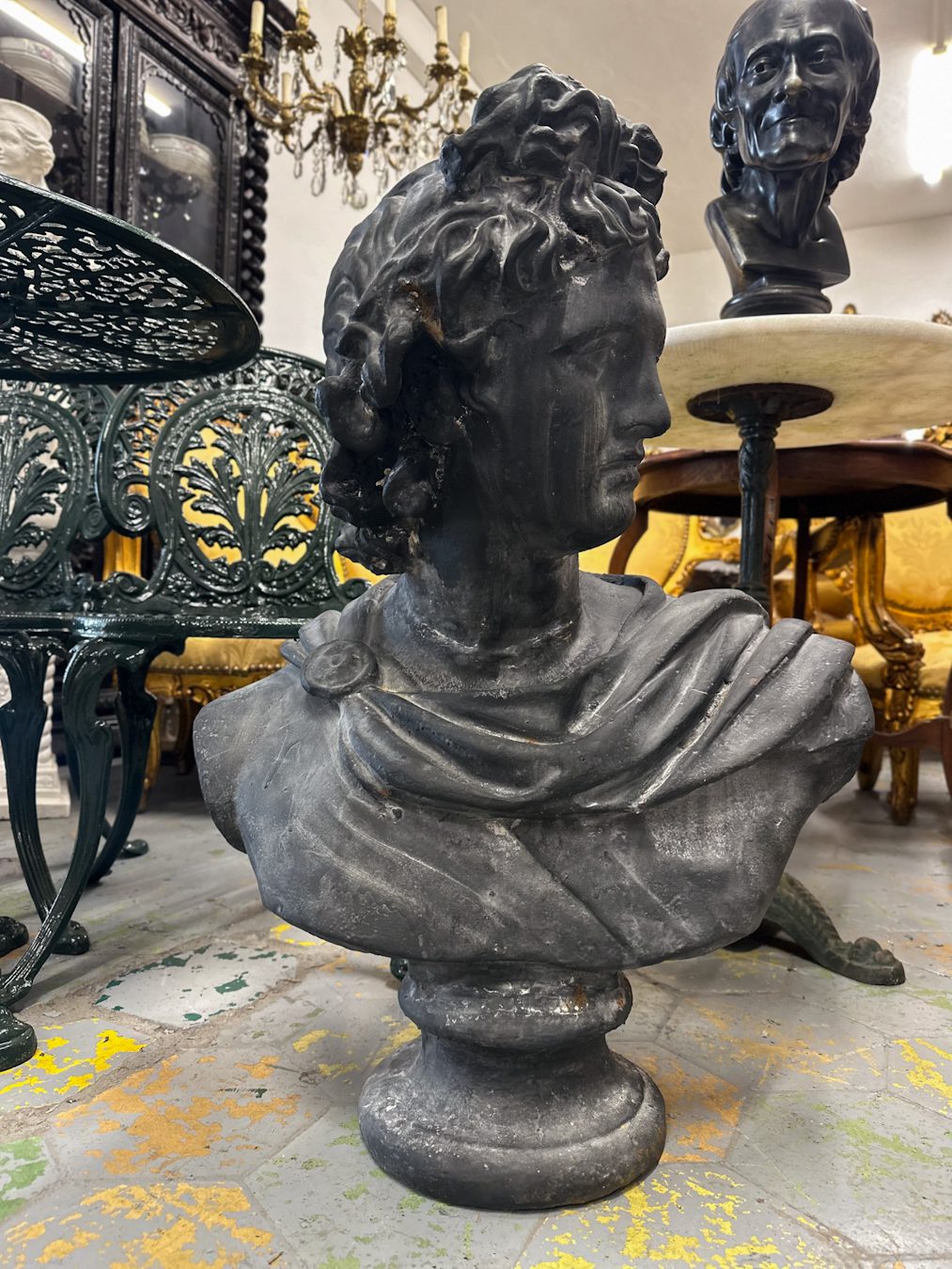
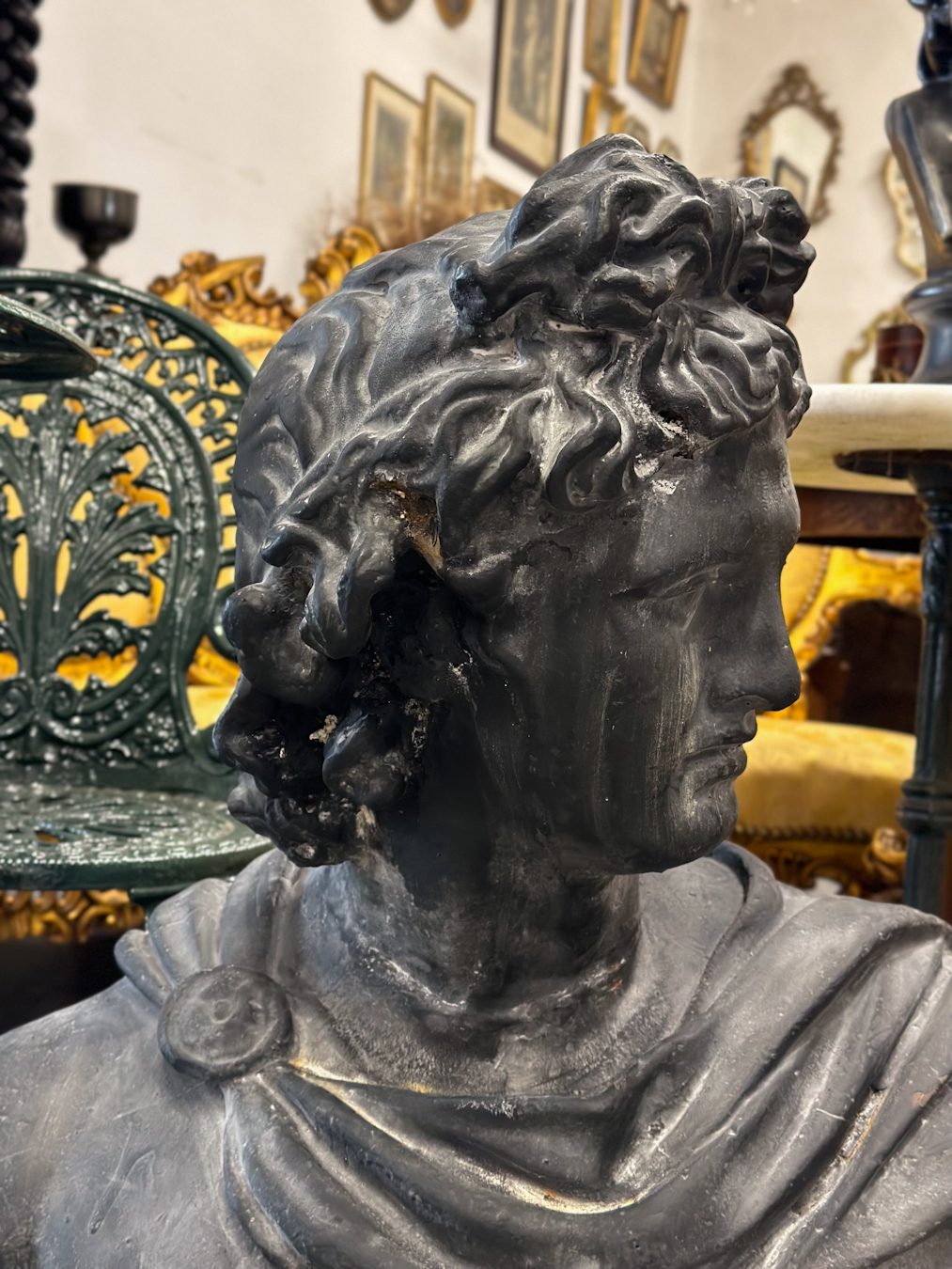
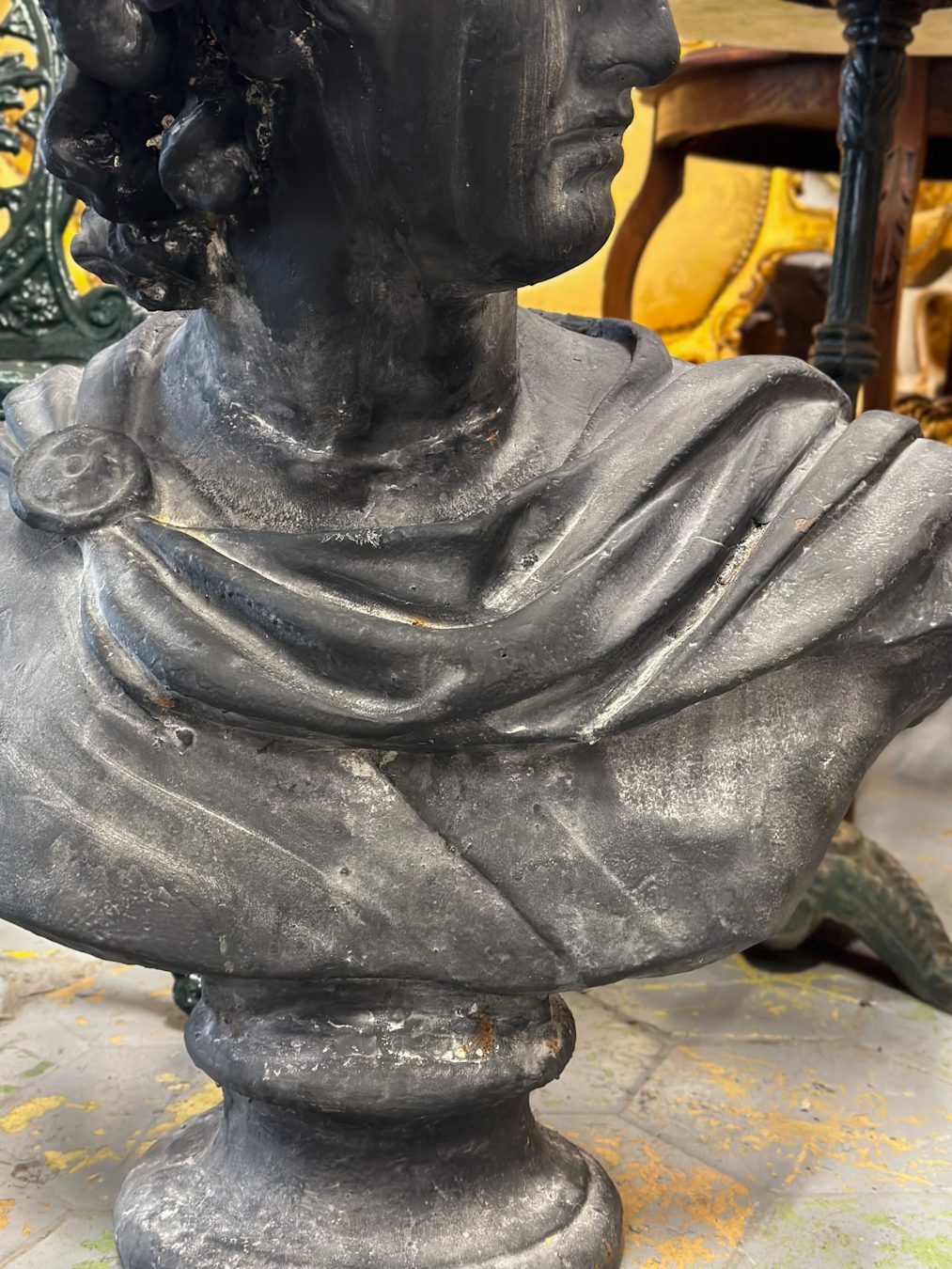
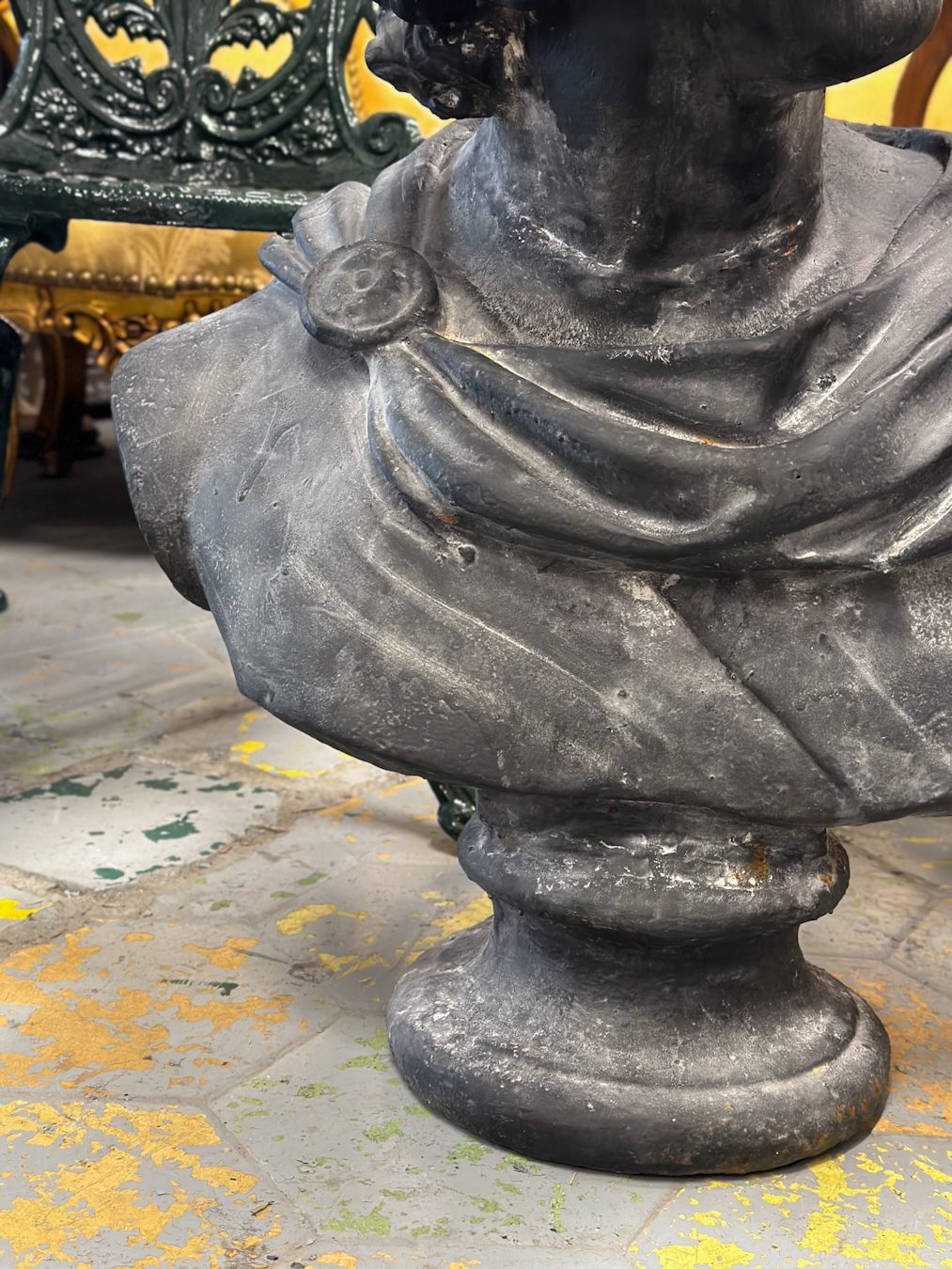
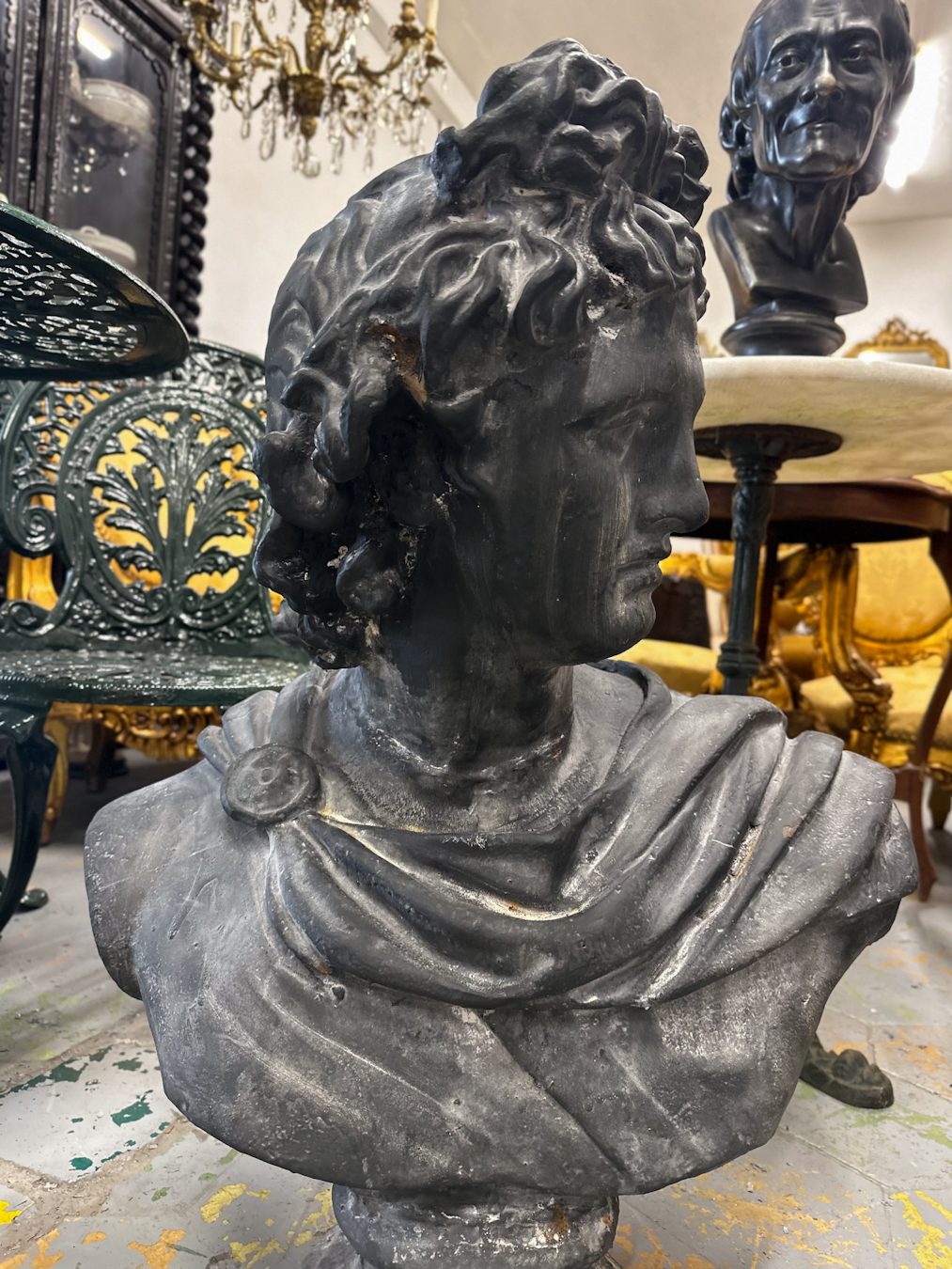
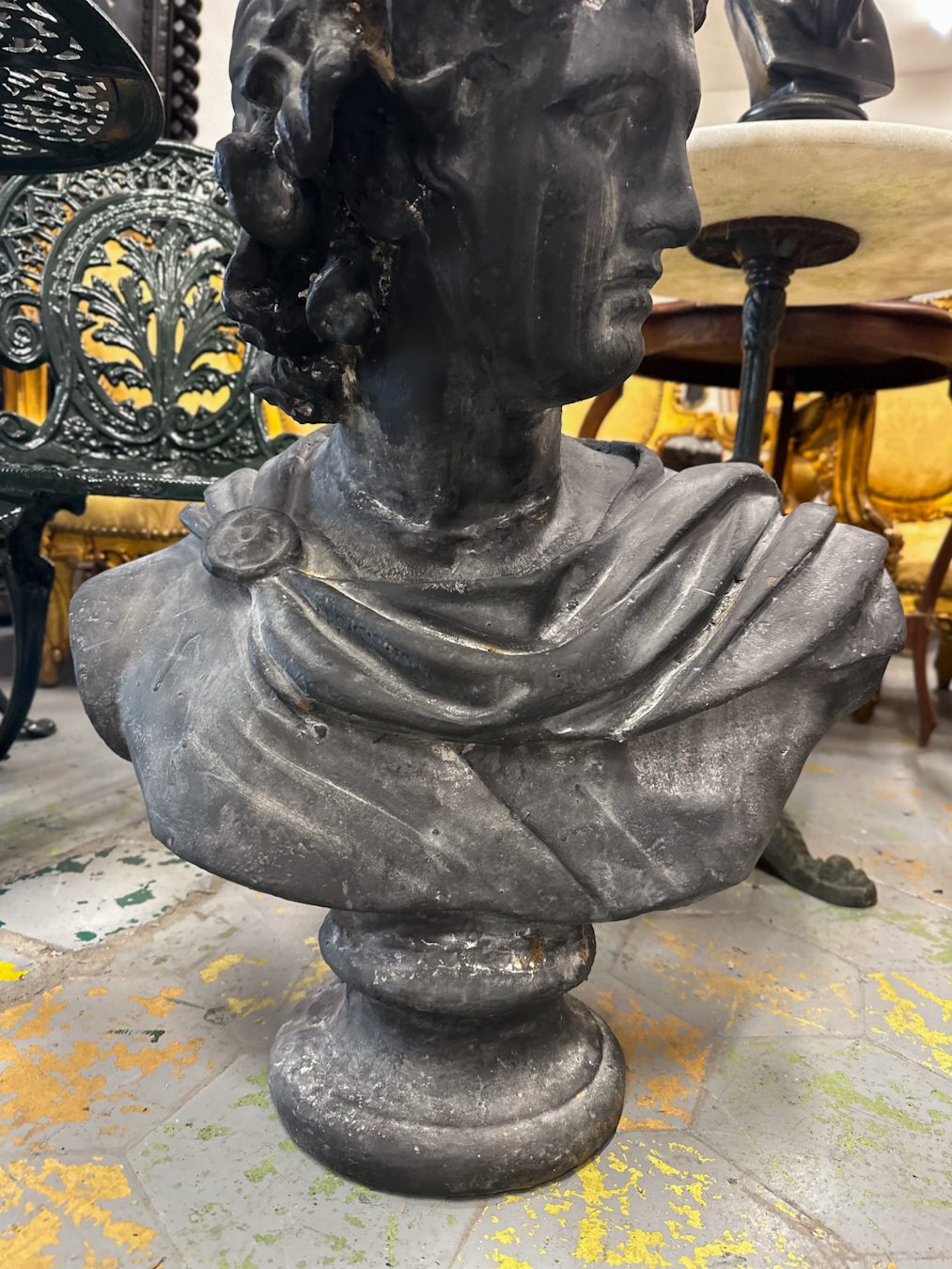
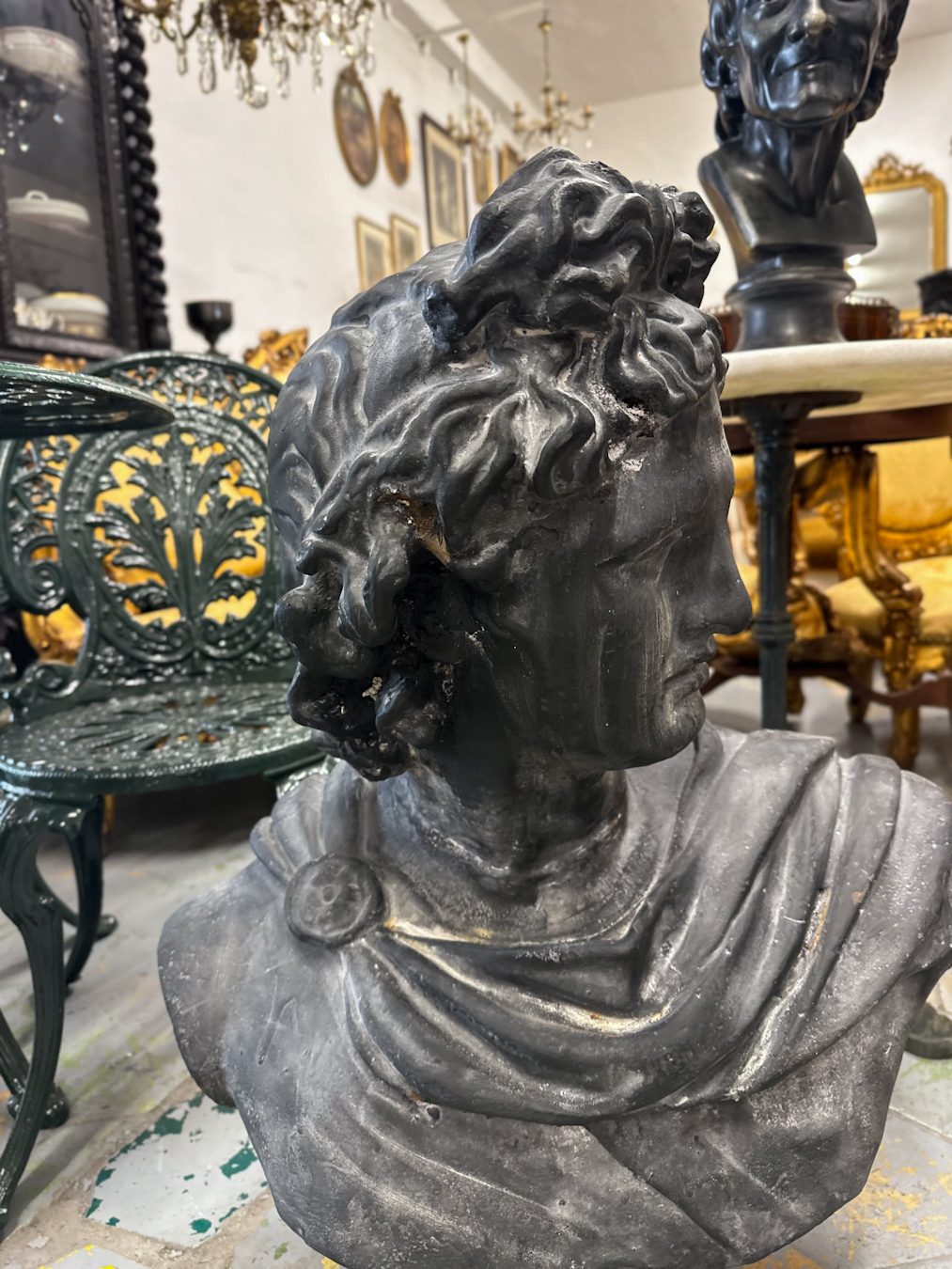
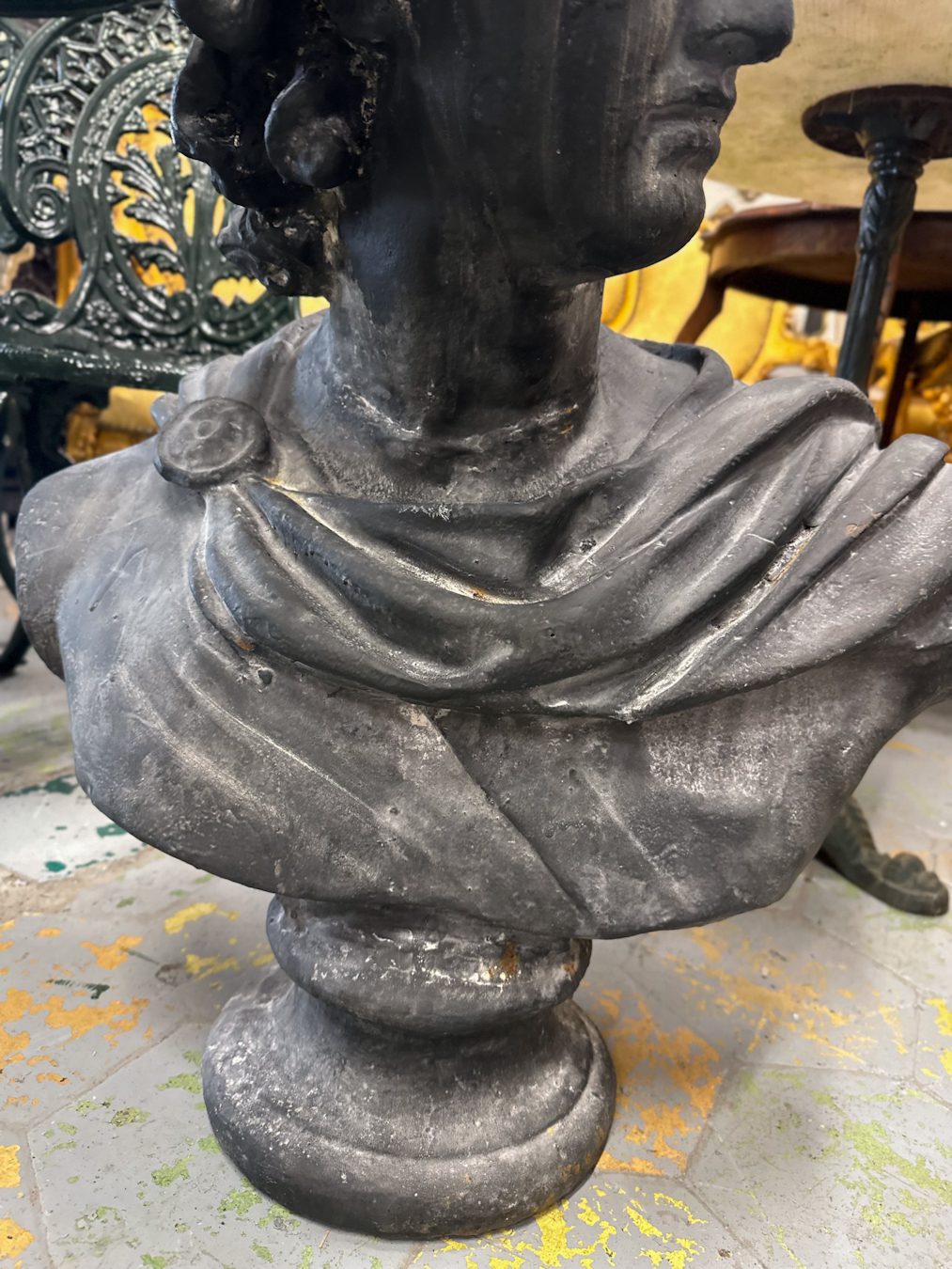
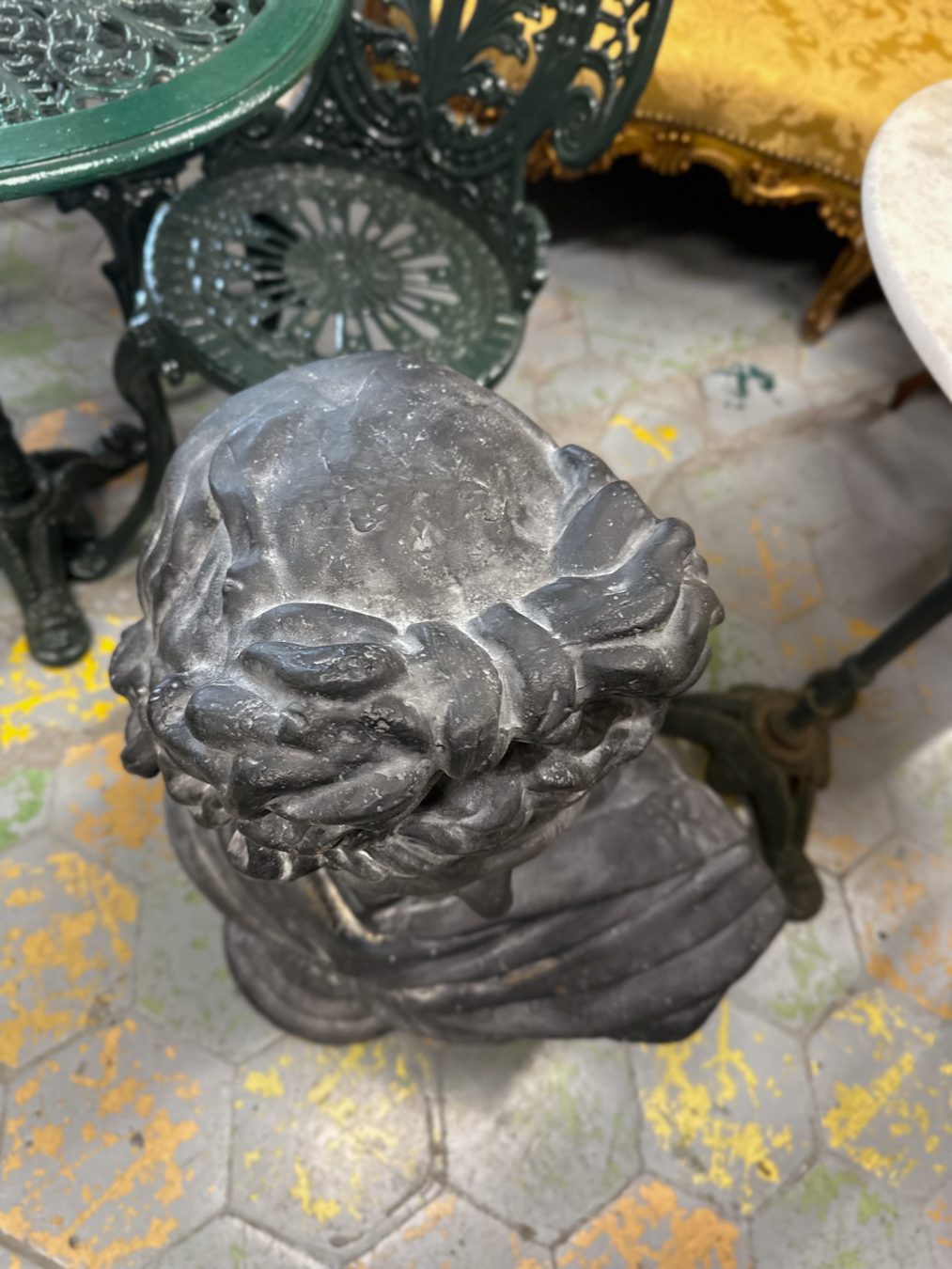
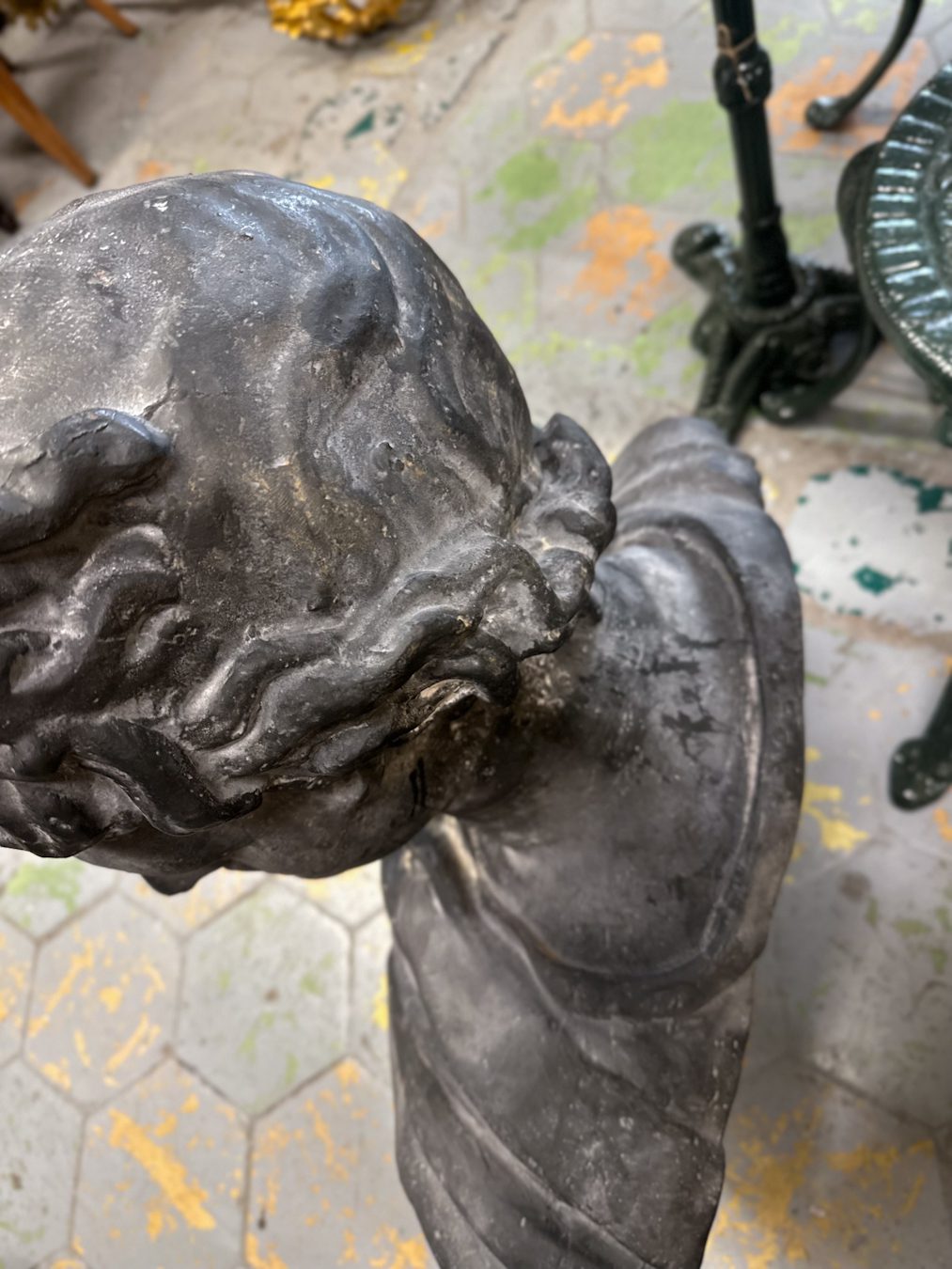
Belvederes Apollona biste dārzam — Neoklasicisms, čuguna lējums, Eiropa, ap 1880.–1930.
―――――――――――――――――――――
📐 IZMĒRI
Augstums 76 cm × platums 60 cm. Materiāls: liestu čuguns ar tumši grafīta patinu. Svars: ļoti, ļoti smags — masīvs industriālais lējums, kas paredzēts āra un dārza lietojumam.
―――――――――――――――――――――
🏛️ IZGATAVOŠANAS PERIODS, MĀKSLAS STILS, LAIKMETS
Šī biste ir tieša dialoga turpinājums ar vienu no slavenākajiem antīkās pasaules mākslas darbiem — Belvederes Apollonu, Vatikāna muzeja marmora šedevru, ko antīkais pasaule radīja kā gaismas, skaistuma, mūzikas un pravietošanas dieva iemiesojumu. Kad 15. gadsimtā šī skulptūra tika atrasta un nonāca Vatikāna kolekcijā, tā kļuva par Eiropas mākslas kanona pamatakmeni — standartu, pēc kura mērīja ideālo vīrišķo skaistumu un dievišķo cieņu.
- gadsimta Neoklasicisms šo tēlu pārņēma ar entuziasmu. Apollons kļuva par visbiežāk reproducēto antīko tēlu Eiropas parkos, dārzos, bibliotēkās un reprezentatīvajās telpās. Lielas čuguna bistiņas un skulptūras pēc Apollona Belvederes modeļa ražoja angļu, skotu, franču un vācu čuguna liejnīcas — tās rotāja muižu parkus, botāniskos dārzus un pilsētas publiskās telpas no Edinburgas līdz Sanktpēterburgai.
Šī konkrētā biste tveic to brīdi, ko antīkais tēlnieks iemūžināja marmmorā — Apollonu tūlīt pēc bultas palaišanas: ķermenis vēl tur loka atbalsi, skatiens seko bultai tālienē ar augstprātīgu, gandrīz dievišķu pārliecību. Dārza kontekstā šis skats — Apollons, kas no paaugstinājuma raugās tālumā — ir viens no vizuāli spēcīgākajiem iespaidiem, ko var radīt ar skulptūru.
―――――――――――――――――――――
⚜️ RAŽOTĀJS UN TRADĪCIJA
Uz bistiņas nav redzams konkrēts ražotāja zīmogs vai liejnīcas marķējums — pamatnes apakša ir gluda, bez iespiedumiem. Tas ir tipisks liela formāta dārza čuguna skulptūrām, ko ražoja specializētas liejnīcas visā Eiropā 19. gadsimta otrajā pusē un 20. gadsimta sākumā.
Apollona Belvederes reprodukcija čuguna lējumā bija viena no populārākajām angļu dārza skulptūru liejnīcu precēm — slavenās Coalbrookdale Company Anglijā, Val d’Osne Francijā un daudzas vācu un beļģu liejnīcas producēja šādas bistiņas un pilna auguma figūras bagātāko Eiropas muižu un parku pasūtījumiem. Tumši grafīta-melnā patina ar vecuma baltinājumu uz augstākajiem izvirzījumiem ir dabiskā čuguna “novecošanas” rezultāts — tas piešķir skulptūrai to pašu cieņu, ko marmmoram piešķir laika erozija.
―――――――――――――――――――――
🎁 DĀVANA UN PERSONALIZĀCIJA
Apollons — saules, gaismas, mūzikas, dzejas un pravietošanas dievs — ir universāls izcilības simbols, kas pārsniedz laikmetu un kultūru robežas. Šāda skulptūra ir reprezentatīvas dāvanas materiāls augstākā līmeņa sakariem — kultūras ministram, universitātes rektoram, izcilam ārstam vai juristam, mūziķim, arhitektam vai ikvienam, kura dzīves ceļš saistīts ar skaistumu, zināšanām un vadības spēju.
Horoskopa dimensijā Apollons ir sevišķi tuva dāvana Dvīņu zīmes cilvēkiem (22. maijs – 21. jūnijs) — intelektuālajiem, daudzpusīgajiem, komunikatīvajiem — kuriem Apollons kā mūzikas, dzejas un patiesības dievs ir dabisks patrona arhetips. Tāpat Apollons rezonē ar Strēlnieka zīmi (22. novembris – 21. decembris) — bultas palaišanas moments ir tieši Sagitārija enerģija: mērķtiecīga, tālu raidoša, brīva.
Dārzā novietota, šī biste kļūst par mūžīgu piemiņu — vietu, pie kuras atgriežas.
―――――――――――――――――――――
💎 RETUMS UN NOZĪME
Liela formāta čuguna dārza bistes pēc Belvederes Apollona modeļa ar šādu augstumu (76 cm) un saglabātu oriģinālo patinu ir arvien retāk sastopamas antikvāru tirgū — lielākā daļa ir vai nu bojātas laika apstākļu ietekmē, vai anonīmi pārkrāsotas. Šis eksemplārs ar tā autentisko grafīta-melno virsmu un vecuma baltinājumu saglabājis savu oriģinālo estētisko identitāti.
Pieprasījums pēc klasiskām čuguna dārza skulptūrām stabili aug gan Eiropas, gan starptautiskajā tirgū — īpaši no dārza arhitektiem, privāto muižu īpašniekiem un viesnīcu un SPA kompleksu dizaineriem.
―――――――――――――――――――――
🕯️ PIELIETOJUMS INTERJERĀ, DIZAINĀ UN FOTOGRĀFIJĀ
Šī biste ir radīta āra lietojumam — dārzā uz akmens postamenta, parkā, terrasē vai pie ieejas durvīm. Čuguns ir izturīgs pret laika apstākļiem, un dabiskā zaļā patina, ko metāls veido gadu gaitā, vēl vairāk padziļina skulptūras “antīkumu”. Klasiskos angļu un franču muižas dārza stilos — starp apgrieztiem dzīvžogiem vai rožu dobēs — Apollons ir ideāls fokusa elements.
Iekštelpu lietojumā — vestibilā, bibliotēkā vai uz masīvas koka konsoles — tā gravitas un izmērs uzreiz nosaka telpas kultūrvēsturisko toni. Fotogrāfiem tumšais čuguns uz zaļa dārza vai balta sniega fona rada izcilu vizuālo kontrastu.
―――――――――――――――――――――
🔍 STĀVOKLIS
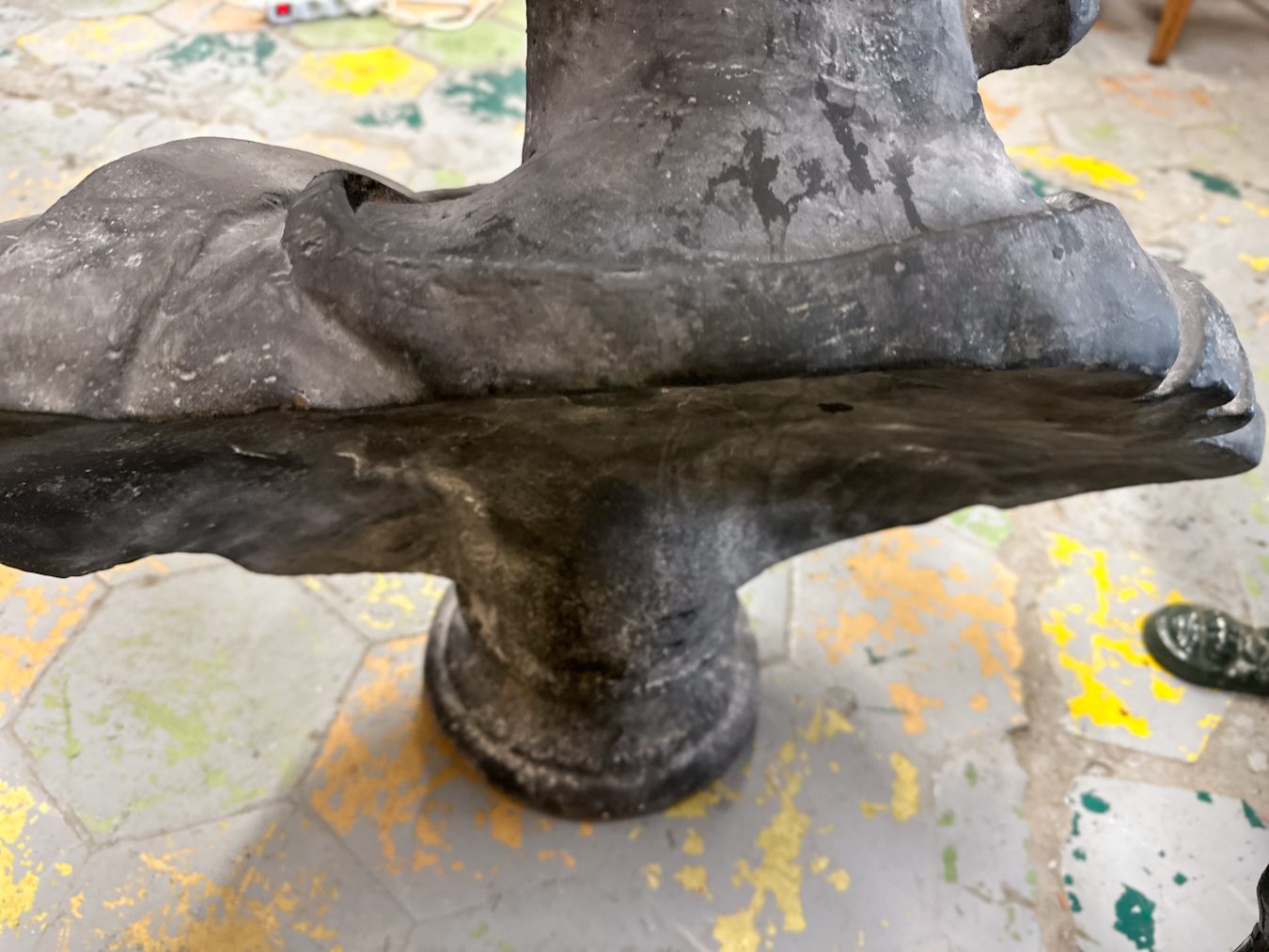
Skulptūra kopumā labā un dekoratīvi reprezentatīvā stāvoklī atbilstoši tās vecumam un materiālam. Čuguna virsma ar dabisko grafīta-melno patinu un vecuma baltinājumu uz izvirzītajām virsmām. Pamatnes apakšā redzamas nelielas materiāla bojājuma pēdas — iespējams, ilgstoša dārza lietojuma vai uzglabāšanas rezultāts. Laureāta vainaga zonā redzamas nelielas nolupšanas vietas, kas atklāj gaišāku čuguna toni — tas ir autentiska vecuma pazīme. Nav lūzumu vai restaurācijas pazīmju galvenajos kompozīcijas elementos.
Lietas stāvoklis pilnībā atspoguļots fotogrāfijās.
―――――――――――――――――――――
🇬🇧 DESCRIPTION IN ENGLISH
Apollo Belvedere Bust for Garden — Neoclassicism, cast iron, Europe, circa 1880–1930.
―――――――――――――――――――――
📐 DIMENSIONS
Height 76 cm × width 60 cm. Material: cast iron with a deep graphite-black patina. Weight: extremely heavy — a substantial industrial casting designed for outdoor and garden use.
―――――――――――――――――――――
🏛️ PERIOD, ARTISTIC STYLE, AND HISTORICAL CONTEXT
This bust is a direct continuation of the dialogue with one of the most celebrated works of the ancient world — the Apollo Belvedere, the marble masterpiece of the Vatican Museums, created by antiquity as the embodiment of the god of light, beauty, music, and prophecy. When this sculpture was rediscovered in the 15th century and entered the Vatican collection, it became a cornerstone of the European artistic canon — the standard against which ideal masculine beauty and divine dignity were measured.
19th-century Neoclassicism embraced this image with enthusiasm. Apollo became the most frequently reproduced antique figure in European parks, gardens, libraries, and representative spaces. Large cast-iron busts and full-figure sculptures after the Apollo Belvedere were produced by English, Scottish, French, and German iron foundries — they adorned the parks of country houses, botanical gardens, and urban public spaces from Edinburgh to St. Petersburg.
This bust captures the moment the ancient sculptor immortalised in marble — Apollo immediately after releasing the arrow: the body still holds the echo of the bow, the gaze follows the arrow into the distance with an almost divine certainty. In a garden context, this image — Apollo gazing from an elevated position into the far distance — is one of the most visually powerful effects that sculpture can achieve.
―――――――――――――――――――――
⚜️ MAKER’S MARK AND TRADITION
No specific maker’s mark or foundry stamp is visible on the bust — the underside of the base is smooth and unmarked. This is characteristic of large-format garden cast-iron sculptures produced by specialised foundries throughout Europe in the second half of the 19th century and early 20th century.
The reproduction of the Apollo Belvedere in cast iron was among the most popular products of the English garden sculpture foundries — the celebrated Coalbrookdale Company in England, Val d’Osne in France, and numerous German and Belgian foundries produced busts and full-figure versions for the grandest European estates and parks. The deep graphite-black patina with age-whitening on the highest relief points is the natural result of cast iron’s ageing process — it lends the sculpture the same dignity that time and erosion grant to marble.
―――――――――――――――――――――
🎁 GIFT AND PERSONALISATION
Apollo — god of the sun, light, music, poetry, and prophecy — is a universal symbol of excellence that transcends the boundaries of era and culture. A sculpture of this kind represents gift material at the highest level of representation — for a minister of culture, a university rector, a distinguished physician or lawyer, a musician, an architect, or anyone whose life’s path is bound to beauty, knowledge, and leadership.
In astrological terms, Apollo is a particularly resonant gift for those born under Gemini (22 May – 21 June) — the intellectual, versatile, communicative sign for whom Apollo as god of music, poetry, and truth is a natural patron archetype. Apollo resonates equally with Sagittarius (22 November – 21 December) — the moment of the arrow’s release is precisely Sagittarian energy: purposeful, far-reaching, free.
Placed in a garden, this bust becomes a permanent memorial — a place to which one returns.
―――――――――――――――――――――
💎 RARITY AND SIGNIFICANCE
Large-format cast-iron garden busts after the Apollo Belvedere at this height (76 cm) with an intact original patina are increasingly rare on the antiques market — the majority have either suffered damage from weathering or been anonymously repainted over time. This example, with its authentic graphite-black surface and age-whitening, has preserved its original aesthetic identity.
Demand for classical cast-iron garden sculptures is growing steadily in both European and international markets — particularly from garden architects, private estate owners, and hotel and spa designers.
―――――――――――――――――――――
🕯️ USE IN INTERIOR DESIGN AND PHOTOGRAPHY
This bust was made for outdoor use — in a garden on a stone plinth, in a park, on a terrace, or flanking an entrance. Cast iron is weather-resistant, and the natural green patina the metal develops over the years further deepens the sculpture’s “antique” quality. In the classic English and French country house garden styles — between clipped hedges or in a rose garden — Apollo is an ideal focal element.
For interior use — in a vestibule, library, or on a solid timber console — its gravitas and scale immediately establish the cultural-historical tone of the space. For photographers, the dark cast iron against a green garden or white snow background creates outstanding visual contrast.
―――――――――――――――――――――
🔍 CONDITION
The sculpture is in overall good and decoratively representative condition consistent with its age and material. The cast-iron surface retains its natural graphite-black patina with age-whitening on the relief highlights. Minor material wear is visible on the underside of the base — likely the result of prolonged garden use or storage. Small areas of surface loss are present in the laurel wreath zone, revealing a lighter cast-iron tone beneath — an authentic sign of age. No breaks or evidence of restoration are present on the principal compositional elements.
The condition of the piece is fully represented in the photographs.
―――――――――――――――――――――
Belvederes biste dārzam — Neoklasicisms, čuguna lējums, Eiropa, ap 1880.–1930.
―――――――――――――――――――――
📐 IZMĒRI
Augstums 76 cm × platums 60 cm. Materiāls: liestu čuguns ar tumši grafīta patinu. Svars: ļoti, ļoti smags — masīvs industriālais lējums, kas paredzēts āra un dārza lietojumam.
―――――――――――――――――――――
🏛️ IZGATAVOŠANAS PERIODS, MĀKSLAS STILS, LAIKMETS
Šī biste ir tieša dialoga turpinājums ar vienu no slavenākajiem antīkās pasaules mākslas darbiem — Apollonu Belvederi, Vatikāna muzeja marmora šedevru, ko antīkais pasaule radīja kā gaismas, skaistuma, mūzikas un pravietošanas dieva iemiesojumu. Kad 15. gadsimtā šī skulptūra tika atrasta un nonāca Vatikāna kolekcijā, tā kļuva par Eiropas mākslas kanona pamatakmeni — standartu, pēc kura mērīja ideālo vīrišķo skaistumu un dievišķo cieņu.
- gadsimta Neoklasicisms šo tēlu pārņēma ar entuziasmu. Apollons kļuva par visbiežāk reproducēto antīko tēlu Eiropas parkos, dārzos, bibliotēkās un reprezentatīvajās telpās. Lielas čuguna bistiņas un skulptūras pēc Apollona Belvederes modeļa ražoja angļu, skotu, franču un vācu čuguna liejnīcas — tās rotāja muižu parkus, botāniskos dārzus un pilsētas publiskās telpas no Edinburgas līdz Sanktpēterburgai.
Šī konkrētā biste tveic to brīdi, ko antīkais tēlnieks iemūžināja marmmorā — Apollonu tūlīt pēc bultas palaišanas: ķermenis vēl tur loka atbalsi, skatiens seko bultai tālienē ar augstprātīgu, gandrīz dievišķu pārliecību. Dārza kontekstā šis skats — Apollons, kas no paaugstinājuma raugās tālumā — ir viens no vizuāli spēcīgākajiem iespaidiem, ko var radīt ar skulptūru.
―――――――――――――――――――――
⚜️ RAŽOTĀJS UN TRADĪCIJA
Uz bistiņas nav redzams konkrēts ražotāja zīmogs vai liejnīcas marķējums — pamatnes apakša ir gluda, bez iespiedumiem. Tas ir tipisks liela formāta dārza čuguna skulptūrām, ko ražoja specializētas liejnīcas visā Eiropā 19. gadsimta otrajā pusē un 20. gadsimta sākumā.
Apollona Belvederes reprodukcija čuguna lējumā bija viena no populārākajām angļu dārza skulptūru liejnīcu precēm — slavenās Coalbrookdale Company Anglijā, Val d’Osne Francijā un daudzas vācu un beļģu liejnīcas producēja šādas bistiņas un pilna auguma figūras bagātāko Eiropas muižu un parku pasūtījumiem. Tumši grafīta-melnā patina ar vecuma baltinājumu uz augstākajiem izvirzījumiem ir dabiskā čuguna “novecošanas” rezultāts — tas piešķir skulptūrai to pašu cieņu, ko marmmoram piešķir laika erozija.
―――――――――――――――――――――
🎁 DĀVANA UN PERSONALIZĀCIJA
Apollons — saules, gaismas, mūzikas, dzejas un pravietošanas dievs — ir universāls izcilības simbols, kas pārsniedz laikmetu un kultūru robežas. Šāda skulptūra ir reprezentatīvas dāvanas materiāls augstākā līmeņa sakariem — kultūras ministram, universitātes rektoram, izcilam ārstam vai juristam, mūziķim, arhitektam vai ikvienam, kura dzīves ceļš saistīts ar skaistumu, zināšanām un vadības spēju.
Horoskopa dimensijā Apollons ir sevišķi tuva dāvana Dvīņu zīmes cilvēkiem (22. maijs – 21. jūnijs) — intelektuālajiem, daudzpusīgajiem, komunikatīvajiem — kuriem Apollons kā mūzikas, dzejas un patiesības dievs ir dabisks patrona arhetips. Tāpat Apollons rezonē ar Strēlnieka zīmi (22. novembris – 21. decembris) — bultas palaišanas moments ir tieši Sagitārija enerģija: mērķtiecīga, tālu raidoša, brīva.
Dārzā novietota, šī biste kļūst par mūžīgu piemiņu — vietu, pie kuras atgriežas.
―――――――――――――――――――――
💎 RETUMS UN NOZĪME
Liela formāta čuguna dārza bistiņas pēc Apollona Belvederes modeļa ar šādu augstumu (76 cm) un saglabātu oriģinālo patinu ir arvien retāk sastopamas antikvāru tirgū — lielākā daļa ir vai nu bojātas laika apstākļu ietekmē, vai anonīmi pārkrāsotas. Šis eksemplārs ar tā autentisko grafīta-melno virsmu un vecuma baltinājumu saglabājis savu oriģinālo estētisko identitāti.
Pieprasījums pēc klasiskām čuguna dārza skulptūrām stabili aug gan Eiropas, gan starptautiskajā tirgū — īpaši no dārza arhitektiem, privāto muižu īpašniekiem un viesnīcu un SPA kompleksu dizaineriem.
―――――――――――――――――――――
🕯️ PIELIETOJUMS INTERJERĀ, DIZAINĀ UN FOTOGRĀFIJĀ
Šī biste ir radīta āra lietojumam — dārzā uz akmens postamenta, parkā, terrasē vai pie ieejas durvīm. Čuguns ir izturīgs pret laika apstākļiem, un dabiskā zaļā patina, ko metāls veido gadu gaitā, vēl vairāk padziļina skulptūras “antīkumu”. Klasiskos angļu un franču muižas dārza stilos — starp apgrieztiem dzīvžogiem vai rožu dobēs — Apollons ir ideāls fokusa elements.
Iekštelpu lietojumā — vestibilā, bibliotēkā vai uz masīvas koka konsoles — tā gravitas un izmērs uzreiz nosaka telpas kultūrvēsturisko toni. Fotogrāfiem tumšais čuguns uz zaļa dārza vai balta sniega fona rada izcilu vizuālo kontrastu.
―――――――――――――――――――――
🔍 STĀVOKLIS
Skulptūra kopumā labā un dekoratīvi reprezentatīvā stāvoklī atbilstoši tās vecumam un materiālam. Čuguna virsma ar dabisko grafīta-melno patinu un vecuma baltinājumu uz izvirzītajām virsmām. Pamatnes apakšā redzamas nelielas materiāla bojājuma pēdas — iespējams, ilgstoša dārza lietojuma vai uzglabāšanas rezultāts. Laureāta vainaga zonā redzamas nelielas nolupšanas vietas, kas atklāj gaišāku čuguna toni — tas ir autentiska vecuma pazīme. Nav lūzumu vai restaurācijas pazīmju galvenajos kompozīcijas elementos.
Lietas stāvoklis pilnībā atspoguļots fotogrāfijās.
―――――――――――――――――――――
🇬🇧 DESCRIPTION IN ENGLISH
Apollo Belvedere Bust for Garden — Neoclassicism, cast iron, Europe, circa 1880–1930.
―――――――――――――――――――――
📐 DIMENSIONS
Height 76 cm × width 60 cm. Material: cast iron with a deep graphite-black patina. Weight: extremely heavy — a substantial industrial casting designed for outdoor and garden use.
―――――――――――――――――――――
🏛️ PERIOD, ARTISTIC STYLE, AND HISTORICAL CONTEXT
This bust is a direct continuation of the dialogue with one of the most celebrated works of the ancient world — the Apollo Belvedere, the marble masterpiece of the Vatican Museums, created by antiquity as the embodiment of the god of light, beauty, music, and prophecy. When this sculpture was rediscovered in the 15th century and entered the Vatican collection, it became a cornerstone of the European artistic canon — the standard against which ideal masculine beauty and divine dignity were measured.
19th-century Neoclassicism embraced this image with enthusiasm. Apollo became the most frequently reproduced antique figure in European parks, gardens, libraries, and representative spaces. Large cast-iron busts and full-figure sculptures after the Apollo Belvedere were produced by English, Scottish, French, and German iron foundries — they adorned the parks of country houses, botanical gardens, and urban public spaces from Edinburgh to St. Petersburg.
This bust captures the moment the ancient sculptor immortalised in marble — Apollo immediately after releasing the arrow: the body still holds the echo of the bow, the gaze follows the arrow into the distance with an almost divine certainty. In a garden context, this image — Apollo gazing from an elevated position into the far distance — is one of the most visually powerful effects that sculpture can achieve.
―――――――――――――――――――――
⚜️ MAKER’S MARK AND TRADITION
No specific maker’s mark or foundry stamp is visible on the bust — the underside of the base is smooth and unmarked. This is characteristic of large-format garden cast-iron sculptures produced by specialised foundries throughout Europe in the second half of the 19th century and early 20th century.
The reproduction of the Apollo Belvedere in cast iron was among the most popular products of the English garden sculpture foundries — the celebrated Coalbrookdale Company in England, Val d’Osne in France, and numerous German and Belgian foundries produced busts and full-figure versions for the grandest European estates and parks. The deep graphite-black patina with age-whitening on the highest relief points is the natural result of cast iron’s ageing process — it lends the sculpture the same dignity that time and erosion grant to marble.
―――――――――――――――――――――
🎁 GIFT AND PERSONALISATION
Apollo — god of the sun, light, music, poetry, and prophecy — is a universal symbol of excellence that transcends the boundaries of era and culture. A sculpture of this kind represents gift material at the highest level of representation — for a minister of culture, a university rector, a distinguished physician or lawyer, a musician, an architect, or anyone whose life’s path is bound to beauty, knowledge, and leadership.
In astrological terms, Apollo is a particularly resonant gift for those born under Gemini (22 May – 21 June) — the intellectual, versatile, communicative sign for whom Apollo as god of music, poetry, and truth is a natural patron archetype. Apollo resonates equally with Sagittarius (22 November – 21 December) — the moment of the arrow’s release is precisely Sagittarian energy: purposeful, far-reaching, free.
Placed in a garden, this bust becomes a permanent memorial — a place to which one returns.
―――――――――――――――――――――
💎 RARITY AND SIGNIFICANCE
Large-format cast-iron garden busts after the Apollo Belvedere at this height (76 cm) with an intact original patina are increasingly rare on the antiques market — the majority have either suffered damage from weathering or been anonymously repainted over time. This example, with its authentic graphite-black surface and age-whitening, has preserved its original aesthetic identity.
Demand for classical cast-iron garden sculptures is growing steadily in both European and international markets — particularly from garden architects, private estate owners, and hotel and spa designers.
―――――――――――――――――――――
🕯️ USE IN INTERIOR DESIGN AND PHOTOGRAPHY
This bust was made for outdoor use — in a garden on a stone plinth, in a park, on a terrace, or flanking an entrance. Cast iron is weather-resistant, and the natural green patina the metal develops over the years further deepens the sculpture’s “antique” quality. In the classic English and French country house garden styles — between clipped hedges or in a rose garden — Apollo is an ideal focal element.
For interior use — in a vestibule, library, or on a solid timber console — its gravitas and scale immediately establish the cultural-historical tone of the space. For photographers, the dark cast iron against a green garden or white snow background creates outstanding visual contrast.
―――――――――――――――――――――
🔍 CONDITION
The sculpture is in overall good and decoratively representative condition consistent with its age and material. The cast-iron surface retains its natural graphite-black patina with age-whitening on the relief highlights. Minor material wear is visible on the underside of the base — likely the result of prolonged garden use or storage. Small areas of surface loss are present in the laurel wreath zone, revealing a lighter cast-iron tone beneath — an authentic sign of age. No breaks or evidence of restoration are present on the principal compositional elements.
The condition of the piece is fully represented in the photographs.
―――――――――――――――――――――