Stikla Karafe ar Zelta Monogrammu — Luija XV / Rokoko stils, Francija / Eiropa, ap 1880.–1910., Vidēja Izmēra (5520)
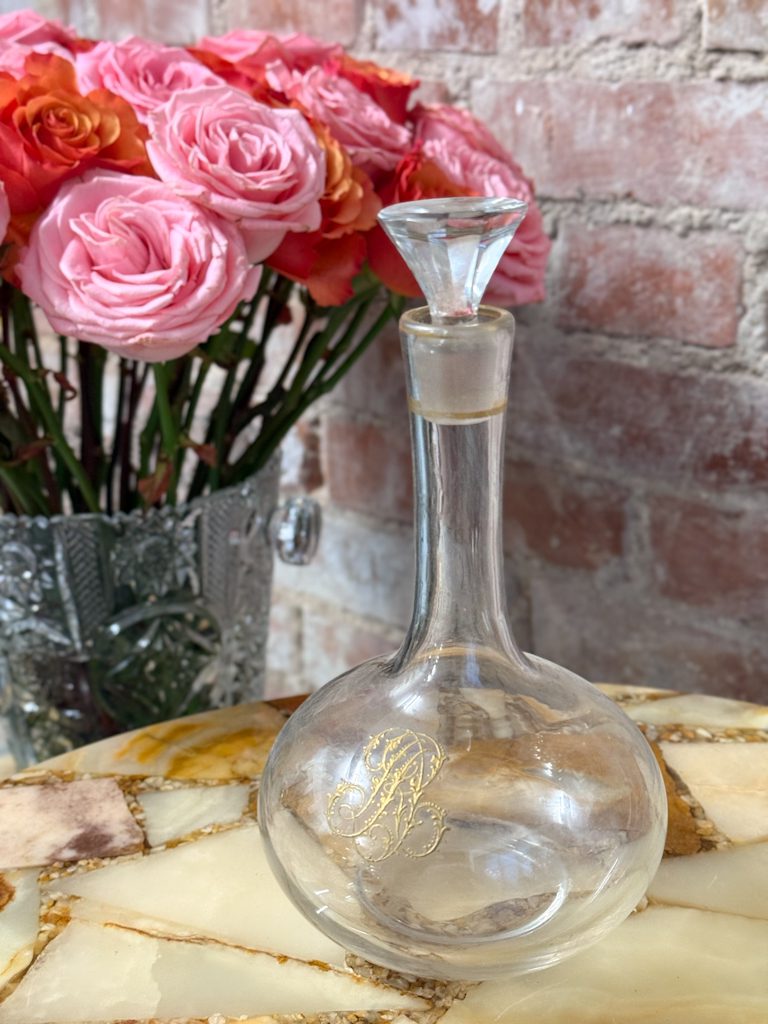
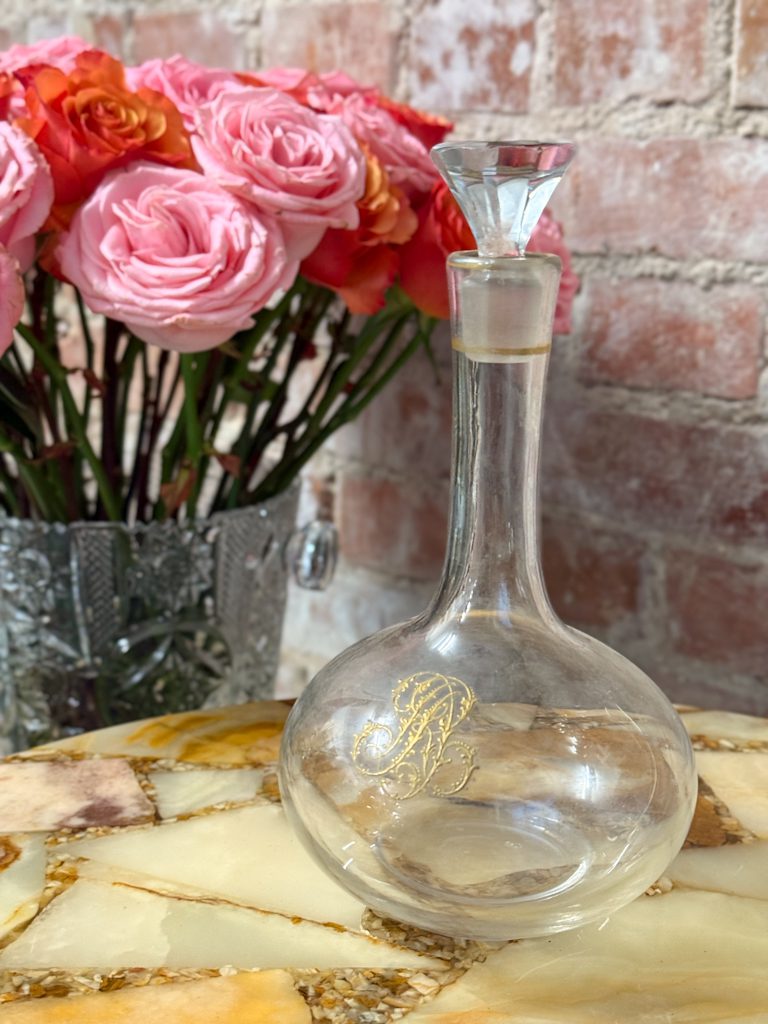
Stikla Karafe ar Zelta Monogrammu — Luija XV / Rokoko stils, Francija / Eiropa, ap 1880.–1910., Vidēja Izmēra (5520)
€160.00
Stikla Karafe ar Zelta Monogrammu — Luija XV / Rokoko stils, Francija / Eiropa, ap 1880.–1910.
📐 IZMĒRI
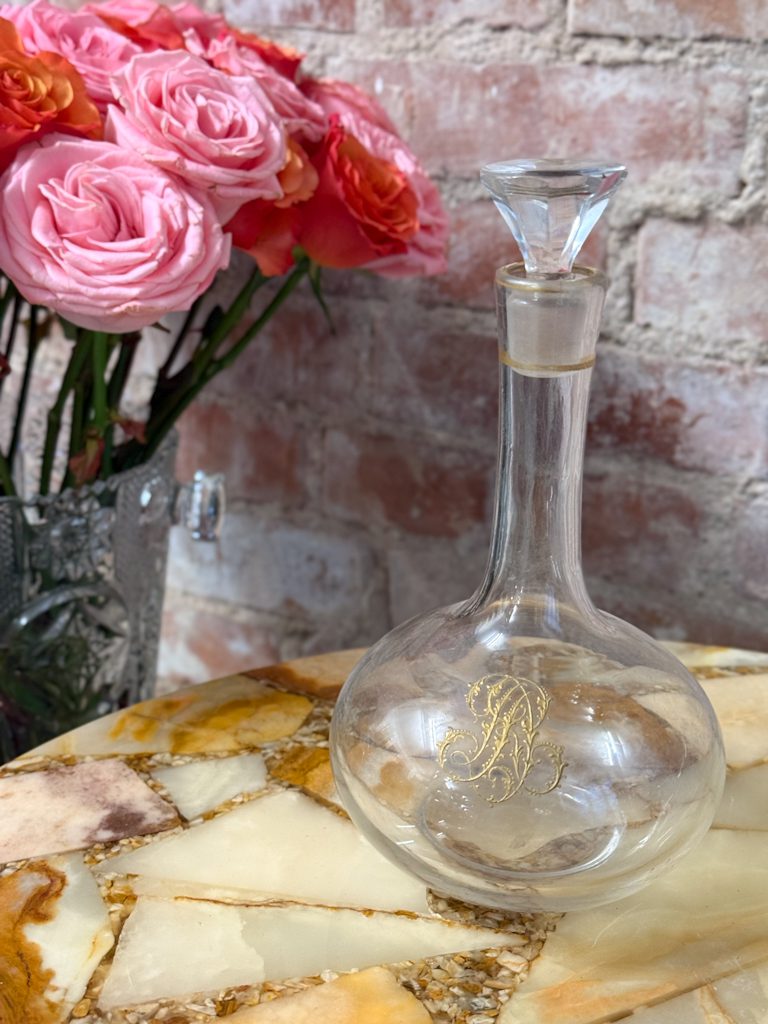
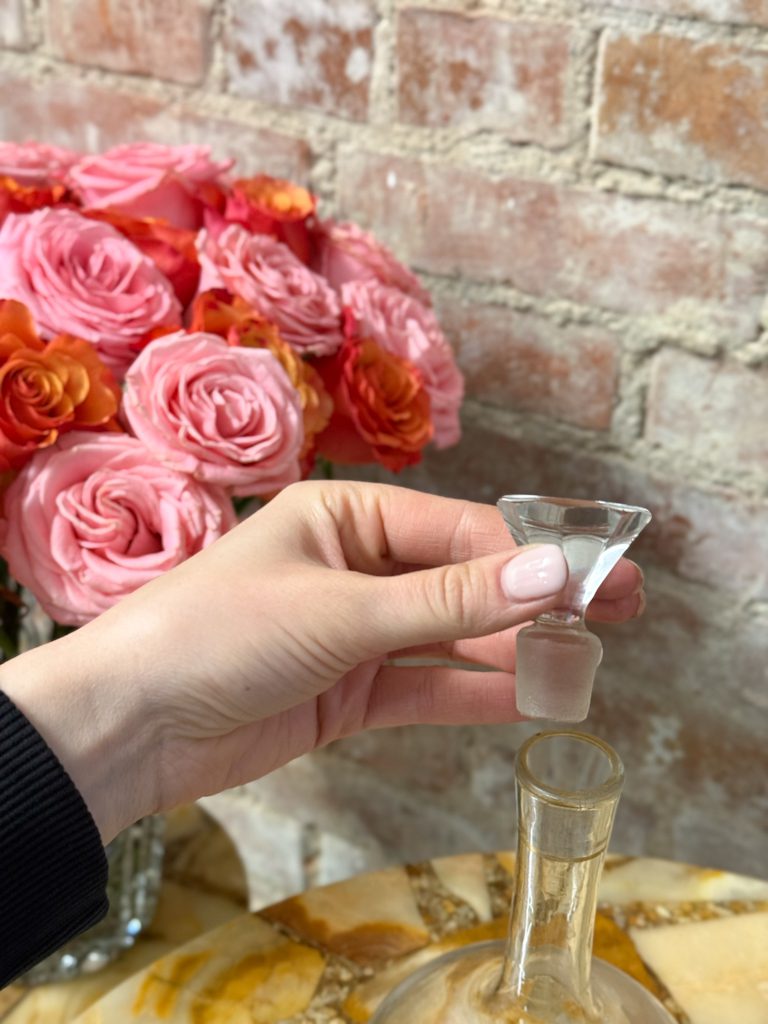
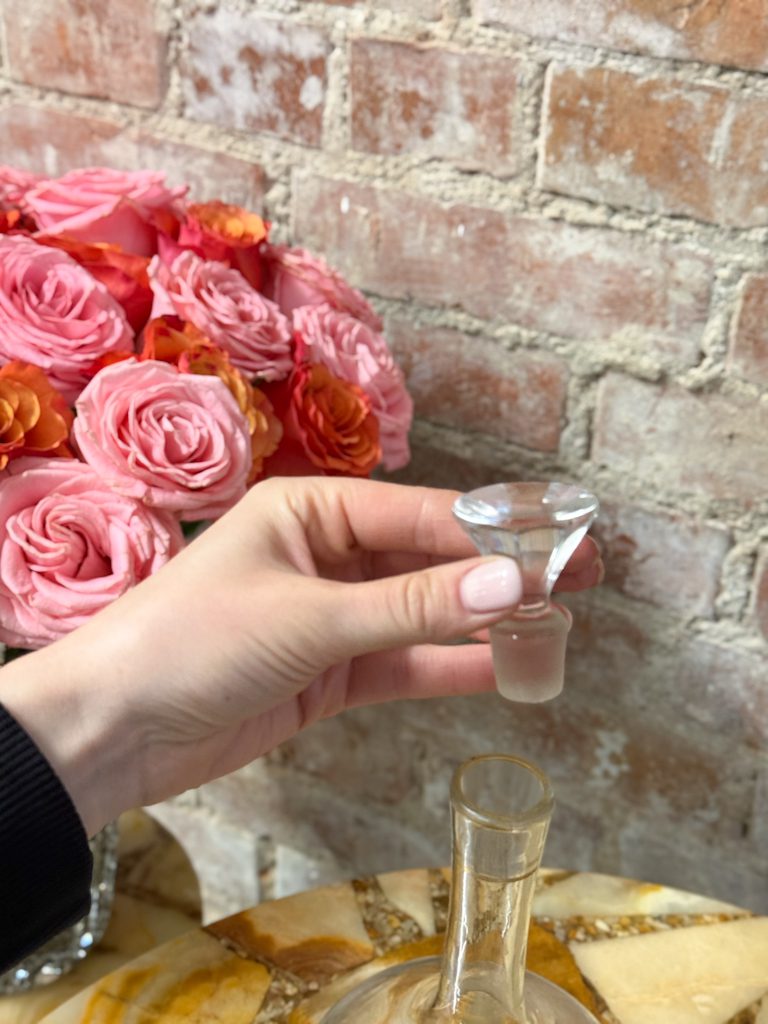
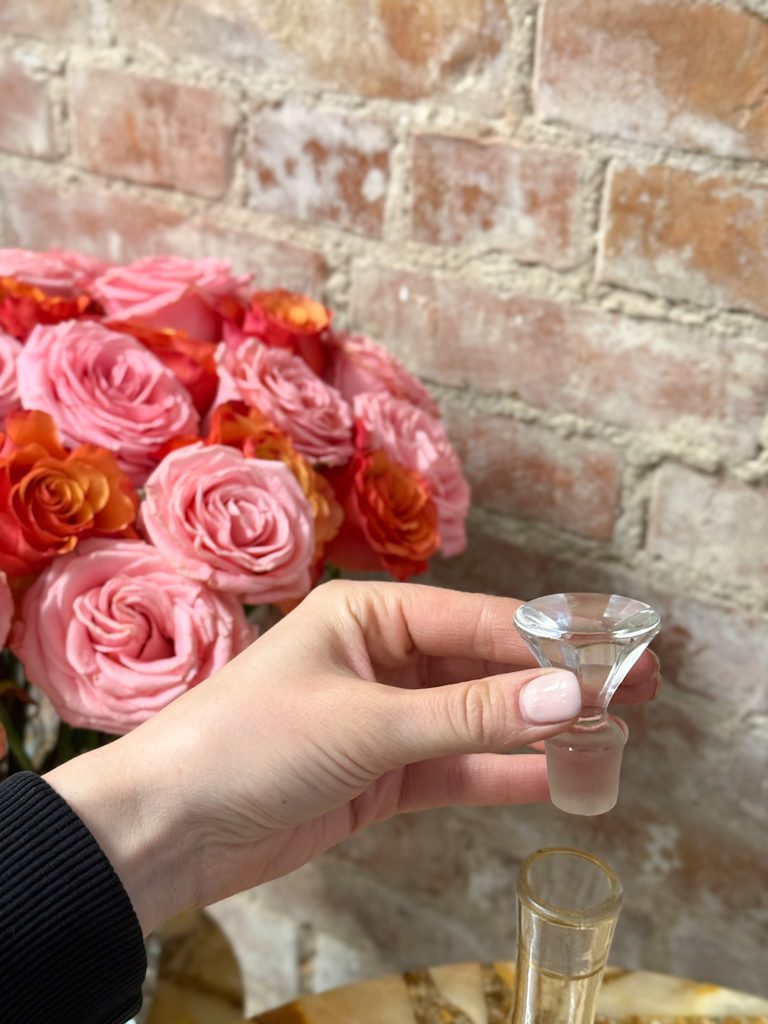
Izmēri nav norādīti. Pēc fotogrāfijās redzamā aizbāzņa proporcijām attiecībā pret roku — aptuvens augstums ar aizbāzni ap 25–30 cm, korpusa diametrs ap 14–16 cm. Svars — diezgan viegls, plānsienu stikls.
―――――――――――――――――――――
🏛️ IZGATAVOŠANAS PERIODS, MĀKSLAS STILS, LAIKMETS
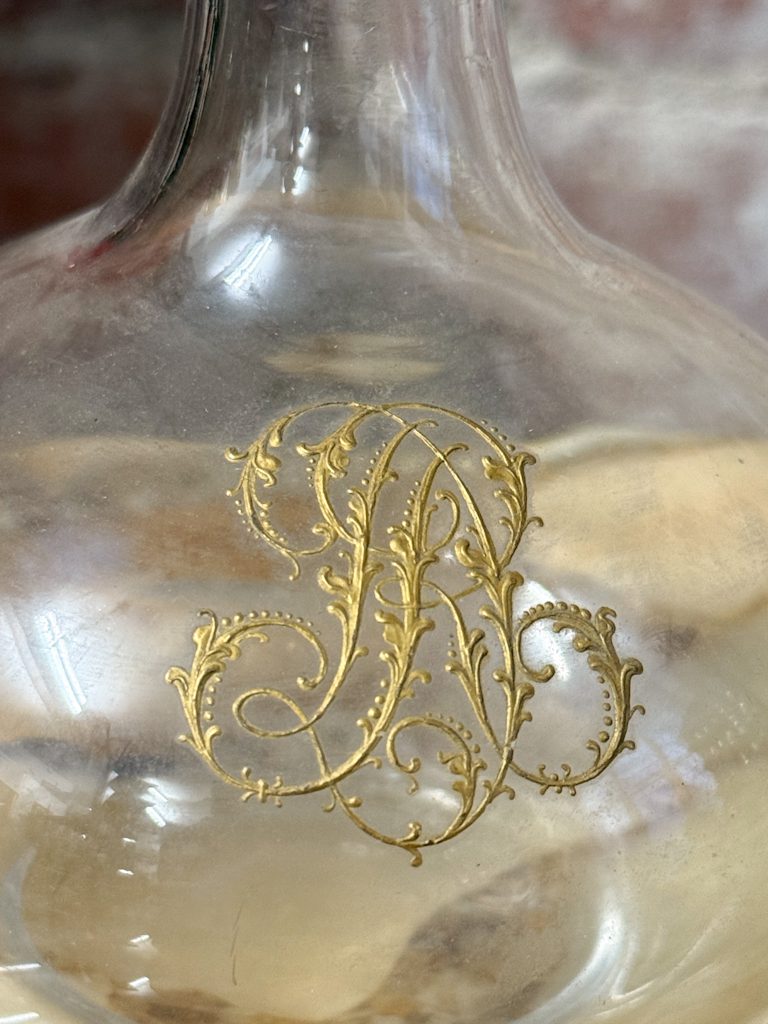
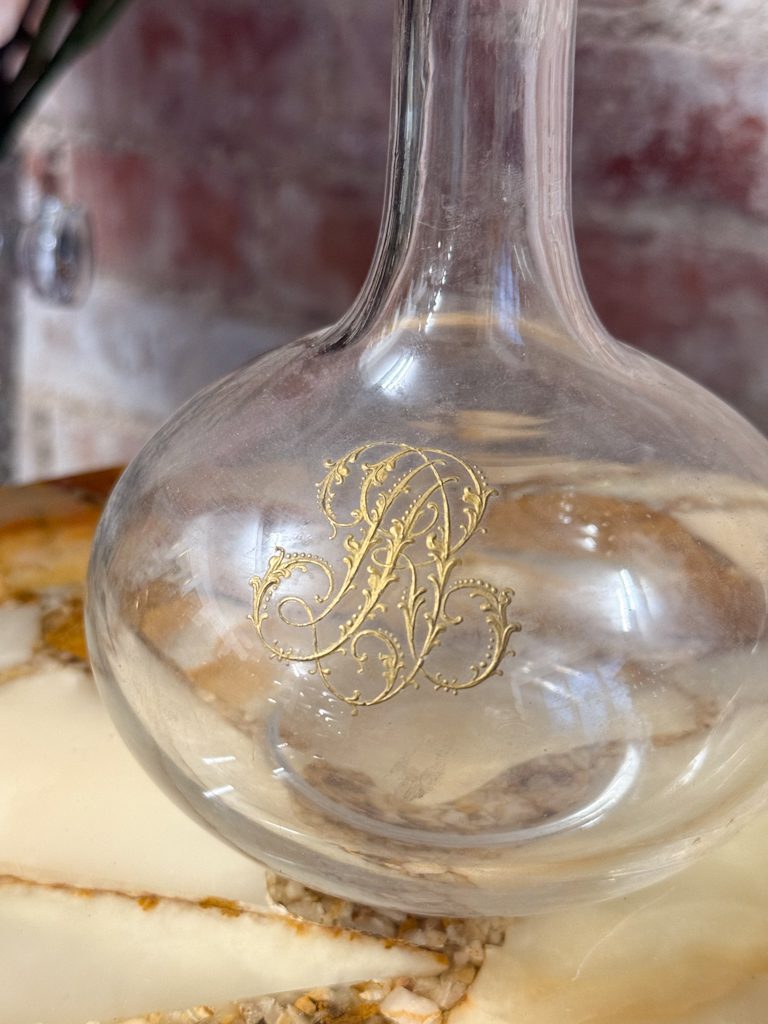
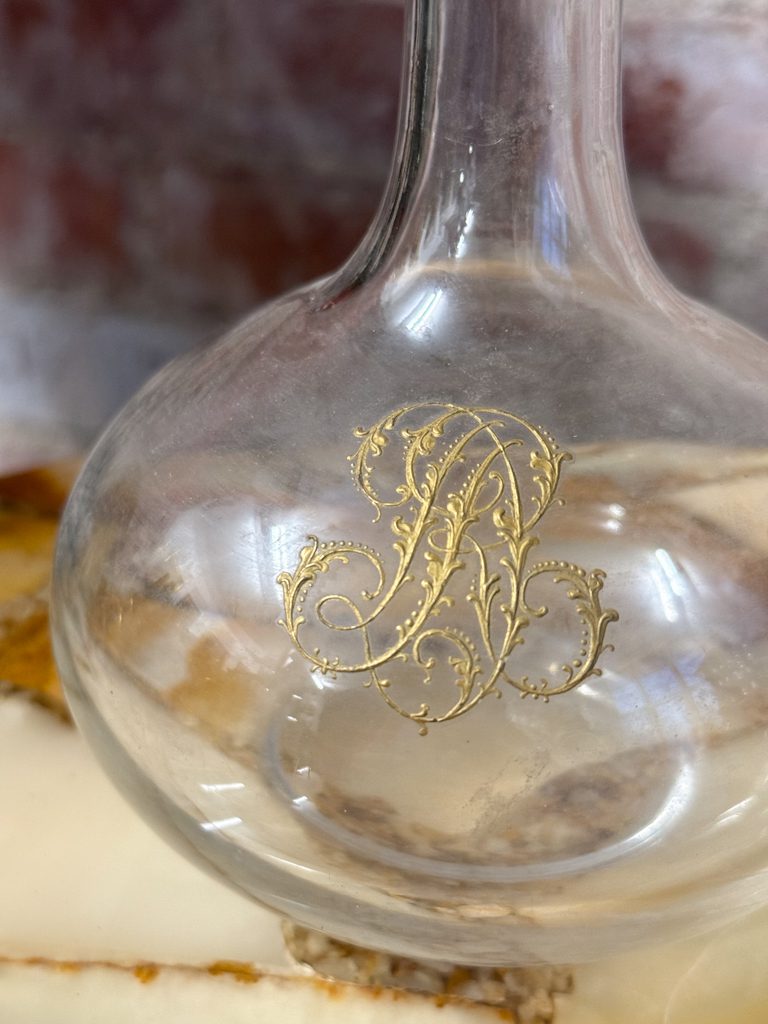
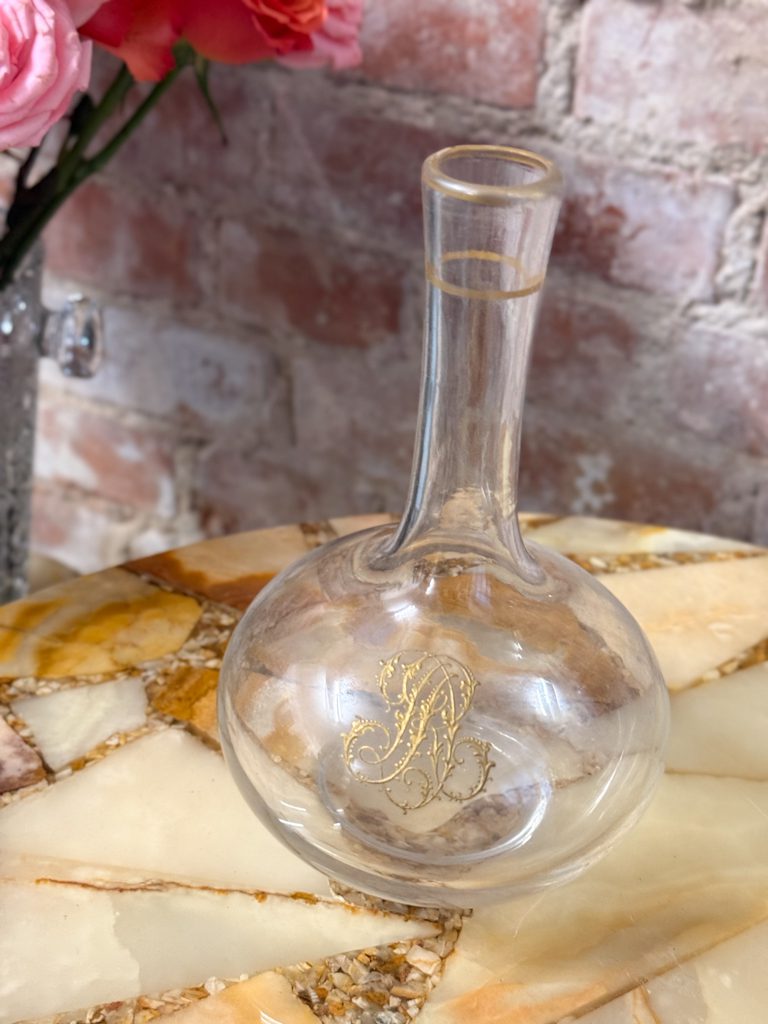
Šī karafe pieder tam auglīgajam Eiropas dekoratīvās mākslas periodam, kad Historicisma stilā iedibinātā mīlestība uz agrākiem gadsimtiem — jo īpaši uz Luija XV rokoko eleganci — vēl pilnā spēkā valdīja aristokrātisko galdu kultūrā, bet Art Nouveau ornamentālā valoda jau klusi ienāca zelta līniju dzīvīgumā un monogrammas savijumu plūdumā. Lodveida korpusa forma ar garo, smalko kaklu ir tieša atsauce uz 18. gadsimta franču galda stikla tradīciju — tā sauktajām carafes boules, kas rotāja Versaļas un provinciālo châteaux pusdienu galdus. Zelta ornamentālā monogramma ar savītos burtus ieskaujošiem akantuslapu un ritošo volūtu motīviem liecina par augstu amatnieka kvalifikāciju un pasūtītāja apzinātu piederību aristokrātiskai vai augstburžuāziskai kultūrai.
―――――――――――――――――――――
⚜️ RAŽOTĀJS UN MANUFAKTŪRAS ZĪMOGS
Karafei nav redzama ražotāja zīmoga — tas ir raksturīgi galda stiklam, kas 19. gadsimta beigās un 20. gadsimta sākumā tika izgatavots pēc individuāla pasūtījuma prestižās Eiropas stikla darbnīcās. Zelta monogrammas izpildījuma kvalitāte — smalkie punktiņu ornamenti, savīto burtu proporcionālā izsmalcinātība, floreālā apdare — liecina par izpildījumu franču vai Bohēmijas (Böhmen) tradīcijā, kur stikla rotāšana ar zelta emisiju (Goldmalerei) bija augsti attīstīta māksla. Bohēmijas manufaktūras — tādas kā Moser no Karlovijas Variem — šajā periodā piegādāja galda stiklu Eiropas karaliskajiem galmiem, krievu aristokrātijai un Austro-Ungārijas augstākajai sabiedrībai. Franču tradīcijā šāda veida personalizēts galda stikls ar ģimenes monogrammu bija gan aristokrātiskas identitātes apliecinājums, gan elegants dāvanas žests kāzu vai jubilejas reizē.
―――――――――――――――――――――
💎 RETUMS UN NOZĪME
Personalizēts antīks galda stikls ar roku zīmētu zelta monogrammu — tas ir objekts, kas antikvāru pasaulē tiek meklēts gan kolekcionāru, gan interjera dizaineru aprindās. Zelta ornamentācijas saglabātība šajā karafē ir ievērojama — monogramma nav izbalējusi, kas liecina par augstvērtīgu izpildījumu un rūpīgu glabāšanu. Šādi priekšmeti bieži vien piederēja konkrētām dzimtām un tika mantoti paaudzēs — tā katra šāda karafe ir arī neliels vēsturisks dokuments. Kolekcionāru interesi pastiprina fakts, ka lodveida korpusa (boule) forma ar nelielo izmēru ir retāk sastopama nekā klasiskās augstās karafes.
―――――――――――――――――――――
🕯️ PIELIETOJUMS INTERJERĀ, DIZAINĀ UN FOTOGRĀFIJĀ
Karafe ir izcili pielietojama klasisku, eklektisku un grandmillennial stila interjeru stilizācijā — kā dekoratīvs elements uz marmora vai oniksa galdiņa, bibliotēkas plaukta, konsolītes vai vīna skapja virsmas. Dizaineri to bieži izmanto kā kontrastu modernām virsmām — caurspīdīgais stikls, zelta monogramma un organiskā forma rada izsmalcinātu dialogu ar betona, misiņa vai tumšā koka virsmām. Produktu un interjera fotogrāfiem šāds priekšmets ir iemīļots rekvizīts — tas uzreiz rada nostalģisku, aristokrātisku atmosfēru kadra kompozīcijā.
―――――――――――――――――――――
🔍 STĀVOKLIS
Karafe ir labā antīkā stāvoklī. Stikla korpuss bez plaisām vai skaidu. Zelta monogramma labi saglabāta ar nelielu dabisku novecojumu. Aizbāznim redzama matēta virsma uz korķa daļas — dabisks nolietojums no lietošanas. Kaklā vērojama neliela zelta līnija, kas ir oriģināla dekora daļa. Korpusa iekšpusē vērojama neliela dūmainība — raksturīga antīka stikla pazīme. Lietas stāvoklis pilnībā atspoguļots fotogrāfijās.
―――――――――――――――――――――
🇬🇧 DESCRIPTION IN ENGLISH
Glass Decanter with Gilded Monogram — Louis XV / Rococo Style, France / Europe, circa 1880–1910
―――――――――――――――――――――
📐 DIMENSIONS
Dimensions not yet measured. Based on proportions visible in photographs relative to the hand — approximate height with stopper circa 25–30 cm, body diameter circa 14–16 cm. Weight — slightly light, thin-walled glass.
―――――――――――――――――――――
🏛️ PERIOD, ART STYLE, HISTORICAL CONTEXT
This decanter belongs to that fertile period in European decorative arts when the Historicist devotion to earlier centuries — above all to the elegant rococo of Louis XV — still held firm sway over aristocratic table culture, while the ornamental language of Art Nouveau had already begun to quietly enter through the vitality of gilded lines and the flowing interplay of monogram letters. The spherical body (boule) with its long, slender neck is a direct reference to the 18th-century French glass tradition — the so-called carafes boules that adorned the dining tables of Versailles and provincial châteaux. The gilded ornamental monogram, with its interlaced letters framed by acanthus leaf and scrolling volute motifs, speaks to a highly skilled craftsman and a patron who consciously identified with aristocratic or upper-bourgeois culture.
―――――――――――――――――――――
⚜️ MAKER AND MARKS
No maker’s mark is visible — characteristic of table glass produced to individual commission in prestigious European glassworks of the late 19th and early 20th centuries. The quality of execution of the gilded monogram — the delicate dotwork ornaments, the proportional refinement of the interlaced letters, the floral embellishment — points to the French or Bohemian (Böhmen) tradition, where the gilding of glass (Goldmalerei) was a highly developed art form. Bohemian manufacturers — such as Moser of Karlovy Vary — supplied table glass to European royal courts, Russian aristocracy, and the highest strata of Austro-Hungarian society during this period. In the French tradition, personalised table glass bearing a family monogram served both as a declaration of aristocratic identity and as an elegant gift for weddings or anniversaries.
―――――――――――――――――――――
💎 RARITY AND SIGNIFICANCE
Personalised antique table glass with a hand-painted gilded monogram is an object sought in the antique world by collectors and interior designers alike. The preservation of the gilded ornamentation on this decanter is remarkable — the monogram has not faded, which attests to the quality of the original execution and careful stewardship over the years. Such objects frequently belonged to specific families and were passed down through generations — making each such decanter a small historical document in its own right. Collector interest is further heightened by the fact that the spherical body form in this modest size is encountered less frequently than the classical tall decanter format.
―――――――――――――――――――――
🕯️ USE IN INTERIOR, DESIGN AND PHOTOGRAPHY
The decanter is exceptionally well suited for classical, eclectic, and grandmillennial interior styling — as a decorative object on a marble or onyx side table, a library shelf, a console, or a drinks cabinet surface. Designers frequently employ it as a counterpoint to modern surfaces — the transparent glass, the gilded monogram, and the organic form create a refined dialogue with concrete, brass, or dark wood. For product and interior photographers, such a piece is a beloved prop — it immediately establishes a nostalgic, aristocratic atmosphere within the compositional frame.
―――――――――――――――――――――
🔍 CONDITION
The decanter is in good antique condition. The glass body is free of cracks or chips. The gilded monogram is well preserved with minor natural age-related wear. The stopper shows a frosted surface on the cork section — natural wear from use. A fine gilded ring is visible at the neck, forming part of the original decoration. Some slight internal cloudiness is visible within the body — characteristic of antique glass. The condition of the item is fully reflected in the photographs.