
Miniatūra Izmēra Svečturis ar Napoleona Simbolu (4524)
Miniatūra Izmēra Svečturis ar Napoleona Simbolu (4524)
€120.00
Napoleona Empire stila miniatūrs svečturis ar imperatorisko ērgli un bišu ornamentu — sudrainā bronzā
―――――――――――――――――――――
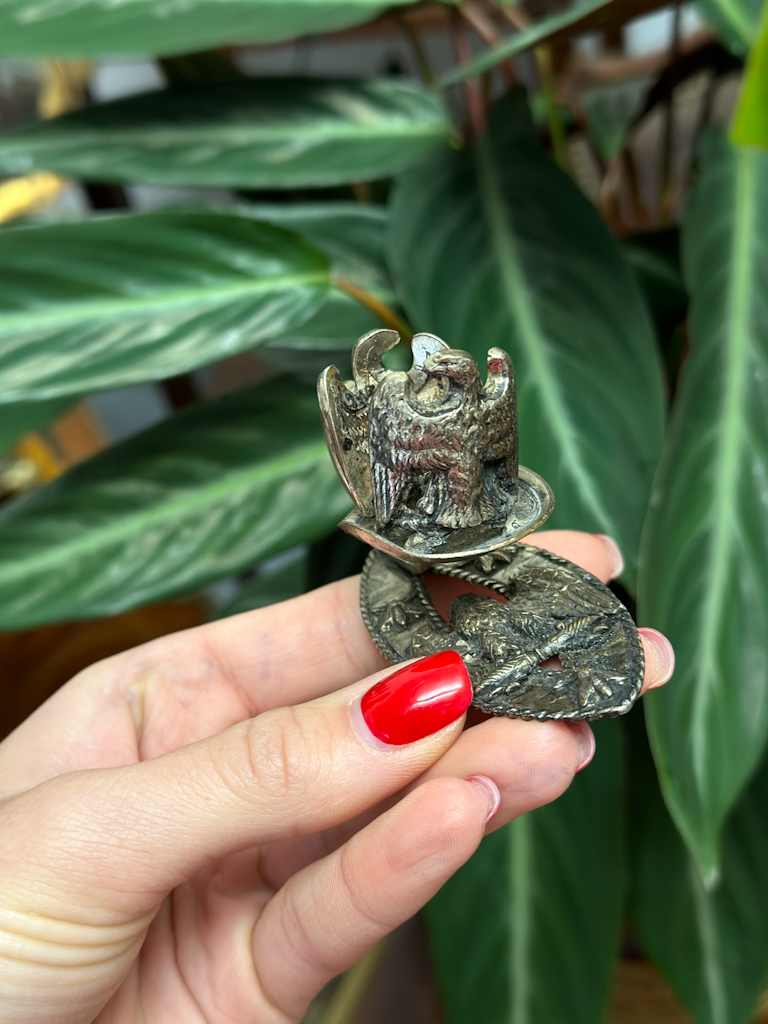
🏛️ Šis izcilais miniatūrais svečturis izgatavots Empire stila laikmetā vai tā atdzimšanas periodā — visticamāk 19. gadsimta pirmajā pusē (1800–1860). Tas pieder pie tā saucamajiem “kabineta svečturiem” — maziem, personīgiem priekšmetiem, kas paredzēti rakstāmgalda vai naktsskapīša izmantošanai. Empire stils dzima ar Napoleona I varu Francijā un kļuva par Eiropas impēriskās estētikas standartu — tas apvienoja antīkās Romas monumentalitāti ar Ēģiptes eksotiku un militāro varenību. Šis svečturis ir miniatūrs šī laikmeta manifests: viss, ko Napoleons iecienīja savā simbolikā, ir iekļauts vienā nelielā priekšmetā.
―――――――――――――――――――――
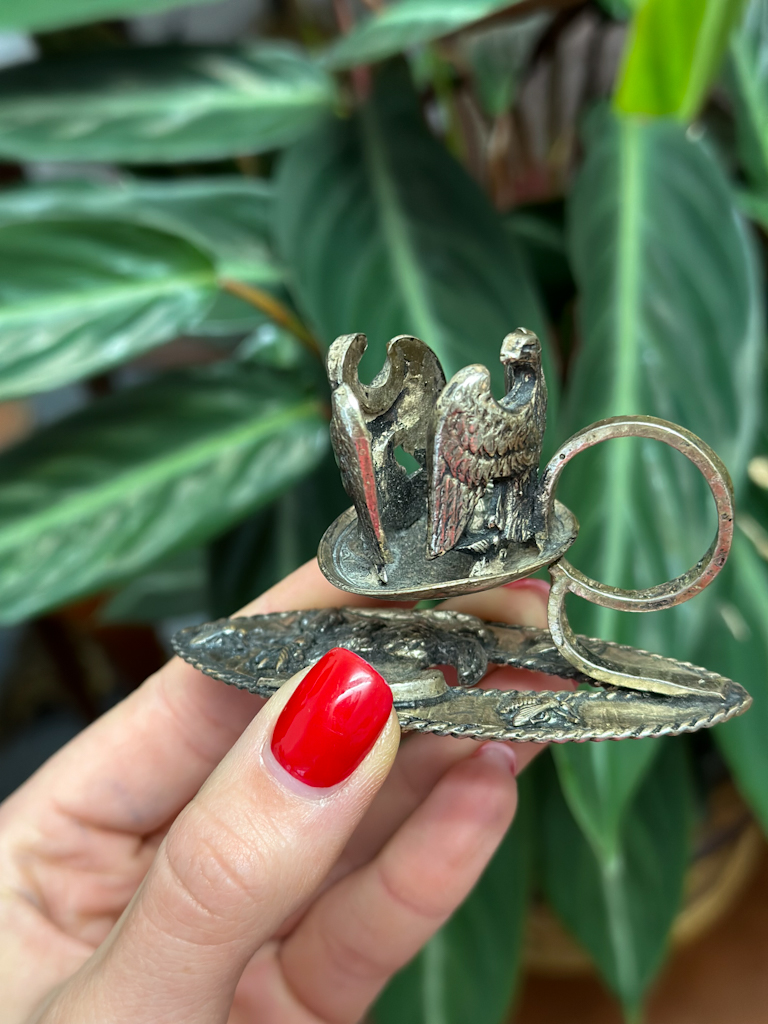
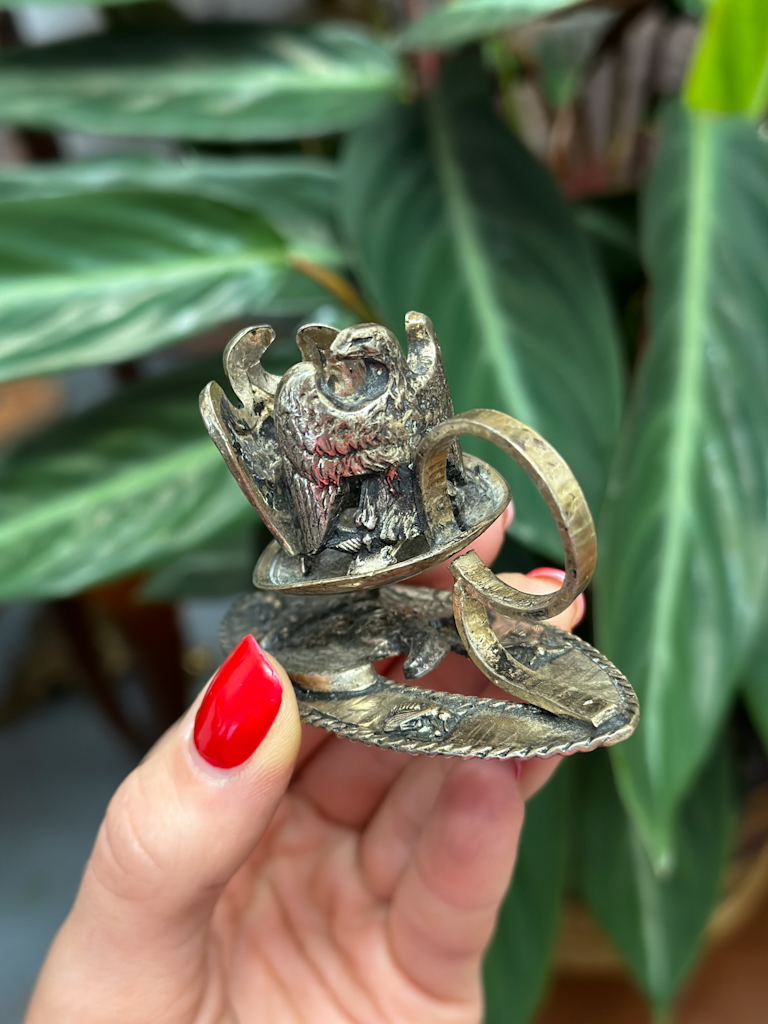
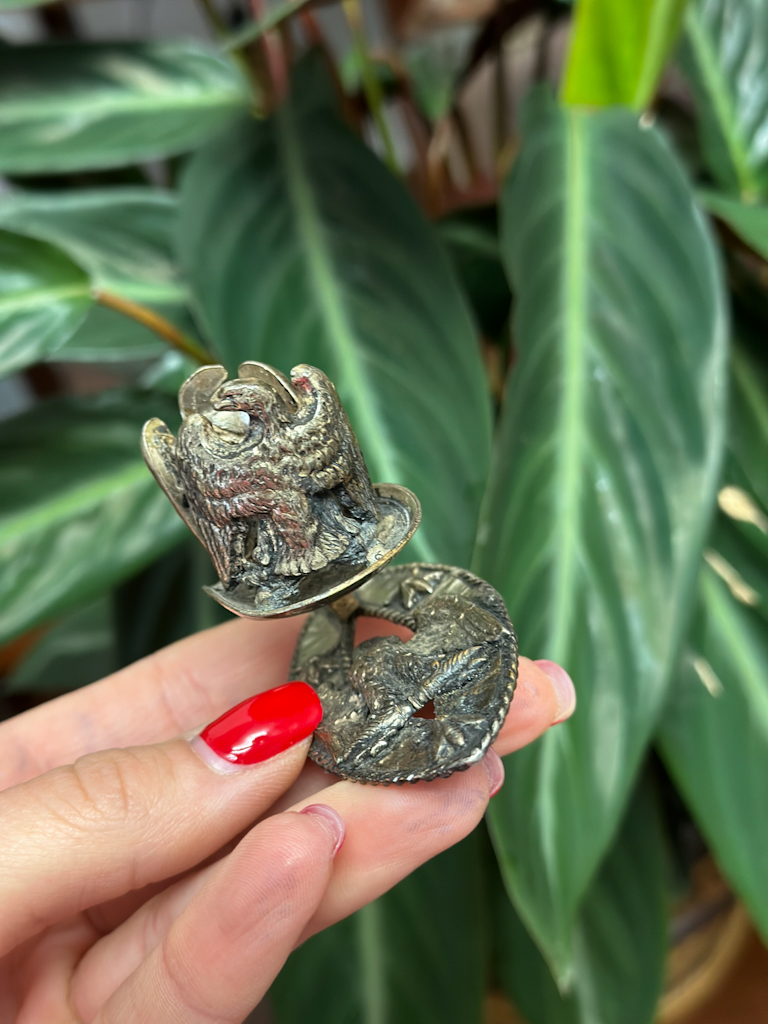
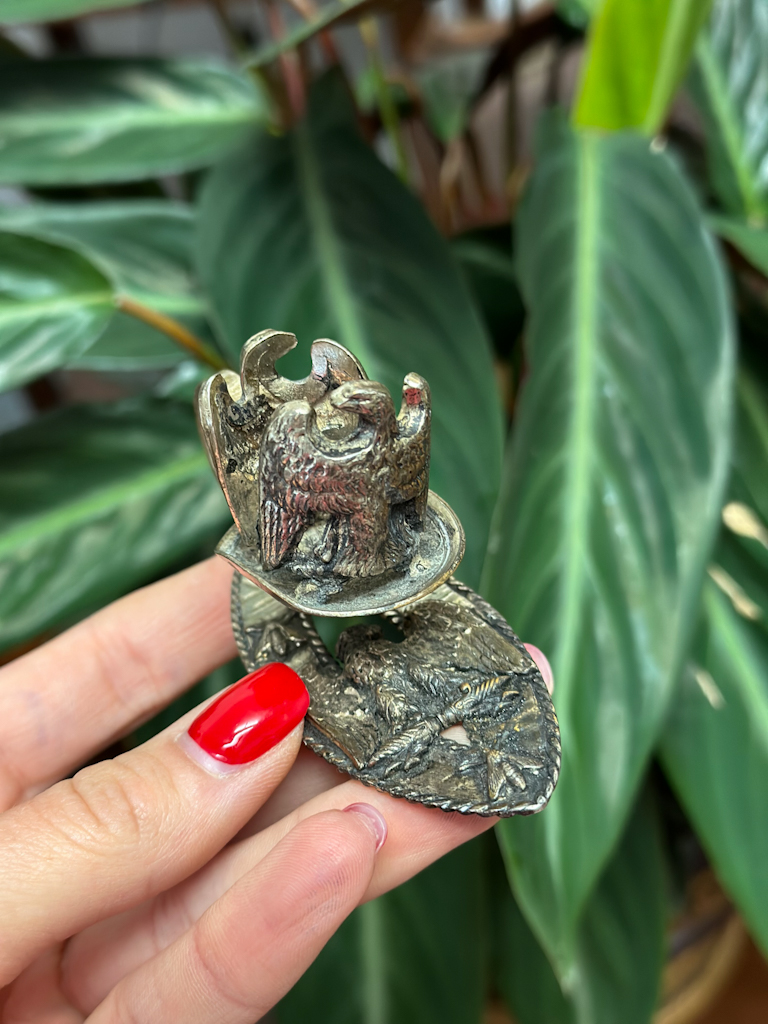
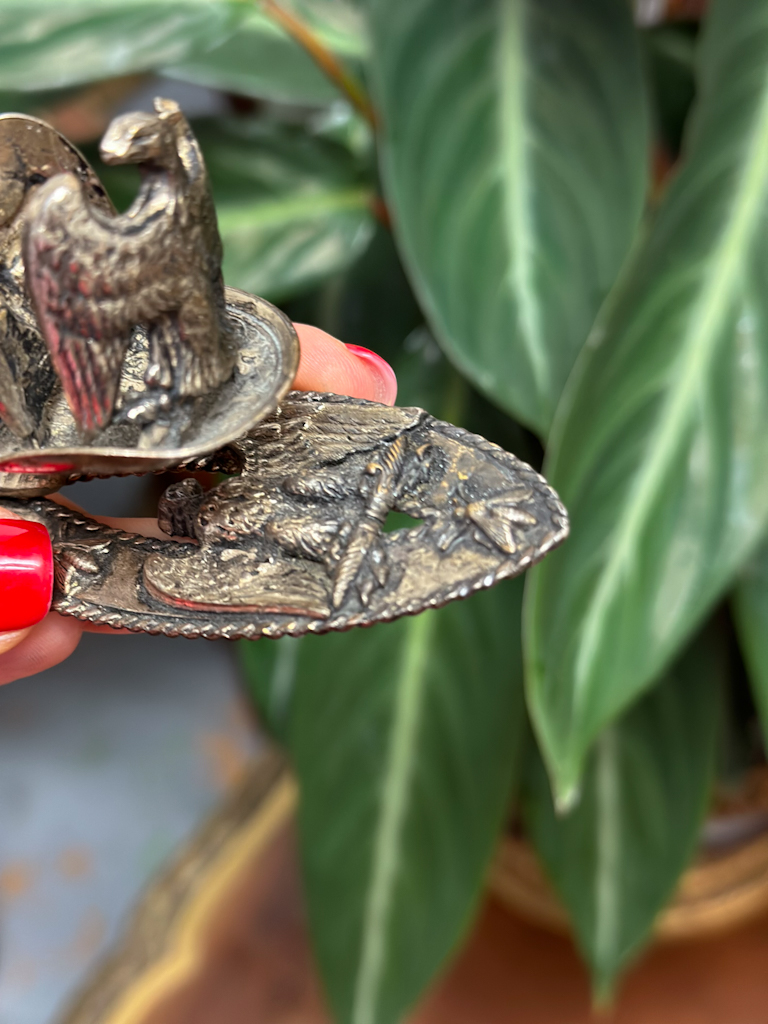
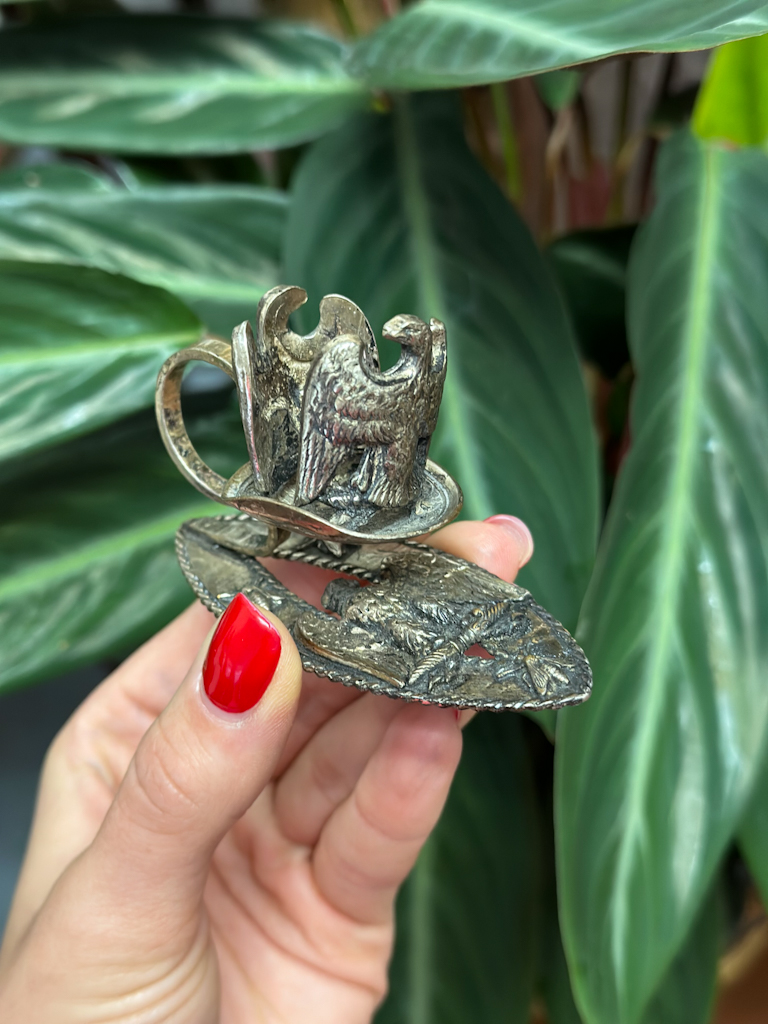
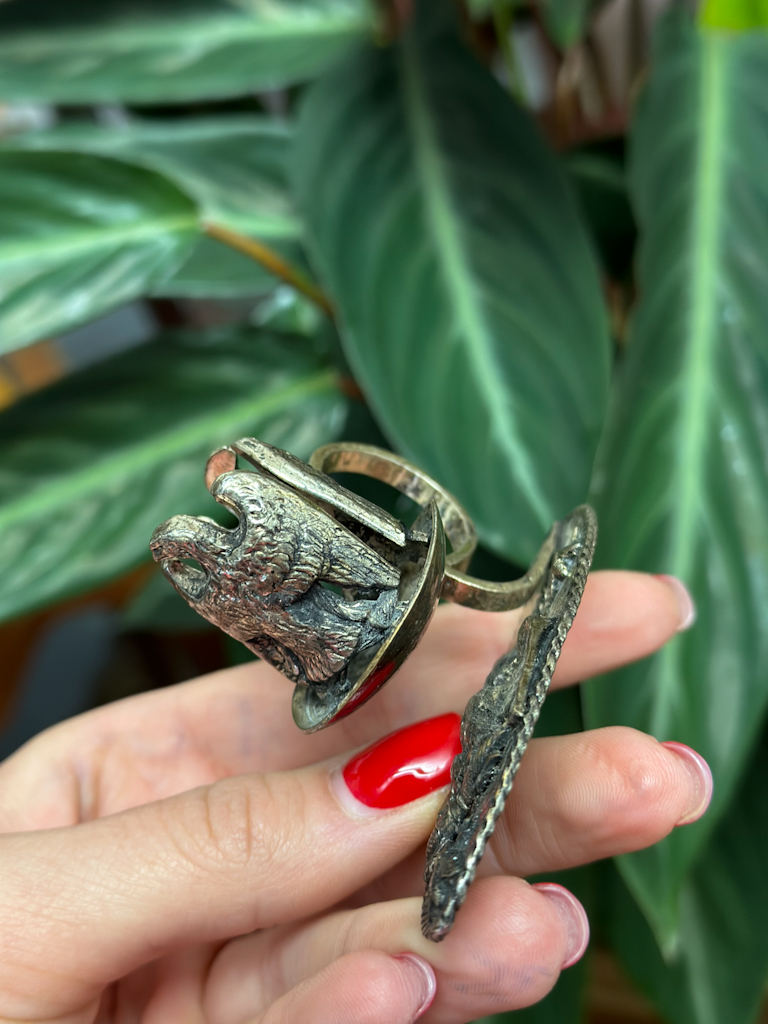
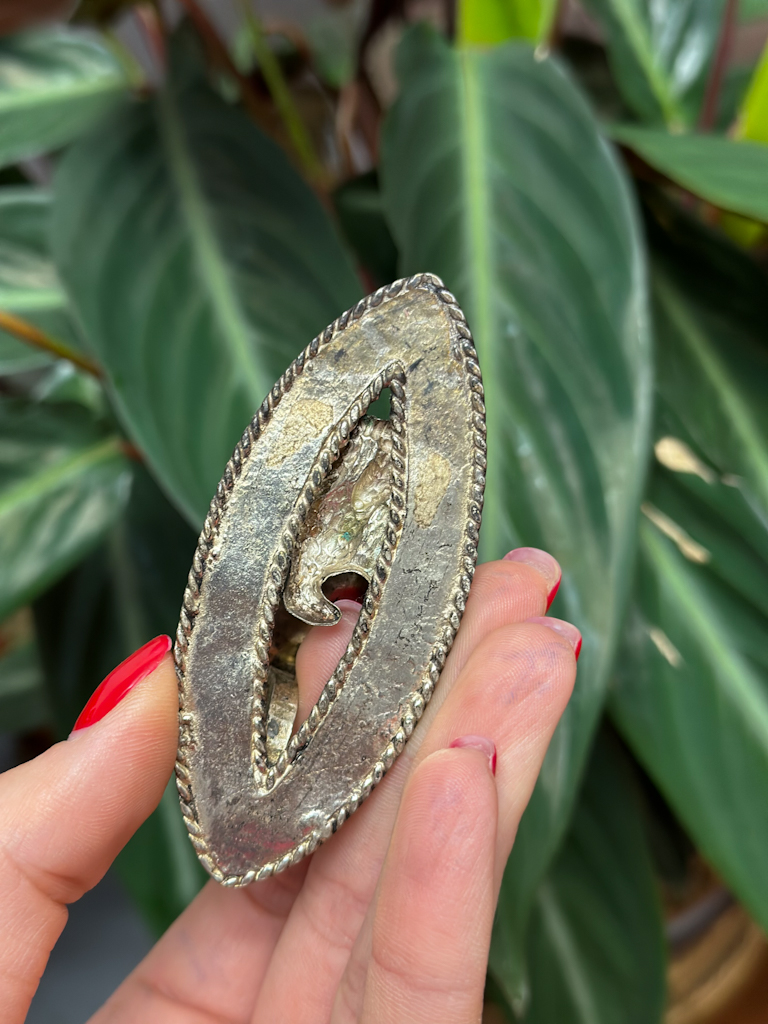
⚜️ Svečtura divi galvenie simboliskie elementi ir imperatoriskais ērglis un bišu ornaments — abi ar dziļu un precīzu vēsturisku nozīmi. Ērglis bija Napoleona impērijas galvenais heraldiskais simbols — tiešs aizguvums no Romas leģionu standartiem. Napoleons izvēlējās ērgli kā valsts simbolu 1804. gadā, kronējot sevi par imperatoru, un tas rotāja visu — no karoga līdz porcelānam un sudraba traukiem. Bite bija vēl senāks un personiski Napoleonam ļoti nozīmīgs simbols. Viņš to izvēlējās tāpēc, ka bites tika atrastas Franku karaļa Hilderika I (5. gs.) kapā — tas Napoleonam ļāva saistīt savu varu ar seno Francijas monarhiju, nevis ar revolucionārajiem simboliem. Bites rotāja viņa koronācijas apmetni — samtaino zilo imperatorisko mantu, kas bija izšūta ar zelta bišu ornamentiem. Tās kļuva par darba, kārtības un nemirstīgas valstiskuma simbolu. Šī svečtura ovālajā pamatnē skaidri redzams bišu un zaru ornaments ar rāpuļveida faktūru — elegants, bet saturīgs lējums. Ražotāja zīmogs nav identificējams.
―――――――――――――――――――――
💎 Miniatūri svečturi ar abiem Napoleona ikoniskajiem simboliem — ērgli UN bišu ornamentu — vienā priekšmetā ir ārkārtīgi reti. Napoleonika ir viena no aktīvākajām kolekcionāru jomām pasaulē — autentiski 19. gadsimta priekšmeti ar imperatorisko simboliku tiek pārdoti ātri un par augstu cenu gan Sotheby’s, gan Drouot izsolēs. Bišu simbols īpaši ieinteresē vēstures un heraldistikas kolekcionārus — tas ir retāk sastopams nekā tikai ērgļa motīvs. Šāda kompakta, pilnīga forma ar abiem simboliem padara šo priekšmetu par izcilu Napoleonikas kolekcijas elementu.
―――――――――――――――――――――
🕯️ Šis svečturis pēc izmēra ir vairāk kabineta priekšmets un kolekcionāra objekts nekā ikdienas lietošanas svečturis. Tas lieliski iederētos vitrīnā kopā ar citiem Empire stila priekšmetiem, miniatūriem portretiem vai Napoleona laikmeta medaļām. Rakstāmgalda stūrī tas rada vēsturiski atmosfērisku, literāri noskaņotu kompozīciju. Interjera dizaineri to var izmantot kuratēta Empire stila interjera centrā. Fotogrāfiem tas ir izcils vēsturiska noskaņojuma rekvizīts — tumšā sudrainā patina ar ērgļa un bišu reljefu naturālā gaismā rada dziļu, drāmatisku attēlu.
―――――――――――――――――――――
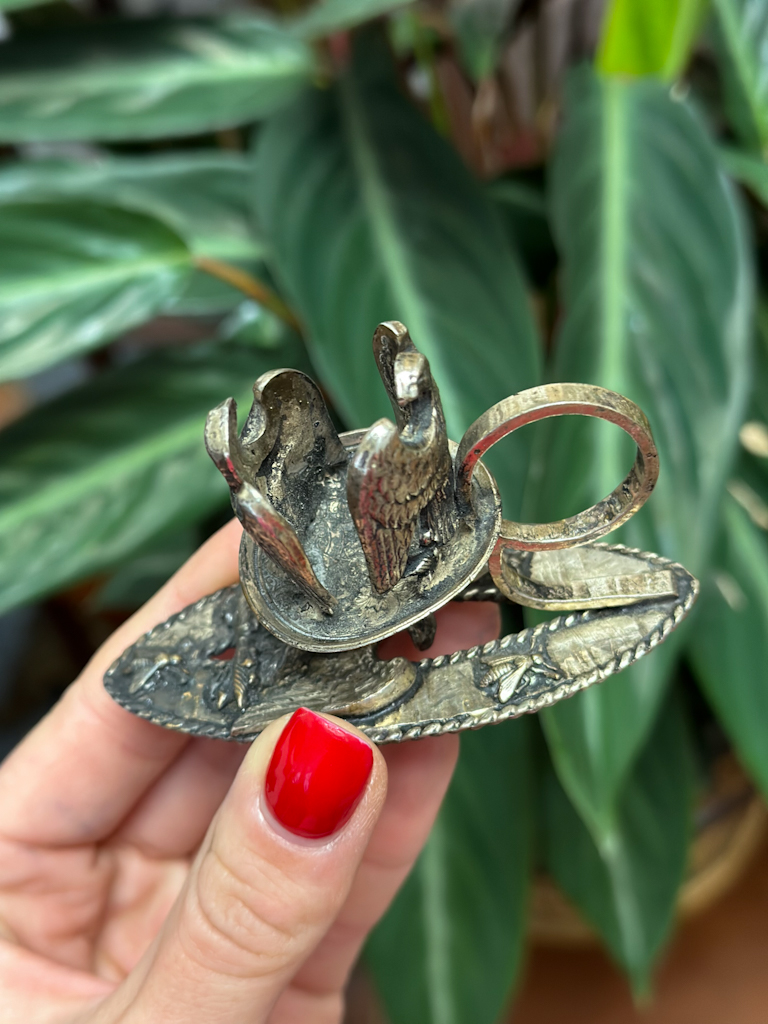
🔍 Svečturis ir vidēji labā antikvārā stāvoklī. Metāla virsma uzrāda izteiktu, tumšu patinu ar vecuma nolietojumu — tumši brūni un sudrainīgi toņi mijas dziļumos un izcilumos. Ērgļa figūra svečtura augšdaļā ir detalizēta, taču vietām uzrāda apstādinātu lējuma noapaļošanos — raksturīgi vecam, lietotam priekšmetam. Ovālā pamatne ar bišu ornamentu saglabājusies ar skaidri lasāmu reljefu. Pamatnes apakšpuse ir neapstrādāta, plakana metāla virsma. Vienā svečtura pusē redzams sarkans vasku piegājums no aktīvas lietošanas. Rokturis — apļveida cilpa — ir nedaudz deformēts, taču stabils. Kopumā — autentisks, ar izteiktu vecuma patinu, ar bojājuma pēdām, kas pastiprina vēsturisko autentiskumu.
Lietas stāvoklis pilnībā atspoguļots fotogrāfijās.
―――――――――――――――――――――
🇬🇧
A Napoleonic Empire Style Miniature Candlestick with Imperial Eagle and Bee Ornament — Silver-tone Bronze
―――――――――――――――――――――
🏛️ This exceptional miniature candlestick was made during the Empire style period or its revival — most likely in the first half of the 19th century (1800–1860). It belongs to the category of so-called “cabinet candlesticks” — small, personal objects intended for use on a writing desk or bedside table. The Empire style was born with Napoleon I’s rise to power in France and became the standard of European imperial aesthetics — combining the monumentality of ancient Rome with Egyptian exoticism and military grandeur. This candlestick is a miniature manifesto of that era: everything Napoleon prized in his symbolism is contained within one small object.
―――――――――――――――――――――
⚜️ The two principal symbolic elements of this candlestick are the imperial eagle and the bee ornament — both carrying deep and precise historical meaning. The eagle was the primary heraldic symbol of Napoleon’s empire — a direct borrowing from the standards of the Roman legions. Napoleon adopted the eagle as the state symbol in 1804 upon crowning himself Emperor, and it adorned everything from flags to porcelain and silverware. The bee was an even older and personally more significant symbol for Napoleon. He chose it because bees were found in the tomb of the Frankish king Childeric I (5th century) — allowing Napoleon to connect his authority to the ancient French monarchy rather than to revolutionary symbols. Bees adorned his coronation mantle — the sumptuous blue imperial robe embroidered with golden bees — and became a symbol of industry, order, and immortal statehood. The oval base of this candlestick clearly shows a bee and branch ornament with a textured surface — a refined yet richly meaningful casting. No maker’s mark is identifiable.
―――――――――――――――――――――
💎 Miniature candlesticks bearing both of Napoleon’s iconic symbols — the eagle AND the bee ornament — in a single object are exceedingly rare. Napoleonica is one of the most active collecting fields in the world — authentic 19th-century objects with imperial iconography sell quickly and at premium prices at Sotheby’s and Drouot auctions alike. The bee symbol is of particular interest to history and heraldry collectors — it appears less frequently than the eagle motif alone. This compact, complete form with both symbols makes this piece an outstanding element of any Napoleonica collection.
―――――――――――――――――――――
🕯️ By virtue of its size, this candlestick is more a cabinet piece and collector’s object than an everyday candleholder. It would sit beautifully in a display case alongside other Empire style objects, miniature portraits, or Napoleonic medals. On the corner of a writing desk it creates a historically atmospheric, literarily evocative composition. Interior designers can use it as the centrepiece of a curated Empire style interior. For photographers it is an outstanding historical atmosphere prop — the dark silver patina with eagle and bee relief in natural light creates a deep, dramatic image.
―――――――――――――――――――――
🔍 The candlestick is in moderately good antique condition. The metal surface shows a pronounced dark patina with aged wear — dark brown and silvery tones alternate in the recesses and highlights. The eagle figure at the top is detailed, though some rounding of the relief is visible in places — characteristic of an old, well-used object. The oval base with bee ornament is preserved with a clearly legible relief. The underside of the base is an unfinished, flat metal surface. On one side of the candlestick, red wax residue from active use is visible. The handle — a circular loop — is slightly deformed but stable. Overall — authentic, with pronounced aged patina, with marks of use that enhance its historical authenticity.
The condition of the item is fully reflected in the photographs.