
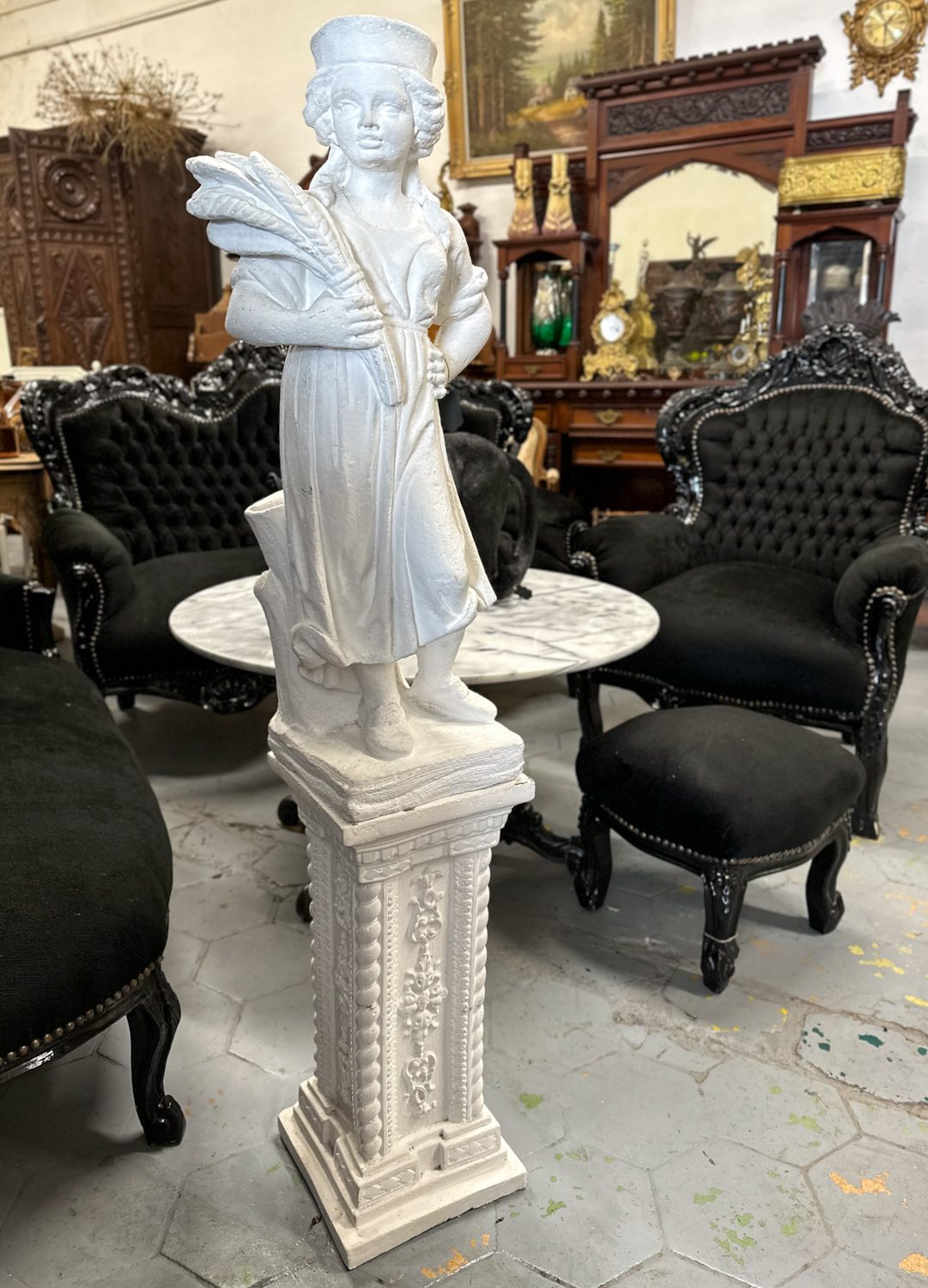
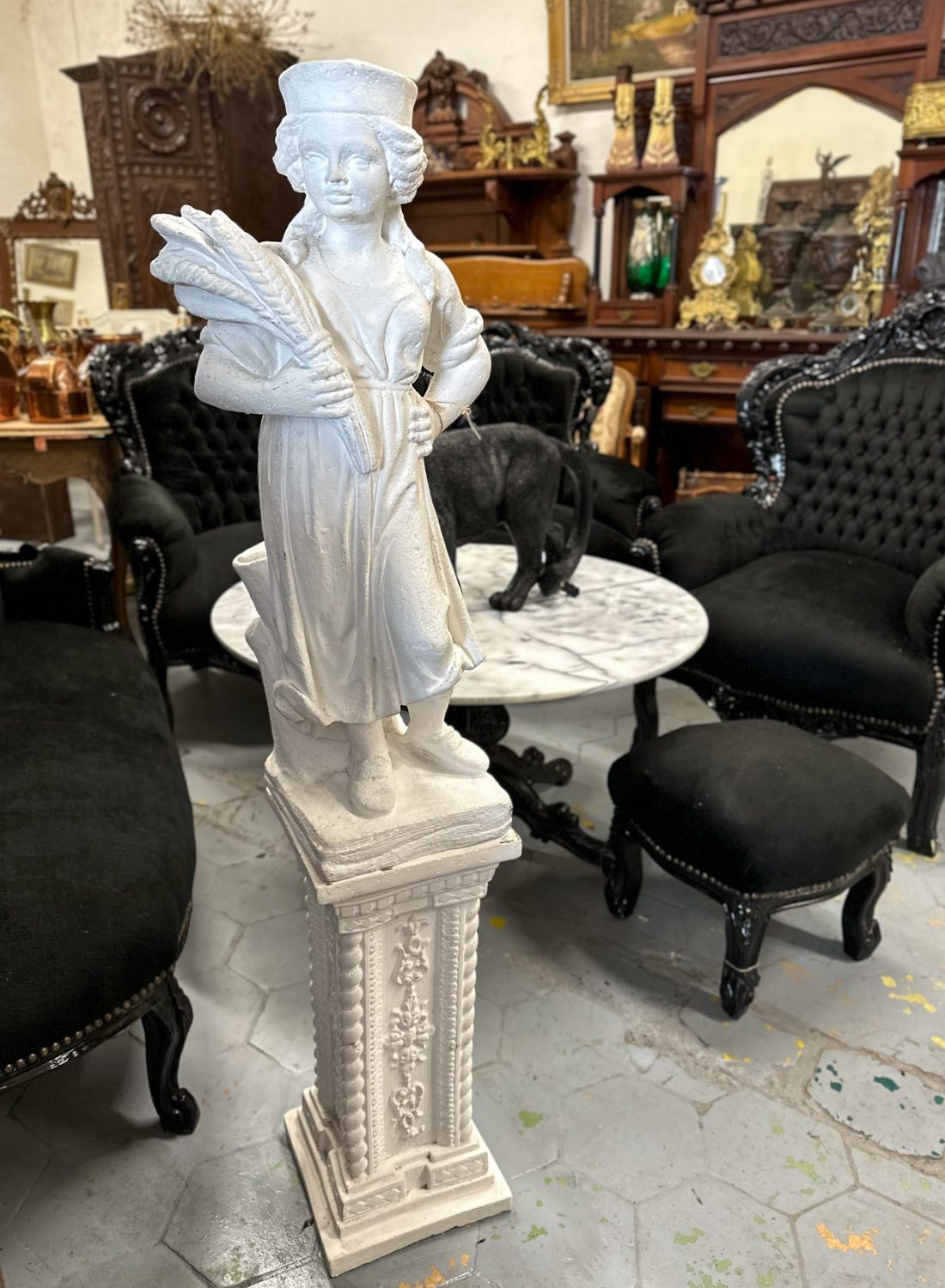
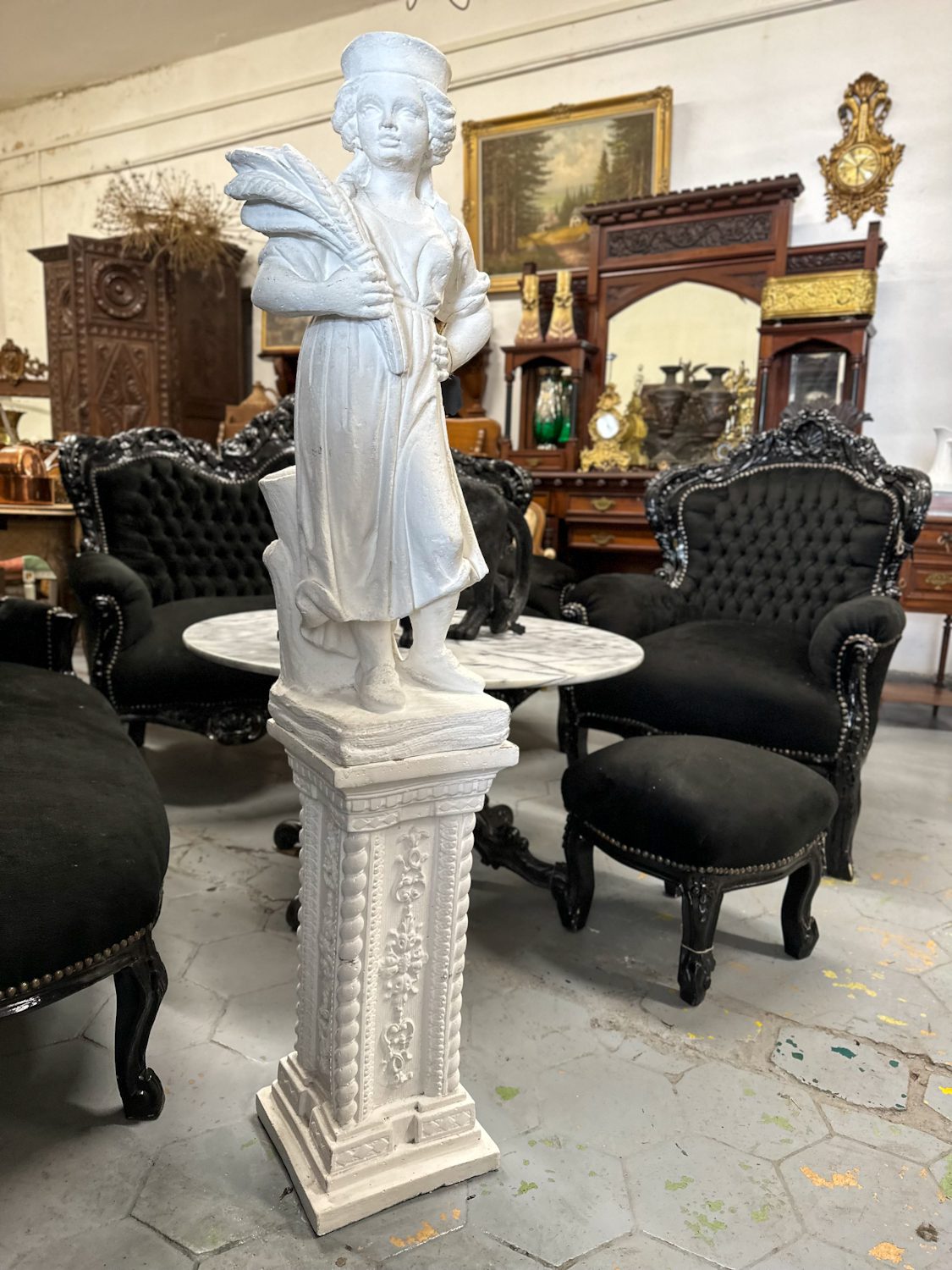
Labības vācēja jeb “Vasara” — Četru gadalaiku alegorija — Historicisms / Neoklasicisms, Eiropa, ap 1880.–1920. Figūra ar Kolonnu, Ļoti Smaga, Vidēja Izmēra (4006)
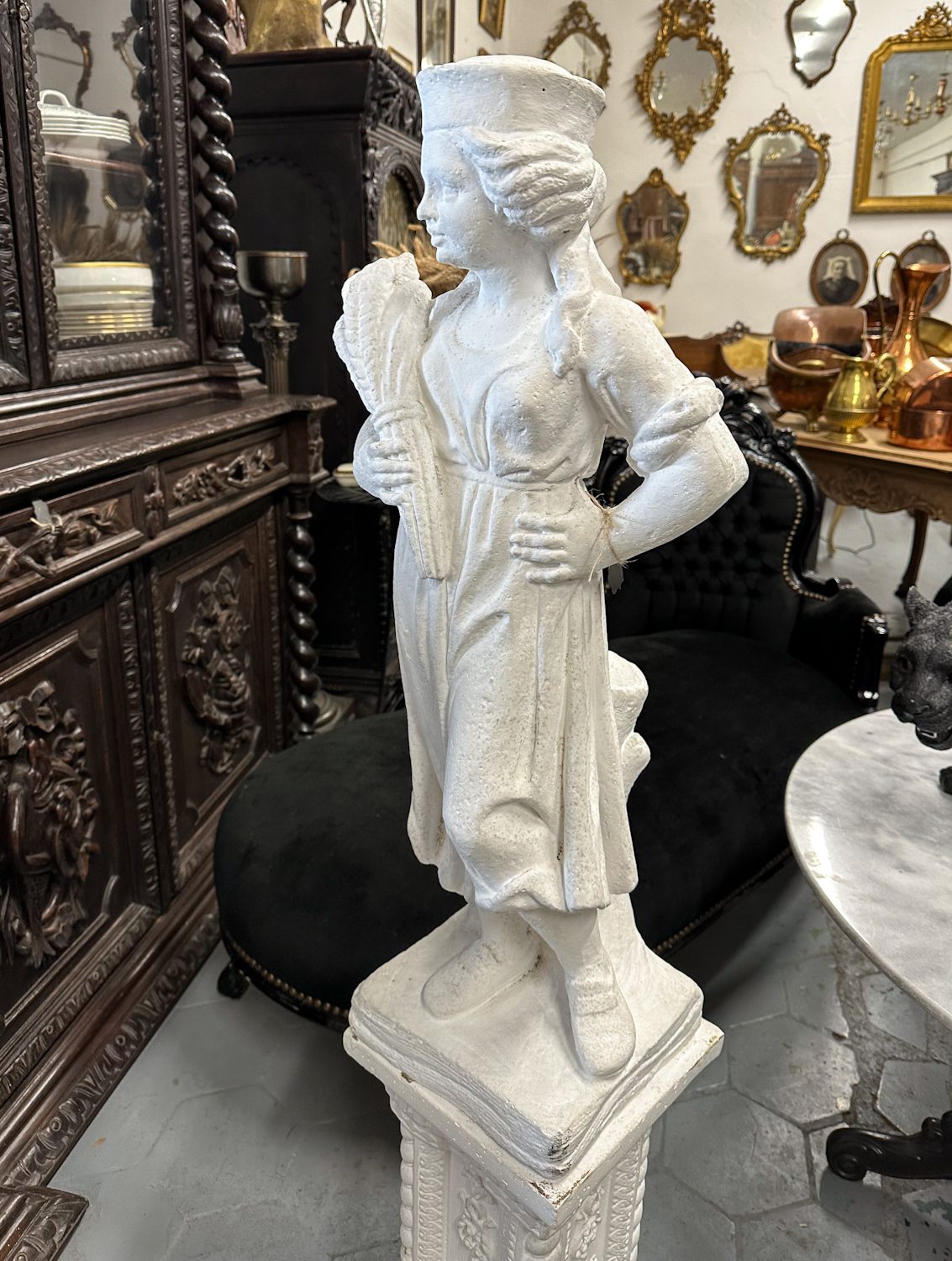
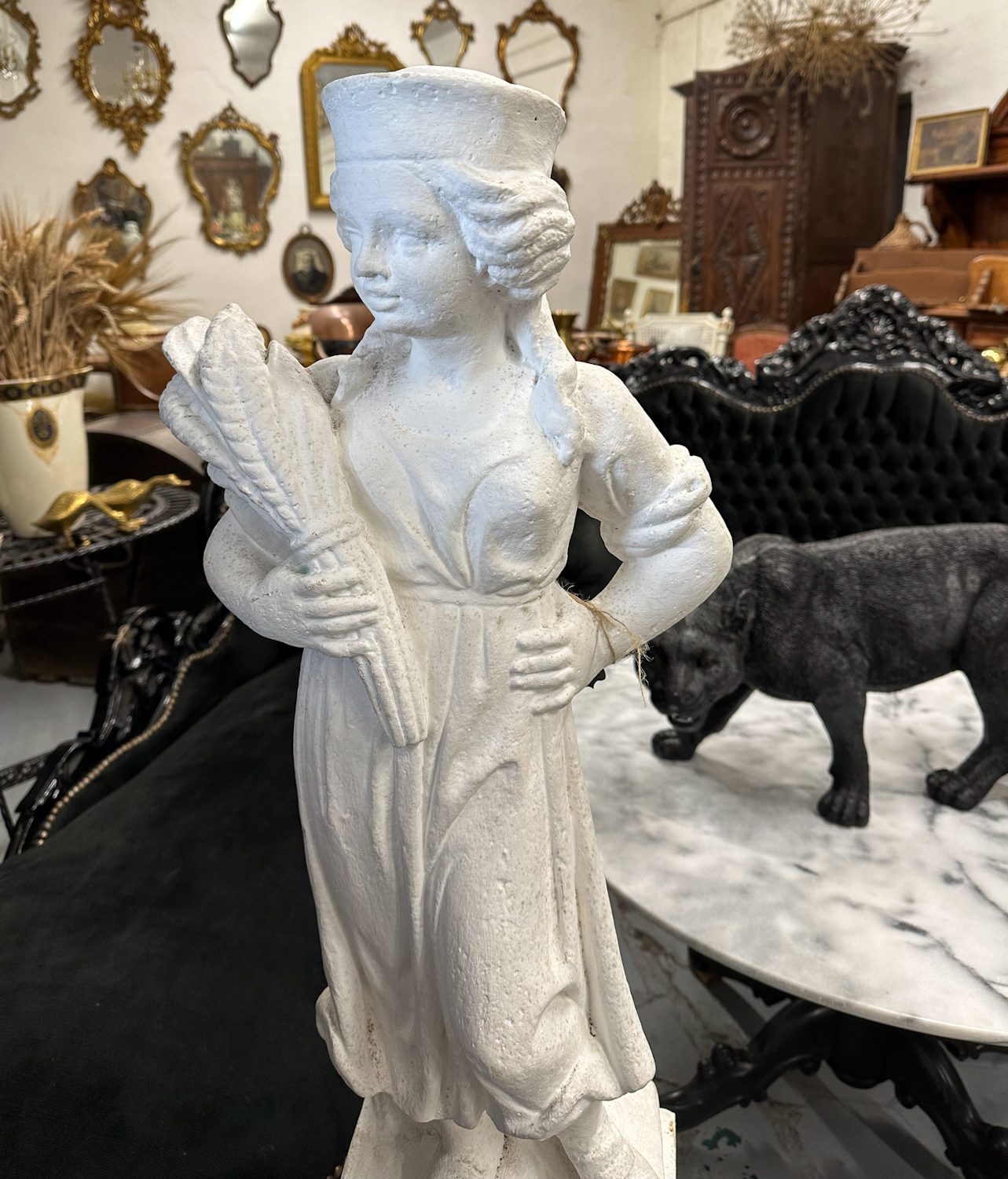
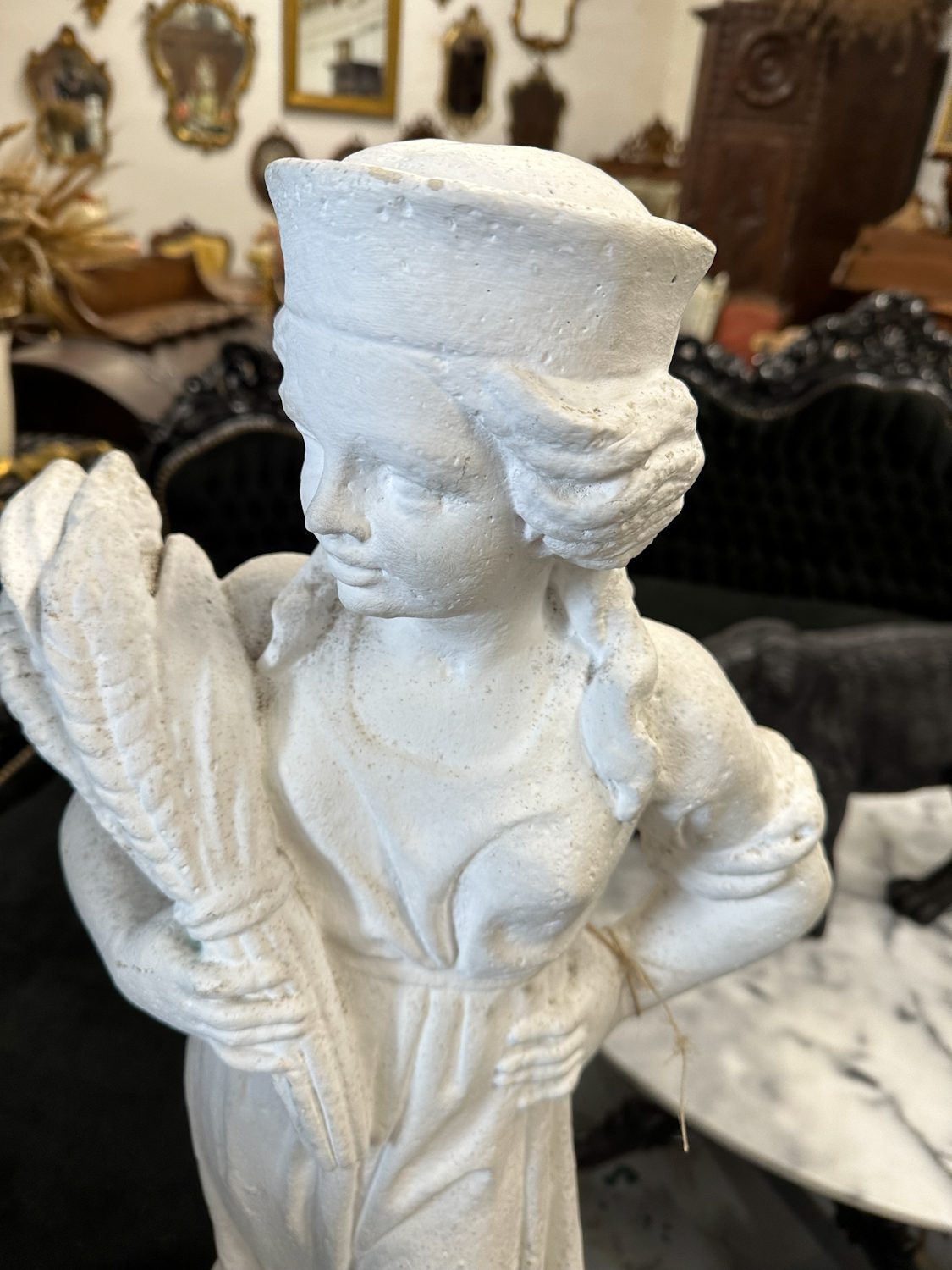
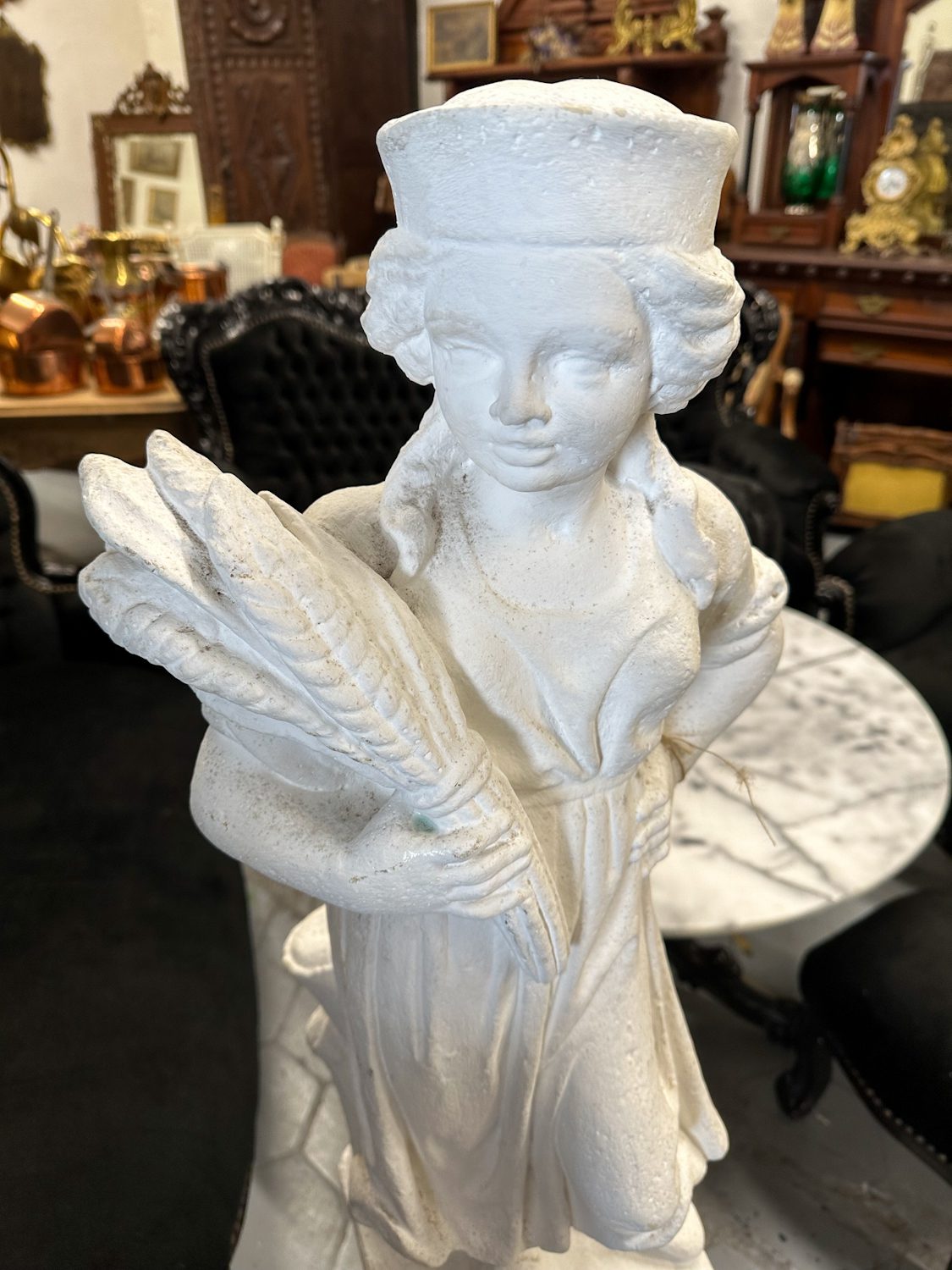
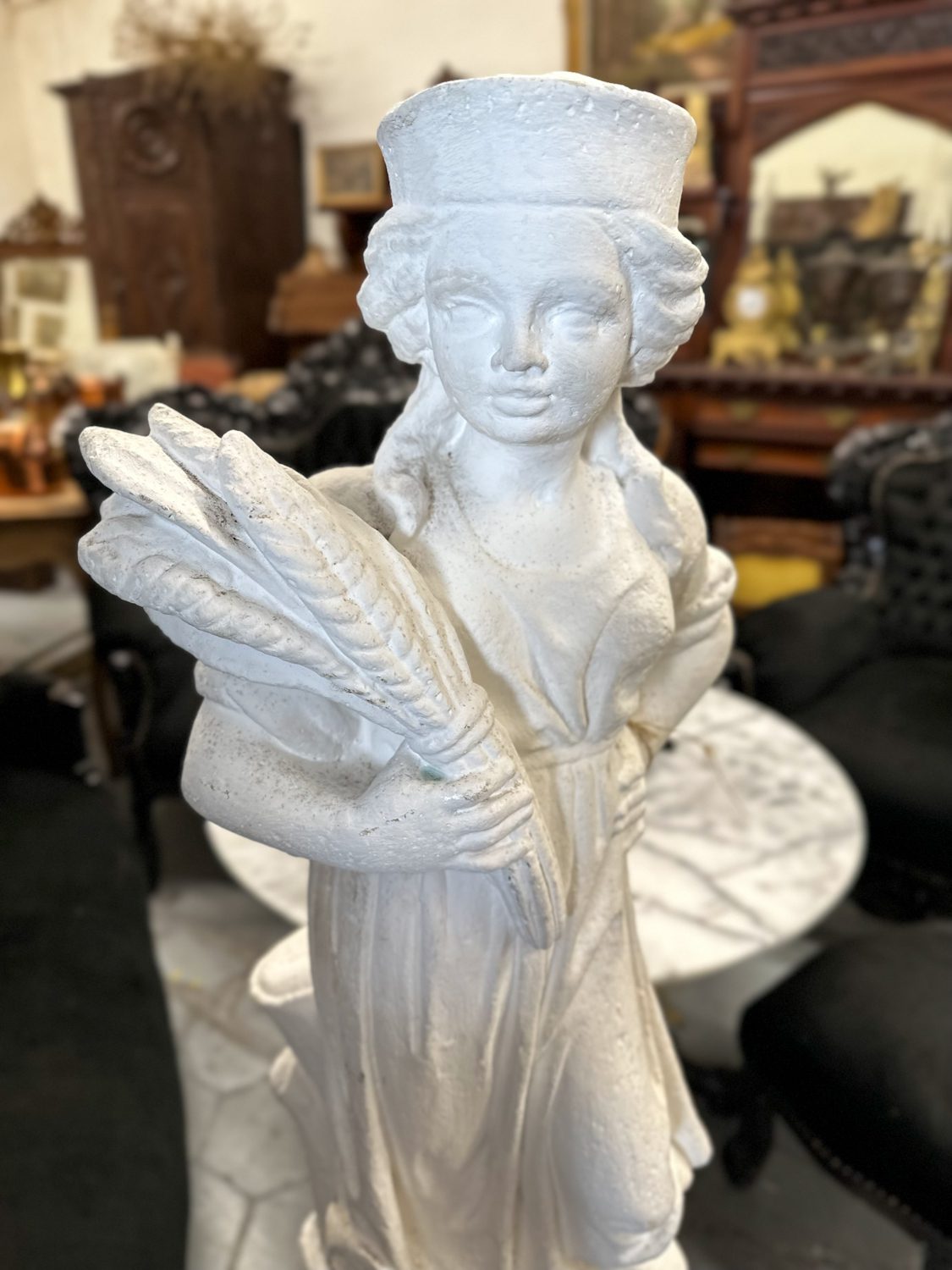
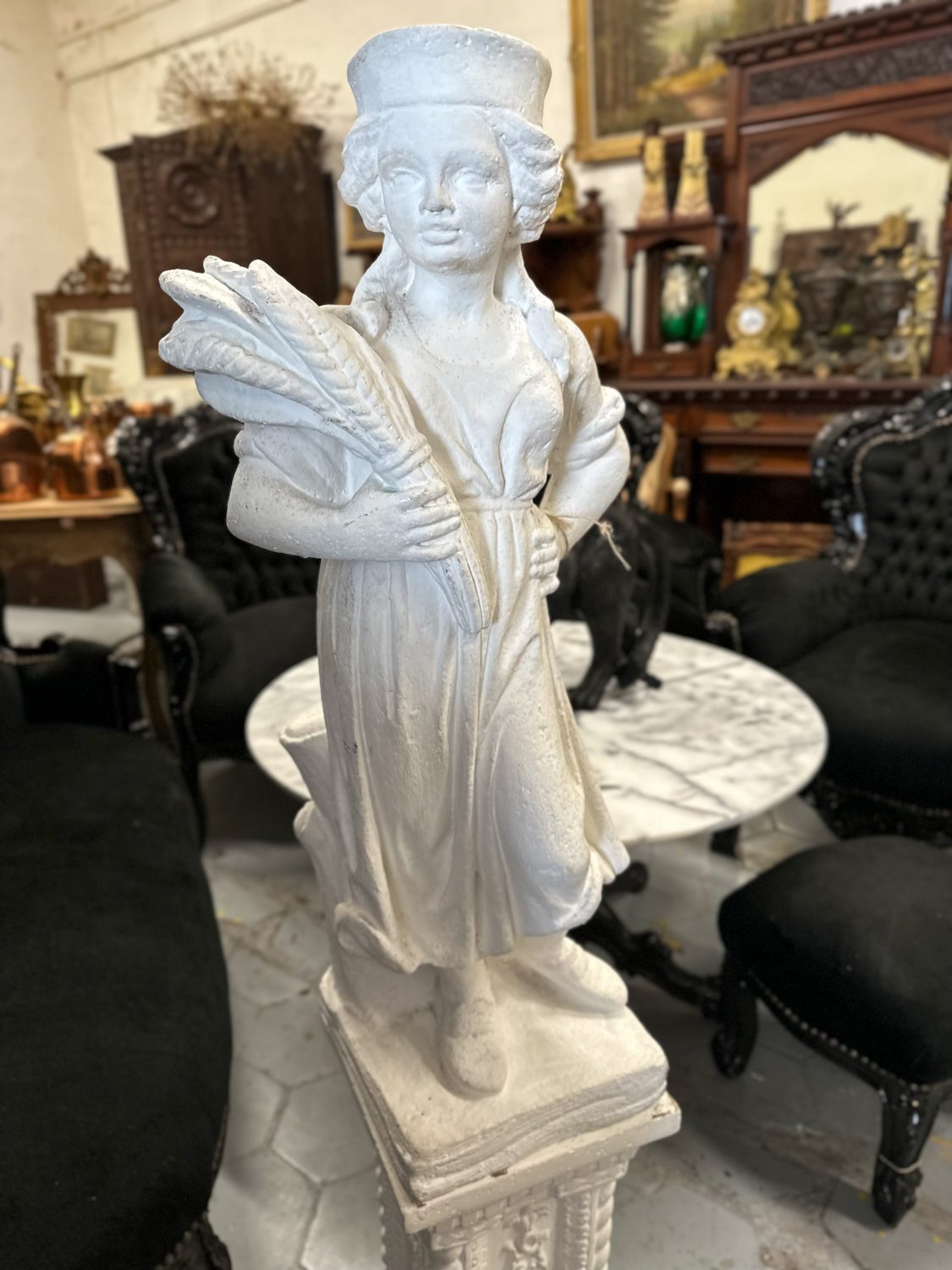
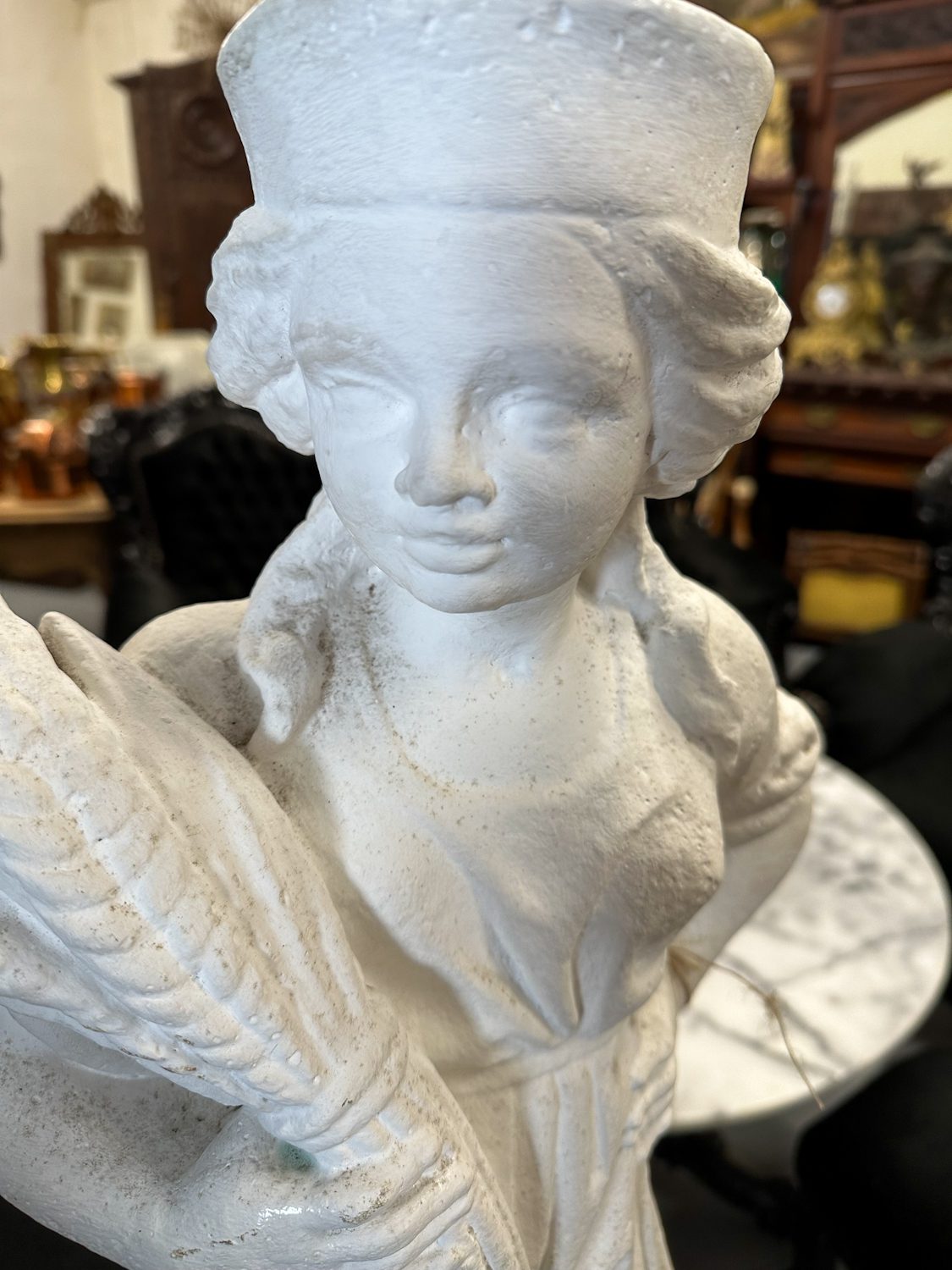
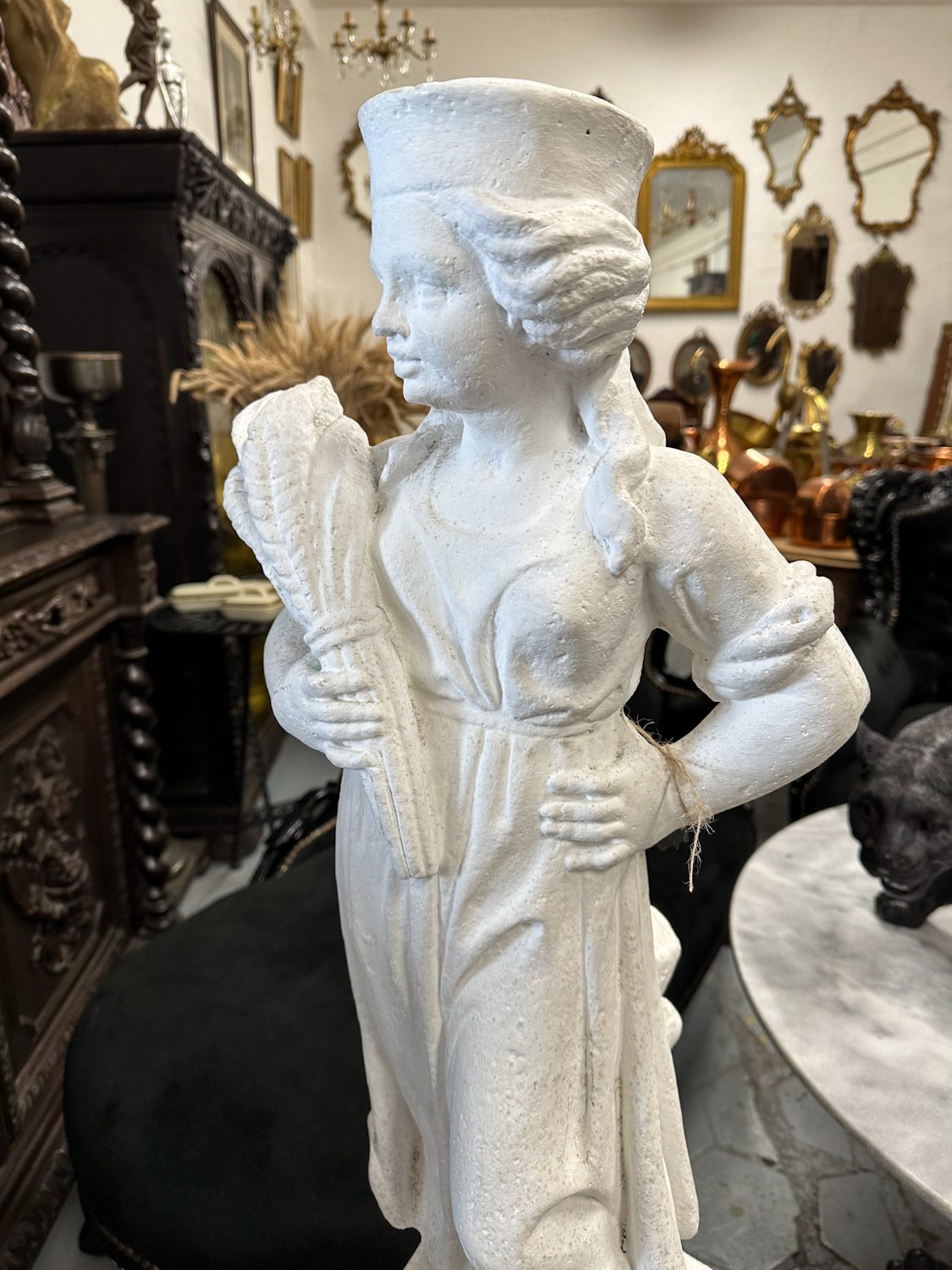
Labības vācēja jeb “Vasara” — Četru gadalaiku alegorija — Historicisms / Neoklasicisms, Eiropa, ap 1880.–1920. Figūra ar Kolonnu, Ļoti Smaga, Vidēja Izmēra (4006)
€480.00
📐 IZMĒRI Kopējais augstums ar kolonnu: aptuveni 133,5 cm. Figūra: augstums 76,5 cm, platums ~34 cm. Kolonna: augstums 57 cm, platums 25 cm. Konstrukcija divdaļīga — figūra un kolonna nodalāmi. Materiāls: smalkgraudains ģipšbetons vai cementbetona maisījums, speciāli piemērots āra apstākļiem. Ļoti smaga.
―――――――――――――――――――――
Labības vācēja jeb “Vasara” — Četru gadalaiku alegorija — Historicisms / Neoklasicisms, Eiropa, ap 1880.–1920. Āra un interjera skulptūra ar dekoratīvo kolonnu
―――――――――――――――――――――
🏛️ IZGATAVOŠANAS PERIODS, MĀKSLAS STILS, LAIKMETS
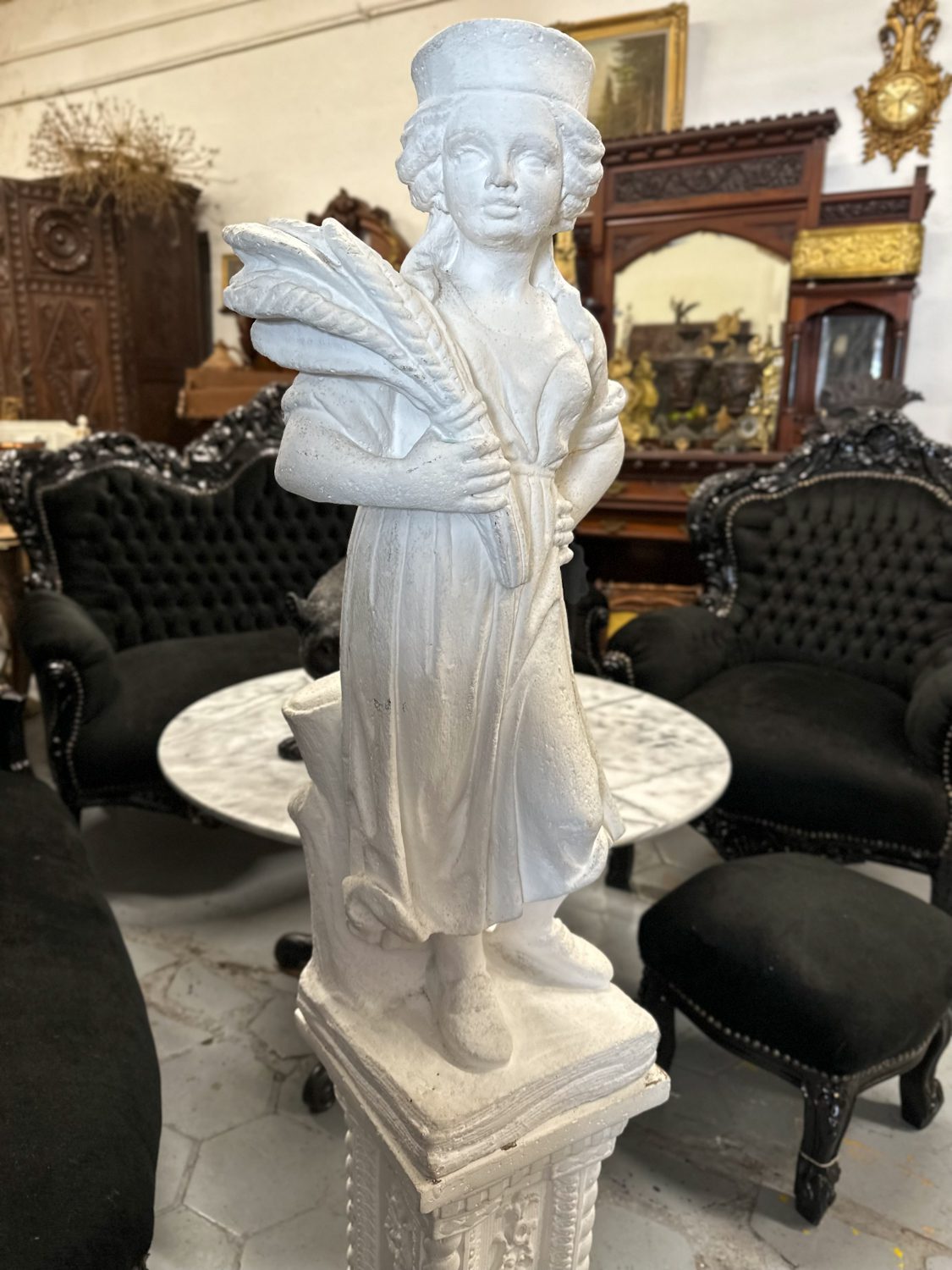
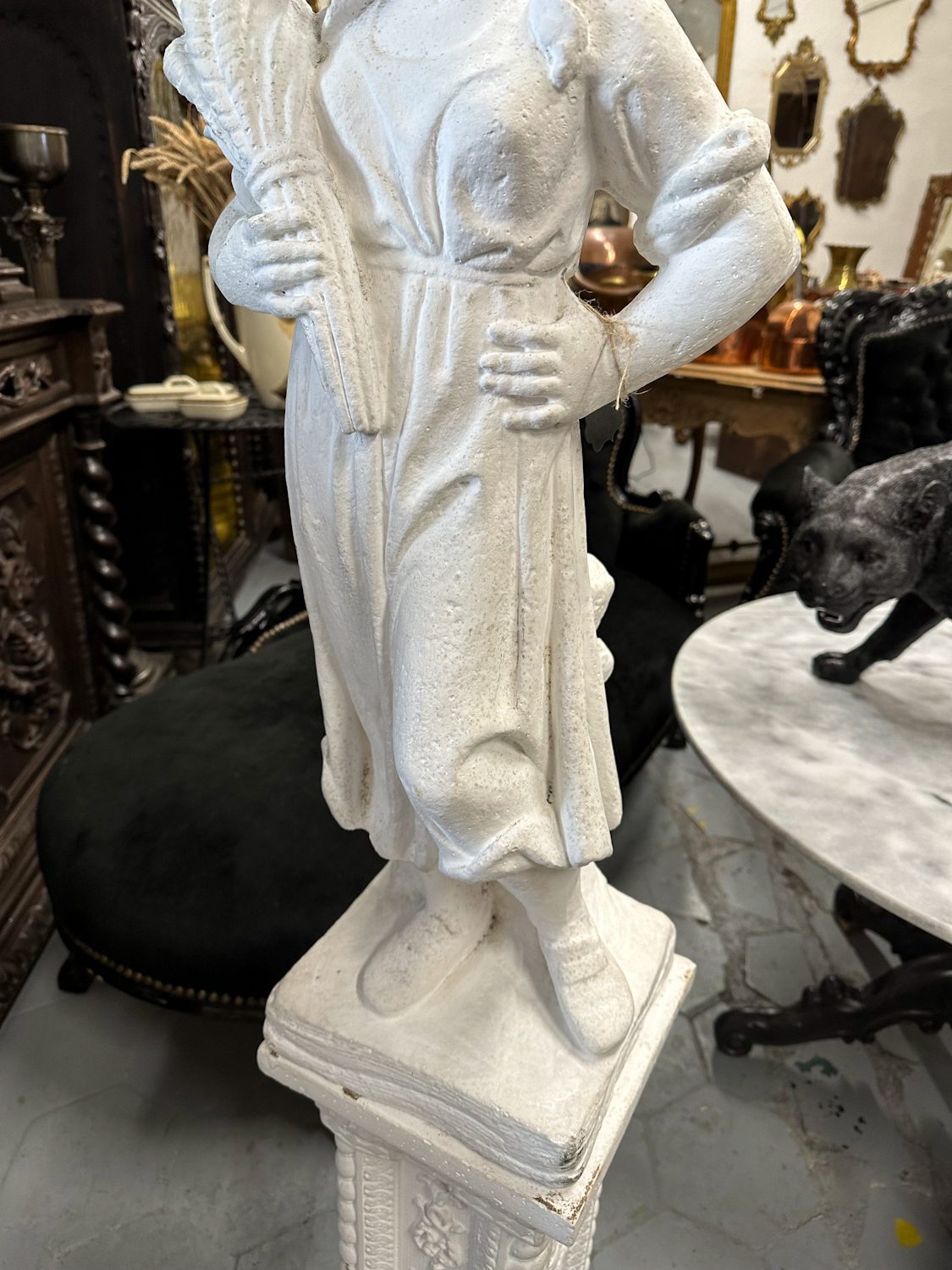
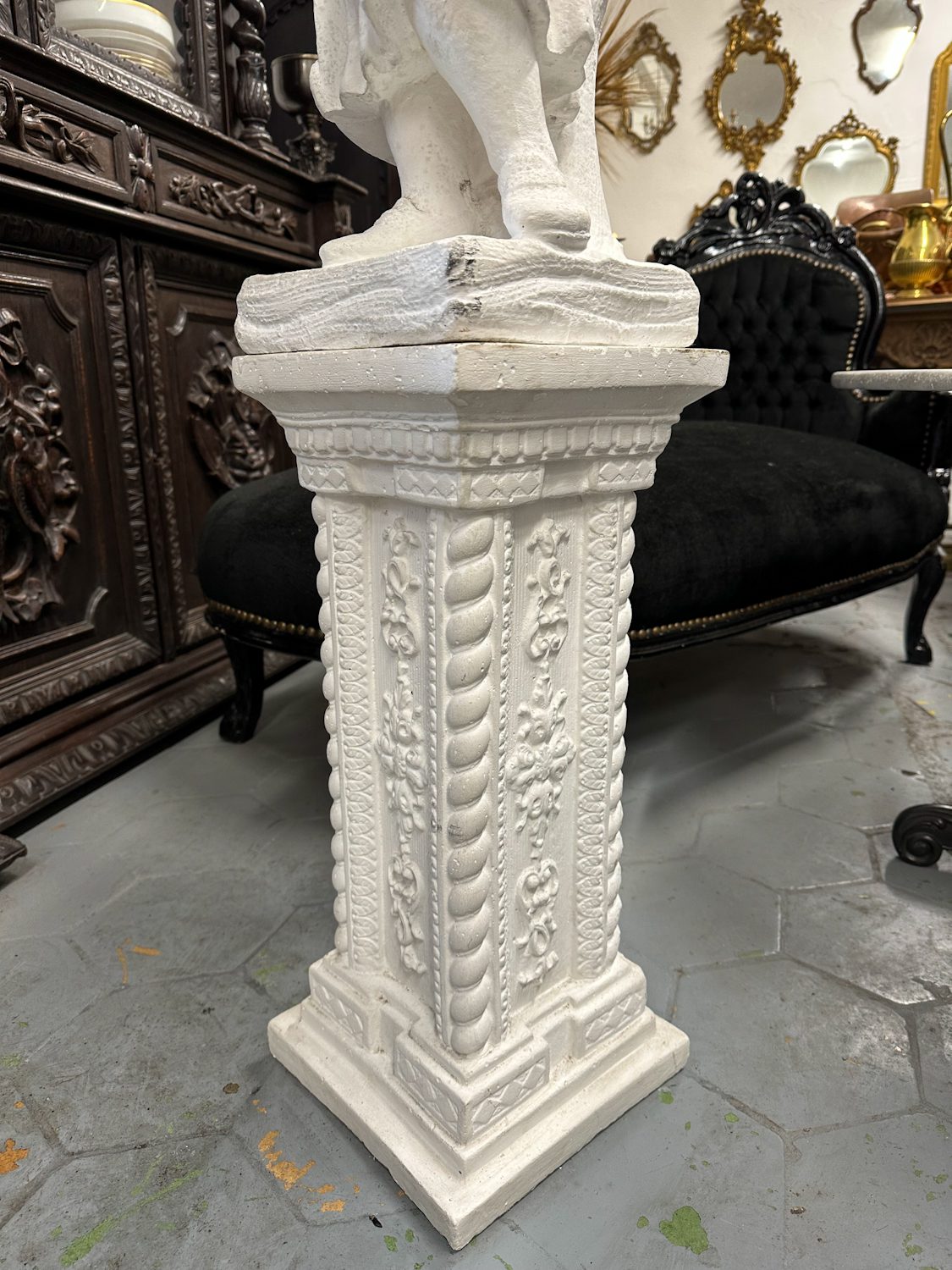
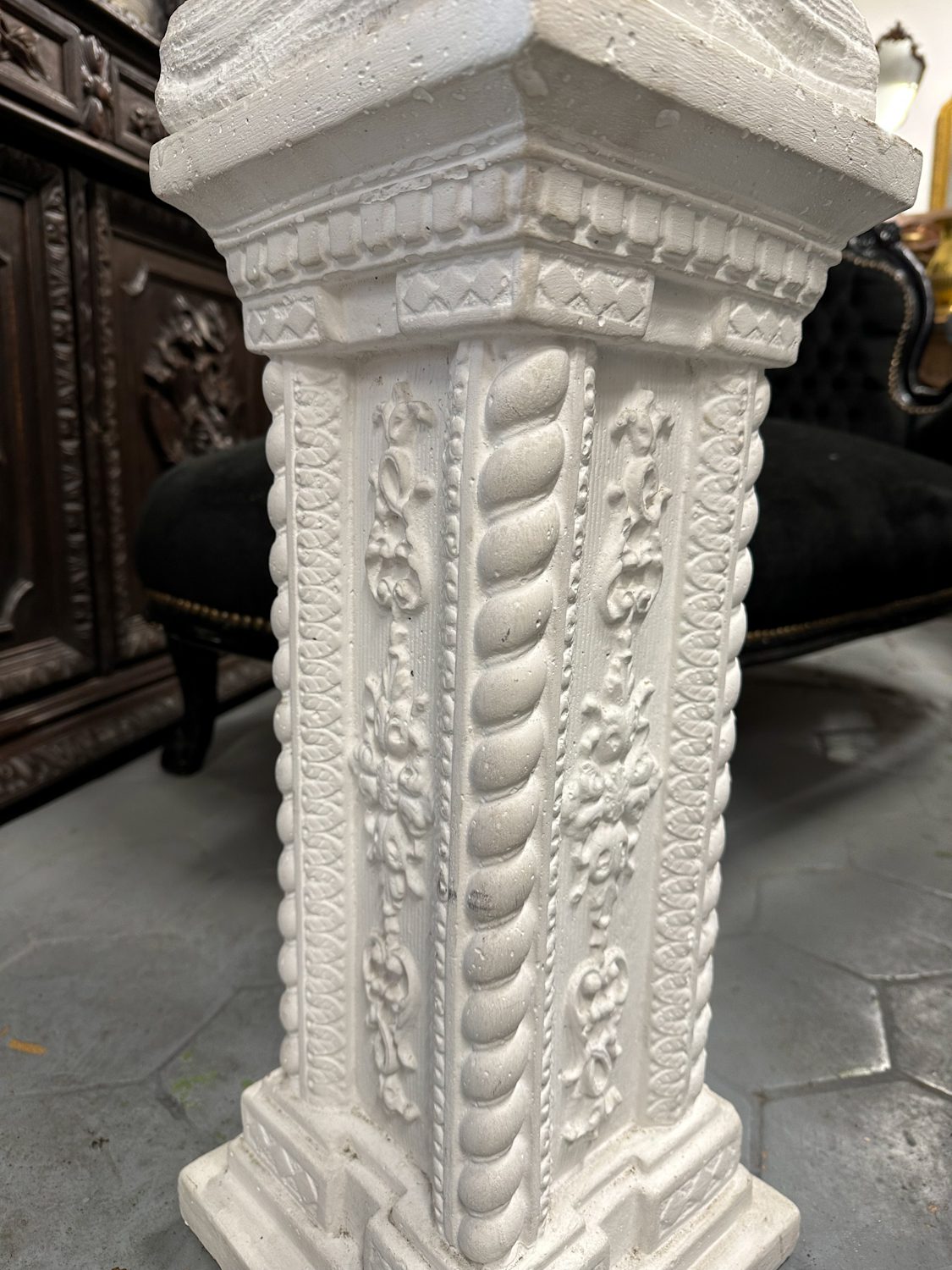
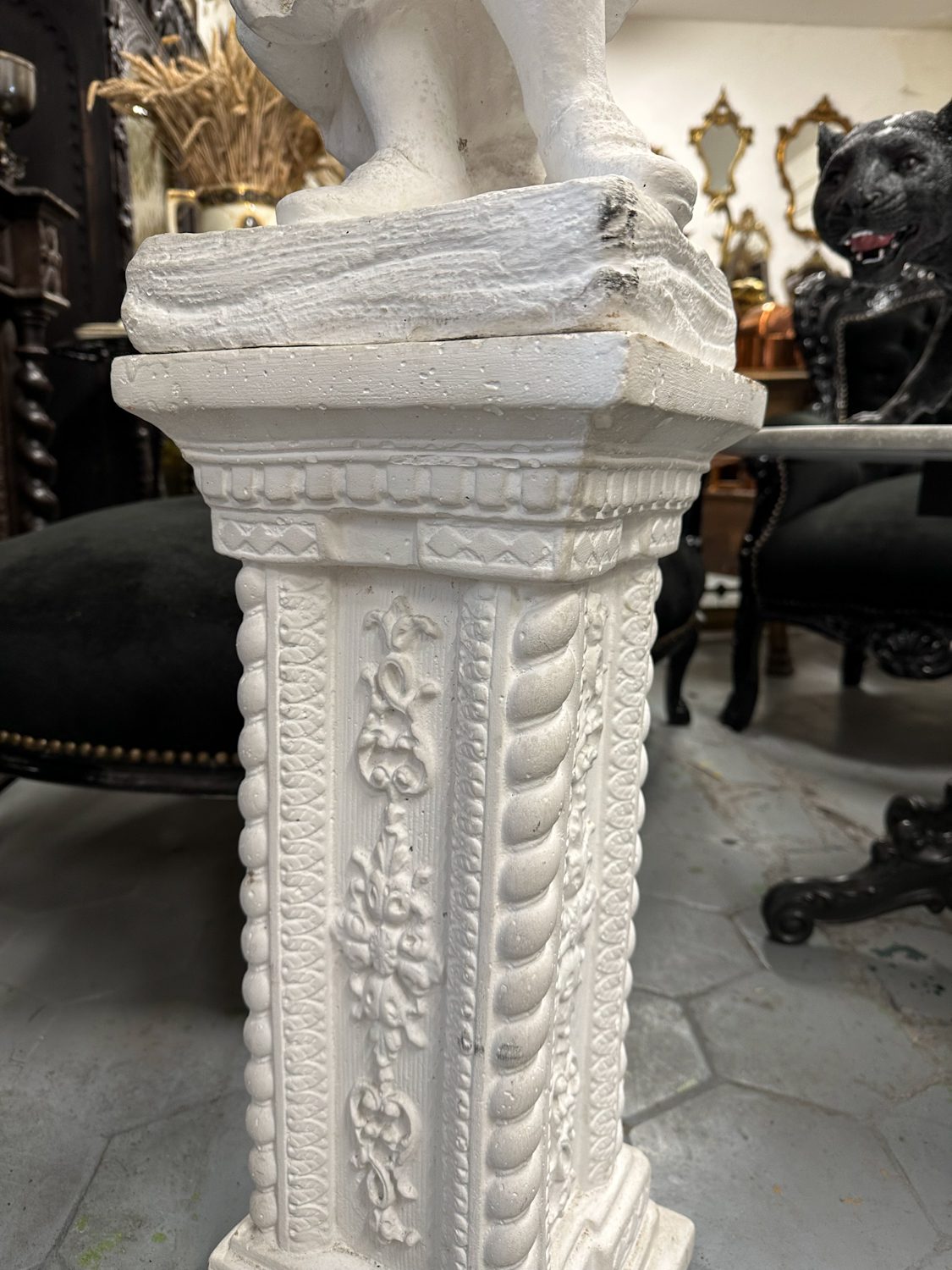
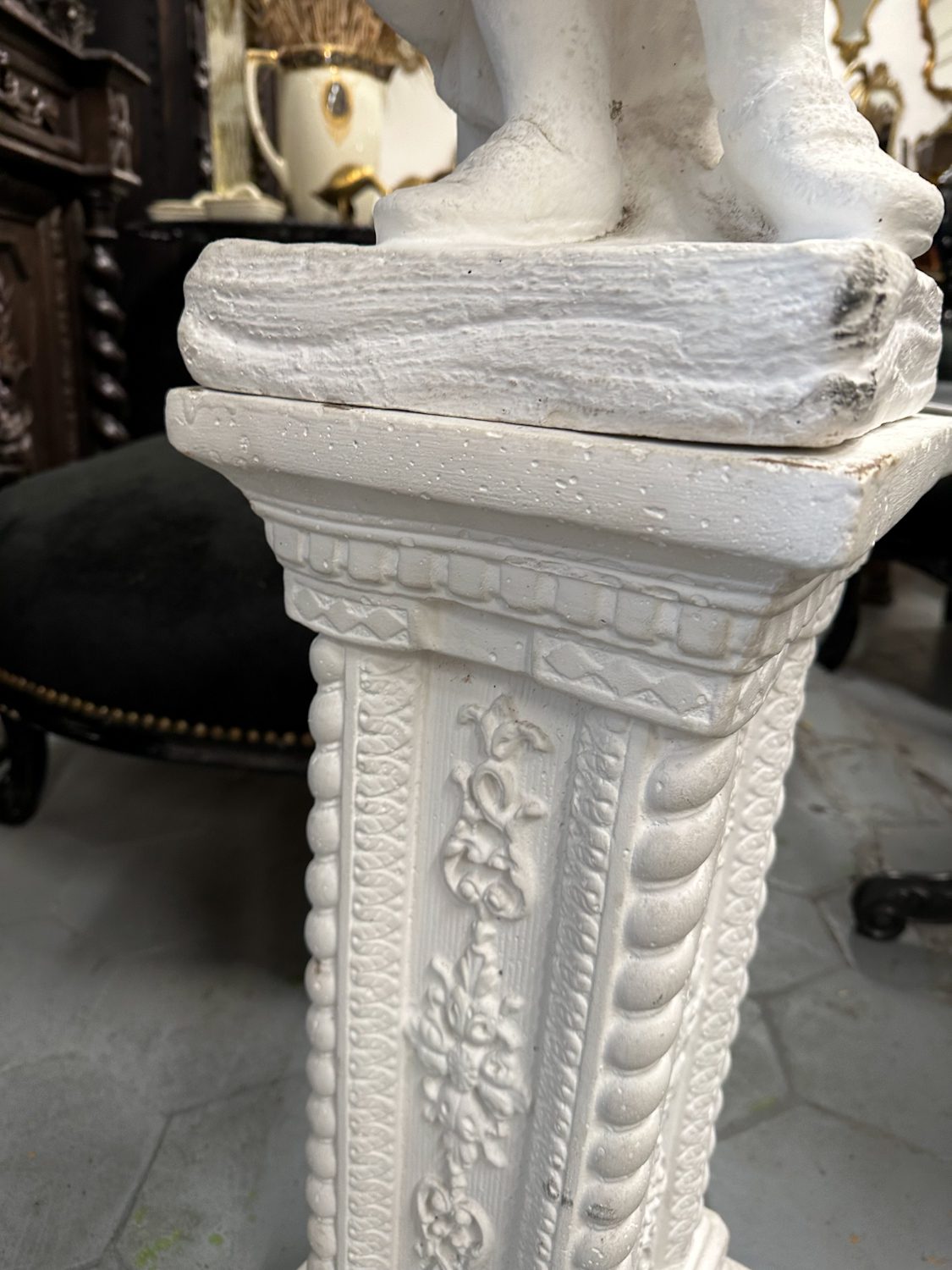
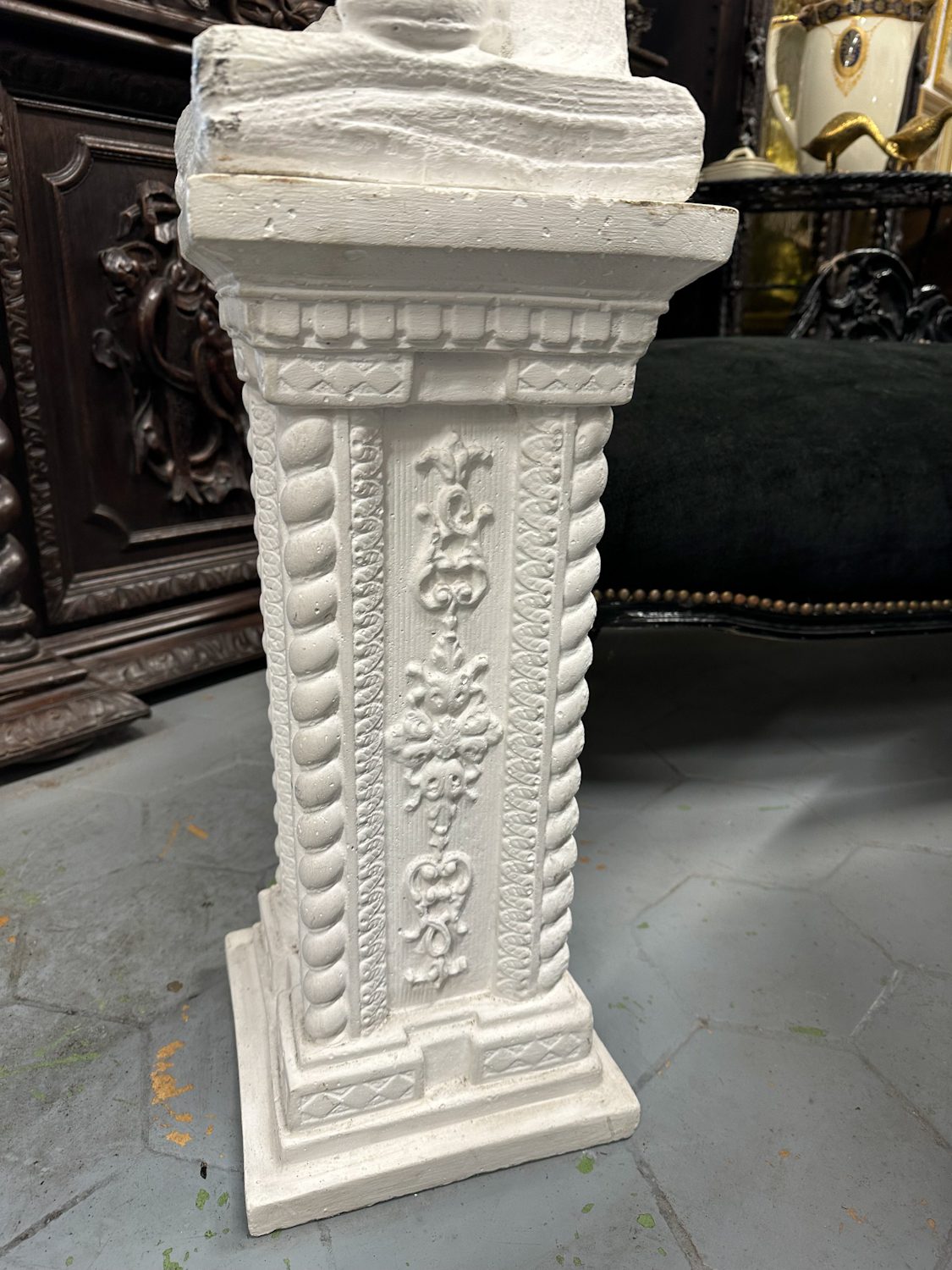
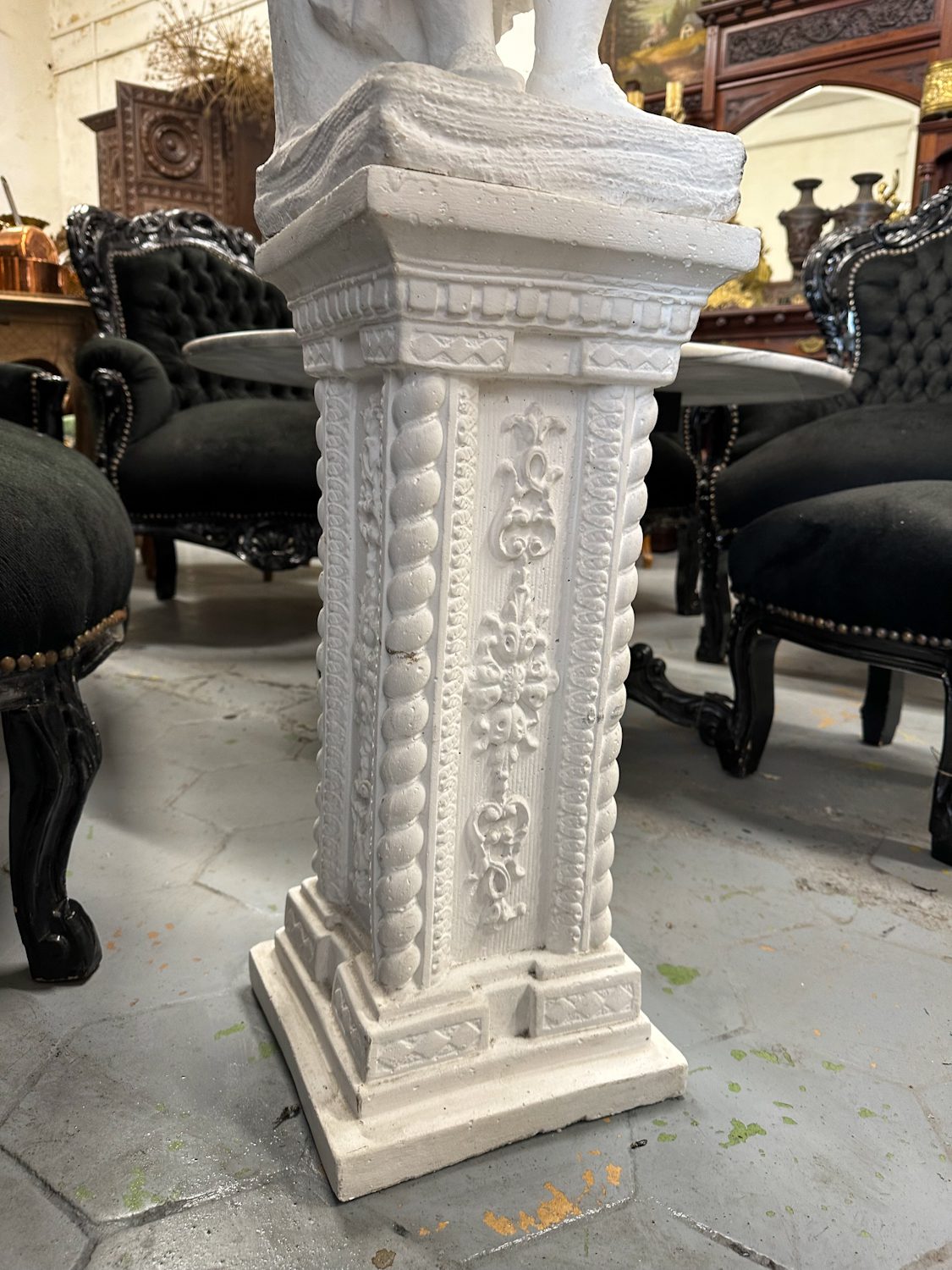
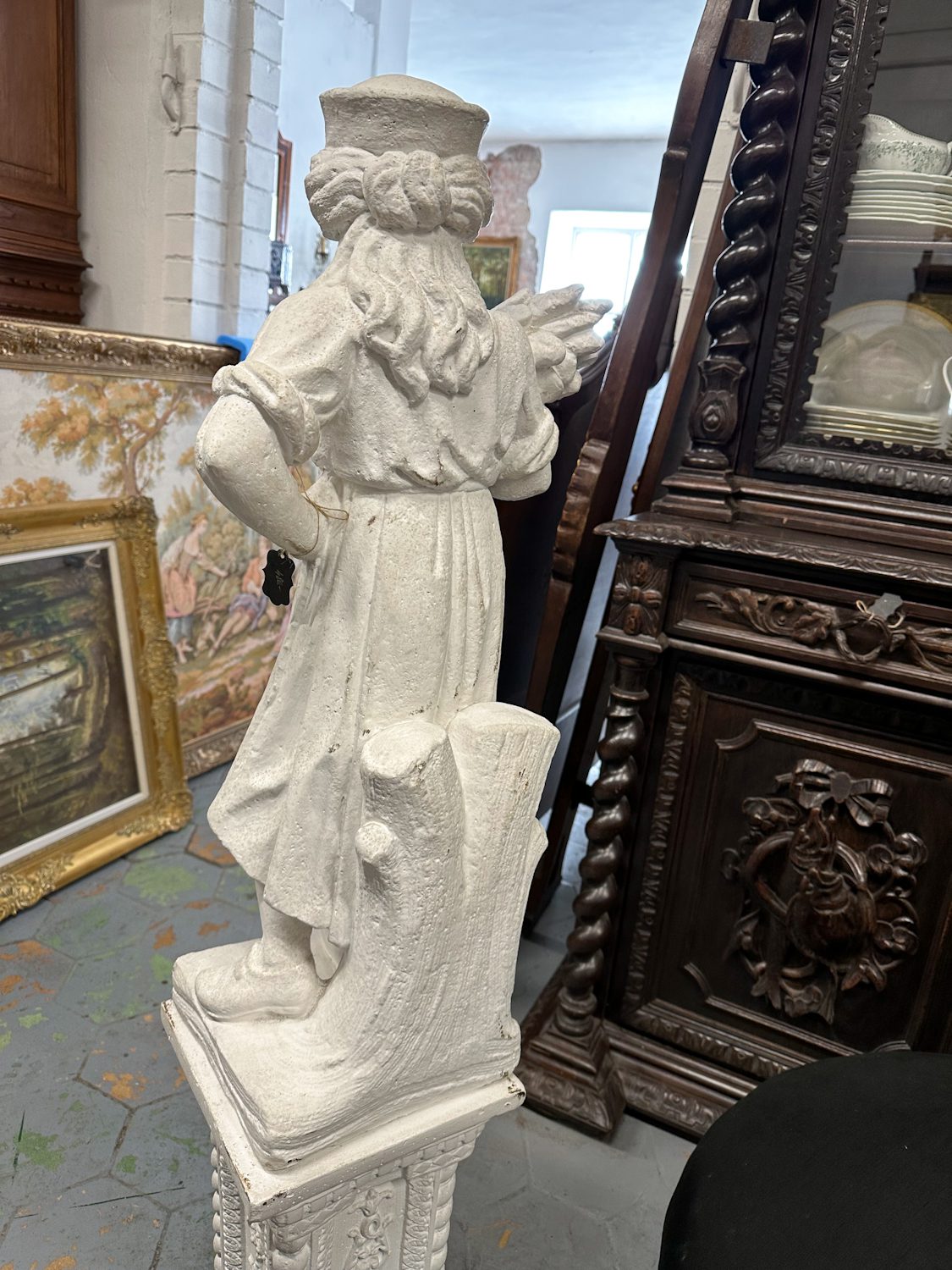
Šī skulptūra pieder Eiropas historicisma un neoklasicisma tradīcijai, kas 19. gs. otrajā pusē un 20. gs. sākumā radīja grandiozu dekoratīvās plastikas produkciju parkos, villu dārzos, publiskos laukumos un reprezentatīvo māju fasādēs. Figūra attēlo jaunu zemnieces tipa sievieti ar labības kūlīti — klasisko “Vasaras” jeb “Ceres” alegorisko tēlu no Četru gadalaiku tradīcijas, kas Eiropas mākslā ir mūžīgs motīvs kopš antīkās Romas laikiem. Figūras tērps — garā kleita, priekšauts, darba cepure un krāšņi savīti mati sānos — norāda uz Eiropas zemnieces tēlu 18.–19. gs. idilliski romantiskajā interpretācijā, kas bija īpaši populāra Francijā un Beļģijā, kur lauku dzīves poētizācija kļuva par māksliniecisko modi buržuāzijas aprindās. Kolonna ar spirālveida (tordu) ornamentiku, rombu joslu un ziedu girlandēm stūru paneļos ir raksturīgs eklektiskā historicisma dekoratīvs elements, kas apvieno Renesanses un Baroka motīvus vienā reprezentatīvā formā.
―――――――――――――――――――――
⚜️ RAŽOTĀJS UN MANUFAKTŪRAS ZĪMOGS
Uz figūras pamatnes un kolonnas nav konstatēts skaidrs ražotāja zīmogs. Materiāls — ģipšbetons vai cementbetona maisījums — norāda uz specializētu āra skulptūru ražotni, kas strādāja pēc dārzu un parku apdares pasūtījumiem. 19. gs. beigās un 20. gs. sākumā šādas produkcijas lielākie centri atradās Francijā (īpaši Parīzes apkārtnē), Beļģijā, Vācijā un Itālijā. Kolonnā redzamā dekoratīvā programmā — tordu kolonnas, rombu joslas, ziedu girlandas — atpazīstama Francijas eklektisko dārzu ornamentācijas valoda, ko popularizēja tādi uzņēmumi kā Val d’Osne un Barbezat & Cie čuguna un betona skulptūru ražošanā. Šāda veida smagas betona skulptūras tika ražotas arī Beļģijā un Vācijā kā pieejamas un izturīgas alternatīvas dārgajam marmora un bronzas parku dekoram.
―――――――――――――――――――――
💎 RETUMS UN NOZĪME
Pilnīgi saglabājies komplekts — figūra kopā ar oriģinālo dekoratīvo kolonnu — ir ievērojami retāks nekā tikai figūra vai tikai kolonna atsevišķi. Šāda izmēra (kopējais augstums ~133,5 cm) betona skulptūras komplekti ar bagāti ornamentētu kolonnu ir praktiski izzuduši no privātajiem dārziem un antikvāru tirgu piedāvājuma — lielākā daļa gadsimtu laikā ir iznīcināta laikapstākļu vai pārbūvju dēļ. Labības vācējas / Vasaras tēls ar pilnīgu kolonnu komplektā ir nopietns kolekcionāru un dārzu vēstures pētnieku intereses objekts Eiropas antikvāru tirgū.
―――――――――――――――――――――
🕯️ PIELIETOJUMS INTERJERĀ, DIZAINĀ UN FOTOGRĀFIJĀ
Skulptūra ar kolonnu ir radīta āra videi — dārzam, terasei, pagalmam, parkam — un tajā atklāj savu pilno varenumu. Iekštelpu formātā tā darbojas lielos reprezentatīvajos interjeross: hallē, lielā viesistabā, galerijā, viesnīcu lobijā vai kultūras iestādes foajē. Baltā krāsa un monolītā forma ļauj to izmantot kontrastā ar tumšu zaļumu dārzā vai uz ķieģeļu sienas fona. Fotogrāfiem un scenogrāfiem tā kalpo kā pilnvērtīga āra studijas kulise — modes uzņēmumiem, kāzu un svinību dekorācijām, kā arī arhitektu un ainavu dizaineru projektu dokumentācijai.
―――――――――――――――――――――
🎁 DĀVANA UN PERSONALIZĀCIJA
Šāda mēroga skulptūra ir reprezentatīva un monumentāla dāvana mājas vai dārza īpašniekam ar augstu estētisko kultūru — kā ekskluzīvs ieguldījums sava īpašuma identitātē. Labības vācējas tēls kā “Vasaras” un auglības simbols ir piemērots arī lauksaimniecības, pārtikas vai vīna industrijas uzņēmumu vadītājiem kā sevišķi nozīmīga korporatīva dāvana ar dziļu kultūrvēsturisku simboliku. Kolonnā dekoratīvie rozetītes un girlanžu motīvi sasaucas ar mūžīgā atjaunotnes un dzīvesprieka tēmām.
―――――――――――――――――――――
🔍 STĀVOKLIS
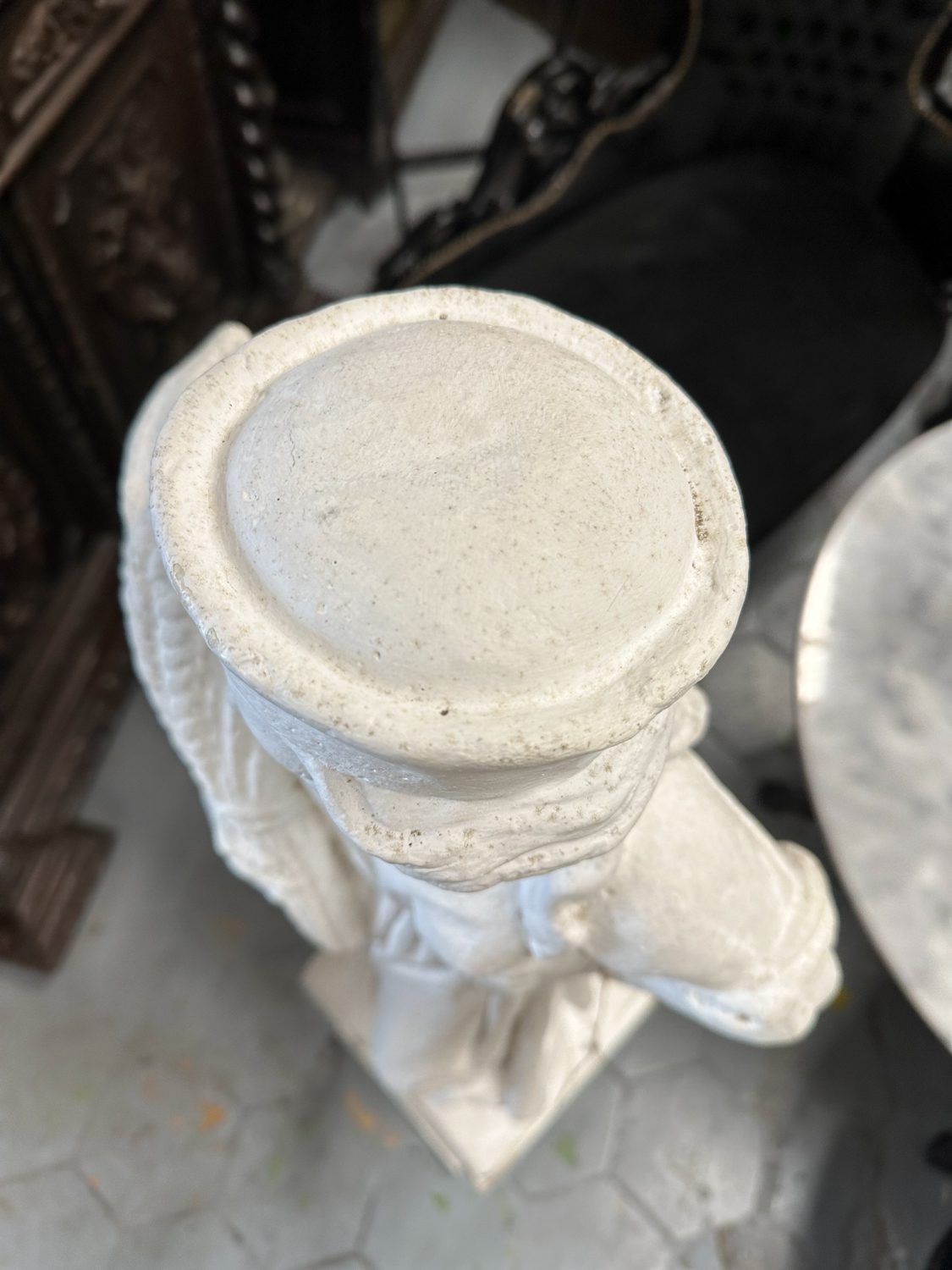
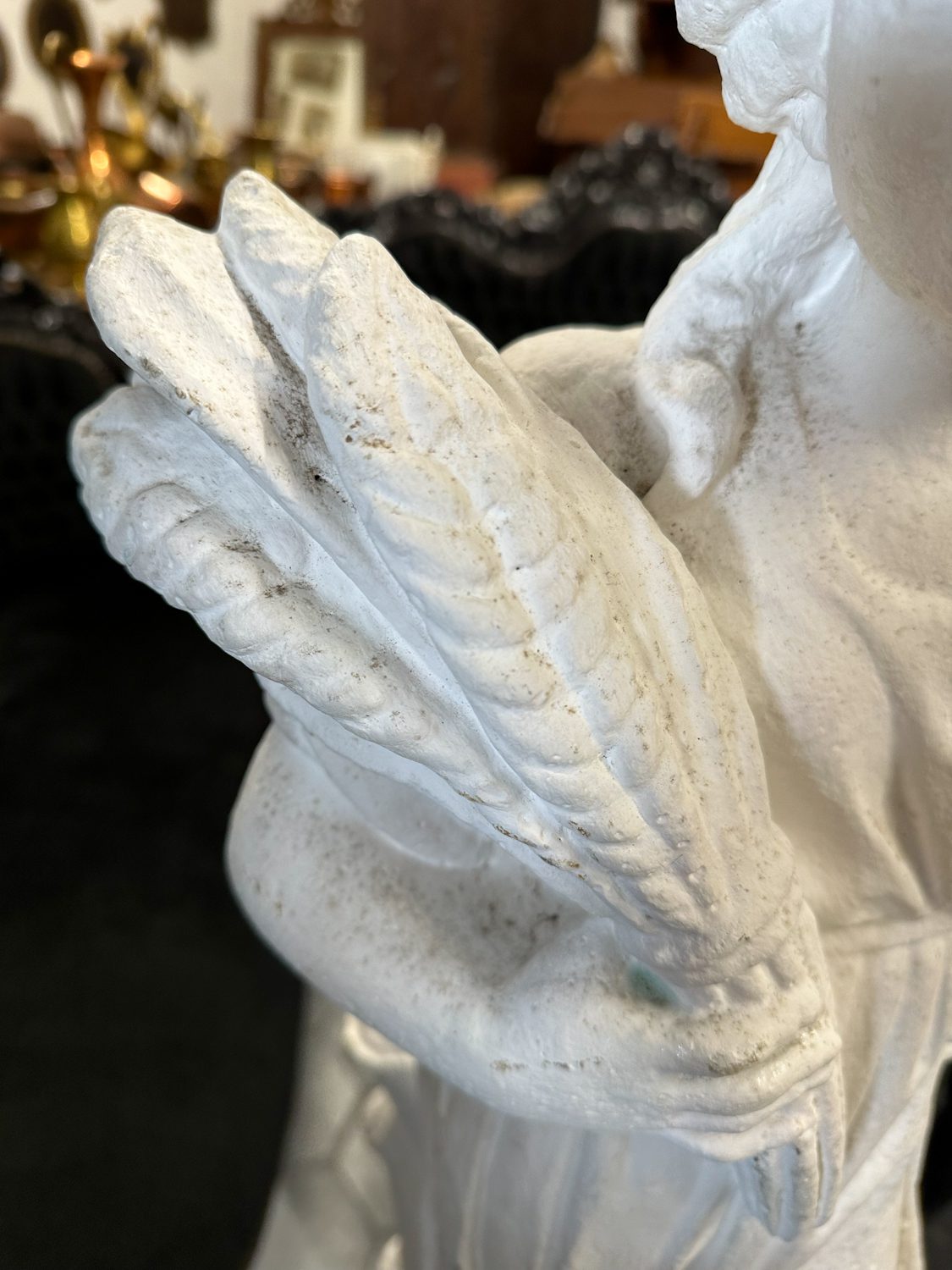
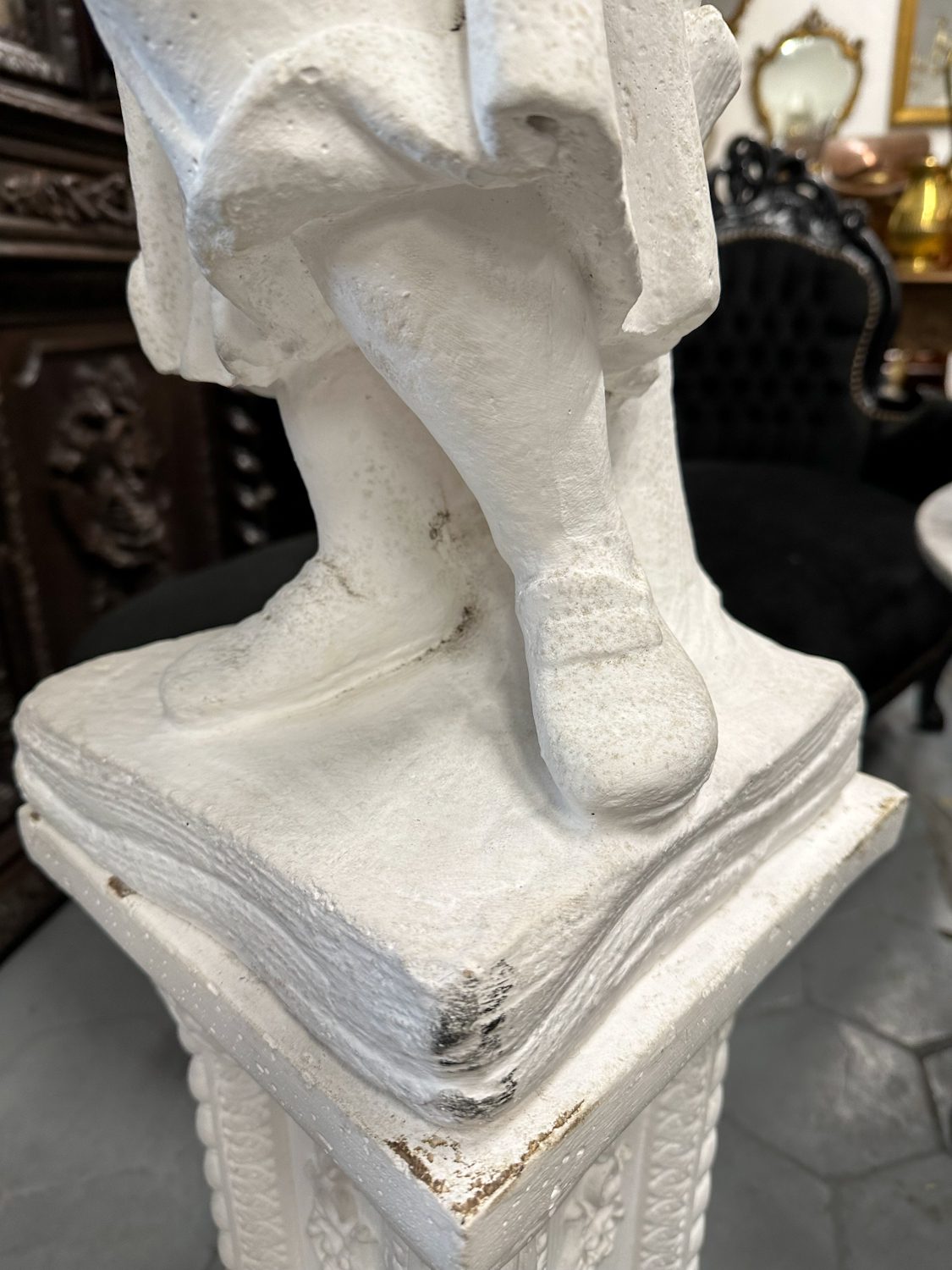
Skulptūra kopumā stabilā stāvoklī, bez strukturāliem lūzumiem. Uz figūras redzamas virspusējas netīrumu un laika nogulumu pēdas — dabisks āra glabāšanas rezultāts. Uz figūras pamatnes savienojuma zonas ar kolonnu redzami melni nolietojuma plankumi. Kolonnā pie savienojuma ar figūras pamatni redzams neliels ģipšbetona nošķēlums un krāsas nolietojums pie pamatnes malas — uzskatāmi redzams fotogrāfijās. Figūras hatveida cepure augšpusē saglabāta, bez lūzumiem. Labības kūlītis frontāli skaidri izteikts. Lietas stāvoklis pilnībā atspoguļots fotogrāfijās.
――――――――――――――――――――― ―――――――――――――――――――――
🇬🇧 DESCRIPTION IN ENGLISH
The Harvest Girl or “Summer” — Allegory of the Four Seasons — Historicism / Neoclassicism, Europe, circa 1880–1920. Outdoor and Interior Sculpture with Decorative Column
―――――――――――――――――――――
📐 DIMENSIONS Total height with column: approximately 133.5 cm. Figure: height 76.5 cm, width approximately 34 cm. Column: height 57 cm, width 25 cm. Two-part construction — figure and column are separable. Material: fine-grain plaster-concrete or cement composite, specifically suited to outdoor conditions. Very heavy.
―――――――――――――――――――――
🏛️ PERIOD, ARTISTIC STYLE AND HISTORICAL CONTEXT
This sculpture belongs to the European Historicist and Neoclassical tradition that, during the second half of the 19th century and into the early 20th, generated an extraordinary output of decorative sculpture for parks, villa gardens, public squares, and the facades of representative buildings. The figure depicts a young peasant woman with a sheaf of grain — the classical allegorical image of “Summer” or “Ceres” from the Four Seasons tradition, an eternal motif in European art since ancient Rome. The figure’s dress — long skirt, apron, working cap, and elaborately braided side coiffure — points to the European peasant type in its idealistic, romantically poeticised 18th–19th century interpretation, particularly popular in France and Belgium, where the celebration of rural life became an artistic fashion among the bourgeoisie. The column, with its spiralling torus moulding, diamond-band frieze, and floral garland panels at the corners, is a characteristic decorative element of eclectic Historicism, combining Renaissance and Baroque motifs into a single representative form.
―――――――――――――――――――――
⚜️ MAKER AND MARKS
No clear maker’s mark has been identified on the figure’s base or on the column. The material — plaster-concrete or cement composite — indicates a specialised outdoor sculpture manufactory working to commission for garden and park decoration. The leading centres of such production in the late 19th and early 20th centuries were located in France (particularly around Paris), Belgium, Germany, and Italy. The decorative programme of the column — torus moulding, diamond bands, floral garlands — is recognisably in the tradition of French eclectic garden ornament, as popularised by firms such as Val d’Osne and Barbezat & Cie in the production of cast iron and concrete sculpture. Similar heavy concrete sculptures were also manufactured in Belgium and Germany as durable and accessible alternatives to expensive marble and bronze park decoration.
―――――――――――――――――――――
💎 RARITY AND SIGNIFICANCE
A fully preserved set — figure together with its original decorative column — is considerably rarer than either element alone. Complete concrete sculpture ensembles of this scale (total height approximately 133.5 cm) with richly ornamented columns have virtually disappeared from private gardens and from the stock of the antiques market: the majority have been destroyed over the course of a century by weather or demolition. A harvest girl / Summer figure with its complete column ensemble is a serious object of interest for collectors and garden history researchers across the European antiques market.
―――――――――――――――――――――
🕯️ USE IN INTERIOR, DESIGN AND PHOTOGRAPHY
The sculpture with its column was made for the outdoor environment — a garden, terrace, courtyard, or park — and reveals its full grandeur in such settings. Indoors, it functions in large representative spaces: an entrance hall, grand drawing room, gallery, hotel lobby, or the foyer of a cultural institution. The white tonality and monolithic form allow it to be used in contrast with dark greenery in a garden or against a brick wall background. For photographers and set designers, it serves as a fully realised outdoor studio backdrop — for fashion shoots, wedding and event decoration, and for the documentation of architects’ and landscape designers’ projects.
―――――――――――――――――――――
🎁 GIFT AND PERSONALISATION
A sculpture of this scale is a representative and monumental gift for a home or garden owner of high aesthetic culture — an exclusive investment in the identity of their property. The figure of the harvest girl, as a symbol of “Summer” and abundance, is also fitting for leaders in the agriculture, food, or wine industries as a particularly significant corporate gift with deep cultural and historical resonance. The rosette and garland motifs on the column echo the eternal themes of renewal and vitality.
―――――――――――――――――――――
🔍 CONDITION
The sculpture is overall in stable condition, with no structural fractures. Superficial dirt deposits and weathering marks are visible on the figure — a natural result of outdoor storage. Black wear marks are visible on the junction zone between the figure base and the column top. A small chip in the plaster-concrete is visible at the junction area, and paint losses are present along the base edge of the column — clearly visible in the photographs. The figure’s cap is intact, with no fractures. The grain sheaf is clearly defined on the frontal view. The condition of the piece is fully reflected in the photographs.