
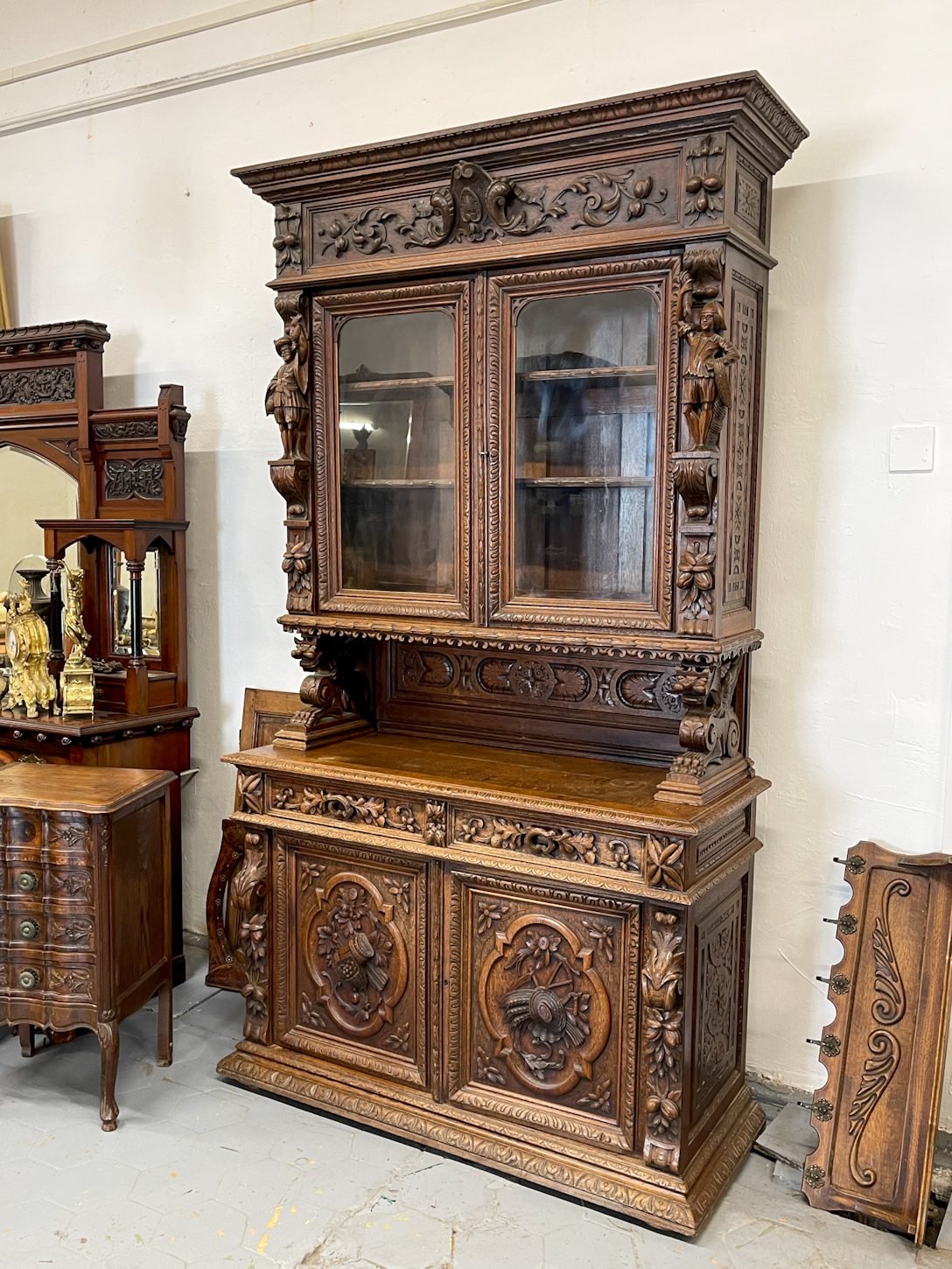
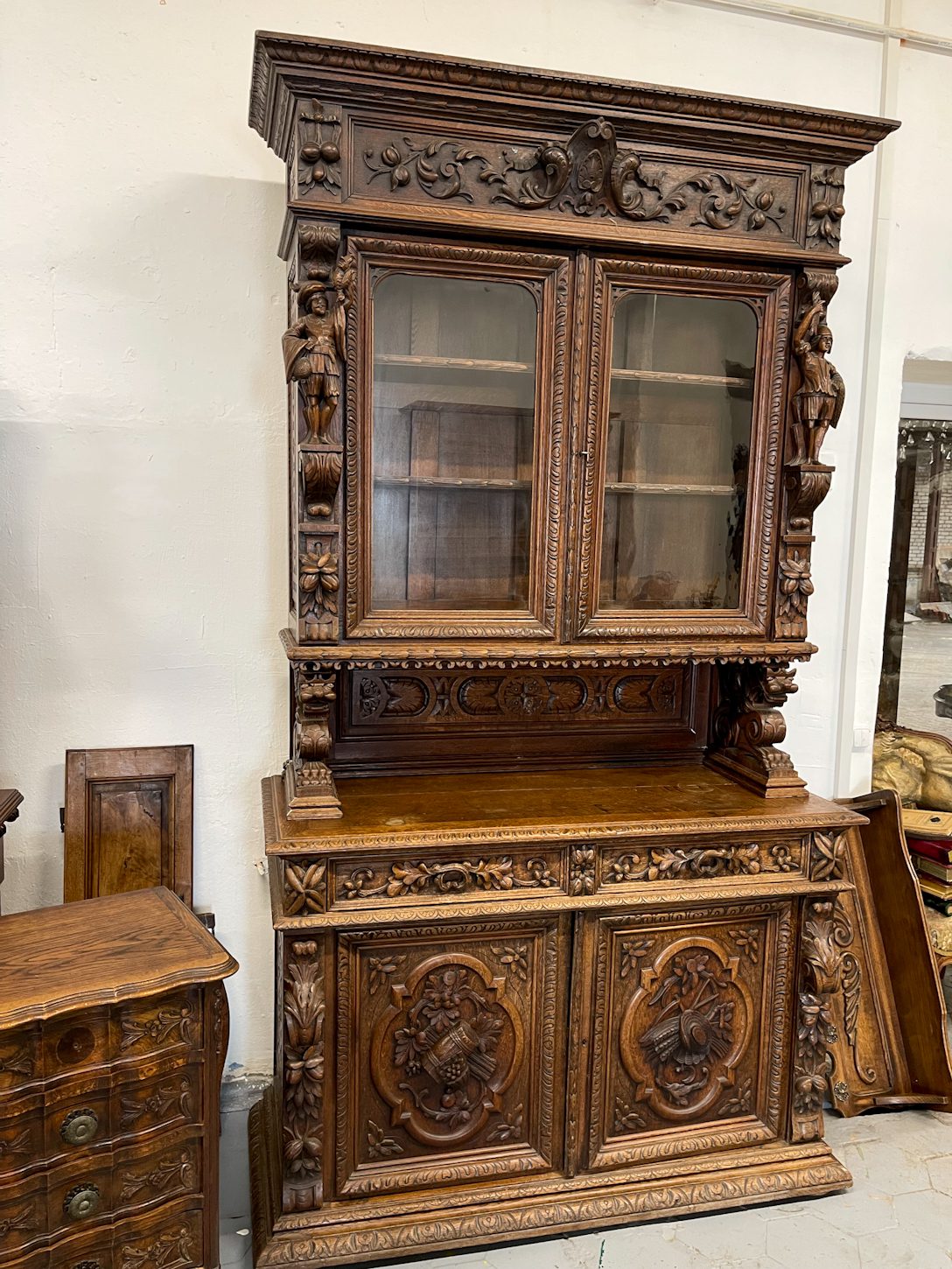
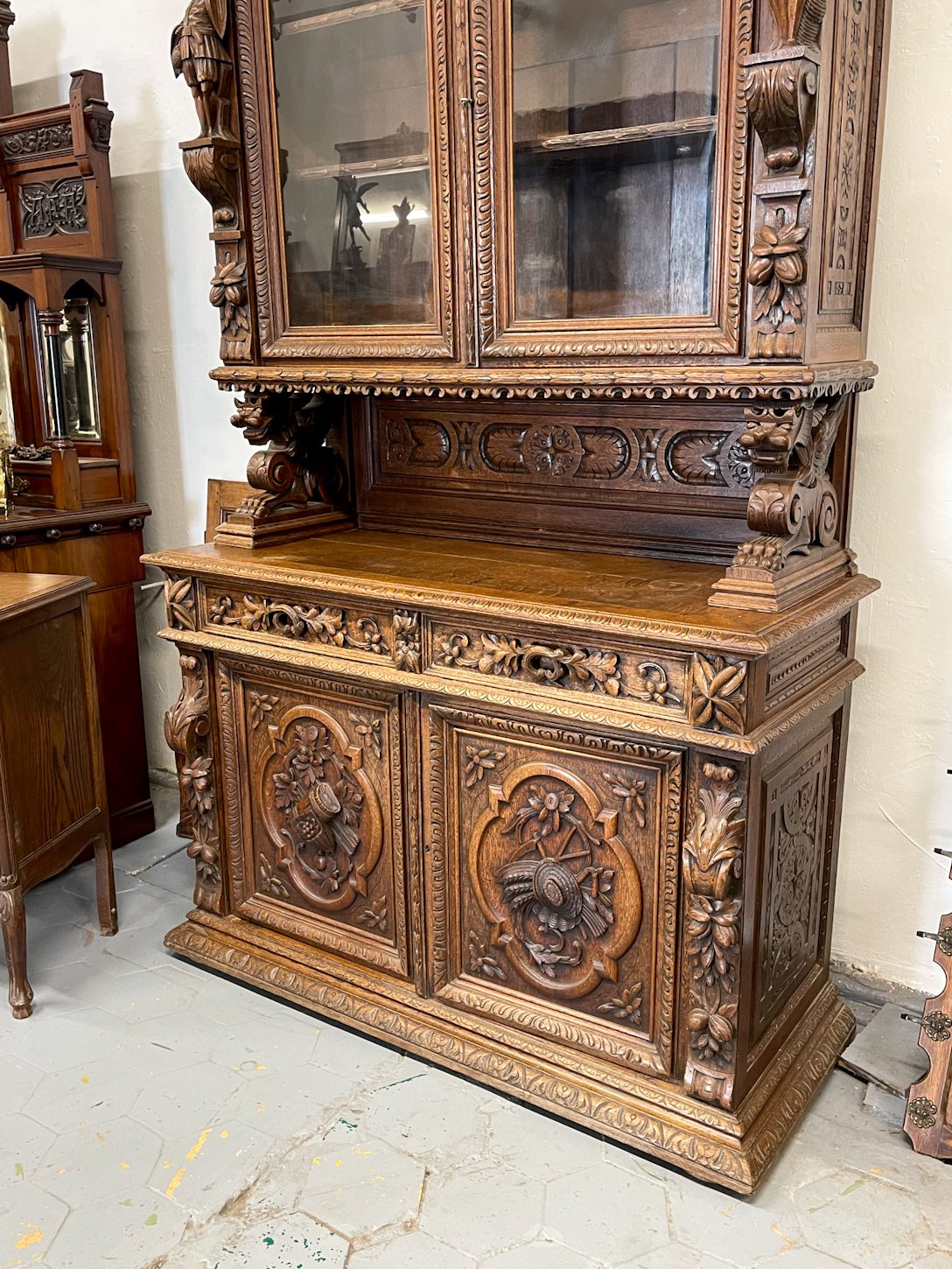
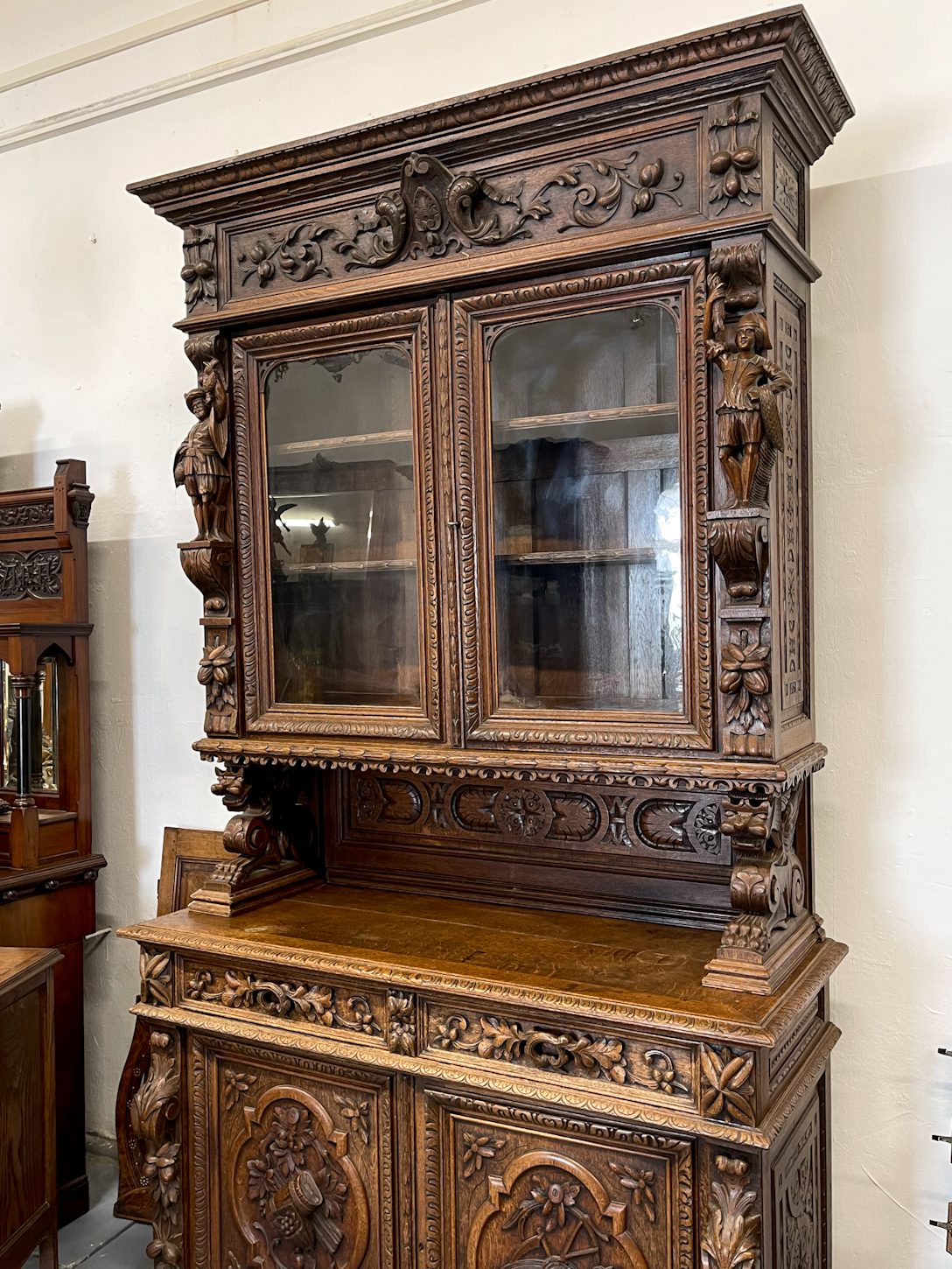
Monumentāla Neorenesanses ozolkoka bufete-vitrīna ar bruņiniekiem, Neorennesanse, Francija, 19.gs (Monumental oak buffet-vitrine with knight figures) (3274)


Monumentāla Neorenesanses ozolkoka bufete-vitrīna ar bruņiniekiem, Neorennesanse, Francija, 19.gs (Monumental oak buffet-vitrine with knight figures) (3274)
€1,500.00
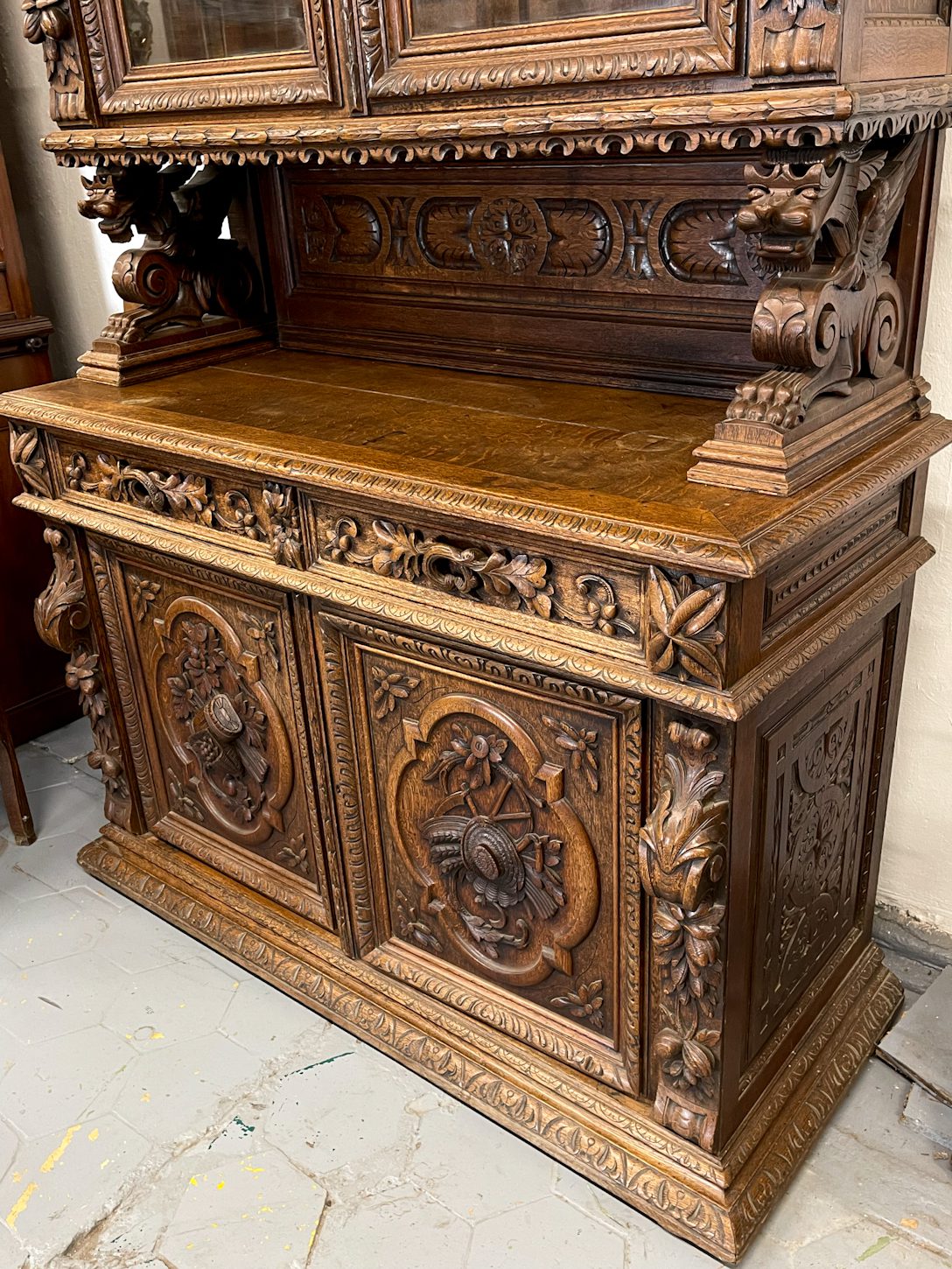
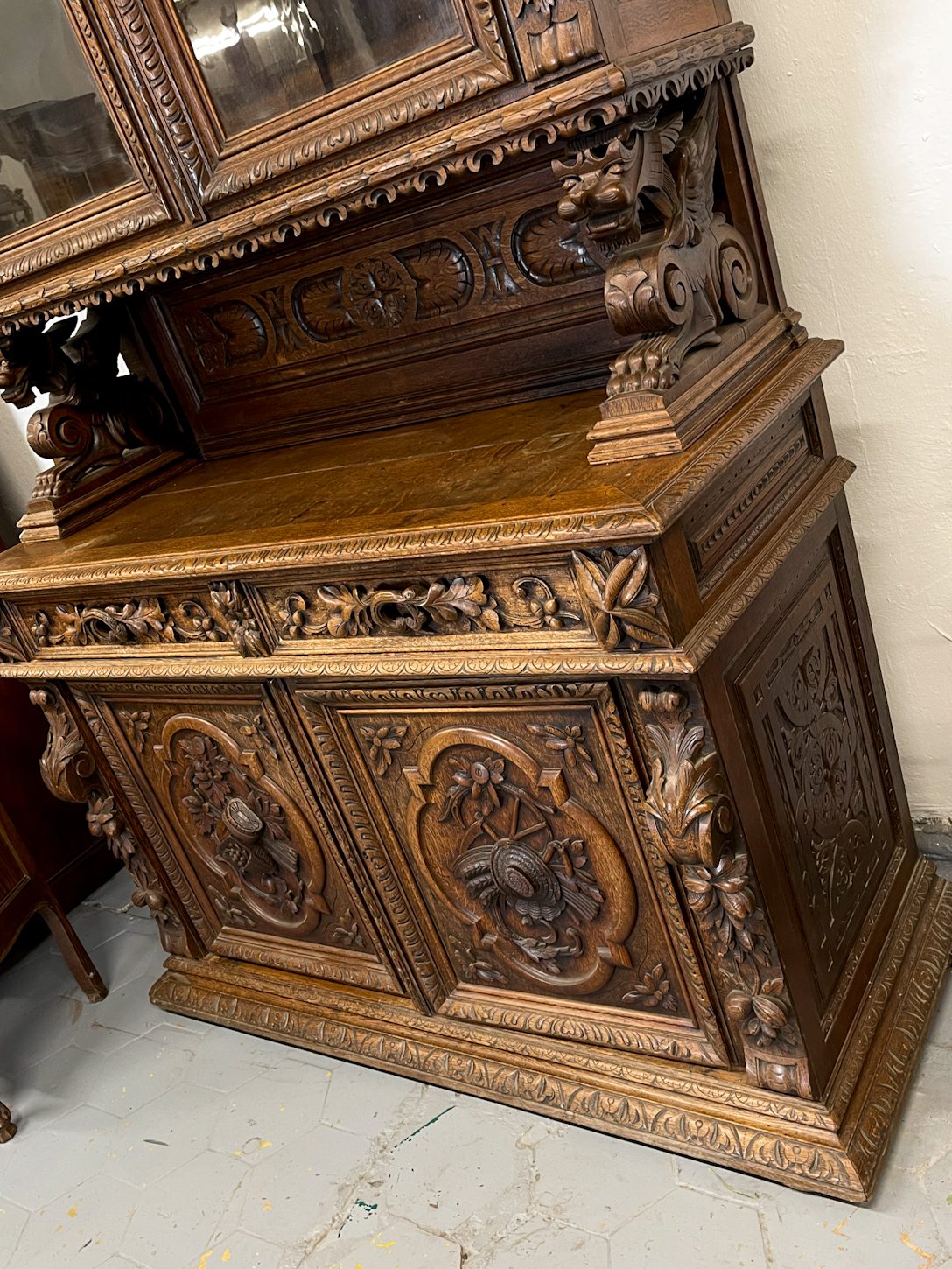
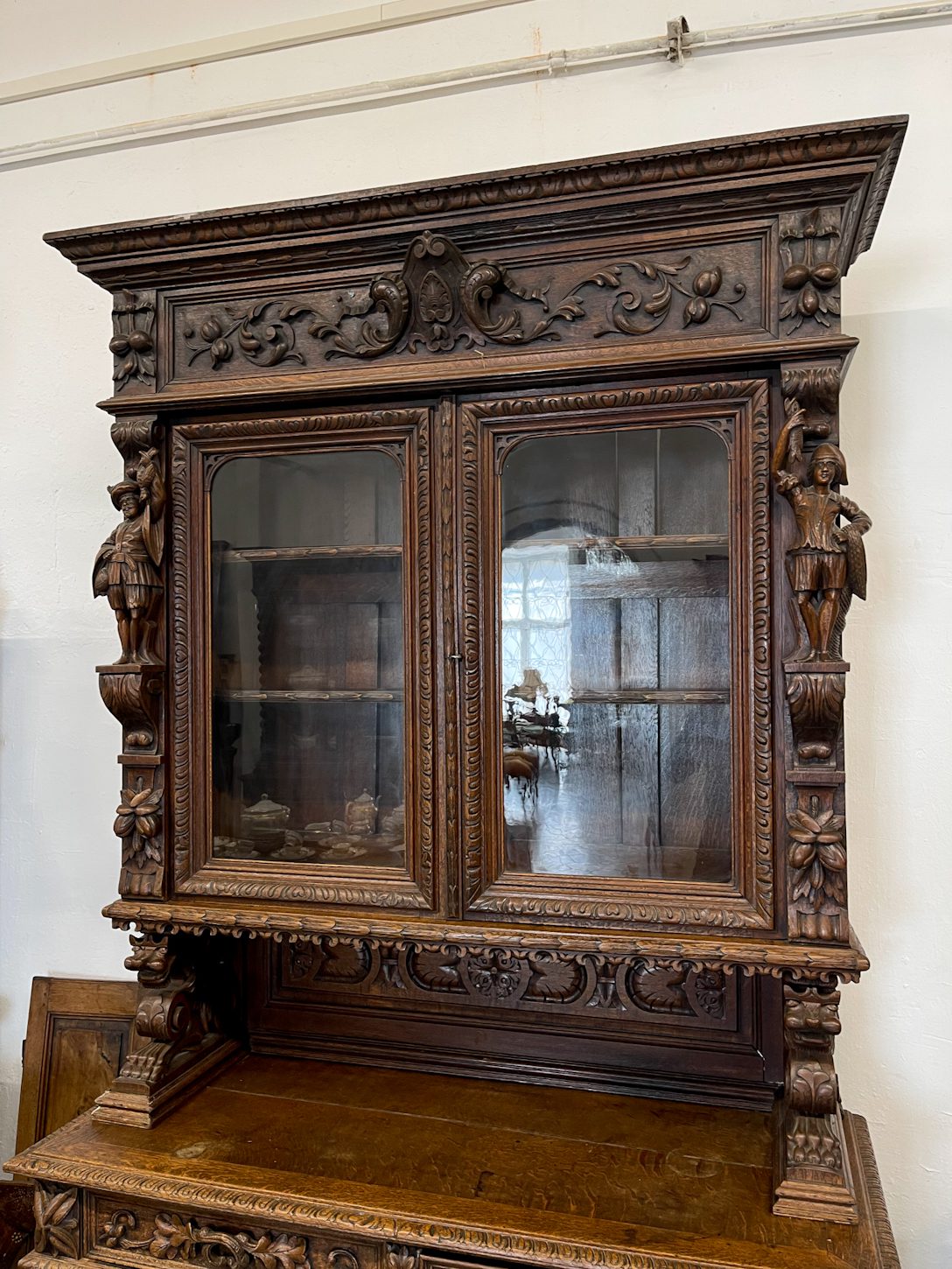
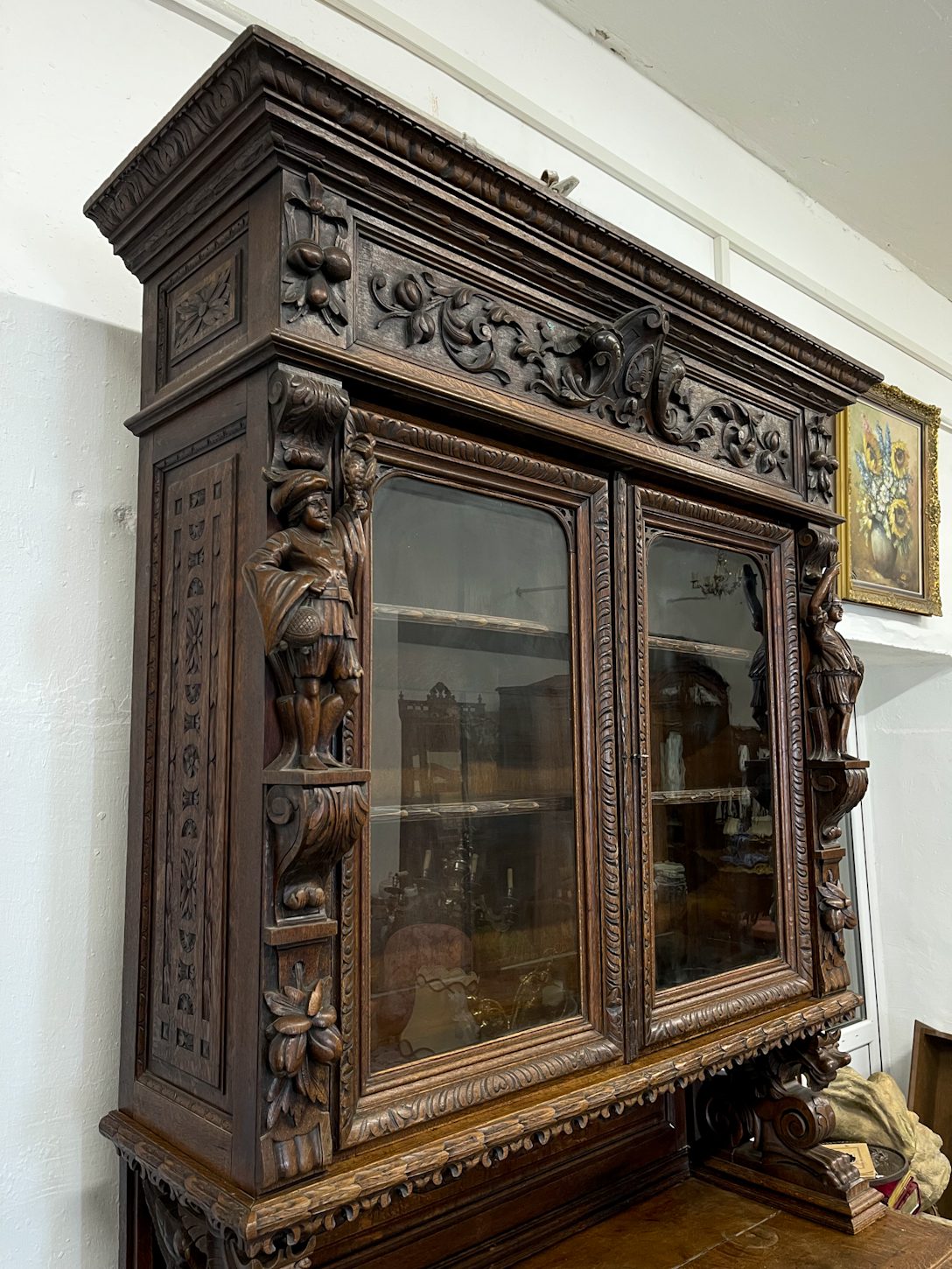
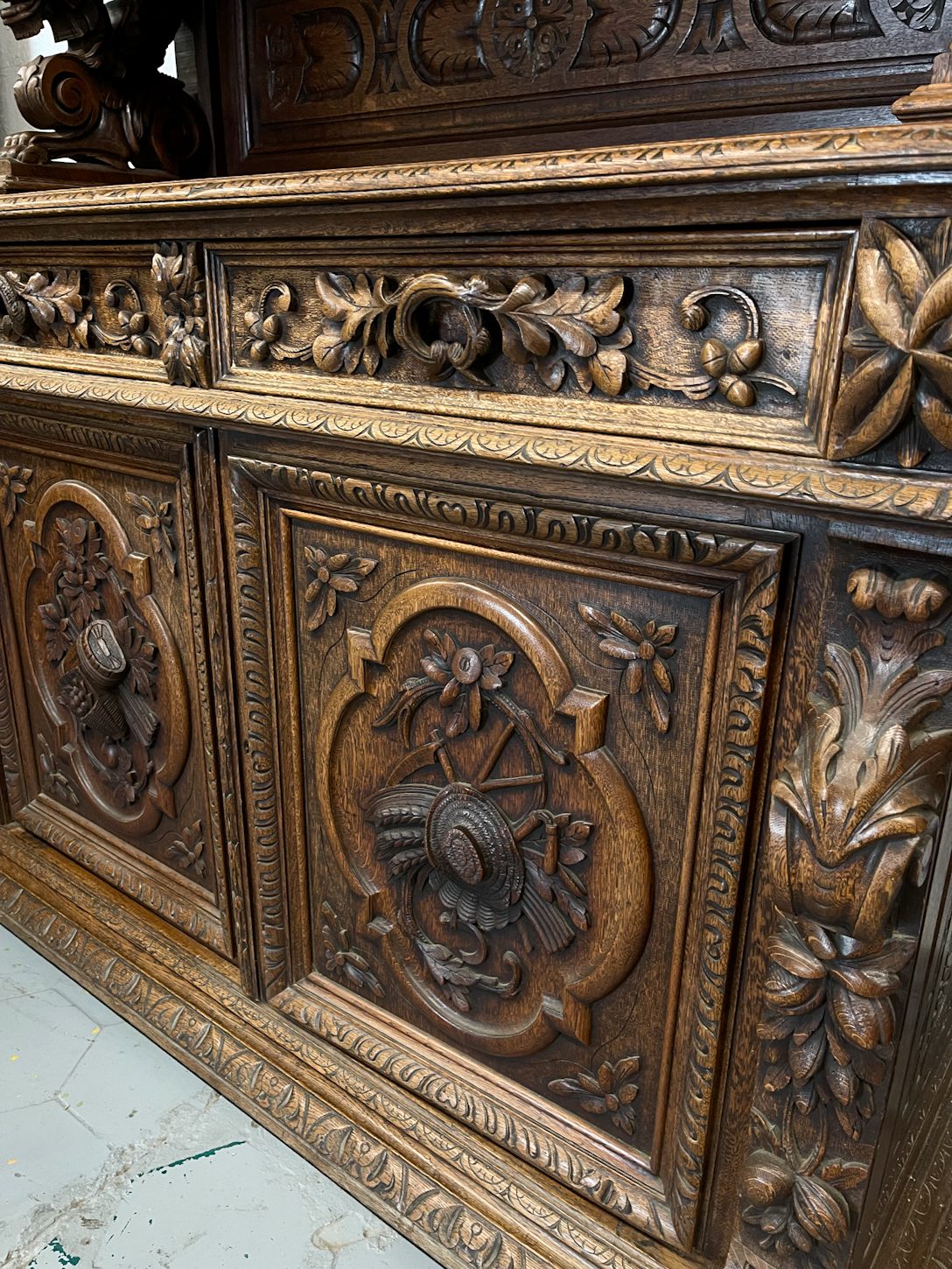
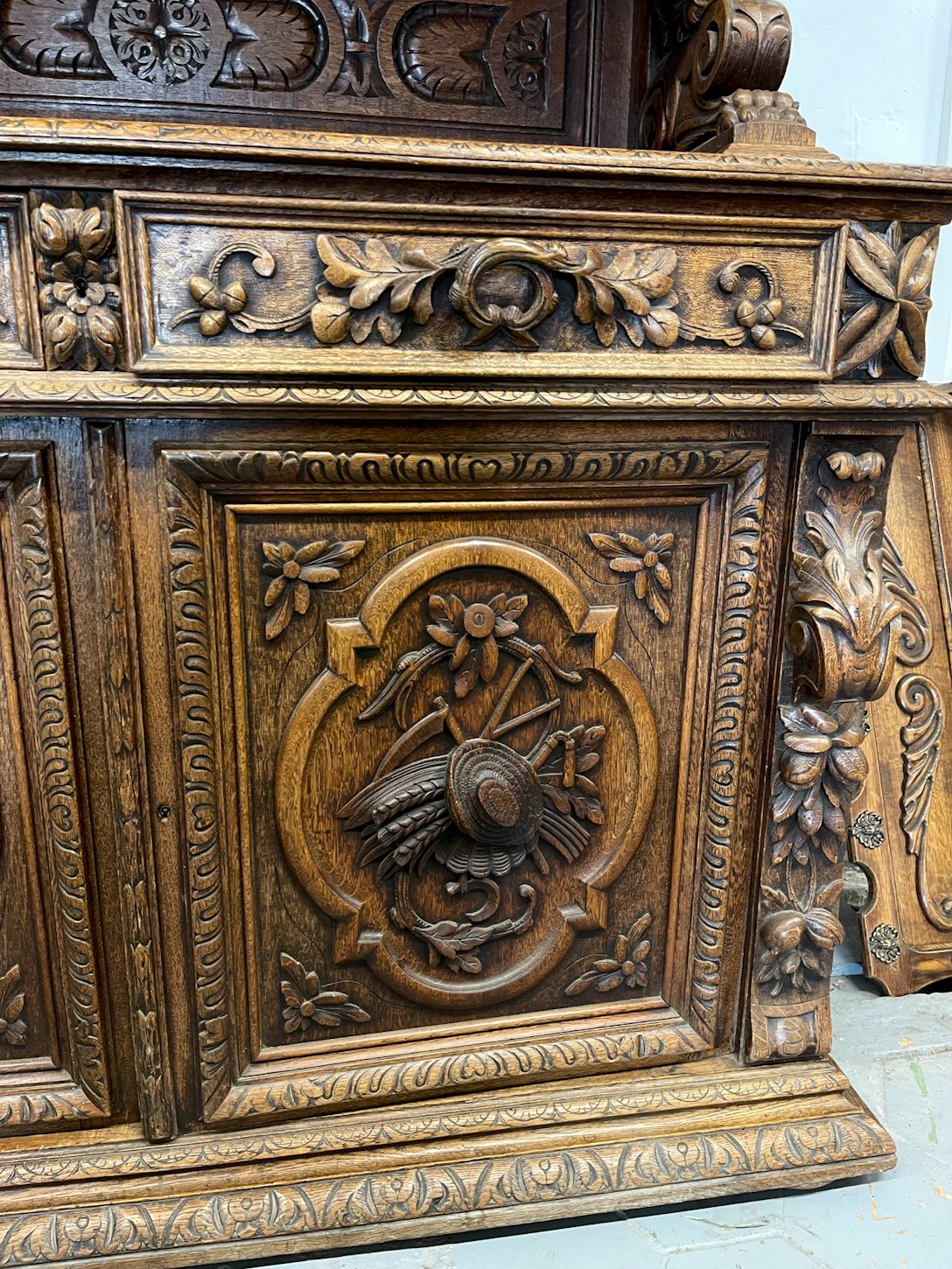
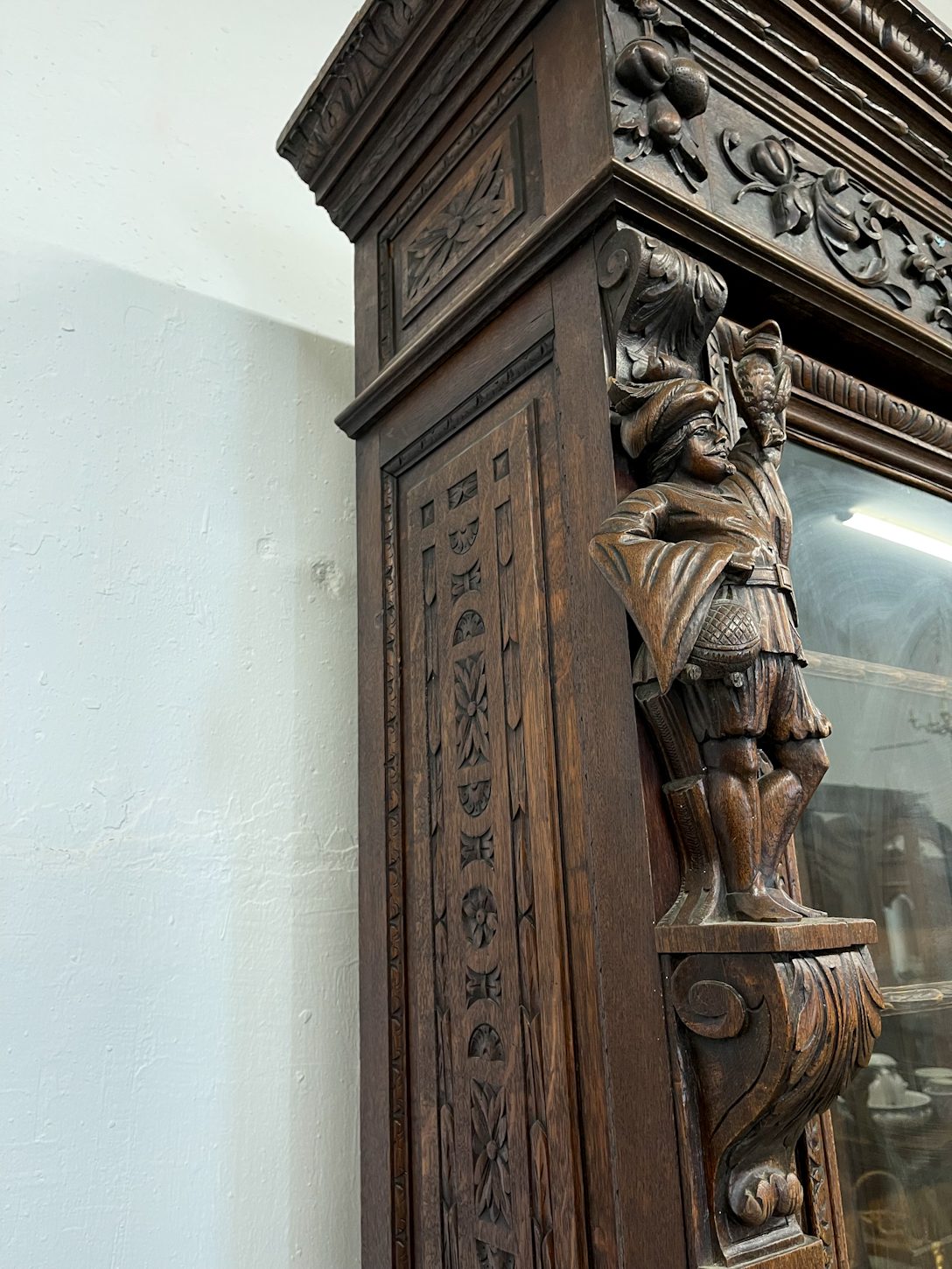
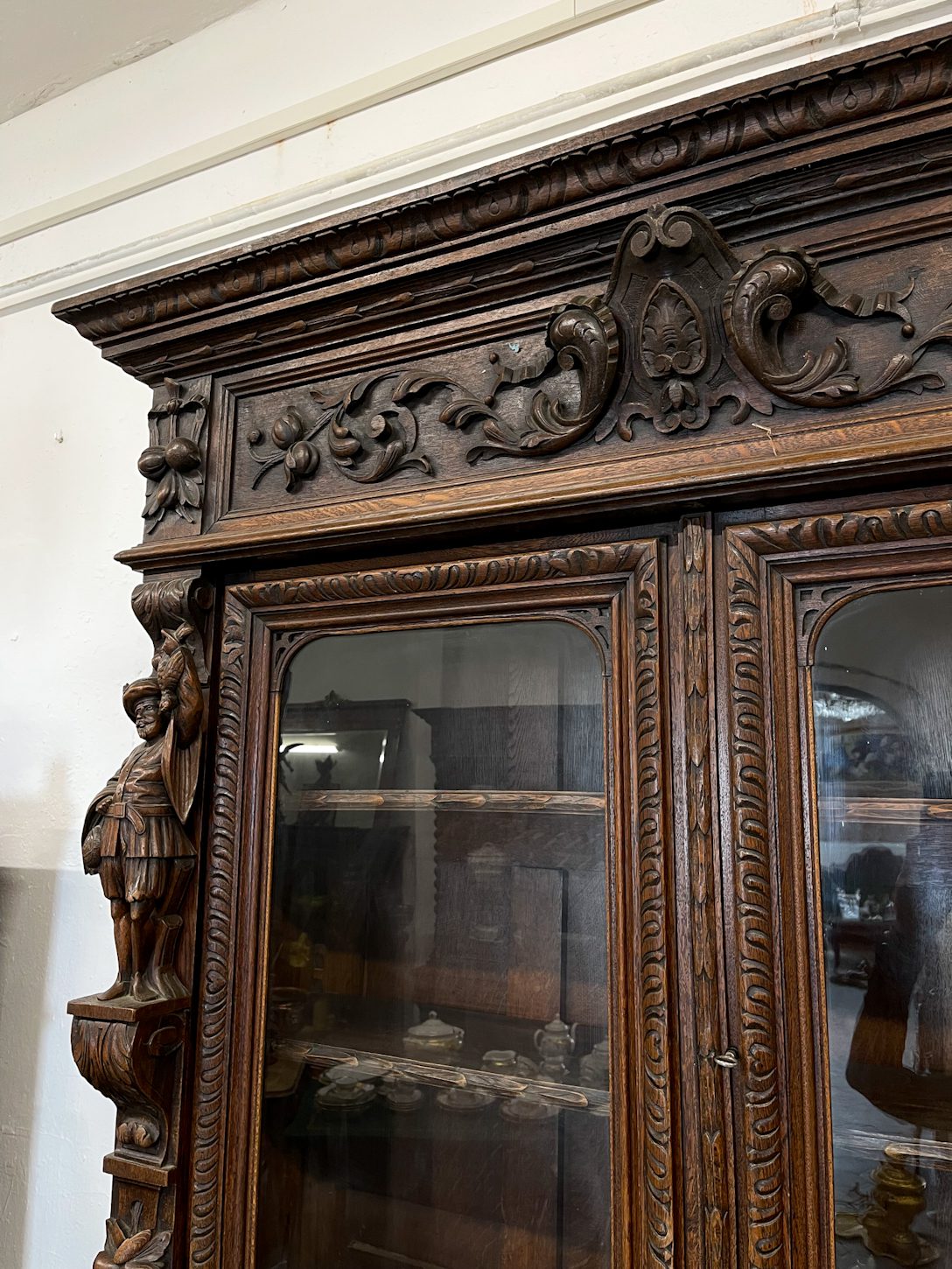
Ārkārtīgi masīva un monumentāla 19. gadsimta Francijas neorenesanses stila ozolkoka bufete-vitrīna. Mēbeli rotā dziļi, meistarīgi roku kokgriezumi — pilnībā veidotas bruņinieku figūras, mītiskie pūķi un bagātīgi reljefa motīvi. Izcils, dominējošs interjera meistardarbs. Izmēri: 257 × 144 × 58 cm.
🇱🇻 Izmēri: Augstums 257 cm × platums 144 cm × dziļums 58 cm. Svars: Ļoti liels, masīvs.
Monumentāla ozolkoka bufete-vitrīna ar bruņinieku figūrām
Pārlaicīgās varenības momentuzņēmums, Aleksandrs Dimā (Alexandre Dumas): Savas majestātiskās Monte-Kristo pils (Château de Monte-Cristo) greznajā ēdamzālē, kuru piepildīja gotikas un renesanses iedvesmoti mākslas priekšmeti, slavenais franču rakstnieks Aleksandrs Dimā apbrīnā stāvēja pie šīs monumentālās ozolkoka bufetes. Viņš, kurš savos romānos cildināja bruņniecību, godu un vēsturisku drāmu, šajā mēbelē saskatīja tieši to pašu varonīgo garu. Smagnējās, prasmīgi izgrebtās bruņinieku figūras, kas lepni stāvēja vitrīnas sānos, šķita kā klusi sargi, kas sargā ne tikai aiz stikla paslēptos dārgumus, bet pašu Francijas zelta laikmetu.
Mēbeles dziļais, tumšais ozolkoks, kas izgrebts ar dabas un lauku dzīves motīviem, pūķiem un groteskiem elementiem, nevainojami sasaucās ar Dimā mīlestību pret teatrālu izteiksmību un vērienu. Kamīna uguns atspulgi dejoja vitrīnas stiklos, kamēr apakšējā, masīvajā bufetes daļā tika glabāti smagi sudraba kausi un izsmalcināti vīni. Šī bufete nebija vienkārši vieta lietu uzglabāšanai; tā bija kā arhitektūras elements, vesela skatuve, kas papildināja rakstnieka vētraino un krāšņo dzīvesveidu.
Pieskaroties vēsajam koka reljefam un lēnām atverot masīvās durvis, telpā izplatījās sena ozola un bišu vaska smarža. Šajā mirklī kļuva skaidrs, ka 19. gadsimta meistari, radot šo neorenesanses brīnumu, bija spējuši kokā iemūžināt pašu laiku. Šī mēbele dominēja telpā, radot neaizmirstamu, pārlaicīgu bruņniecības un romantikas auru, kas turpinātu iedvesmot vēl neskaitāmas paaudzes.
Ievads un izcelsme Šī ir ārkārtīgi masīva un iespaidīga antīkā bufete-vitrīna, kas radīta Francijā 19. gadsimta otrajā pusē. Tā iemieso Neo-Renaissance (neorenesanses) un “Henri II” stila greznību un monumentalitāti, kurā senatnīga pils (château) atmosfēra tiek apvienota ar nepārspējamu 19. gadsimta kokgriezēju meistarību.
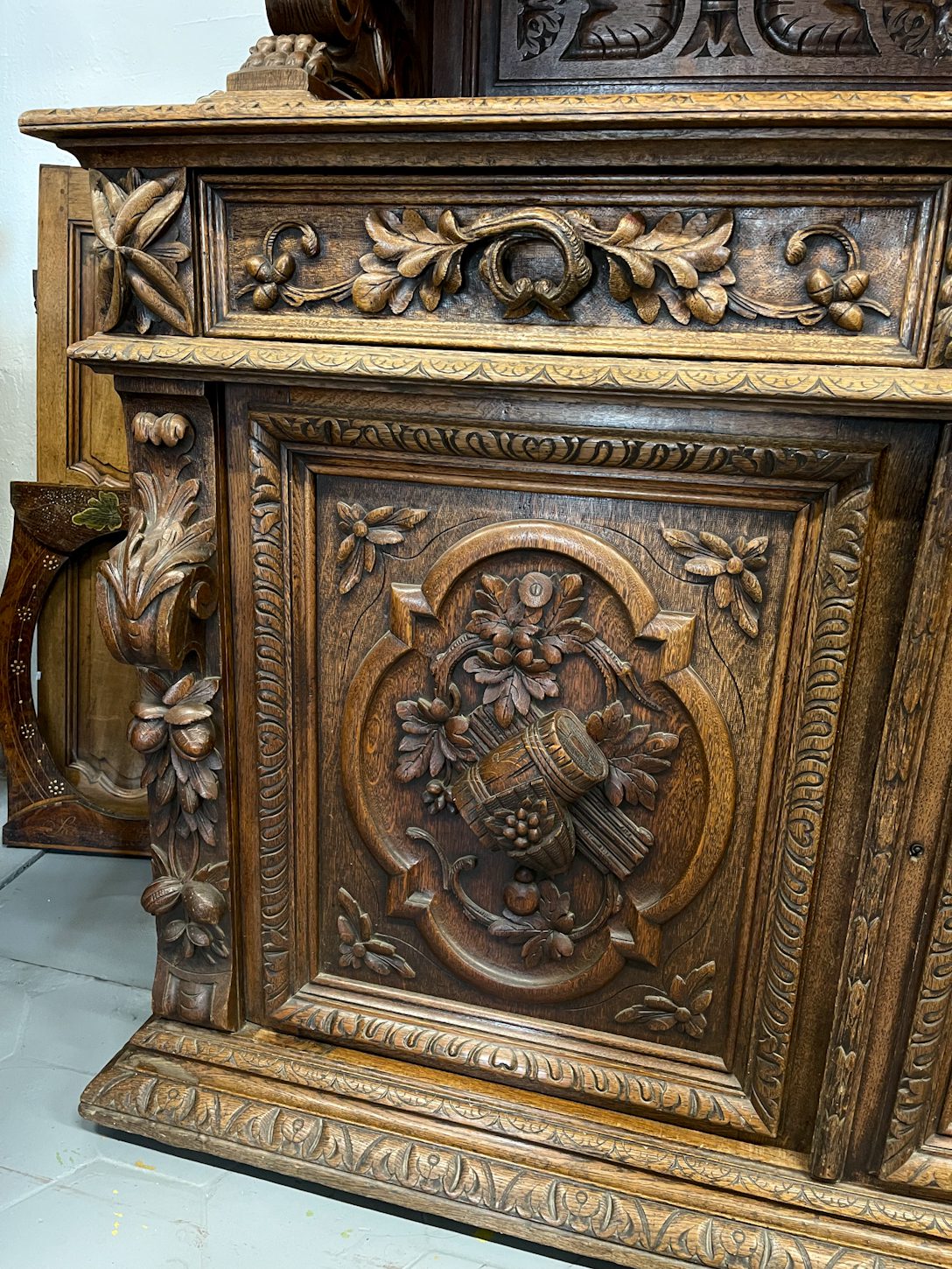
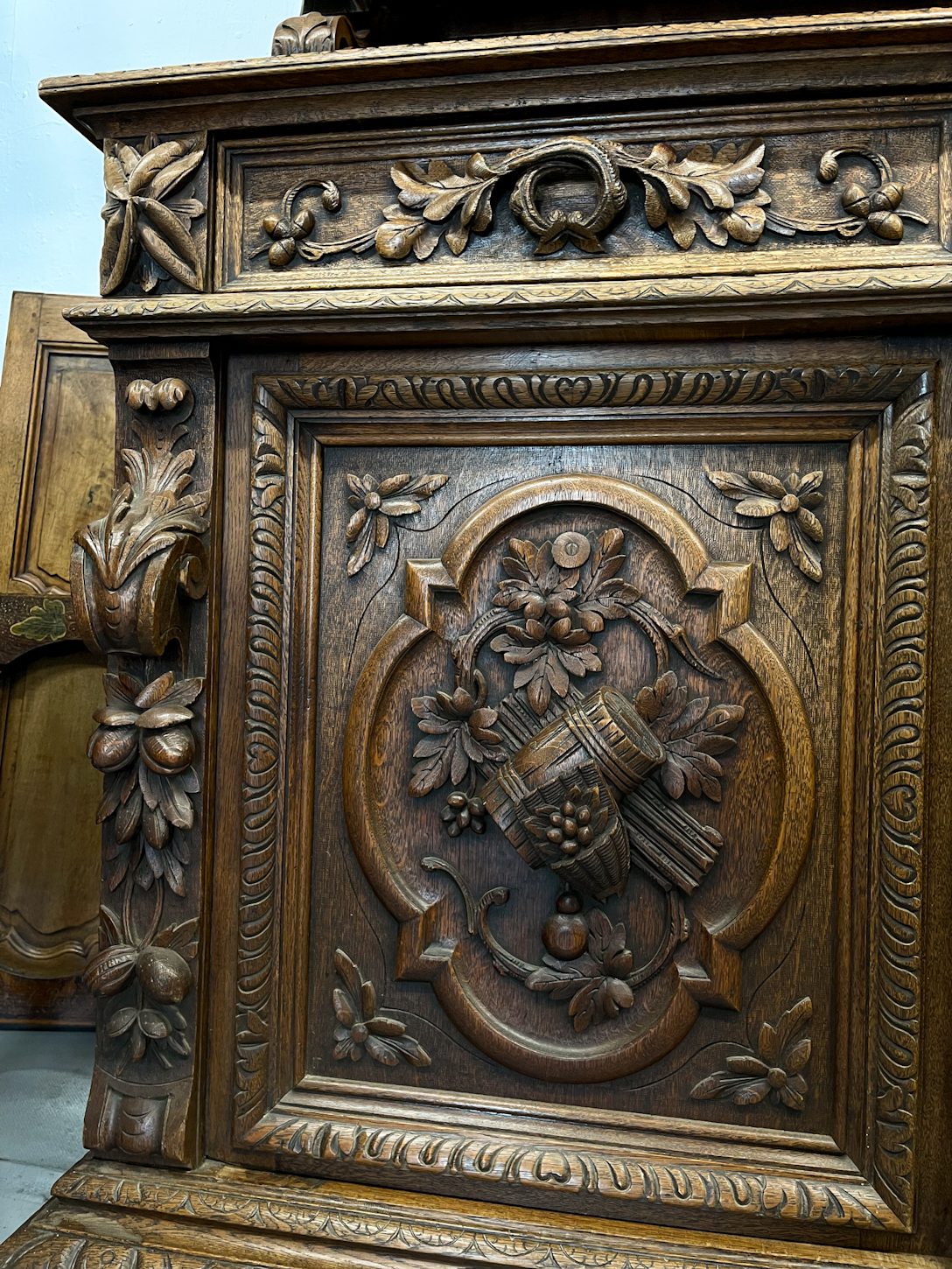
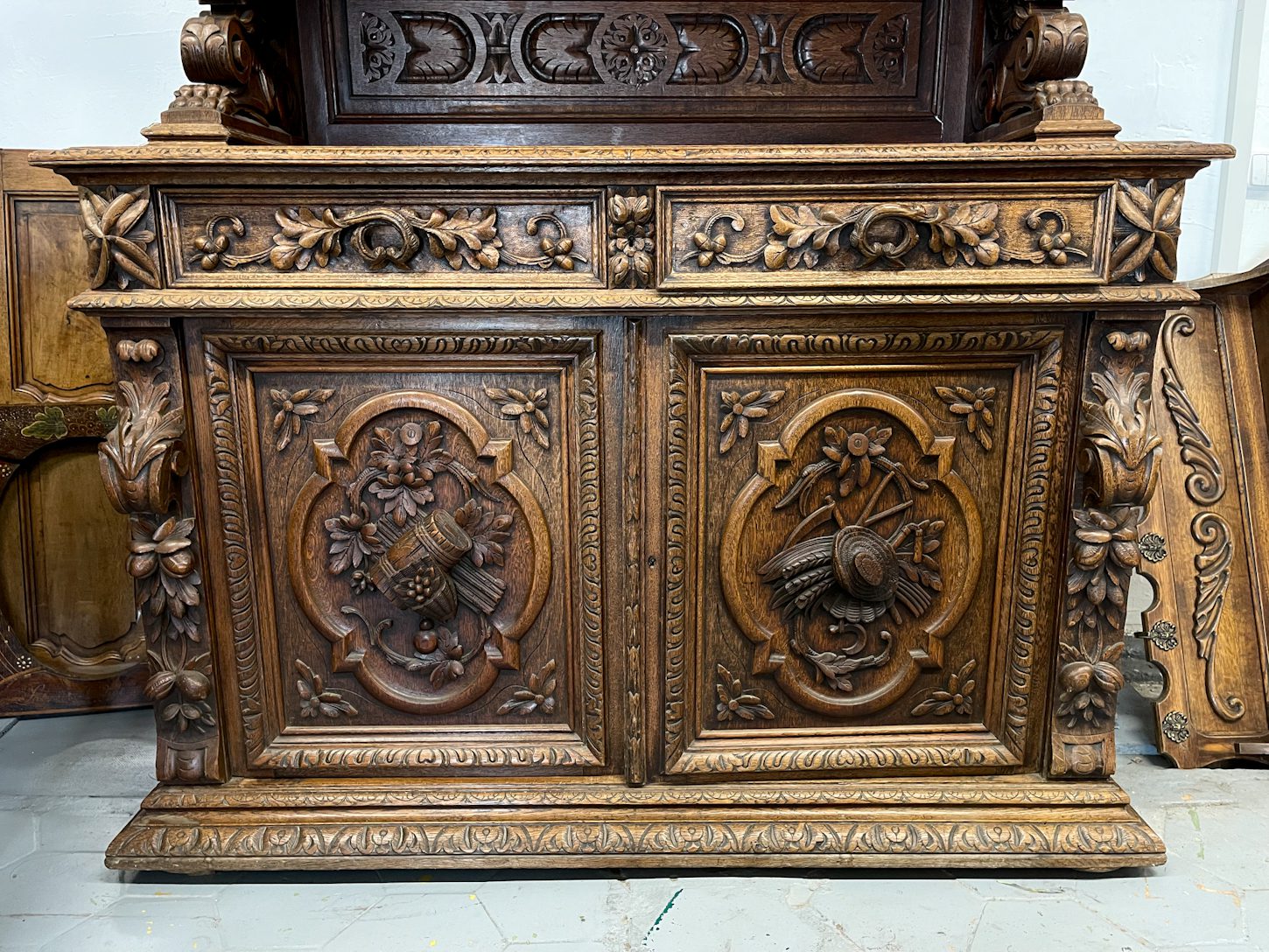
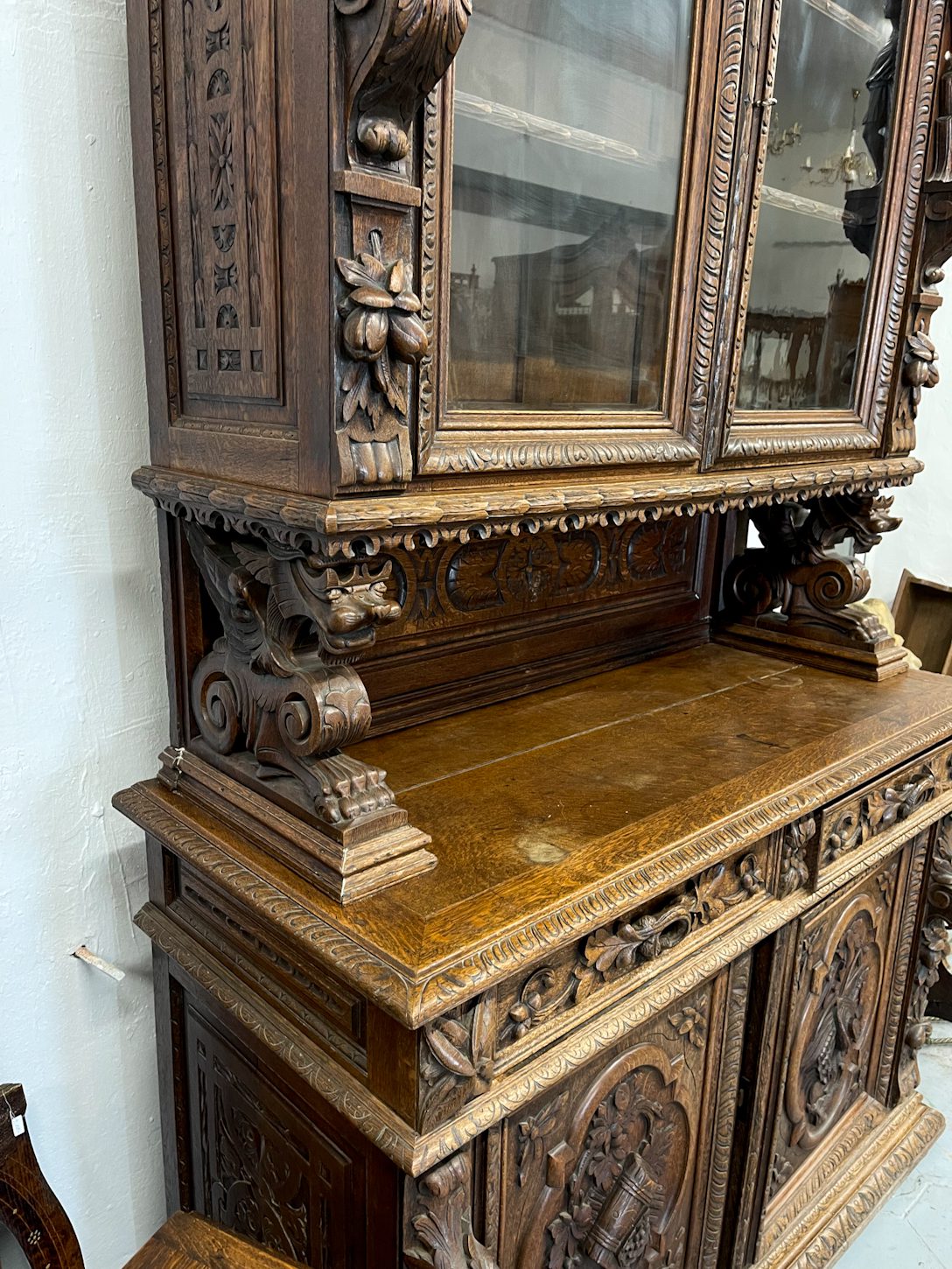
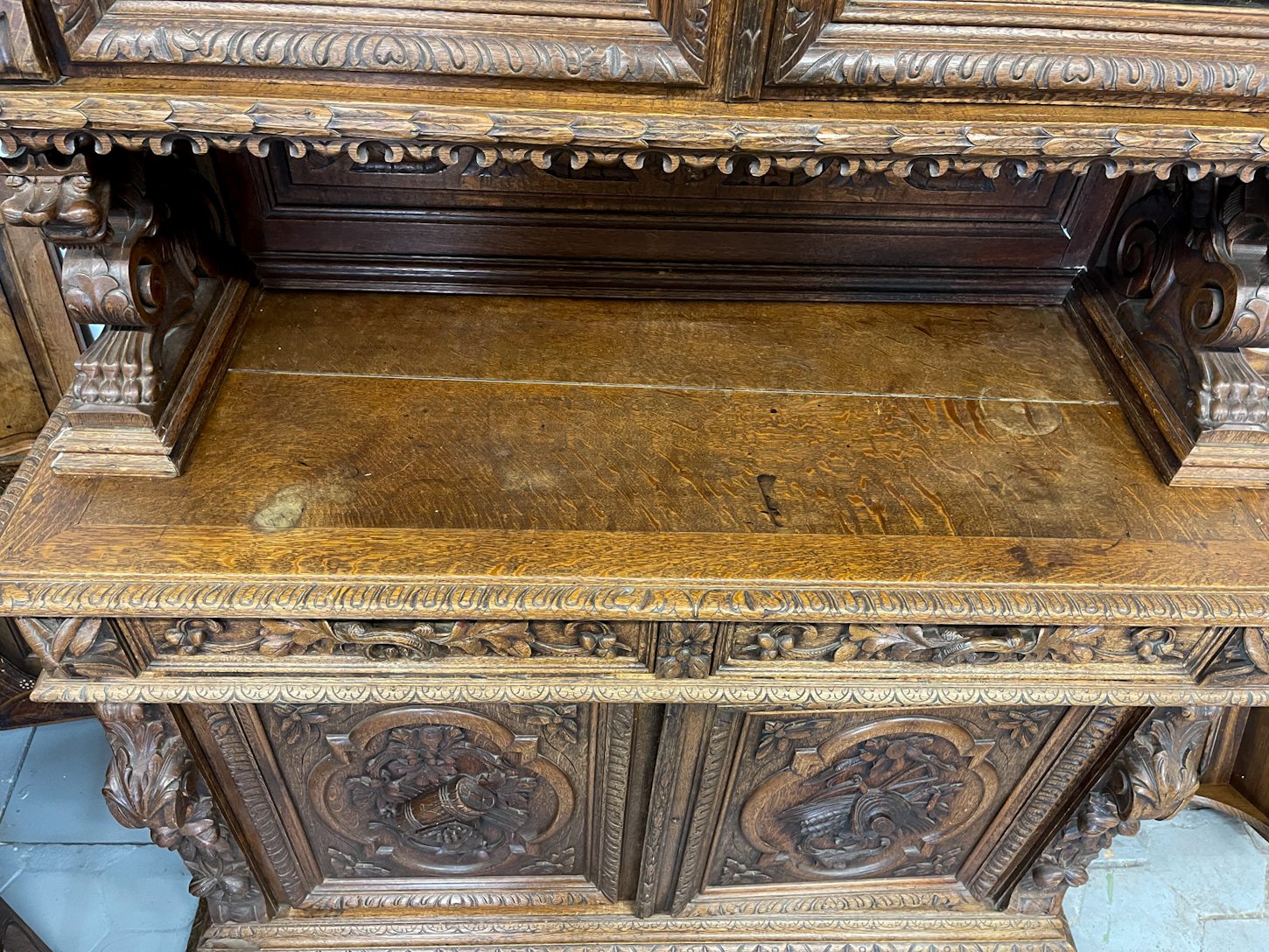
Dizains un materiāli Izgatavota no masīva, smaga ozolkoka. Mēbele sastāv no divām daļām. Apakšējo daļu (bufeti) veido slēgtas durvis, kuras rotā dziļi reljefa kokgriezumi ar lauku dzīves un ražas motīviem (mucas, labības kūlīši, darbarīki). Vidusdaļu, kas kalpo kā atvērts plaukts, balsta fantastiski izgrebti mītiski pūķi/himēras. Augšējo daļu (vitrīnu) ar stiklotām durvīm un stikla plauktiem flangē divas majestātiskas, pilnā augumā izgrebtas bruņinieku/sargu figūras. Visu kompozīciju vainago masīva karnīze ar akanta lapu un ziedu motīviem.
Pielietojums Pateicoties saviem grandiozajiem izmēriem (257 cm augstums) un ārkārtīgi lielajam svaram, šī mēbele pieprasa telpu. Tā kļūs par absolūtu interjera dominanti plašā ēdamzālē, medību pilī, muižā vai greznā lauku mājā. Ideāla vieta masīvu grāmatu sējumu, sudrablietu vai ģimenes relikviju uzglabāšanai un eksponēšanai.
Stāvoklis Loti labs antīks stāvoklis ar brīnišķīgu, dabisku ozolkoka patinu. Mēbele ir strukturāli ļoti stabila un ārkārtīgi smaga. Kokgriezumi ir labi saglabājušies un detalizēti. Ir redzamas tikai dabiskas laika un lietošanas pēdas, kas šādai monumentālai mēbelei piešķir papildu vēsturisko raksturu. Lietas stāvoklis pilnībā atspoguļots fotogrāfijās.
🇷🇺 Размеры: Высота 257 см × ширина 144 см × глубина 58 см. Вес: Очень большой, массивная.
Монументальная дубовая буфет-витрина с фигурами рыцарей
Снимок вневременного величия, Александр Дюма (Alexandre Dumas): В роскошной столовой своего величественного замка Монте-Кристо, наполненной предметами искусства в духе готики и ренессанса, знаменитый французский писатель Александр Дюма в восхищении стоял перед этим монументальным дубовым буфетом. Он, воспевавший в своих романах рыцарство, честь и историческую драму, видел в этой мебели тот же героический дух. Тяжелые, искусно вырезанные фигуры рыцарей, гордо стоящие по бокам витрины, казались безмолвными стражами, охраняющими не только скрытые за стеклом сокровища, но и сам золотой век Франции.
Глубокий, темный дуб мебели, украшенный мотивами сельской жизни, драконами и гротескными элементами, безупречно перекликался с любовью Дюма к театральной выразительности и размаху. Отблески каминного огня танцевали в стеклах витрины, в то время как в нижней, массивной части буфета хранились тяжелые серебряные кубки и изысканные вина. Этот буфет не был просто местом для хранения вещей; он был подобен архитектурному элементу, целой сцене, дополнявшей бурную и яркую жизнь писателя.
Прикоснувшись к прохладному деревянному рельефу и медленно открыв массивные дверцы, он почувствовал, как по комнате разносится аромат старого дуба и пчелиного воска. В этот момент становилось ясно, что мастера 19-го века, создавая это чудо неоренессанса, смогли запечатлеть в дереве само время. Эта мебель доминировала в пространстве, создавая незабываемую, вневременную ауру рыцарства и романтики, которая продолжала бы вдохновлять еще бесчисленные поколения.
Это чрезвычайно массивный и впечатляющий антикварный буфет-витрина, созданный во Франции во второй половине 19 века. Он воплощает роскошь и монументальность стиля неоренессанса (и стиля Генриха II), где атмосфера старинного замка сочетается с непревзойденным мастерством резчиков по дереву.
Изготовлен из массивного, тяжелого дуба. Состоит из двух частей. Нижняя часть (буфет) имеет закрытые дверцы, украшенные глубокой рельефной резьбой с мотивами сельской жизни (бочки, снопы пшеницы). Среднюю открытую часть поддерживают фантастические вырезанные мифические драконы/химеры. Верхняя часть (витрина) с застекленными дверцами и стеклянными полками окружена двумя величественными фигурами рыцарей/стражников в полный рост. Всю композицию венчает массивный карниз.
Благодаря своим грандиозным размерам (высота 257 см) и огромному весу, эта мебель требует пространства. Она станет абсолютной доминантой интерьера в просторной столовой, охотничьем домике или усадьбе. Очень хорошее антикварное состояние с прекрасной естественной патиной дуба. Мебель конструктивно очень стабильна. Состояние вещи полностью отражено на фотографиях.
🇬🇧 Dimensions: Height 257 cm × Width 144 cm × Depth 58 cm. Weight: Very heavy, massive.
Monumental oak buffet-vitrine with knight figures
A snapshot of timeless grandeur, Alexandre Dumas: In the opulent dining room of his majestic Château de Monte-Cristo, filled with Gothic and Renaissance-inspired art, the famous French author Alexandre Dumas stood in admiration before this monumental oak buffet. He, who celebrated chivalry, honor, and historical drama in his novels, saw that exact same heroic spirit in this piece of furniture. The heavy, skillfully carved knight figures standing proudly on the sides of the vitrine seemed like silent guardians, protecting not only the treasures hidden behind the glass but the golden age of France itself.
The deep, dark oak of the furniture, carved with motifs of rural life, dragons, and grotesque elements, flawlessly echoed Dumas’s love for theatrical expression and grand scale. The reflections of the fireplace fire danced in the vitrine’s glass, while the lower, massive part of the buffet held heavy silver goblets and exquisite wines. This buffet was not simply a place to store things; it was like an architectural element, an entire stage setting that complemented the writer’s tempestuous and colorful life.
Touching the cool wooden relief and slowly opening the massive doors, the scent of old oak and beeswax spread through the room. In this moment, it became clear that the 19th-century masters, creating this Neo-Renaissance marvel, had managed to capture time itself in wood. This piece of furniture dominated the space, creating an unforgettable, timeless aura of chivalry and romance that would continue to inspire countless generations.
This is an exceptionally massive and impressive antique buffet-vitrine, created in France in the second half of the 19th century. It embodies the luxury and monumentality of the Neo-Renaissance (and Henri II) style, where the atmosphere of an ancient château is combined with the unsurpassed skill of 19th-century woodcarvers.
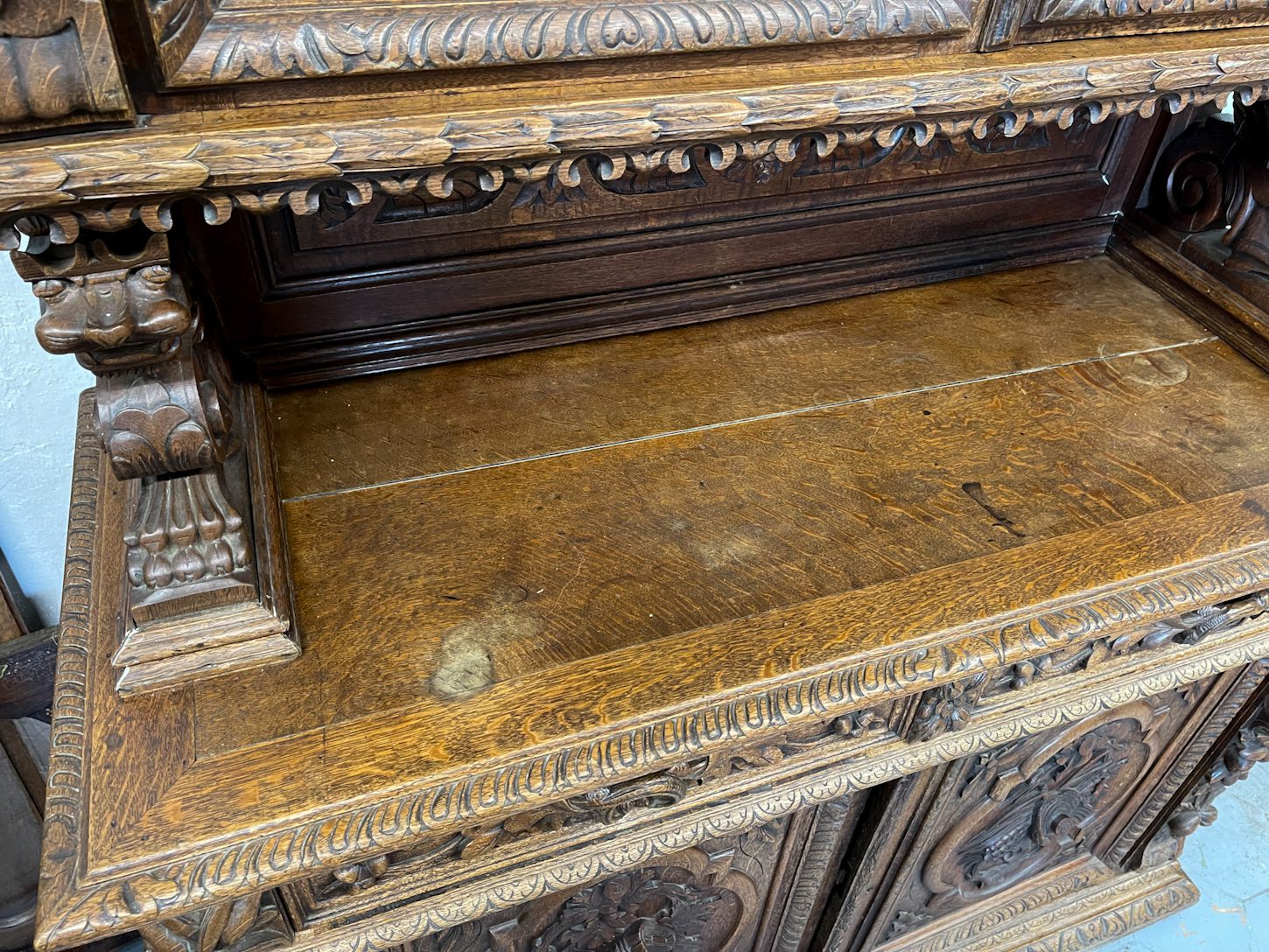
Made of solid, heavy oak. The piece consists of two parts. The lower part (buffet) features closed doors decorated with deep relief carvings of rural life and harvest motifs (barrels, wheat sheaves, tools). The middle open section is supported by fantastically carved mythical dragons/chimeras. The upper part (vitrine) with glazed doors and glass shelves is flanked by two majestic, fully sculpted knight/guard figures. The entire composition is crowned by a massive cornice.
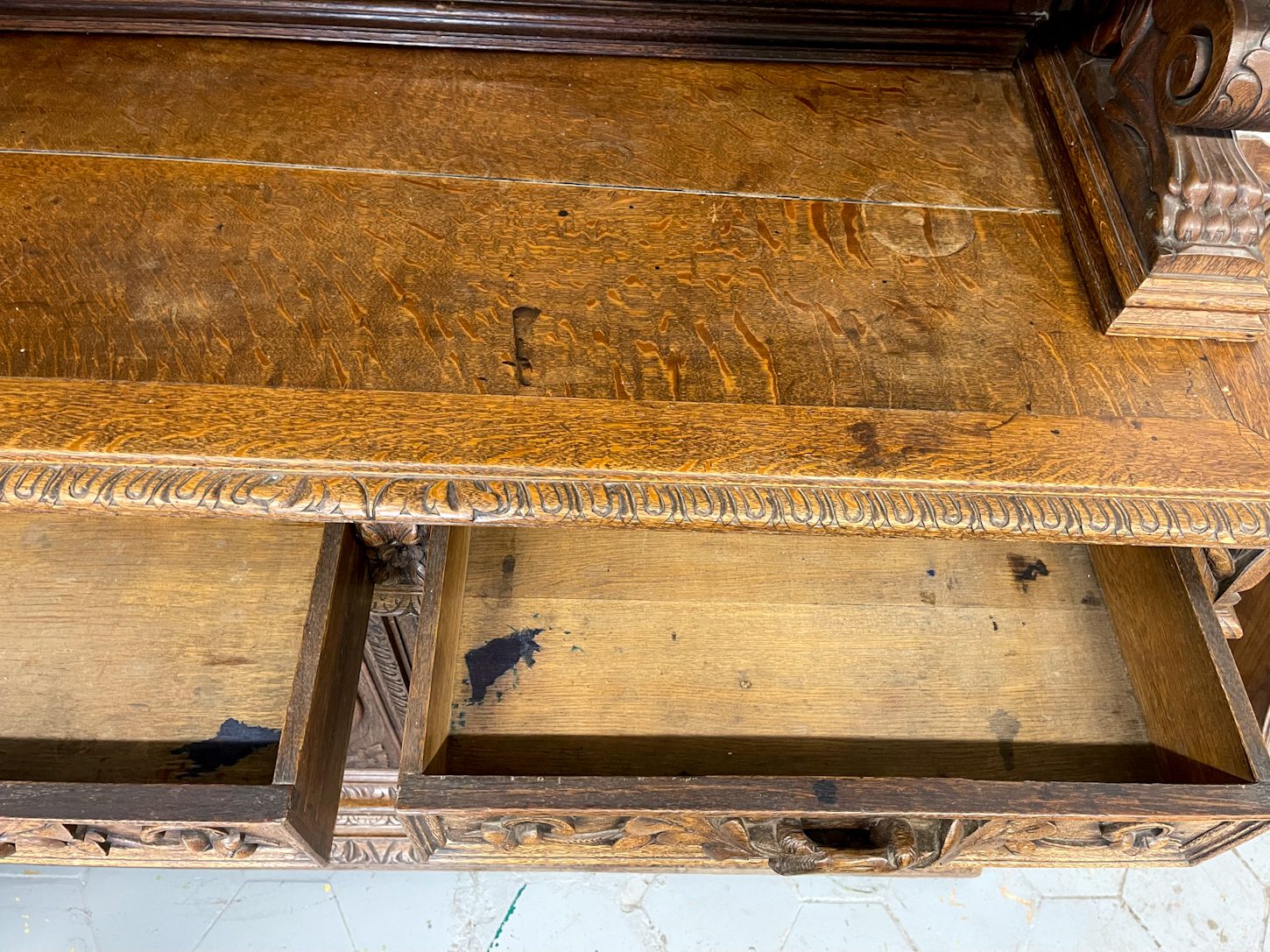
Thanks to its grandiose dimensions (257 cm height) and extremely heavy weight, this furniture demands space. It will become the absolute interior dominant in a spacious dining room, hunting lodge, manor, or luxurious country house. Very good antique condition with a wonderful, natural oak patina. The furniture is structurally very stable. The carvings are well-preserved and detailed. The condition of the item is fully reflected in the photographs.
🇩🇪 Maße: Höhe 257 cm × Breite 144 cm × Tiefe 58 cm. Gewicht: Sehr schwer, massiv.
Monumentale Eichenholz-Buffet-Vitrine mit Ritterfiguren
Eine Momentaufnahme zeitloser Größe, Alexandre Dumas: Im opulenten Speisesaal seines majestätischen Château de Monte-Cristo, erfüllt von Kunstgegenständen im gotischen und klaren Renaissance-Stil, stand der berühmte französische Schriftsteller Alexandre Dumas voller Bewunderung vor diesem monumentalen Eichenbuffet. Er, der in seinen Romanen Ritterlichkeit, Ehre und historisches Drama feierte, sah genau diesen heldenhaften Geist in diesem Möbelstück. Die schweren, kunstvoll geschnitzten Ritterfiguren an den Seiten der Vitrine wirkten wie stille Wächter, die nicht nur die Schätze hinter dem Glas bewachten, sondern das goldene Zeitalter Frankreichs selbst.
Das tiefe, dunkle Eichenholz des Möbels, geschnitzt mit Motiven des Landlebens, Drachen und grotesken Elementen, spiegelte makellos Dumas’ Liebe zu theatralischem Ausdruck und Größe wider. Die Reflexionen des Kaminfeuers tanzten in den Gläsern der Vitrine, während der untere, massive Teil des Buffets schwere Silberkelche und exquisite Weine barg. Dieses Buffet war nicht nur ein Aufbewahrungsort; es war wie ein architektonisches Element, ein ganzes Bühnenbild.
Als er das kühle Holzrelief berührte und die massiven Türen langsam öffnete, verbreitete sich der Duft von alter Eiche und Bienenwachs im Raum. In diesem Moment wurde klar, dass die Meister des 19. Jahrhunderts, die dieses Neorenaissance-Wunder schufen, es geschafft hatten, die Zeit selbst in Holz zu bannen. Dieses Möbelstück dominierte den Raum und schuf eine unvergessliche Aura.
Dies ist eine außergewöhnlich massive und beeindruckende antike Buffet-Vitrine, die in der zweiten Hälfte des 19. Jahrhunderts in Frankreich hergestellt wurde. Sie verkörpert den Luxus und die Monumentalität des Neorenaissance-Stils.
Aus massiver, schwerer Eiche gefertigt. Das untere Teil hat geschlossene Türen, die mit tiefen Reliefschnitzereien mit ländlichen Motiven (Fässer, Weizengarben) verziert sind. Der mittlere offene Teil wird von fantastisch geschnitzten mythischen Drachen/Schimären getragen. Das obere Teil (Vitrine) mit verglasten Türen wird von zwei vollplastisch geschnitzten Ritterfiguren flankiert.
Aufgrund ihrer grandiosen Ausmaße (257 cm Höhe) und ihres enormen Gewichts verlangt dieses Möbelstück nach Raum. Sehr guter antiker Zustand mit wunderbarer, natürlicher Eichenpatina. Das Möbelstück ist strukturell sehr stabil. Der Zustand ist auf den Fotos vollständig ersichtlich.
🇫🇷 Dimensions : Hauteur 257 cm × Largeur 144 cm × Profondeur 58 cm. Poids : Très lourd, massif.
Buffet-vitrine monumental en chêne avec figures de chevaliers
Un instantané de grandeur intemporelle, Alexandre Dumas : Dans la somptueuse salle à manger de son majestueux Château de Monte-Cristo, remplie d’objets d’art d’inspiration gothique et Renaissance, le célèbre écrivain français Alexandre Dumas se tenait en admiration devant ce buffet monumental en chêne. Lui qui célébrait la chevalerie, l’honneur et le drame historique dans ses romans, voyait exactement ce même esprit héroïque dans ce meuble. Les lourdes figures de chevaliers habilement sculptées, se tenant fièrement sur les côtés de la vitrine, semblaient être des gardiens silencieux, protégeant non seulement les trésors cachés derrière la vitre, mais l’âge d’or de la France elle-même.
Le chêne profond et sombre du meuble, sculpté de motifs de la vie rurale, de dragons et d’éléments grotesques, faisait parfaitement écho à l’amour de Dumas pour l’expression théâtrale et la démesure. Les reflets du feu de cheminée dansaient dans les vitres de la vitrine, tandis que la partie inférieure et massive du buffet abritait de lourdes coupes en argent et des vins exquis. Ce buffet n’était pas simplement un endroit pour ranger des choses ; c’était comme un élément architectural, un décor de scène entier.
En touchant le relief en bois frais et en ouvrant lentement les portes massives, le parfum du vieux chêne et de la cire d’abeille se répandit dans la pièce. À ce moment-là, il est devenu clair que les maîtres du 19ème siècle, en créant cette merveille néo-Renaissance, avaient réussi à capturer le temps lui-même dans le bois. Ce meuble dominait l’espace, créant une aura inoubliable.
Il s’agit d’un buffet-vitrine antique exceptionnellement massif et impressionnant, créé en France dans la seconde moitié du 19ème siècle. Il incarne le luxe et la monumentalité du style Néo-Renaissance.
Fabriqué en chêne massif et lourd. La partie inférieure comporte des portes fermées décorées de sculptures en haut-relief (tonneaux, gerbes de blé). La section ouverte du milieu est soutenue par des dragons/chimères mythiques fantastiquement sculptés. La partie supérieure (vitrine) avec ses portes vitrées est flanquée de deux majestueuses figures de chevaliers entièrement sculptées.
Grâce à ses dimensions grandioses (257 cm de hauteur) et à son poids extrêmement lourd, ce meuble exige de l’espace. Très bon état antique avec une belle patine de chêne naturel. Le meuble est structurellement très stable. L’état de l’objet est entièrement reflété dans les photographies.
🇩🇰 Mål: Højde 257 cm × Bredde 144 cm × Dybde 58 cm. Vægt: Meget tung, massiv.
Monumental egetræsbuffet-vitrine med ridderfigurer
Et øjebliksbillede af tidløs storhed, Alexandre Dumas: I den overdådige spisestue på sit majestætiske Château de Monte-Cristo, fyldt med gotisk og renæssanceinspireret kunst, stod den berømte franske forfatter Alexandre Dumas i beundring foran denne monumentale egetræsbuffet. Han, der fejrede ridderskab, ære og historisk drama i sine romaner, så netop den samme heroiske ånd i dette møbel. De tunge, dygtigt udskårne ridderfigurer, der stolt stod på siderne af vitrinen, lignede tavse vogtere, der beskyttede ikke kun de skatte, der var skjult bag glasset, men selve Frankrigs guldalder.
Møblets dybe, mørke egetræ, udskåret med motiver fra landlivet, drager og groteske elementer, afspejlede fejlfrit Dumas’ kærlighed til teatralsk udtryk og storhed. Refleksionerne fra pejsens ild dansede i vitrinens glas, mens den nederste, massive del af buffeten rummede tunge sølvbægre og udsøgte vine. Denne buffet var ikke blot et sted at opbevare ting; det var som et arkitektonisk element, en hel scenografi.
Da han rørte ved det kølige trærelief og langsomt åbnede de massive døre, spredte duften af gammel eg og bivoks sig i rummet. I dette øjeblik blev det klart, at det 19. århundredes mestre, der skabte dette neorenæssance-vidunder, havde formået at fange selve tiden i træ. Dette møbel dominerede rummet og skabte en uforglemmelig aura.
Dette er en usædvanlig massiv og imponerende antik buffet-vitrine, skabt i Frankrig i anden halvdel af det 19. århundrede. Den inkarnerer luksusen og monumentaliteten i Neo-Renæssance stilen.
Fremstillet af massiv, tung eg. Den nederste del har lukkede døre dekoreret med dybe reliefudskæringer (tønder, hvedeneg). Den midterste åbne sektion understøttes af fantastisk udskårne mytiske drager/kimærer. Den øvre del (vitrine) med glasdøre er flankeret af to majestætiske ridderfigurer.
Takket være sine grandiose dimensioner (257 cm i højden) og ekstremt tunge vægt kræver dette møbel plads. Meget god antik stand med en vidunderlig, naturlig egepatina. Møblet er strukturelt meget stabilt. Genstandens tilstand er fuldt ud afspejlet på fotografierne.
🇸🇪 Mått: Höjd 257 cm × Bredd 144 cm × Djup 58 cm. Vikt: Mycket tung, massiv.
Monumental ekbuffé-vitrin med riddarfigurer
En ögonblicksbild av tidlös storhet, Alexandre Dumas: I den överdådiga matsalen på sitt majestätiska Château de Monte-Cristo, fylld med gotisk och renässansinspirerad konst, stod den berömde franske författaren Alexandre Dumas i beundran inför denna monumentala ekbuffé. Han, som hyllade ridderskap, ära och historiskt drama i sina romaner, såg precis samma heroiska anda i denna möbel. De tunga, skickligt snidade riddarfigurerna som stolt stod på sidorna av vitrinen verkade som tysta väktare, som inte bara skyddade skatterna gömda bakom glaset, utan själva Frankrikes guldålder.
Möbelns djupa, mörka ek, snidad med motiv från lantliv, drakar och groteska element, speglade felfritt Dumas kärlek till teatrala uttryck och storvulenhet. Reflexionerna från eldstadens eld dansade i vitrinens glas, medan den nedre, massiva delen av buffén rymde tunga silverpokaler och utsökta viner. Denna buffé var inte bara en plats för förvaring; den var som ett arkitektoniskt element, en hel scenografi.
När han rörde vid den svala träreliefen och långsamt öppnade de massiva dörrarna, spreds doften av gammal ek och bivax i rummet. I detta ögonblick blev det klart att 1800-talets mästare, som skapade detta nyrenässansunderverk, hade lyckats fånga själva tiden i trä. Denna möbel dominerade rummet och skapade en oförglömlig aura.
Detta är en exceptionellt massiv och imponerande antik buffé-vitrin, skapad i Frankrike under andra hälften av 1800-talet. Den förkroppsligar lyxen och monumentaliteten i nyrenässansstilen.
Tillverkad av massiv, tung ek. Den nedre delen har stängda dörrar dekorerade med djupa reliefsniderier (tunnor, vetekärvar). Den mellersta öppna sektionen stöds av fantastiskt snidade mytiska drakar/chimärer. Den övre delen (vitrinen) med glasade dörrar flankeras av två majestätiska riddarfigurer.
Tack vare sina grandiosa dimensioner (257 cm i höjd) och extremt tunga vikt kräver denna möbel rymd. Mycket gott antikt skick med en underbar, naturlig ekpatina. Möbeln är strukturellt mycket stabil. Föremålets skick återspeglas till fullo på fotografierna.
🇳🇴 Mål: Høyde 257 cm × Bredde 144 cm × Dybde 58 cm. Vekt: Veldig tung, massiv.
Monumental eikebuffé-vitrine med ridderfigurer
Et øyeblikksbilde av tidløs storhet, Alexandre Dumas: I den overdådige spisestuen på sitt majestetiske Château de Monte-Cristo, fylt med gotisk og renessanseinspirert kunst, sto den berømte franske forfatteren Alexandre Dumas i beundring foran denne monumentale eikebufféen. Han, som feiret ridderskap, ære og historisk drama i sine romaner, så akkurat den samme heroiske ånden i dette møbelet. De tunge, dyktig utskårne ridderfigurene som stolt sto på sidene av vitrinen, virket som tause voktere, som beskyttet ikke bare skattene gjemt bak glasset, men selve Frankrikes gullalder.
Møbelets dype, mørke eik, utskåret med motiver fra landlivet, drager og groteske elementer, gjenspeilte feilfritt Dumas’ kjærlighet til teatralsk uttrykk og storhet. Refleksjonene fra peisilden danset i vitrinens glass, mens den nedre, massive delen av buffeen rommet tunge sølvbegre og utsøkte viner. Denne buffeen var ikke bare et sted å oppbevare ting; det var som et arkitektonisk element, en hel scenografi.
Da han berørte det kjølige trerelieffet og sakte åpnet de massive dørene, spredte duften av gammel eik og bivoks seg i rommet. I dette øyeblikket ble det klart at 1800-tallets mestere, som skapte dette nyrenessanse-vidunderet, hadde klart å fange selve tiden i tre. Dette møbelet dominerte rommet og skapte en uforglemmelig aura.
Dette er en usedvanlig massiv og imponerende antikk buffé-vitrine, skapt i Frankrike i andre halvdel av 1800-tallet. Den legemliggjør luksusen og monumentaliteten i nyrenessansestilen.
Laget av massiv, tung eik. Den nedre delen har lukkede dører dekorert med dype relieffutskjæringer (tønner, hvetenek). Den midterste åpne seksjonen støttes av fantastisk utskårne mytiske drager/kimærer. Den øvre delen (vitrinen) med glassdører flankeres av to majestetiske ridderfigurer.
Takket være sine grandiose dimensjoner (257 cm i høyden) og ekstremt tunge vekt, krever dette møbelet plass. Veldig god antikk stand med en fantastisk, naturlig eikepatina. Møbelet er strukturelt veldig stabilt. Gjenstandens tilstand er fullt ut gjenspeilet på fotografiene.
🇫🇮 Mitat: Korkeus 257 cm × Leveys 144 cm × Syvyys 58 cm. Paino: Erittäin raskas, massiivinen.
Monumentaalinen tammibuffet-vitriini ritarihahmoilla
Välähdys ajatonta suuruutta, Alexandre Dumas: Mahtavan Château de Monte-Criston opulenssissa ruokasalissa, joka oli täynnä goottilaista ja renessanssin inspiroimaa taidetta, kuuluisa ranskalainen kirjailija Alexandre Dumas seisoi ihaillen tämän monumentaalisen tammibuffetin edessä. Hän, joka ylisti ritarillisuutta, kunniaa ja historiallista draamaa romaaneissaan, näki juuri tuon saman sankarillisen hengen tässä huonekalussa. Raskaat, taitavasti veistetyt ritarihahmot, jotka seisoivat ylpeinä vitriinin sivuilla, tuntuivat äänettömiltä vartijoilta, jotka suojelivat paitsi lasin taakse kätkettyjä aarteita, myös itse Ranskan kulta-aikaa.
Huonekalun syvä, tumma tammi, johon oli veistetty maalaiselämän aiheita, lohikäärmeitä ja groteskeja elementtejä, heijasti moitteettomasti Dumasin rakkautta teatraaliseen ilmaisuun ja suuruuteen. Takan tulen heijastukset tanssivat vitriinin laseissa, kun taas buffetin alempi, massiivinen osa piti sisällään raskaita hopeapikareita ja hienoja viinejä. Tämä buffet ei ollut vain paikka tavaroiden säilyttämiseen; se oli kuin arkkitehtoninen elementti, kokonainen lavastus.
Koskettaessaan viileää puureliefiä ja avatessaan hitaasti massiiviset ovet, vanhan tammen ja mehiläisvahan tuoksu levisi huoneeseen. Tällä hetkellä kävi selväksi, että 1800-luvun mestarit, jotka loivat tämän uusrenessanssin ihmeen, olivat onnistuneet vangitsemaan itse ajan puuhun. Tämä huonekalu hallitsi tilaa ja loi unohtumattoman auran.
Tämä on poikkeuksellisen massiivinen ja vaikuttava antiikkinen buffet-vitriini, joka on valmistettu Ranskassa 1800-luvun jälkipuoliskolla. Se ilmentää uusrenessanssityylin ylellisyyttä ja monumentaalisuutta.
Valmistettu massiivisesta, raskaasta tammesta. Alaosassa on suljetut ovet, jotka on koristeltu syvillä reliefiveistoksilla (tynnyreitä, vehnälyhteitä). Keskimmäistä avointa osaa tukevat fantastisesti veistetyt myyttiset lohikäärmeet/kimeerit. Yläosaa (vitriiniä) lasiovineen reunustavat kaksi majesteettista ritarihahmoa.
Valtavien mittojensa (korkeus 257 cm) ja erittäin suuren painonsa ansiosta tämä huonekalu vaatii tilaa. Erittäin hyvä antiikkinen kunto upealla, luonnollisella tammen patinalla. Huonekalu on rakenteellisesti erittäin vakaa. Esineen kunto näkyy täysin valokuvissa.